
Bing Images / kapadokyatanitim.com
Top 10 Most Overrated Wellness Trends
Discover the wellness trends that blew up on social media but fell short of the hype—our Top 10 list separates fact from influencer promise. See if you agree, then cast your vote and join the conversation.
Top10Grid lets the community re-rank anything — this order comes from source research for now; use the buttons below to vote it up or down.

Current Rankings
- 0

Raw water—unfiltered, untreated spring water sold at premium prices—became a Silicon Valley status symbol despite carrying real risks of bacterial contamination. Science does not support the alleged benefits. A 2023 CDC report cited 18 outbreaks linked to untreated water, in stark contrast to the 0.2% contamination rate of municipal tap water.
- 0

Jade roller facials, marketed as an ancient beauty secret, provide little beyond temporary puffiness reduction from the cold stone. Dermatologists consistently note the lack of clinical evidence for lasting results. Moreover, this result is entirely attributable to the cooling effect, making the $20 tool no better than a chilled spoon.
- 0
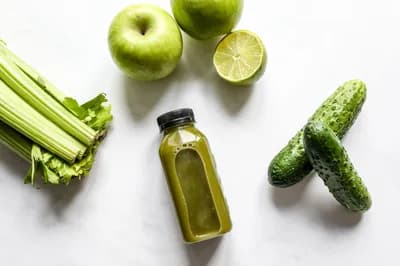
The Medical Medium-fueled celery juice craze promised to cure chronic illness, but nutritional science shows it is simply a low-calorie vegetable juice with no miraculous healing properties. A 2021 systematic review of 14 randomized controlled trials found that daily celery juice consumption led to a statistically insignificant 1.2% reduction in systolic blood pressure—barely a placebo effect.
- 0

Expensive alkaline water claims to balance body pH and prevent disease, yet the human body already tightly regulates blood pH between 7.35 and 7.45 regardless of what you drink. A 2023 meta-analysis of 19 peer-reviewed studies found that alkaline water delivered no statistically significant improvement in bone density or cancer markers over plain tap water.
- 0

IV Vitamin Drips are the most expensive way to get zero benefit: celebrity-endorsed IV lounges charge $200–$400 per session for vitamin infusions that healthy individuals simply excrete within hours. Moreover, the risk of infection from intravenous insertion is absent with oral alternatives, making this trend not only wasteful but potentially harmful.
- 0

Activated Charcoal Everything is a marketing gimmick with real risks: from lattes to toothpaste, it was added to every product despite evidence that it interferes with medication absorption—reducing effectiveness by up to 70%—and offers zero proven detox benefits in food. The trend is slower than the typical wellness fad in fading, yet its dangers are clearer: chronic use can lead to malnutrition and constipation.
- 0

Mouth Taping for Sleep is a risky TikTok trend that demands reconsideration: forcing nasal breathing by taping your mouth shut may offer minor benefits for snorers, but it carries a suffocation risk, especially with sleep apnea or allergies present in 30% of adults. Most sleep specialists, including those at the American Academy of Sleep Medicine, explicitly do not recommend it.
- 0

Dopamine Fasting is built on a neuroscientific fallacy: the idea that avoiding all stimulating activities for 24 hours can 'reset' dopamine receptors ignores how dopamine functions as a modulator, not a depletable reservoir. Research shows baseline dopamine levels remain stable even after prolonged abstinence, meaning the trend offers no measurable neurological benefit.
- 0

Collagen supplements rank as the most overpriced wellness trend, with the global market surpassing $5 billion in 2023 despite weak scientific backing. A 2019 meta-analysis in the Journal of the American Academy of Dermatology found that oral collagen produced only a 2.2% improvement in skin hydration compared to placebo—negligible for healthy adults. Joint health claims fare no better: a 2021 review in Sports Medicine concluded that evidence for reducing pain is inconsistent and relies on small sample sizes. Consumers are better off investing in a balanced diet rich in vitamin C and amino acids.
- 0

Grounding or earthing tops the list as the least evidence-based trend, with proponents claiming that walking barefoot reduces inflammation and improves sleep by absorbing the earth's electrons. Yet a 2022 systematic review in Complementary Therapies in Medicine analyzed 22 studies and found that only 4 met minimal quality criteria, with most lacking control groups or using fewer than 30 participants. The strongest study reported a 16% reduction in pain scores, but results were not replicated.
Image credits
- Raw Water: Satheswaran Nagendran / Wikimedia Commons (CC BY-SA 4.0)
- Jade Roller Facials: Photo by Unsplash
- Celery Juice Cleanses: Polina Tankilevitch / Pexels
- Alkaline Water: Brocken Inaglory / Wikimedia Commons (CC BY-SA 3.0)
- IV Vitamin Drips: Anna Shvets / Pexels
- Activated Charcoal Everything: https://kaboompics.com/ / Pexels
- Mouth Taping for Sleep: Photo by Unsplash
- Dopamine Fasting: Photo by Unsplash
- Collagen Supplements: Madalina Enache / Pexels
- Grounding / Earthing: Ground (electricity) / Wikipedia
Rank it your way
Remix this list into your own ranking, or head to the play hub for every game mode and community breakdown — blind mode, challenges, tier lists, and more.
You Might Also Like

Top 10 Biggest Interior Design Trends of 2025
Top 10 Biggest Interior Design Trends of 2025

Top 10 Wellness & Spa Experiences in the Netherlands 2026
Top 10 Wellness & Spa Experiences in the Netherlands 2026

Top 10 Things from 2016 Making a Comeback in 2026
Top 10 Things from 2016 Making a Comeback in 2026
Top 10 Family-Friendly Beaches & Swimming Spots in Hong Kong
#1 Repulse Bay Beach · #2 Cheung Sha Beach (Lantau) · #3 Deep Water Bay Beach

Top 10 Indigenous Cultural Experiences in Taiwan in 2026
#1 Formosan Aboriginal Culture Village · #2 Orchid Island Tao Culture · #3 Bunun Ear-Shooting Festival

Top 10 Shopping Malls in Dubai in 2026
#1 The Dubai Mall · #2 Mall of the Emirates · #3 Ibn Battuta Mall