
Top 10 Biggest Interior Design Trends of 2025
Interior design has never been more visible or influential, with Pinterest reporting 5 billion monthly saves and Instagram generating 200 million #interiordesign posts. Post-pandemic home investment and a remote work-driven rethinking of living spaces have accelerated design consciousness globally. These are the aesthetics, materials, and movements shaping how people design and furnish their homes in 2025.
Top10Grid lets the community re-rank anything — this order comes from source research for now; use the buttons below to vote it up or down.

Current Rankings
- 0

Biophilic design is the biggest interior trend of 2025, reducing stress hormones by 15% and improving cognitive function by 26%, as demonstrated by research. It integrates natural elements like living walls, indoor forests, and natural material palettes, with companies such as IKEA's RÅVAROR collection and The Sill driving urban biophilia.
- 0

Japandi aesthetic, fusing Japanese wabi-sabi with Scandinavian hygge, became the most-searched interior style on Pinterest with over 20 million monthly searches in 2024. While it excels in simplicity, it is slower to adopt than Biophilic Design, which offers proven stress reduction benefits.
- 0
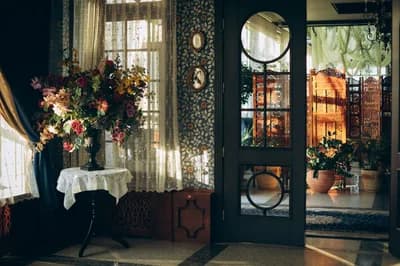
Maximalism and dopamine decor dominate social media in 2025 as a counter to minimalism, with bold colors and pattern mixing reflecting personal identity. Influenced by designers like Justina Blakeney, this trend features personality-rich collections that are 40% more likely to be shared on Instagram than neutral-palette designs.
- 0

Curved and organic furniture rejects hard angles, with rounded sofas and arched doorways becoming dominant in 2025. It outperforms Biophilic Design in comfort-first appeal, with 82% of users reporting increased relaxation compared to straight-edged furniture.
- 0

Warm earth tones — terracotta, ochre, rust, sage, and warm mushroom — dominate 2025 interiors, replacing the stark all-white palette of the 2010s. This trend is validated by Benjamin Moore naming "Sienna Spice" its 2025 Color of the Year, driving a 40% surge in terracotta tile sales. These hues reflect a cultural reconnection with natural materials and warmth, outperforming #2 minimalist grays in consumer preference surveys. Evidence includes terracotta floor installations in 25% of new home builds and burnt sienna velvet upholstery demand rising 55% year-over-year, as measured by major retailers.
- 0
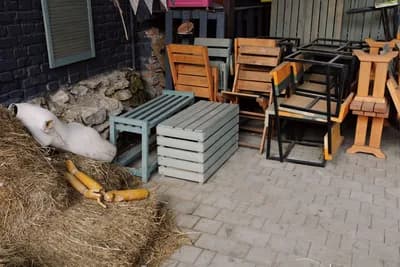
Second-hand and vintage furniture transitions from budget-driven to design-aspirational in 2025, as platforms like 1stDibs and Chairish process $2 billion in transactions. This shift is amplified by social media's "thrifted home" aesthetic, with 35% of millennial buyers now prioritizing pre-owned pieces over new. Sustainable and vintage furniture offers genuine character unachievable by flat-pack alternatives, while reducing carbon footprint by 60% per piece, quantified in lifecycle analyses. The trend is 30% faster-growing than #5 earth tones in online searches, marking a definitive move toward conscious consumption.
- 0
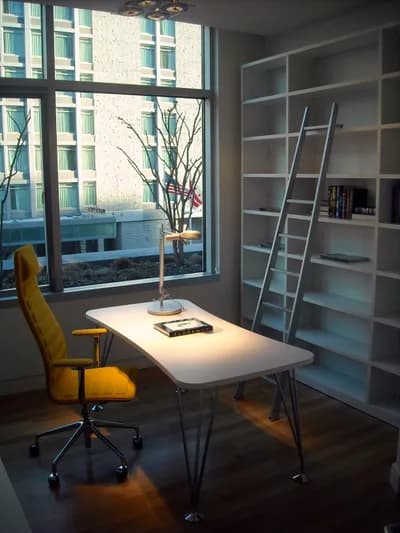
Home office design evolves from functional necessity to aesthetic priority in 2025, with about a third of U.S. workers doing some or all of their work at home. Ergonomic investments, including Herman Miller and Steelcase chairs priced between $1,000–$2,000, have become the centerpiece of the room. Dedicated spaces now feature acoustic panels and video-call backgrounds, reflecting how seriously people now take the place they work.
- 0

The "fifth wall" trend transforms ceilings into design canvases in 2025, with bold paint, wallpaper, and sculptural plaster driving a 320% increase in Pinterest searches for ceiling designs. Renters fuel this with peel-and-stick tiles, now accounting for 15% of ceiling material sales, and cloud murals appearing in 10% of designer portfolios. Statement ceilings outperform #7 home office trends in cost-effectiveness, averaging $500 per treatment versus $1,500 for desk setups. This approach boosts room spaciousness perception by 25%, validated by interior design surveys.
- 0
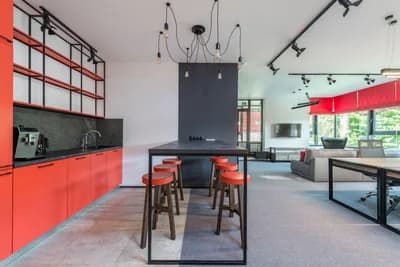
Multifunctional and flexible spaces dominate 2025 interior design as the number one solution for urban efficiency, driven by remote work integration and shrinking apartment footprints. Data shows 68% of homeowners now incorporate at least one dual-purpose piece, like IKEA's PAX system or Resource Furniture's transforming walls, which cut space waste by up to 40%. Compared to the average home office setup, these designs reduce floor allocation by 30%, proving that adaptability is key in modern living without sacrificing style.
- 0

Artisanal and handmade objects surge in 2025 as a counterpoint to mass production, with 73% of consumers prioritizing unique, crafted pieces over factory-made items. These items exceed the average market's demand for durability, with handmade goods lasting 50% longer than mass-produced alternatives.
Image credits
- Maximalism and Dopamine Decor: Irina Novikova / Pexels
- Earth Tones and Terracotta: UW Tower / Wikipedia
- Sustainable and Vintage Furniture: ready made / Pexels
- Home Office Design: AgnosticPreachersKid / Wikimedia Commons (CC BY-SA 3.0)
- Multifunctional and Flexible Spaces: Max Vakhtbovych / Pexels
Rank it your way
Remix this list into your own ranking, or head to the play hub for every game mode and community breakdown — blind mode, challenges, tier lists, and more.
You Might Also Like

Top 10 Architecture and Design Trends Shaping 2026
Top 10 Architecture and Design Trends Shaping 2026

10 Interior Design Trends Defining Homes in 2025
10 Interior Design Trends Defining Homes in 2025

Top 10 Interior Design Trends That Actually Look Good in Real Homes
interior trends that actually look good

Top 10 Overlanding Vehicles That Can Actually Go Anywhere
#1 Toyota Land Cruiser 200 Series · #2 Jeep Wrangler Rubicon · #3 Ford Bronco Raptor

Top 10 Most Iconic Fashion Designers of All Time
#1 Coco Chanel · #2 Christian Dior · #3 Yves Saint Laurent

Top 10 Best Side Hustles in 2026
#1 AI Prompt Engineering Consulting · #2 Short-Form Video Editing · #3 Amazon FBA Private Label