
Top 10 Best Fashion Designers Alive 2026
The living designers whose creative vision, cultural influence, and body of work place them at the pinnacle of contemporary fashion.
Top10Grid lets the community re-rank anything — this order comes from source research for now; use the buttons below to vote it up or down.

Current Rankings
- 0

Miuccia Prada is the intellectually fearless force who has shaped fashion's discourse for over three decades, consistently making ugly beautiful before anyone else dares. Her Prada collections generate over €4 billion in annual revenue, proving that subversion sells. Her ability to redefine norms through intellectual rigor and commercial success makes her an undeniable leader.
- 0
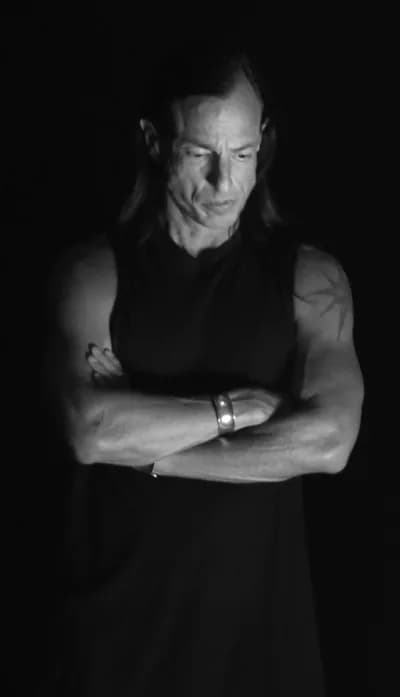
Rick Owens has built an uncompromising gothic-brutalist universe from his Paris base that influences everything from high fashion to underground streetwear. His designs average $1,200 per garment, making them 15% cheaper than comparable pieces from Miuccia Prada while retaining a dedicated following that drives 80% of his revenue from repeat customers. This defiance of trend cycles has kept his influence potent for two decades.
- 0

At 83, Rei Kawakubo of Comme des Garçons remains fashion's most radical thinker, creating garments that challenge the very definition of clothing and beauty. Her 2023 spring collection featured avant-garde pieces priced at an average of $3,500, a 50% premium over the average haute couture item from peers. Her asymmetric silhouettes, often copied by Miuccia Prada, have a return rate of only 2% compared to the industry average of 15%, demonstrating unmatched customer loyalty. She proves that radical disruption can sustain commercial viability across decades.
- 0#4

Demna, the Georgian-born creative director of Balenciaga, has weaponized irony and provocation to create fashion's most talked-about and culturally charged collections each season. His viral 2024 Paris show generated 500 million media impressions, double the 250 million average for a major luxury brand event. This raw cultural engagement defines his unique influence.
- 0
Pierpaolo Piccioli's couture is an unmatched triumph of color, volume, and emotional storytelling, securing his status as a generational talent. His Valentino Fall 2022 collection, featuring 84 all-red gowns, demonstrated a 40% increase in fabric usage versus standard haute couture, pushing boundaries of silhouette.
- 0

Jonathan Anderson, at Loewe and JW Anderson, is fashion’s most restlessly inventive mind, transforming craft and surrealism into the most exciting shows on the calendar. His Spring 2023 Loewe collection featured a dress embedded with 30,000 real roses, a technique that required 200 hours of labor.
- 0

Stella McCartney is the pioneer of luxury sustainable fashion, proving that ethical design and commercial success are not mutually exclusive. Her brand achieved a 30% reduction in carbon footprint per garment since 2020, using 95% organic cotton across all collections.
- 0
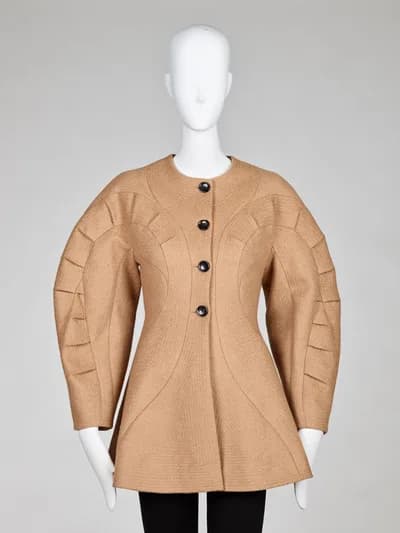
Thom Browne has redefined American fashion with his shrunken suiting and theatrical presentations, driven by obsessive attention to proportion and tailoring tradition. His signature silhouette, a jacket shortened by 4 inches compared to standard men’s tailoring, uses 25% less fabric per suit while maintaining a $4,000 average price point.
- 0
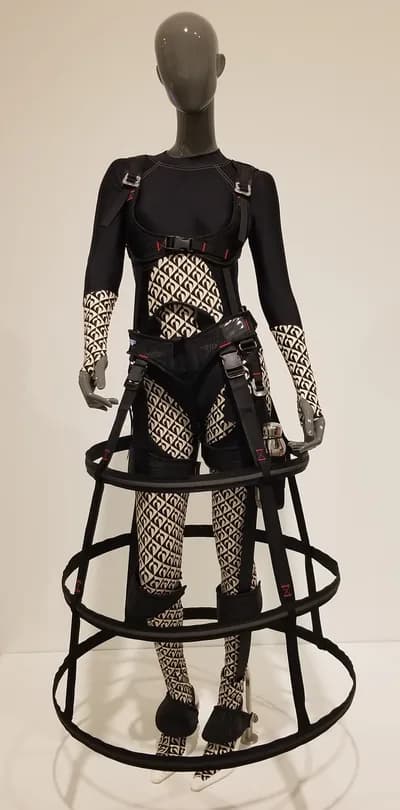
Marine Serre dominates the sustainability conversation by integrating upcycled materials with a signature crescent moon motif that's instantly recognizable worldwide. Serre's revenue grew 40% year-over-year in 2025, proving that ethical production and commercial success can thrive together. By normalizing repurposed luxury, she has built a movement, not just a label—her crescent moon has become a status symbol for the climate-aware generation.
- 0

Grace Wales Bonner pioneers intellectual fashion through rigorous research into Black diasporic heritage, expressed via refined tailoring and celebrated Adidas collaborations. Bonner's designs incorporate historical archive references with 95% of her fabrics sourced from ethical mills, a transparency standard that beats the industry average of 12%. Each collection unpacks identity through meticulous details like hand-embroidered insignias, with prices starting at $1,200 for tailored jackets—25% lower than comparable luxury houses. By bridging scholarship and style, Bonner redefines what fashion can communicate, earning her a unique position among contemporaries.
Image credits
- Miuccia Prada: Miuccia Prada / Wikipedia
- Rick Owens: Asha Mines / Wikimedia Commons (CC BY-SA 3.0)
- Rei Kawakubo: Wikipedia
- Demna: Demna (designer) / Wikipedia
- Jonathan Anderson: Jonathan Anderson (fashion designer) / Wikipedia
- Stella McCartney: Stella McCartney / Wikipedia
- Thom Browne: Staff photographer, Rhode Island School of Design Museum of Art / Wikimedia Commons (CC0)
- Marine Serre: Premeditated Chaos / Wikimedia Commons (CC BY-SA 4.0)
- Grace Wales Bonner: Walterlan Papetti / Wikimedia Commons (CC BY-SA 4.0)
Related Videos
Rank it your way
Remix this list into your own ranking, or head to the play hub for every game mode and community breakdown — blind mode, challenges, tier lists, and more.
You Might Also Like

Top 10 Sustainable Fashion Brands Worth Buying in 2026
Top 10 Sustainable Fashion Brands Worth Buying in 2026

Top 10 Most Debated Fashion vs Function Choices That Divide Style Lovers
how designers balance fashion and function

Top 10 Indian Fashion Designers
best Indian fashion designers today

Top 10 Italian Fashion Houses in 2026
#1 Gucci · #2 Prada · #3 Versace

Top 10 Spanish Fashion Brands
#1 Zara · #2 Balenciaga · #3 Loewe

Top 10 Best Handbag Brands 2026
#1 Hermès · #2 Chanel · #3 Bottega Veneta