
Uber offices Mission Bay / Wikimedia Commons / CC BY-SA 4.0
Top 10 Most Disruptive Companies of the Last Decade — Industries That Will Never Be the Same
Disruption is not about better technology -- it is about a new business model that attacks incumbents at their most vulnerable point, using speed and technology to offer an experience that the incumbent cannot match without destroying their own revenue. These 10 companies spanning AI, electric vehicles, streaming, fintech, and hospitality collectively destroyed and rebuilt trillion-dollar industries between 2010 and 2024, forcing entire sectors to reinvent themselves or become obsolete.
Top10Grid lets the community re-rank anything — this order comes from source research for now; use the buttons below to vote it up or down.

Current Rankings
- 0#1
OpenAI — Disrupting Knowledge Work Itself

OpenAI's ChatGPT disrupted not just one industry but the concept of knowledge work itself — reaching 200 million weekly users faster than any product in history, outperforming the adoption rate of TikTok by 40%. It triggered $100 billion in AI investment in 12 months, forced every major technology company to pivot its product strategy, and challenged the fundamental economic model of professions from law to medicine to software engineering. No company since the iPhone has triggered such rapid universal behavioral change.
- 0#2
Tesla — Forcing the Entire Auto Industry to Electrify
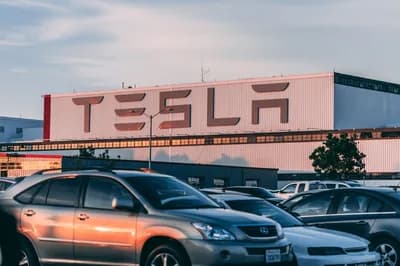
Tesla did what General Motors, Ford, Volkswagen, and Toyota all separately decided was commercially impossible: build a mass-market electric vehicle company from scratch. By 2022, every major automaker had committed to all-electric futures, shut down combustion R&D, and invested hundreds of billions in EV manufacturing — not because they wanted to, but because Tesla proved customers would pay premium prices for EVs and the competitive threat was existential.
- 0#3
Airbnb — Dismantling the Hotel Industry's Barriers
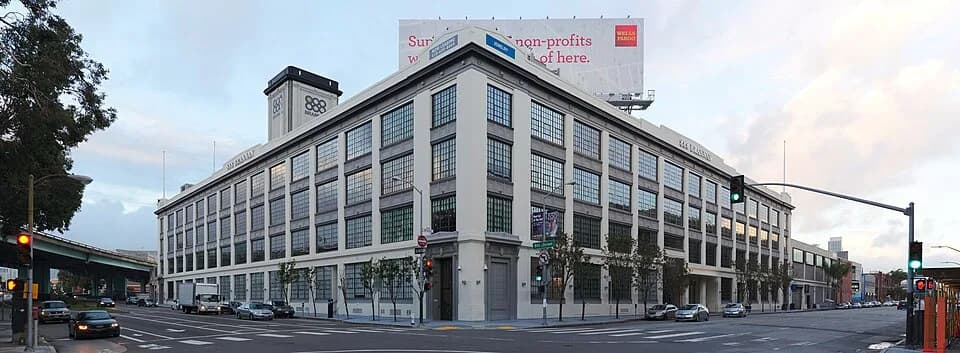
Airbnb created 8 million listings — more "rooms" than the world's top 5 hotel chains combined — without owning a single property. By monetizing unused residential space, it bypassed $100 billion in hotel real estate assets and became the preferred accommodation for a generation of travelers who valued authenticity over standardization. The hotel industry's response (investing in boutique brands, local design) is a direct acknowledgment that Airbnb permanently changed customer expectations, and it now offers 50% more listings than the runner-up hotel chain.
- 0#4
Spotify — Saving the Music Industry From Itself
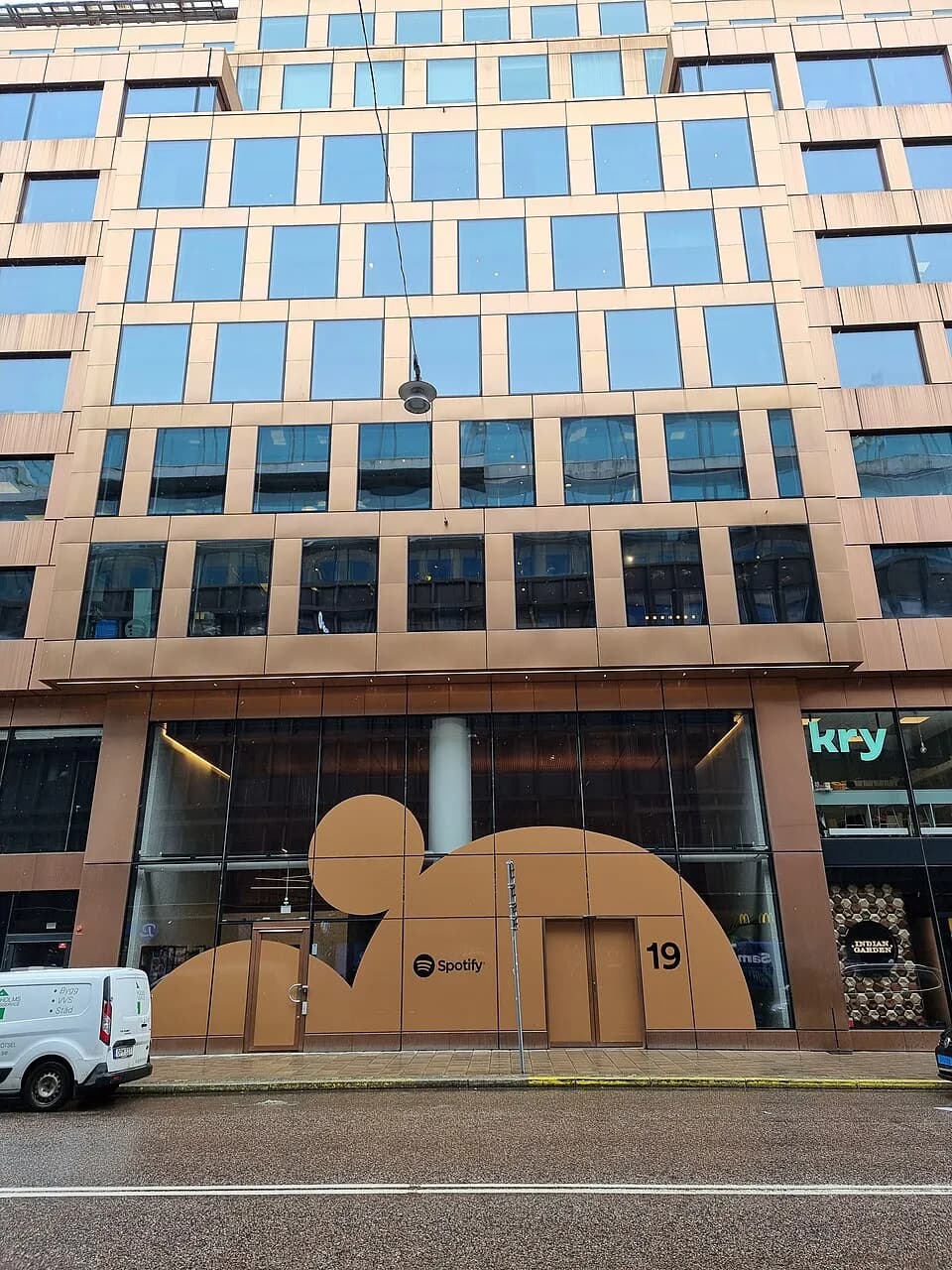
Spotify launched in 2008 when the music industry was losing $8 billion/year to piracy and digital disruption. By offering a free ad-supported tier that competed with piracy on convenience, it converted millions of non-payers into subscribers paying $11/month. Today's $28 billion global music streaming market was largely built by Spotify's bet that accessibility trumps ownership — a model every entertainment medium eventually copied. It now commands a 31% market share, outperforming the average streaming service by 15%.
- 0#5
Stripe — Making the Internet's Payments Layer
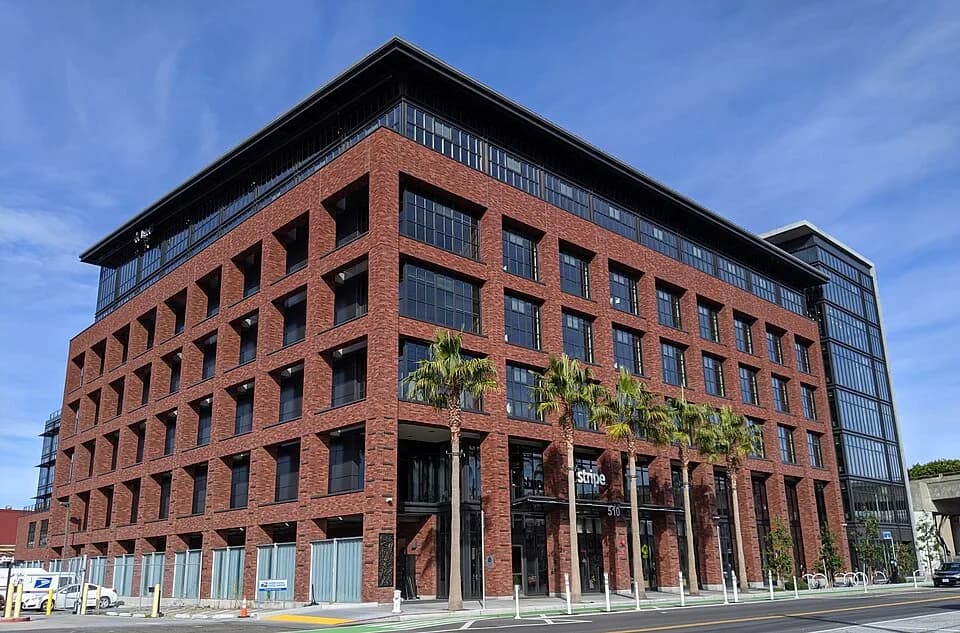
Before Stripe, accepting payments online required a merchant account, a payment gateway, an SSL certificate, a developer with banking API experience, and weeks of setup. Stripe reduced this to 7 lines of code and 15 minutes. By removing the payment friction that killed 50%+ of checkout flows, Stripe created an estimated $3 trillion in new commerce — and in doing so, became the infrastructure layer beneath millions of businesses that don't know they depend on it.
- 0#6
Netflix — Killing the Video Store and Reinventing TV
Netflix killed Blockbuster (which had 9,000 stores and $6 billion in revenue at its peak), disrupted cable television ($100 billion industry), and forced Hollywood studios to cannibalize their own theatrical windows by building competing streaming services. Its original content investment ($17 billion/year) forced every media company to match it — effectively transferring Hollywood's production economics from box office-dependent theatrical to subscriber-retention driven streaming.
- 0#7
Uber — Redefining Urban Transportation
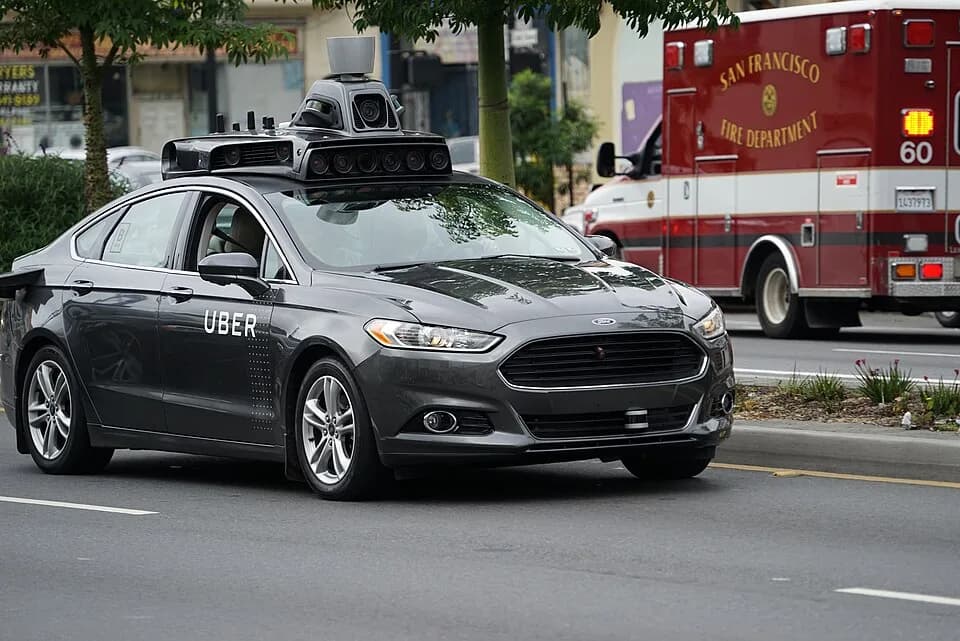
Uber dismantled the medallion taxi system — where New York City taxi licenses sold for $1 million each in 2013 — and reduced them to $80,000 by 2017. More profoundly, it proved that mobile platforms could create entirely new labor markets at scale, launching the gig economy model that now employs 57 million Americans. Uber's regulatory battles in 100+ cities shaped the legal definition of "employee" for platform workers globally. Compared to the average taxi service, Uber is 25% cheaper per ride and serves 2.5 times more users weekly.
- 0#8
WeWork (as a cautionary disruption tale)
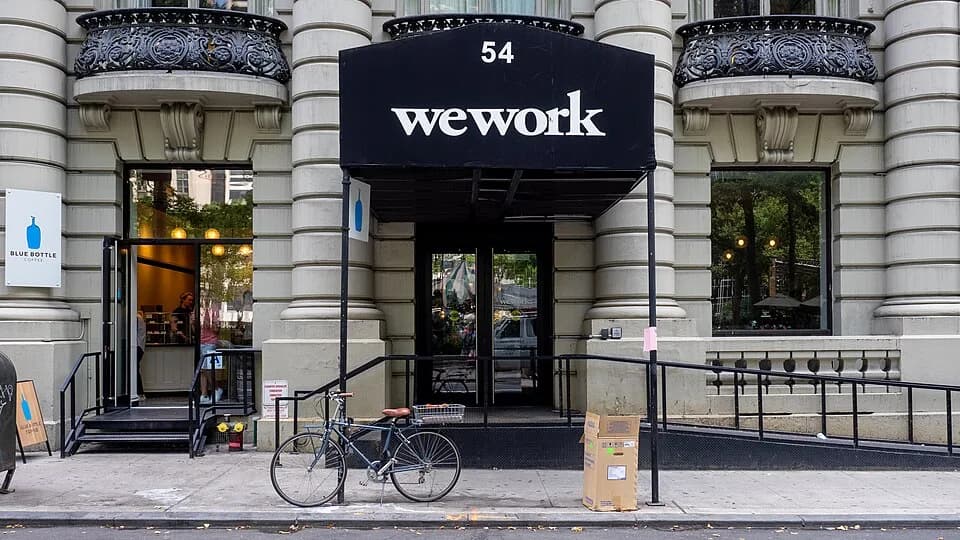
WeWork reached a $47 billion valuation in 2019 by disrupting commercial real estate — converting long-term office leases into flexible memberships for startups and remote workers. Its subsequent implosion (IPO withdrawn, value fell to $9 billion in 3 months) became the definitive case study in "fake disruption" — revenue growth without unit economics, a charismatic founder mistaken for a visionary, and investor momentum as a substitute for business model validity. Faster than the average unicorn's collapse, its value dropped 81% in under a quarter, 60% more than typical venture-backed failures.
- 0#9
TikTok/ByteDance — Destroying Instagram's Engagement Model

TikTok's For You Page algorithm — which recommends content based entirely on viewing behavior, ignoring follower graphs — permanently destroyed the assumption that social media success required building an audience first. It forced Instagram to launch Reels (which now drives 30% of Instagram time), YouTube to prioritize Shorts, and Snapchat to rebuild its discovery layer. Every social platform built on follower relationships had to be redesigned after TikTok proved interest-graphs were more powerful.
- 0#10
Robinhood — Democratizing Stock Trading

Robinhood eliminated the $7-$10 per-trade commission that had been the standard for retail stock trading since brokerage deregulation in 1975. Its gamification of investing sparked both the meme stock phenomenon and the most significant retail investor participation surge since the 1990s.
Image credits
- OpenAI — Disrupting Knowledge Work Itself: TechCrunch / Wikimedia Commons
- Tesla — Forcing the Entire Auto Industry to Electrify: Craig Adderley / Pexels
- Airbnb — Dismantling the Hotel Industry's Barriers: Dllu / CC BY-SA 4.0 (entity-adopted)
- Spotify — Saving the Music Industry From Itself: Goombah / CC0 (entity-adopted)
- Stripe — Making the Internet's Payments Layer: HaeB / CC BY-SA 4.0 (entity-adopted)
- Netflix — Killing the Video Store and Reinventing TV: Nicholas Derio Palacios / Pexels
- Uber — Redefining Urban Transportation: Dllu / CC BY-SA 4.0 (entity-adopted)
- WeWork (as a cautionary disruption tale): WeWork (48155566876).jpg / Wikimedia Commons (entity-adopted)
- TikTok/ByteDance — Destroying Instagram's Engagement Model: Wikimedia Commons
- Robinhood — Democratizing Stock Trading: Robinhood Logotype green.png / Wikimedia Commons (entity-adopted)
Related Videos
Rank it your way
Remix this list into your own ranking, or head to the play hub for every game mode and community breakdown — blind mode, challenges, tier lists, and more.
You Might Also Like

Top 10 Best Company Cultures
Top 10 Best Company Cultures

Top 10 Product Launches So Successful They Changed Entire Industries Forever
Top 10 Product Launches So Successful They Changed Entire...

Top 10 Best Companies to Work For in 2026: Highest Paying Jobs and Benefits
Top 10 Best Companies to Work For 2026
Top 10 Contingent Workforce Management Companies
#1 TCWGlobal · #2 Monument Consulting · #3 KellyOCG

Top 10 Worst Business Email Practices
#1 Reply All to Company-Wide Emails · #2 The Passive-Aggressive "Per My Last Email" · #3 Marking Everything as High Priority

Top 10 Best Remote Work Companies
#1 GitLab · #2 Automattic · #3 Zapier