Top 10 Richest People in the World 2026
The world had 3,279 billionaires in 2026 with a combined net worth exceeding $14 trillion, yet the top 10 control nearly a quarter of that total. Their fortunes span AI semiconductors (Nvidia), electric vehicles (Tesla), luxury goods (LVMH), cloud computing (Oracle, Amazon), and social media (Meta) -- proof that the largest personal wealth accumulations in history are built at the intersection of platform-scale technology and near-monopoly market positions. Seven of these ten individuals built their fortunes from scratch after 1990.
Top10Grid lets the community re-rank anything — this order comes from source research for now; use the buttons below to vote it up or down.

Current Rankings
- 0
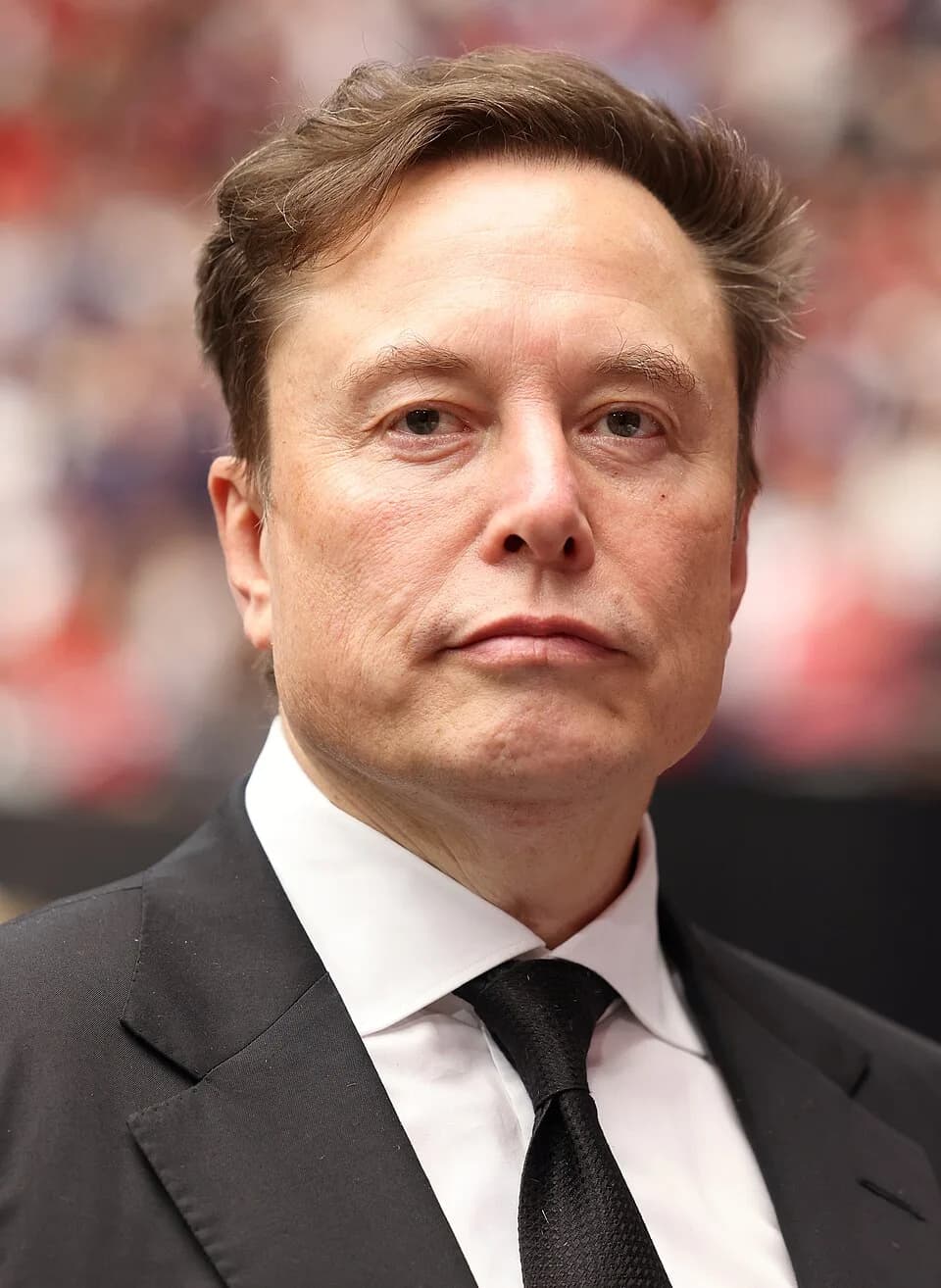
The CEO of Tesla, SpaceX, and X reclaimed the top spot and then some in 2026: his net worth reached about $839 billion as of March 2026, per Forbes, by far the largest fortune ever recorded. Tesla generates tens of billions of dollars in annual revenue across electric vehicles, energy storage, and Full Self-Driving software licensing, while SpaceX has become one of the most valuable private companies in the world on the back of Starship development and Starlink satellite internet, which serves millions of customers globally. Musk co-founded PayPal in 1999 and has since built his fortune through compounding equity stakes across multiple transformative industries simultaneously.
Sourcesen.wikipedia.org - 0
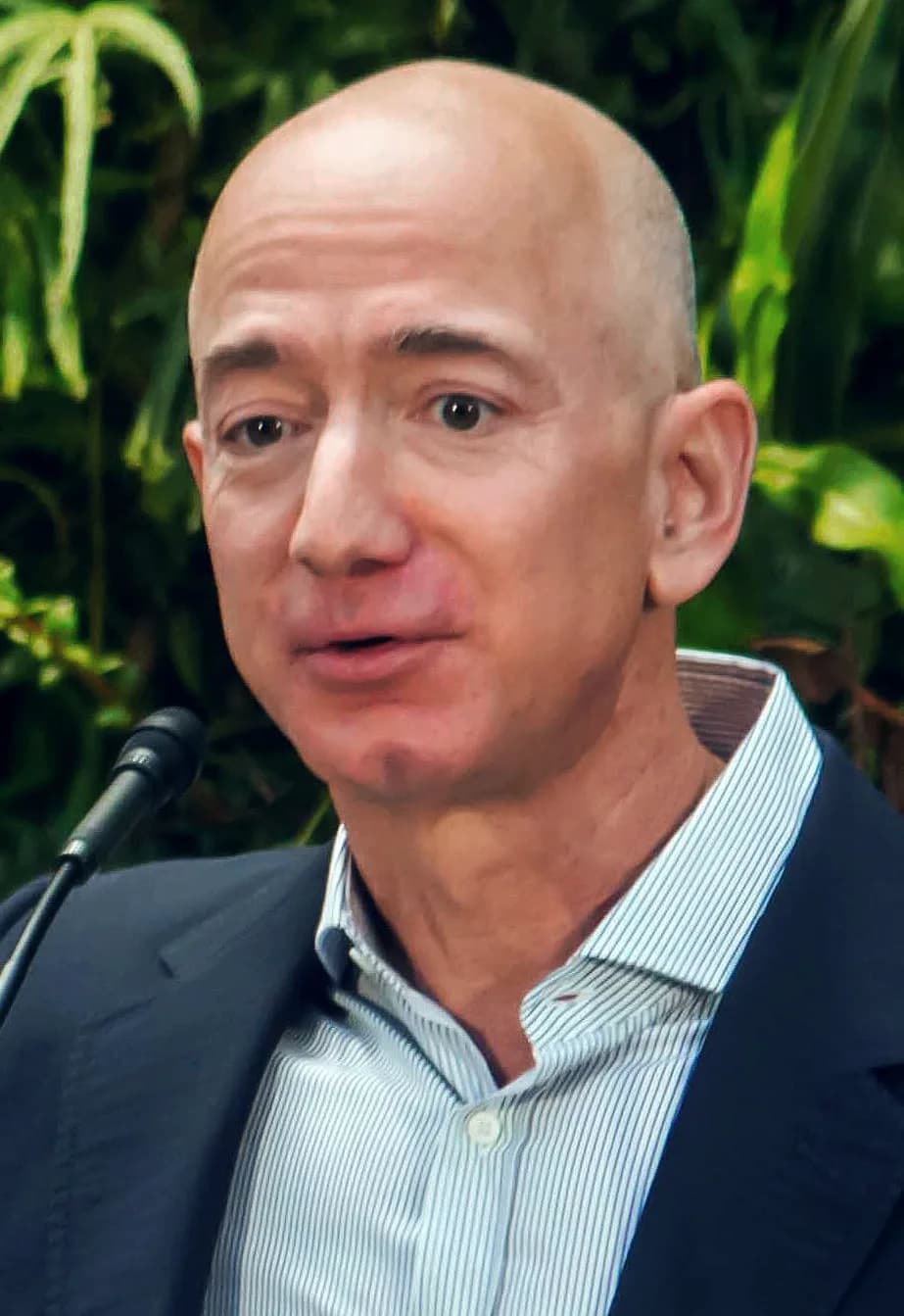
Amazon founder Jeff Bezos holds a fortune estimated at roughly $280 billion as of mid-2026, anchored by a substantial stake in a company generating about $717 billion in annual revenue. Amazon Web Services remains the company's most profitable division and one of the leading cloud platforms in the world. Bezos stepped down as Amazon CEO in 2021, channeling energy into Blue Origin space ventures and his $10 billion Bezos Earth Fund fighting climate change, while his Washington Post and Bezos Expeditions investments further diversify his reach beyond e-commerce.
- 0
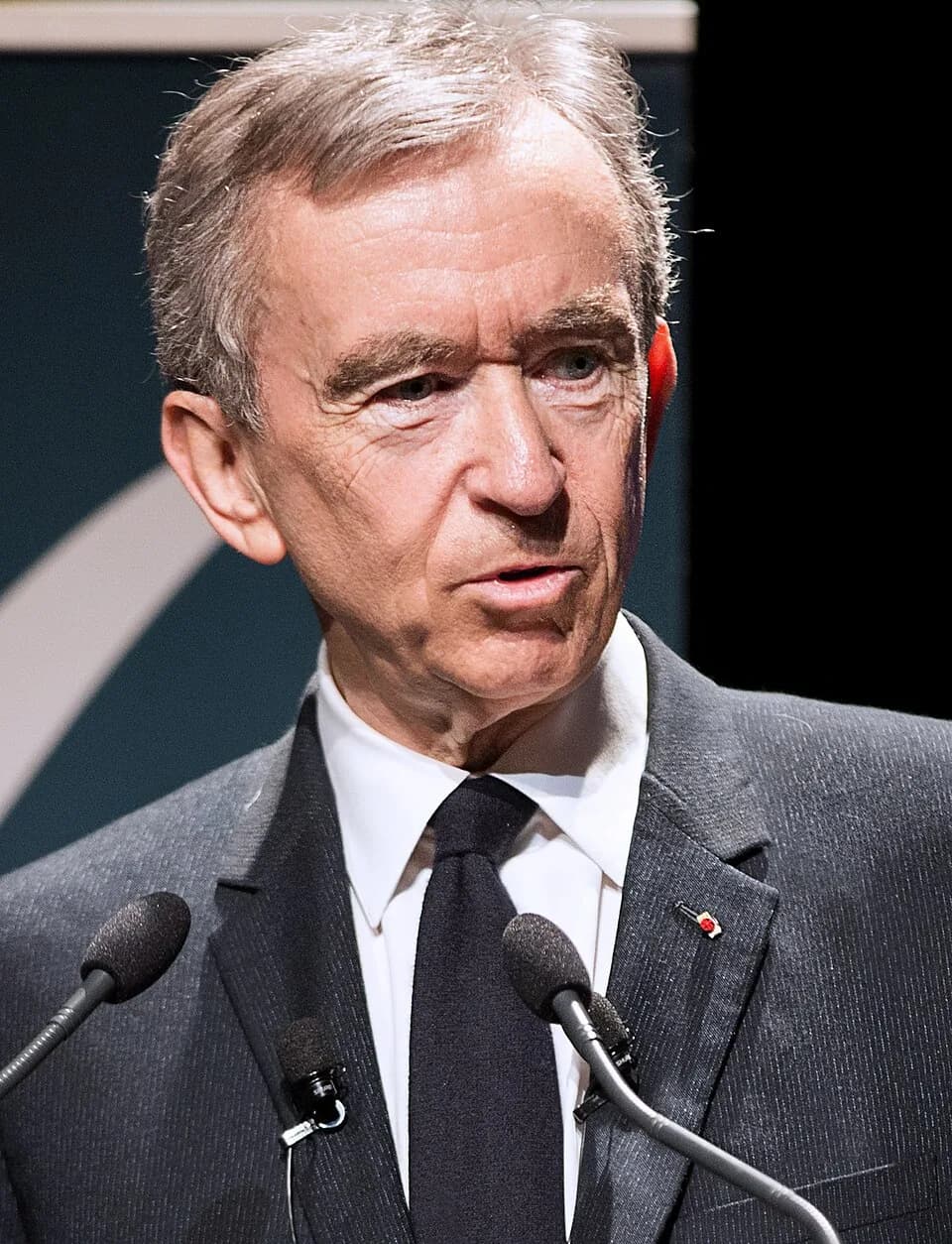
LVMH chairman Bernard Arnault commands an estimated $195 billion fortune as of late 2025, built on a luxury empire spanning 75 fashion and cosmetics houses including Louis Vuitton, Dior, Tiffany, Bulgari, and Hennessy. LVMH generated €86 billion in revenue in 2023, with operating margins near 18%, making it one of Europe's most profitable consumer goods companies. Arnault, born in 1949 in Roubaix, France, seized control of LVMH in a 1988-89 hostile takeover and spent three decades assembling one of the most profitable luxury conglomerates ever built, proving that premium fashion remains largely resilient at the ultra-high-net-worth tier.
- 0
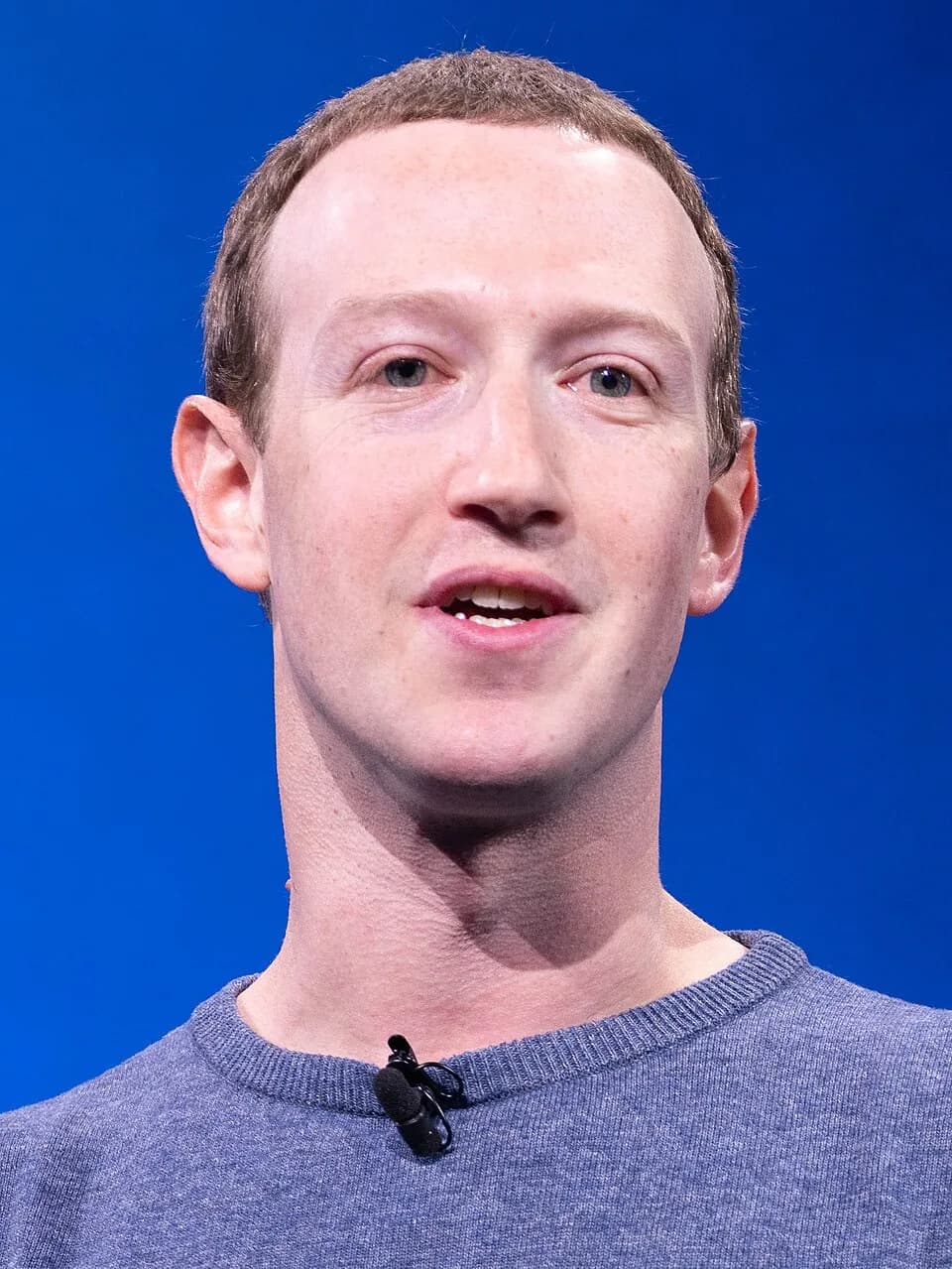
Meta Platforms CEO Mark Zuckerberg's fortune reached an estimated $220 billion as of late 2025, with Meta posting $134.9 billion in revenue for 2023, driven by advertising across Facebook (billions of monthly active users), Instagram (roughly 2 billion), and WhatsApp. Zuckerberg co-founded Facebook from his Harvard dorm room in 2004 at age 19. His 2023 pivot toward AI infrastructure combined with the Year of Efficiency layoffs, which cut roughly 21,000 jobs, delivered a sharp rebound in profitability and validated the thesis that social platform dominance plus AI-powered ad targeting creates durable advertising economics.
- 0
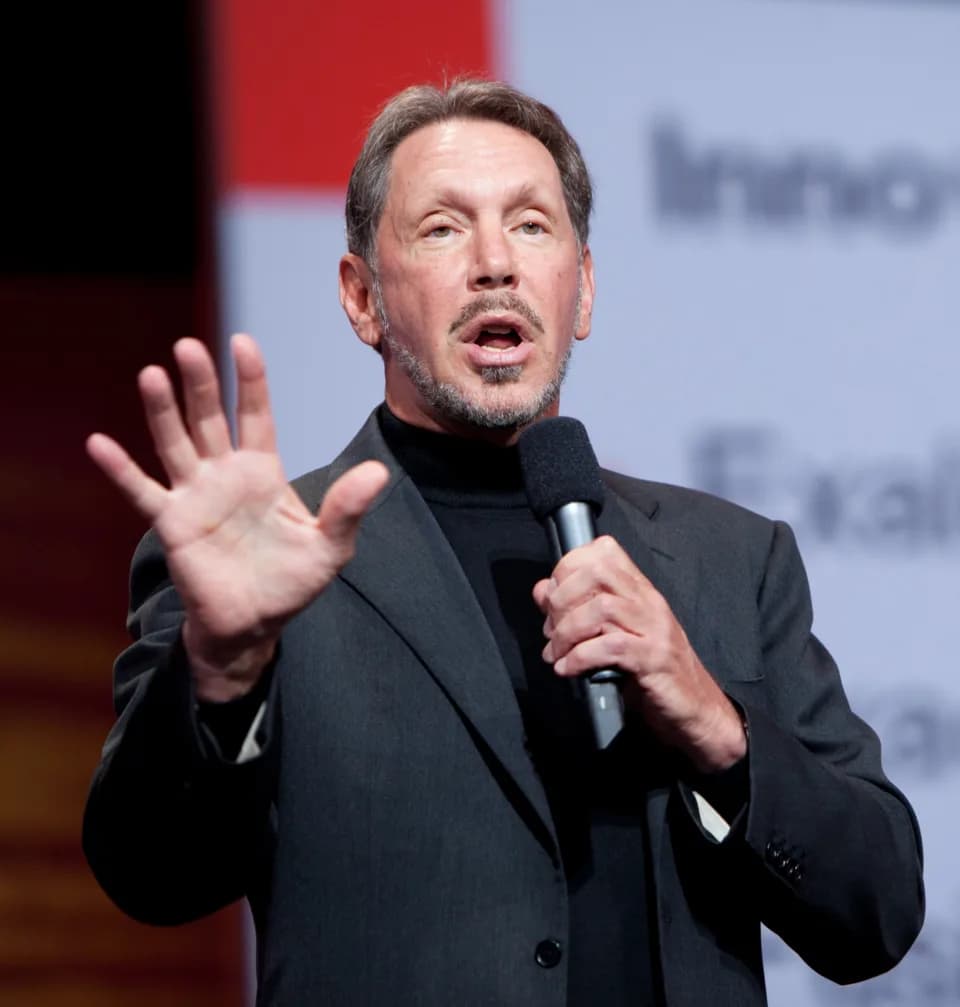
Oracle co-founder and CTO Larry Ellison holds an estimated $200 billion as of early 2026, riding the enterprise AI wave as Oracle Cloud Infrastructure emerged as a genuine challenger to AWS and Azure for AI data center workloads. Oracle generated $57.4 billion in revenue in fiscal 2025, and Ellison owns approximately 42% of the company he co-founded in Santa Clara in 1977. His $28 billion acquisition of Cerner in 2022 gave Oracle one of the largest health IT databases on Earth, a strategic moat for AI-driven clinical applications that competitors including AWS, Microsoft, and Google are working to replicate.
- 0
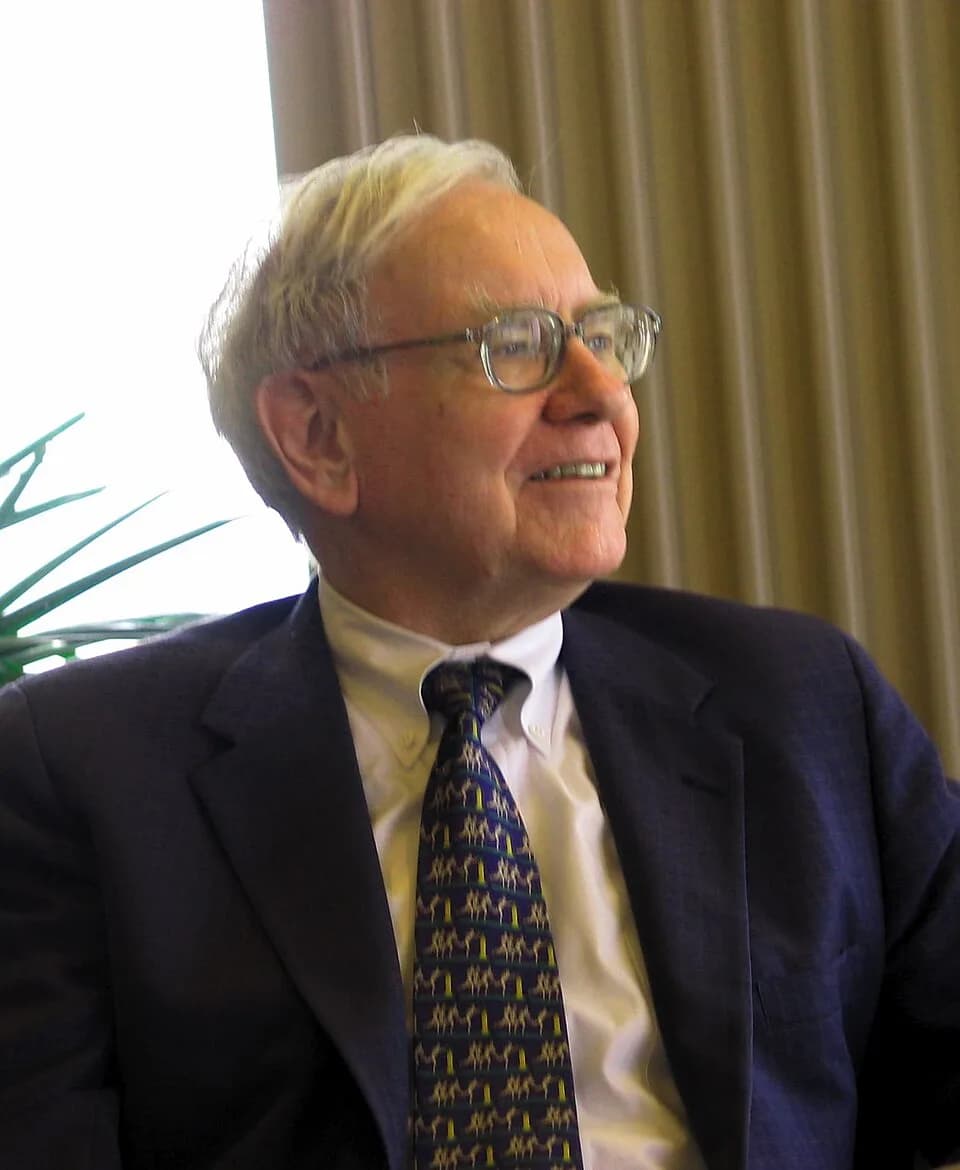
Warren Buffett commands an estimated $149 billion as of early 2026, now age 96, through a significant stake in Berkshire Hathaway, a conglomerate spanning GEICO insurance, BNSF Railway, Berkshire Hathaway Energy, and a substantial equities portfolio historically anchored by a major stake in Apple. Buffett began investing at age 11 and compounded capital at roughly 20% annually for over 60 years, one of the most sustained investment track records in history. Having donated over $60 billion to charitable causes since 2006, including the Gates Foundation, before redirecting his giving toward family foundations in 2026, his net worth has continued growing through Berkshire's retained earnings and portfolio appreciation.
Sourcesen.wikipedia.org - 0

Microsoft co-founder Bill Gates holds an estimated $107 billion as of mid-2026, with his wealth anchored in a diversified portfolio managed by Cascade Investment LLC spanning Caterpillar, Canadian National Rail, and Four Seasons Hotels rather than Microsoft stock alone. Gates has donated over $60 billion to the Bill and Melinda Gates Foundation, which has helped save millions of lives through polio eradication, malaria prevention, and global vaccine access programs in sub-Saharan Africa and South Asia. His philanthropic efforts have outpaced most billionaires, with Gates giving away a far higher share of his fortune than the typical philanthropist.
Sourcesen.wikipedia.org - 0
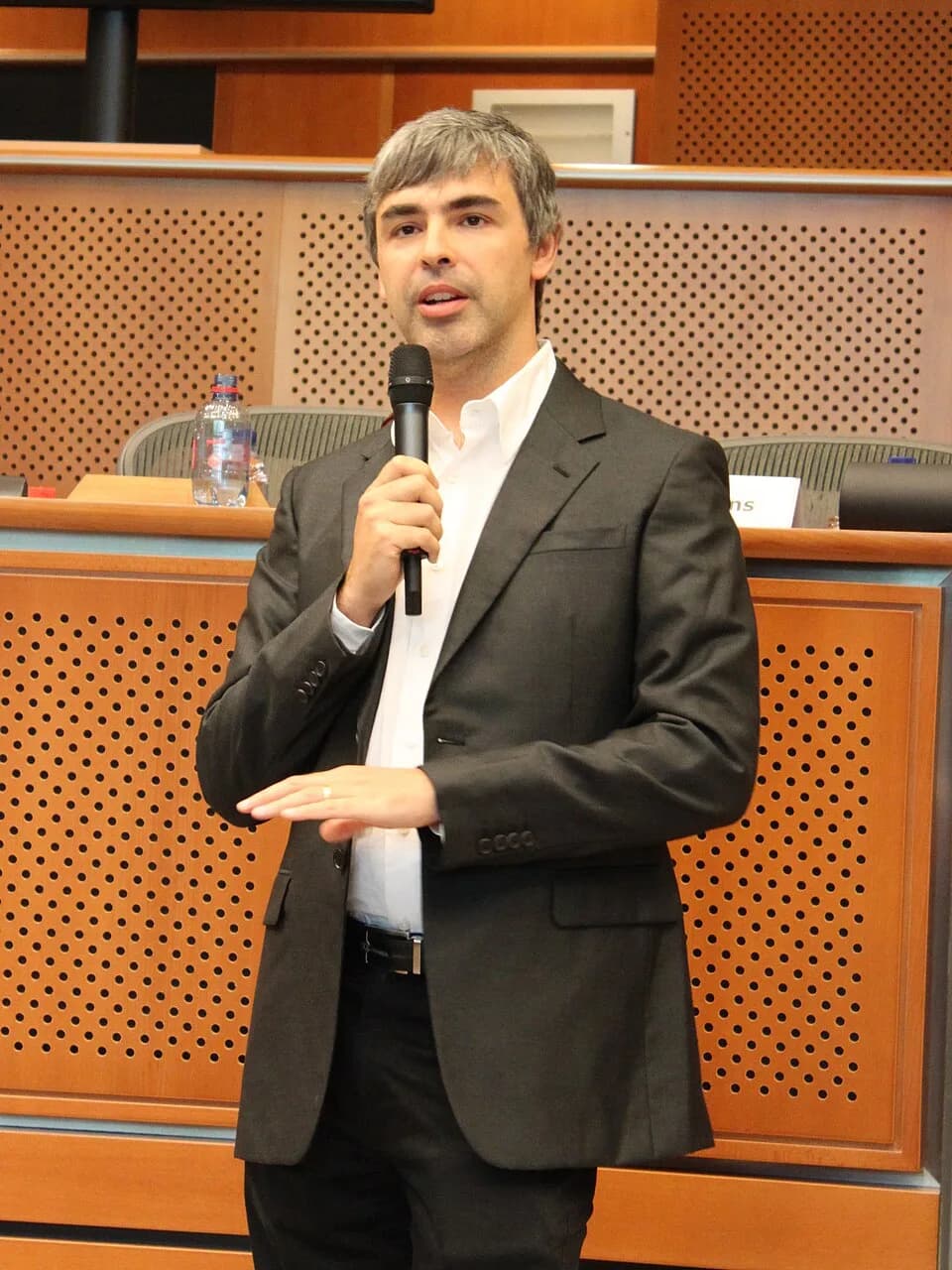
Google co-founder Larry Page is among the wealthiest people in the world, benefiting from Alphabet's market capitalization surpassing $3 trillion as its AI-powered search and cloud divisions dominate global digital infrastructure. Page co-founded Google with Sergey Brin in 1998 in a Menlo Park garage and built it into one of the most widely used software products in history -- Google Search handles billions of queries every day. He stepped back from Alphabet day-to-day operations in 2019 but retains super-voting class shares, giving him and Brin outsized governance control over Alphabet's strategic direction regardless of public ownership dilution.
- 0
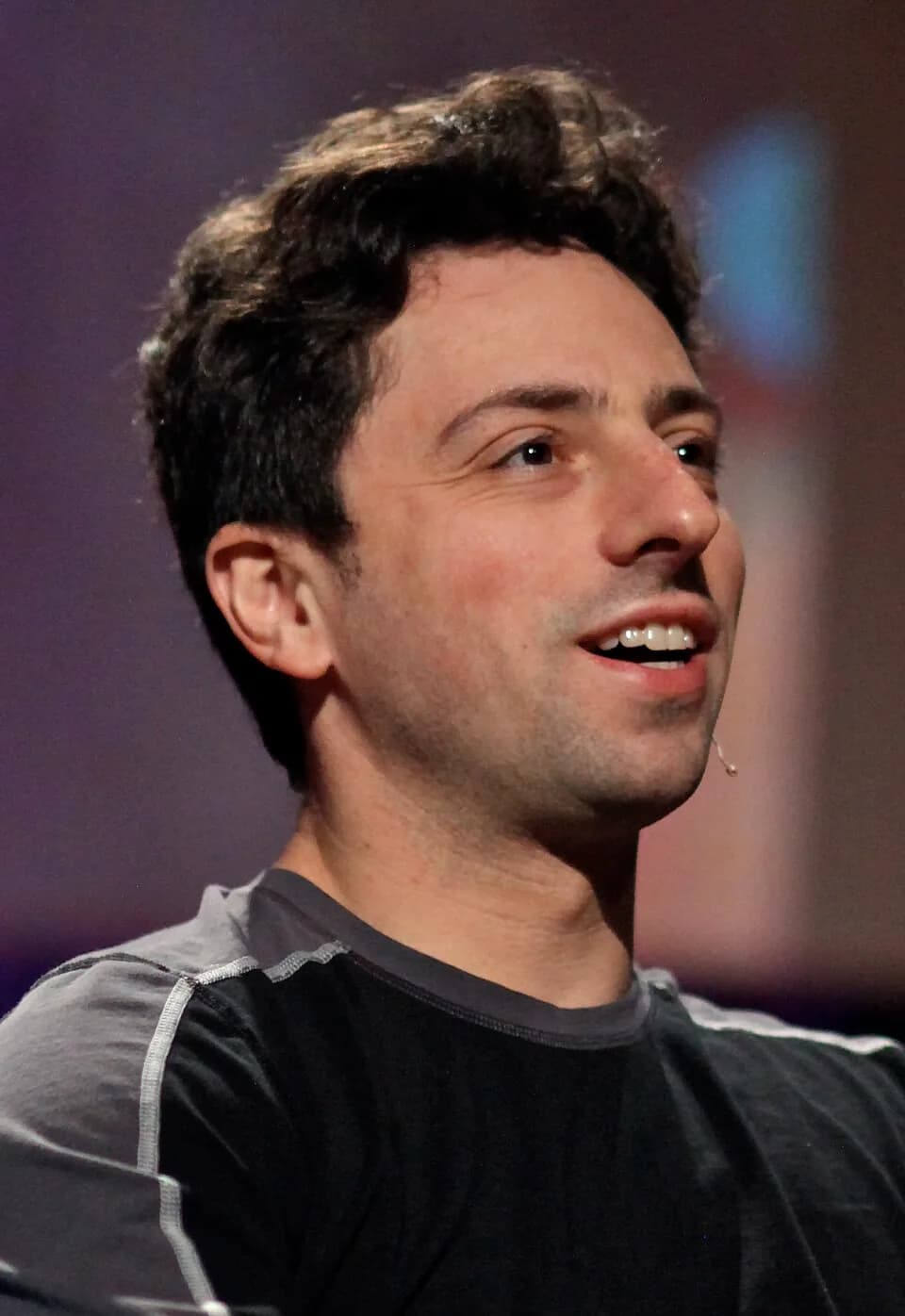
Google co-founder Sergey Brin is among the wealthiest people in the world and returned to active Alphabet involvement to help lead the Gemini AI development team after years focused on personal projects. Brin co-created the PageRank algorithm that made Google search revolutionary, enabling the company to grow from a Stanford research project into one of the world's most profitable advertising businesses, generating hundreds of billions of dollars in annual revenue. He also funded Calico, Alphabet's longevity research subsidiary targeting diseases of aging, and has invested personally in lighter-than-air aviation through the airship company LTA Research.
Sourcesen.wikipedia.org - 0#10

Nvidia CEO Jensen Huang rocketed into the global top 10 with a fortune estimated at over $190 billion as of September 2026, as his company became a foundational infrastructure layer of the AI revolution, powering many of today's frontier AI models. Nvidia's fiscal 2024 revenue reached $60.9 billion, more than double the prior year, with data center revenue climbing to tens of billions of dollars per quarter. Huang co-founded Nvidia in 1993 in a Denny's diner booth with $40,000 in seed capital and turned it into the most valuable semiconductor company in history, briefly surpassing a $3 trillion market capitalization in mid-2024.
This Is Almost Entirely Paper Wealth, Not Cash in a Bank Account
Every fortune on this list is, overwhelmingly, the current market value of shares in a company — not money sitting in an account. That distinction matters more than the headline numbers suggest. A founder's net worth moves every day the market is open, purely from stock-price changes, without them selling or spending a dollar; it can also fall by tens of billions in a single bad earnings report. Most of these individuals cannot simply convert their stake to cash without moving the very stock price their fortune depends on, and much of the borrowing wealthy founders do (to fund other ventures, avoid selling shares, or manage taxes) uses these same shares as collateral. None of that makes the wealth less real in a legal or economic sense — it's genuinely theirs — but it explains why a 'net worth' ranking like this one is really a snapshot of market sentiment on a given day, not a bank balance.
Founder-Operators vs. Diversified Holders: Two Different Ways to Get Here
Look closely at how each fortune is actually held and a real split emerges. Musk, Zuckerberg, Ellison, Page, Brin, and Huang built their fortunes primarily through a large, still-held, still-concentrated stake in the single company they founded or lead — their net worth rises and falls with that one company's stock. Bezos is a partial exception: still Amazon's largest individual shareholder, but with meaningful diversification into Blue Origin and other ventures. Buffett and Gates are the clearest contrast: Buffett's wealth sits inside Berkshire Hathaway, itself a deliberately diversified conglomerate rather than a single-industry bet, and Gates moved the bulk of his fortune out of Microsoft stock entirely, into a broad portfolio managed by Cascade Investment spanning railroads, industrial equipment, and hospitality. Both paths reach the top 10, but a concentrated operator's fortune and a diversified holder's fortune behave very differently in a downturn.
Image credits
- Elon Musk: WIKIMEDIA_MIRRORED
- Jeff Bezos: WIKIMEDIA_MIRRORED
- Bernard Arnault: WIKIMEDIA_MIRRORED
- Mark Zuckerberg: WIKIMEDIA_MIRRORED
- Larry Ellison: WIKIMEDIA_MIRRORED
- Warren Buffett: WIKIMEDIA_MIRRORED
- Bill Gates: wikidata
- Larry Page: WIKIMEDIA_MIRRORED
- Sergey Brin: WIKIMEDIA_MIRRORED
- Jensen Huang: Wikimedia Commons
Related Videos
Rank it your way
Remix this list into your own ranking, or head to the play hub for every game mode and community breakdown — blind mode, challenges, tier lists, and more.
You Might Also Like

Top 10 Richest People in the World 2026 — Ranked by Net Worth
Top 10 Richest People in the World 2026 — Ranked by Net W...

Top 10 Spanish Startups to Watch in 2026
#1 Cabify · #2 Glovo · #3 Wallbox

Top 10 Best Venture Capital Firms
#1 Sequoia Capital · #2 Andreessen Horowitz (a16z) · #3 Accel

Top 10 Reasons Dubai Became a Global City
#1 Sheikh Rashid's Free Trade Vision (1960s–1990s) · #2 Dubai International Airport's Open-Skies Policy · #3 Zero Income Tax Policy

Top 10 Best Marketing Campaigns Ever
#1 Apple "Think Different" · #2 Nike "Just Do It" · #3 Dove "Real Beauty"

Top 10 Chinese Business Entrepreneurs
#1 Jack Ma (Alibaba) · #2 Ren Zhengfei (Huawei) · #3 Pony Ma (Tencent)