
Wikipedia
Top 10 Richest People in India 2026
India produced 200 billionaires in 2024 according to Forbes — the third-largest billionaire population globally after the United States and China. These 10 individuals control businesses spanning petrochemicals, infrastructure, pharmaceuticals, retail, technology, and telecommunications, with combined wealth exceeding $500 billion. Their companies collectively employ millions and generate a substantial share of India's GDP, making them central figures in the country's rise as a global economic power.
Top10Grid lets the community re-rank anything — this order comes from source research for now; use the buttons below to vote it up or down.

Current Rankings
- 0#1
Mukesh Ambani

Chairman of Reliance Industries with a net worth of roughly $92 billion as of mid-2026, Mukesh Ambani leads India's most valuable company by market cap, generating annual revenue over $100 billion. His Jio Platforms telecom venture has signed hundreds of millions of subscribers since its 2016 launch, making it India's largest mobile network and disrupting the industry with near-zero data pricing. Ambani is Asia's richest person and remains among the wealthiest individuals in the world.
Sourcesen.wikipedia.org1 - 0#2
Gautam Adani

Chairman of the Adani Group with a net worth of roughly $90 billion as of mid-2026, Gautam Adani built a conglomerate that operates 15 ports across India along with 7 airports, and has operations in energy, cement, and media. He briefly became Asia's richest person in 2022, surpassing Mukesh Ambani, before the January 2023 Hindenburg Research short-seller report wiped tens of billions of dollars from the Adani Group's market value. The group has since recovered substantially through institutional investor backing and continued infrastructure expansion.
Sourcesen.wikipedia.org1 - 0#3
Shiv Nadar
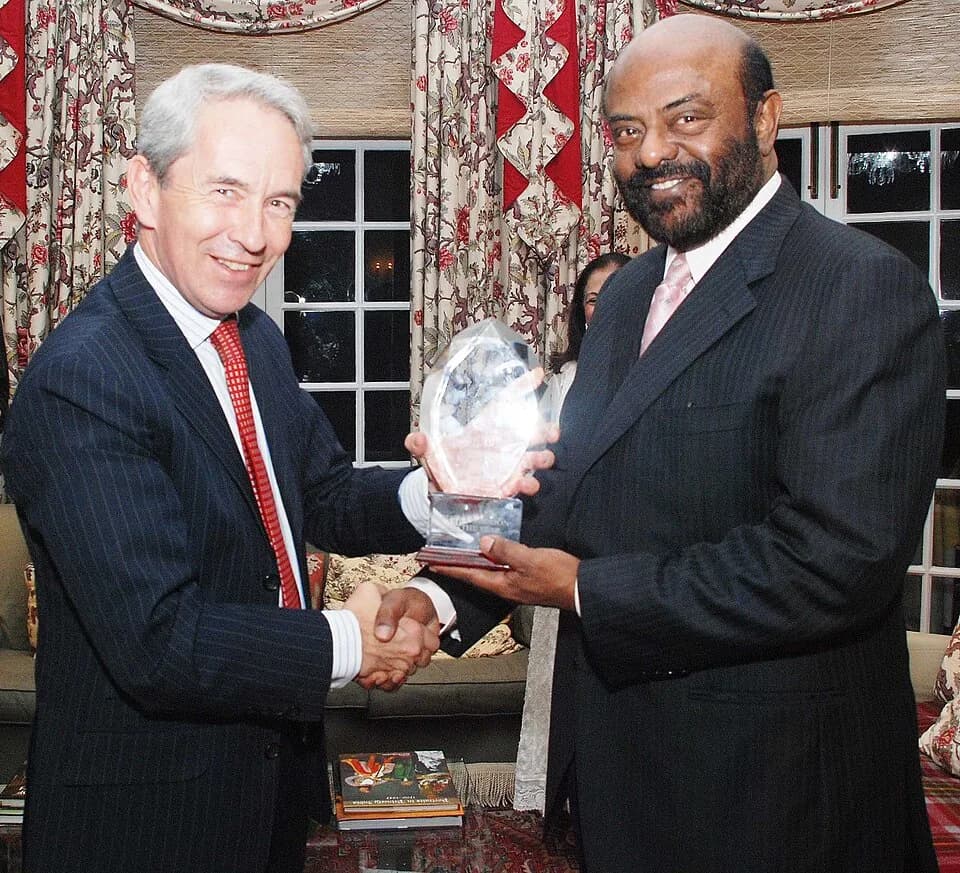
Shiv Nadar started HCL out of a Delhi garage in 1976 — the kind of founding story that sounds embellished until you check it. It wasn't: HCL Technologies now pulls in roughly $14 billion in annual revenue and employs more than 220,000 people worldwide. Nadar stepped down as chairman in 2020 and handed the role to his daughter, Roshni Nadar Malhotra, putting her among the few women at the helm of a major Indian technology company. His Forbes-estimated net worth sits near $35 billion — built the unglamorous way, in enterprise IT services rather than any one flashy product.
4 - 0#4
Dilip Shanghvi
Dilip Shanghvi founded Sun Pharmaceuticals in 1983 with a small loan from his father — a start so modest it's almost hard to square with the roughly $29 billion Forbes credited him with as of mid-2025. He has stayed almost entirely out of the public eye since, rarely giving interviews or making public appearances, which makes him something of an anomaly among India's billionaire class: enormous wealth, near-zero public profile — a reputation captured in the title of his biography, The Reluctant Billionaire. Sun Pharma has grown into one of the country's largest pharmaceutical companies in the decades since, built quietly rather than loudly.
Sourcesen.wikipedia.org1 - 0#5
Savitri Jindal
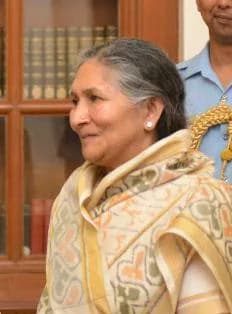
Savitri Jindal took charge of the O.P. Jindal Group after her husband's death in a 2005 helicopter crash — not as a caretaker, but as the matriarch overseeing a conglomerate whose businesses, spanning steel, power, mining, and oil and gas, are today run across separate divisions led by her four sons. She also won a seat in the Haryana Legislative Assembly that same year, representing Hisar, making her one of the rare billionaires with a real political mandate alongside the boardroom one. Forbes estimates the Jindal family's net worth at around $40 billion as of late 2025.
Sourcesen.wikipedia.org1 - 0#6
Kumar Mangalam Birla
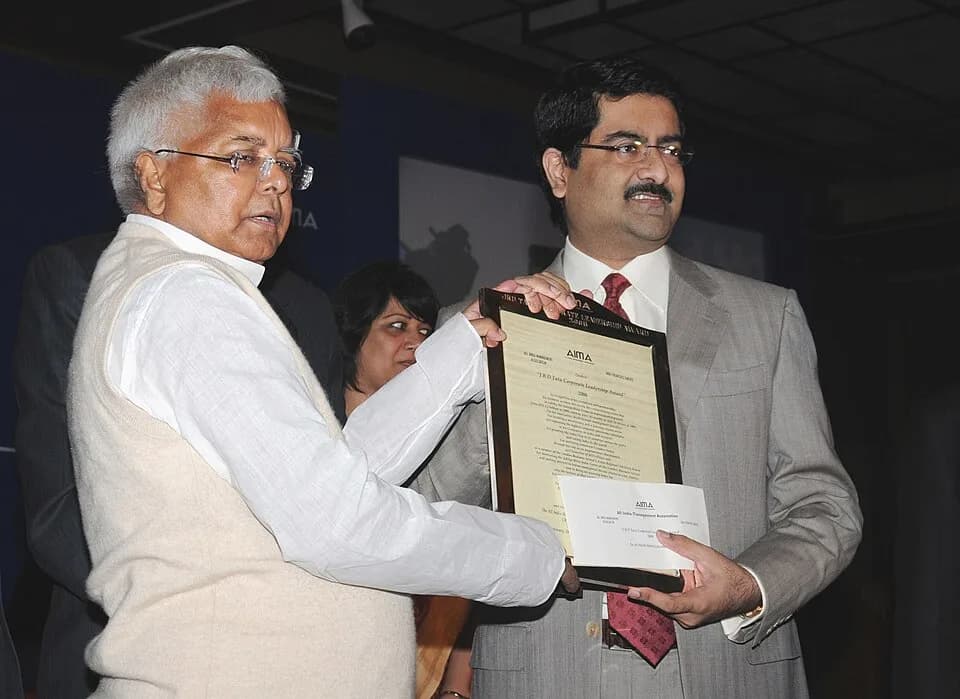
Kumar Birla inherited the Aditya Birla Group at 28, after his father's sudden death in 1995, and had to prove himself fast. The group now spans some 40 countries with well over 100,000 employees, in businesses as different as cement, metals, fashion retail — Madura Fashion & Lifestyle and Pantaloons are both his — and financial services, with group revenue that has grown from roughly $2 billion in 1995 to about $70 billion today. Vodafone Idea, the telecom joint venture he helped build, has spent years losing subscribers to Jio and Airtel; Birla stepped down as its non-executive chairman in 2021, though the Aditya Birla Group keeps its stake. Net worth: roughly $24 billion, per Forbes, as of mid-2026.
Sourcesen.wikipedia.org1 - 0#7
Radhakishan Damani
Radhakishan Damani opened his first DMart store in the Mumbai suburb of Powai in 2002, after a long stint as a stockbroker and investor on Dalal Street — an unusual path into retail, and it shows in how the business runs. DMart doesn't chase flash; it owns rather than rents its stores, keeps margins thin, and has become one of India's most profitable supermarket chains, now with several hundred outlets nationwide. Damani himself remains one of India's sharper public-market investors on the side. Forbes puts his net worth at roughly $15 billion as of September 2026.
Sourcesen.wikipedia.org1 - 0#8
Cyrus Poonawalla
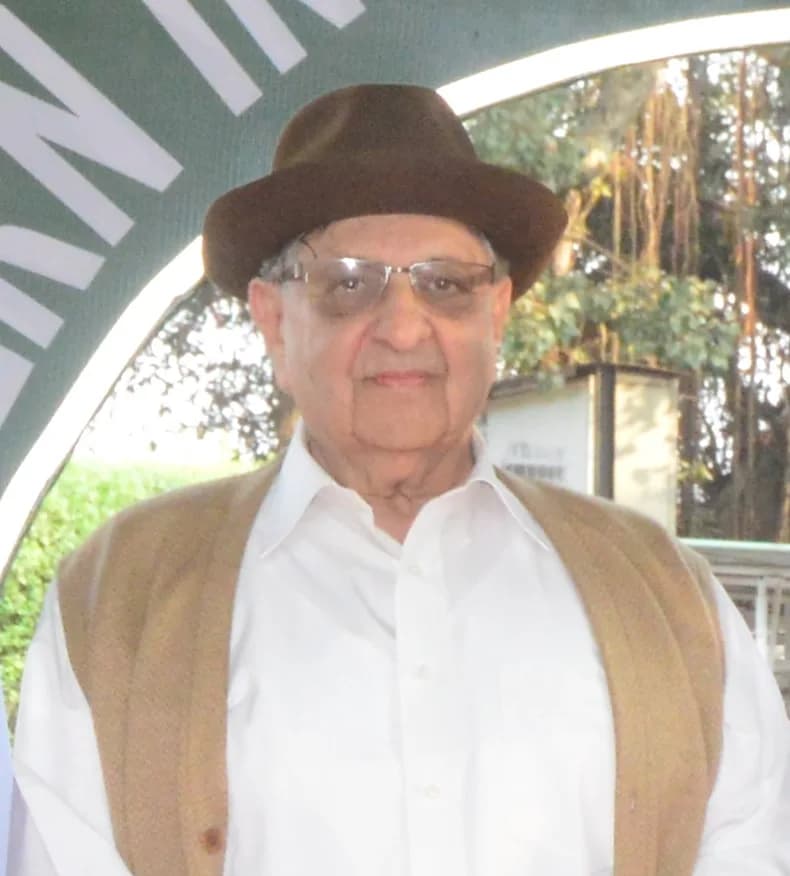
Cyrus Poonawalla founded the Serum Institute of India in 1966 and turned it into the world's largest vaccine manufacturer by volume, producing around 1.5 billion doses a year out of its Pune headquarters. The institute became globally known during the COVID-19 pandemic, when it manufactured hundreds of millions of doses of the AstraZeneca vaccine under the brand Covishield for India and dozens of other countries. Forbes estimates his family's net worth at roughly $22 billion as of late 2024; his son Adar now handles day-to-day operations as CEO while Cyrus remains chairman.
Sourcesen.wikipedia.org1 - 0#9
Azim Premji
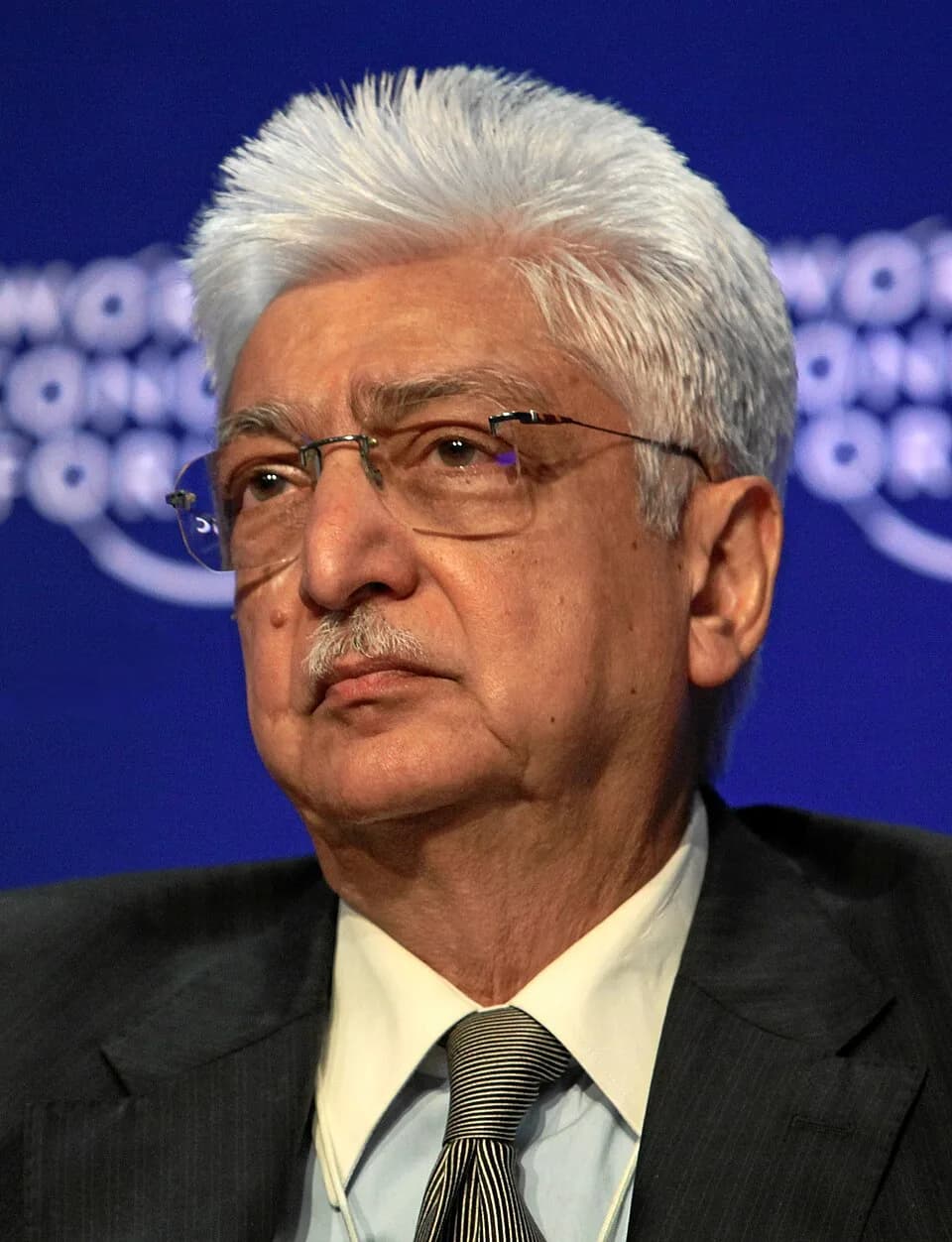
He has directed over $21 billion in Wipro stock to the Azim Premji Foundation — among the largest individual philanthropic pledges in Indian history — funding teacher training and education programs across India. He stepped down as Wipro's executive chairman in 2019, handing over to his son Rishad Premji.
2 - 0#10
Sunil Mittal

Founder and Chairman of Bharti Airtel, Sunil Mittal launched Airtel in 1995 when India had fewer than 300,000 telephone lines and grew it into a pan-African and Indian telecom giant with roughly 650 million subscribers across 18 countries. Airtel Africa listed on the London Stock Exchange in 2019, making it one of India's most internationally diversified corporations. He was awarded the Padma Bhushan by the Indian government in 2007 for contributions to Indian business. Forbes places his net worth in the tens of billions of dollars.
Sourcesen.wikipedia.org1
Watch the ranking video
Builders vs. Inheritors
Split this list in two and a pattern shows up. Shiv Nadar (HCL), Dilip Shanghvi (Sun Pharmaceuticals), Radhakishan Damani (DMart), Cyrus Poonawalla (Serum Institute) and Azim Premji (Wipro) started or scaled their companies from a much smaller base within their own careers. Mukesh Ambani, Gautam Adani's family conglomerate roots, Savitri Jindal, and Kumar Mangalam Birla, by contrast, took over or expanded businesses with a substantial head start already in place — a listed company, an industrial base, or both. Neither path says anything about who is a better operator, but it changes what each person's fortune is actually measuring: decades of founder-led compounding in one case, stewardship and expansion of inherited scale in the other.
Why the Order Moves Year to Year
Almost none of this wealth is sitting in cash. It is overwhelmingly the value of founder/promoter shareholdings in listed companies, so the ranking tracks each firm's share price more than any change in the person's actual spending power or business decisions. A conglomerate-wide rally or a single bad quarter at the flagship company can swing a person several places in a matter of weeks — which is exactly what happened to Gautam Adani after the January 2023 Hindenburg Research report, and why net-worth lists like this one are best read as a snapshot rather than a fixed hierarchy.
Image credits
- Shiv Nadar: WIKIMEDIA_MIRRORED
- Dilip Shanghvi: Government of India / Wikimedia Commons
- Savitri Jindal: WIKIMEDIA_MIRRORED
- Kumar Mangalam Birla: WIKIMEDIA_MIRRORED
- Cyrus Poonawalla: WIKIMEDIA_MIRRORED
- Azim Premji: WIKIMEDIA_MIRRORED
Related Videos
Rank it your way
Remix this list into your own ranking, or head to the play hub for every game mode and community breakdown — blind mode, challenges, tier lists, and more.
You Might Also Like
Top 10 Malaysian Business Entrepreneurs & Billionaires in 2026
Top 10 Malaysian Business Entrepreneurs & Billionaires in...

Top 10 Reasons Dubai Became a Global City
#1 Sheikh Rashid's Free Trade Vision (1960s–1990s) · #2 Dubai International Airport's Open-Skies Policy · #3 Zero Income Tax Policy

Top 10 Best Venture Capital Firms
#1 Sequoia Capital · #2 Andreessen Horowitz (a16z) · #3 Accel

Top 10 Best Marketing Campaigns Ever
#1 Apple "Think Different" · #2 Nike "Just Do It" · #3 Dove "Real Beauty"

Top 10 Chinese Business Entrepreneurs
#1 Jack Ma (Alibaba) · #2 Ren Zhengfei (Huawei) · #3 Pony Ma (Tencent)

Top 10 Most Iconic Luxury Fashion Brands of All Time
#1 Chanel · #2 Louis Vuitton · #3 Gucci