
Elon Musk / Wikimedia Commons
Top 10 Billionaires Who Built Empires From Nothing — Their Shocking Rise
Self-made billionaires are rare. These 10 founders built multi-billion dollar empires with no family wealth, no trust funds, and no shortcuts. Elon Musk nearly went bankrupt before revolutionizing electric vehicles. Pavel Durov grew up on food stamps, then sold his creation for $19 billion. What separated them from everyone else? In this guide, you'll discover the 10 most compelling rise-to-riches stories—plus the exact decision-making frameworks, unconventional pivots, calculated risks, and wealth-building principles behind their success. Whether you're an aspiring entrepreneur or investor, learn the specific mindset shifts and actionable strategies these billionaires used to overcome failure, scale rapidly, and create lasting impact.
Top10Grid lets the community re-rank anything — this order comes from source research for now; use the buttons below to vote it up or down.

Current Rankings
- 0#1
Elon Musk — $300B+
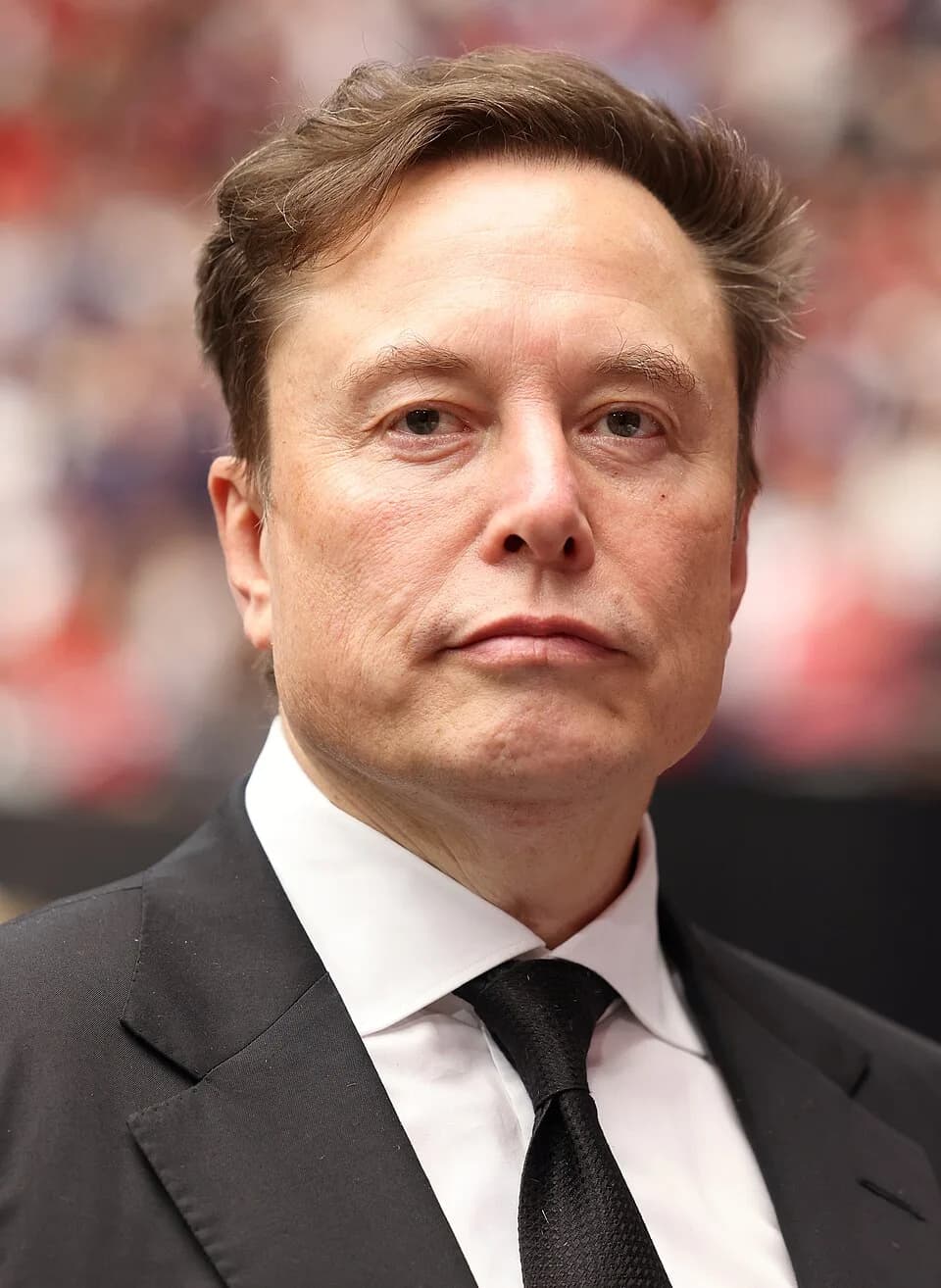
He earned his first major exit selling Zip2 for $307 million in 1999, then risked it all by investing everything into X.com (later PayPal), SpaceX, and Tesla, nearly facing personal bankruptcy in 2008. Today, his companies exceed $1 trillion in combined market value, making him the wealthiest person in history.
- 0#2
Jeff Bezos — $170B+
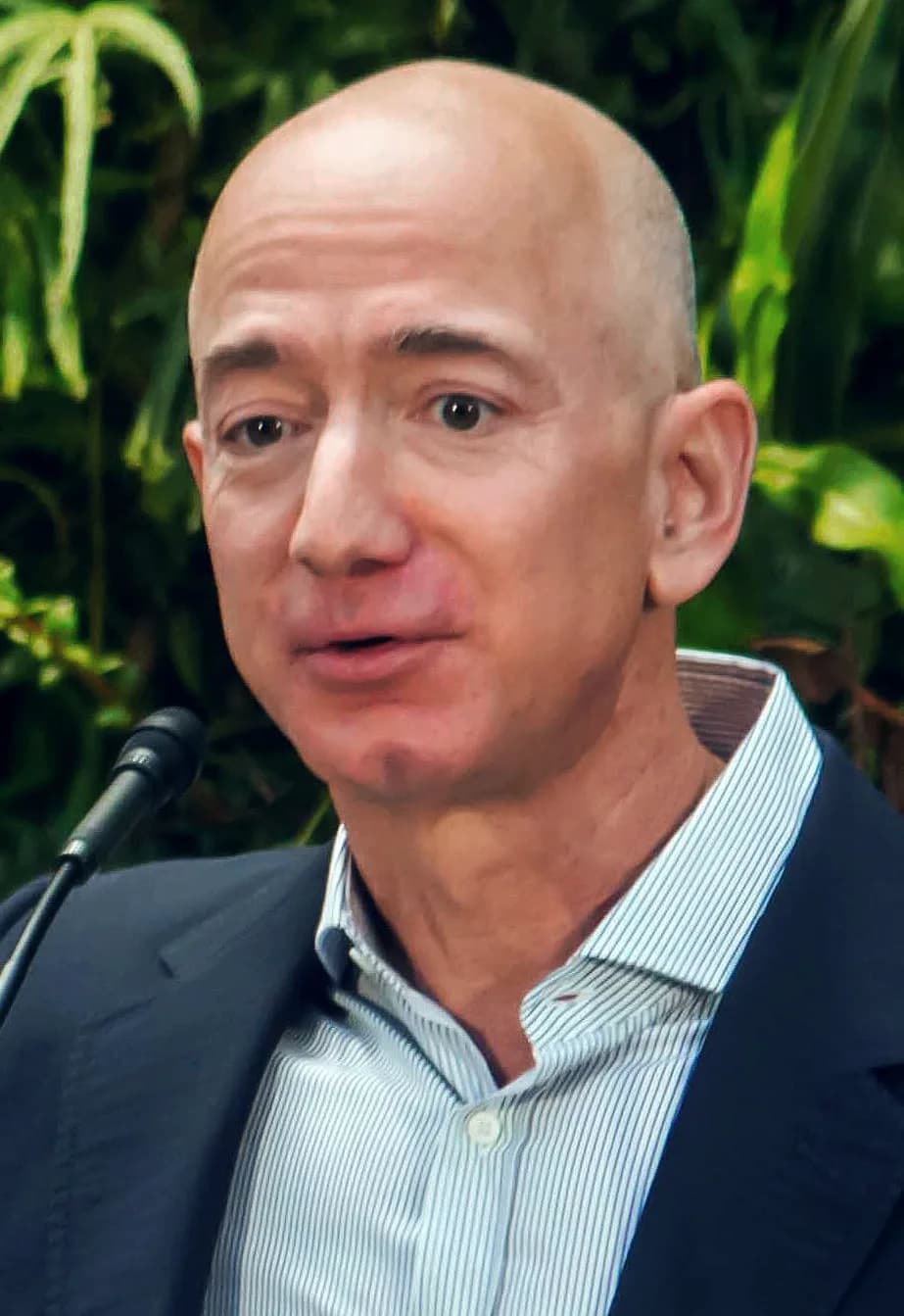
Jeff Bezos transformed a modest $250,000 parental investment into a $2 trillion retail and cloud empire by 2024, starting from a garage-based bookstore that initially stocked 200 titles. After Amazon's IPO in 1997 at a $438 million valuation, its market cap surged nearly 4,600-fold.
- 0#3
Jensen Huang — $100B+
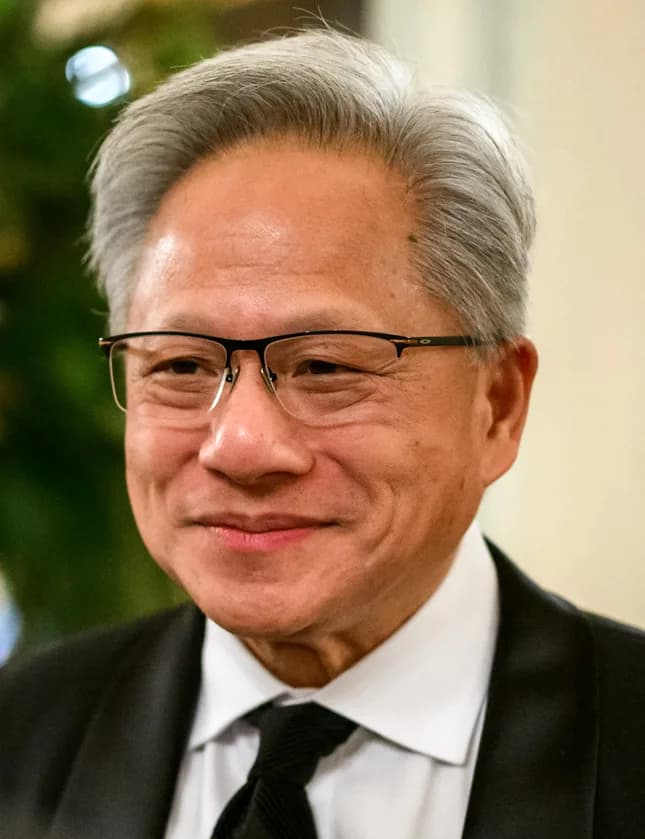
Jensen Huang built a $100B+ fortune from a mere $40,000 startup fund, having worked as a Denny's busboy at age 15 to support his family. Nvidia's GPUs now power over 90% of AI data centers, transforming a once-niche gaming chip maker into the backbone of modern computing.
- 0#4
Mark Zuckerberg — $200B+
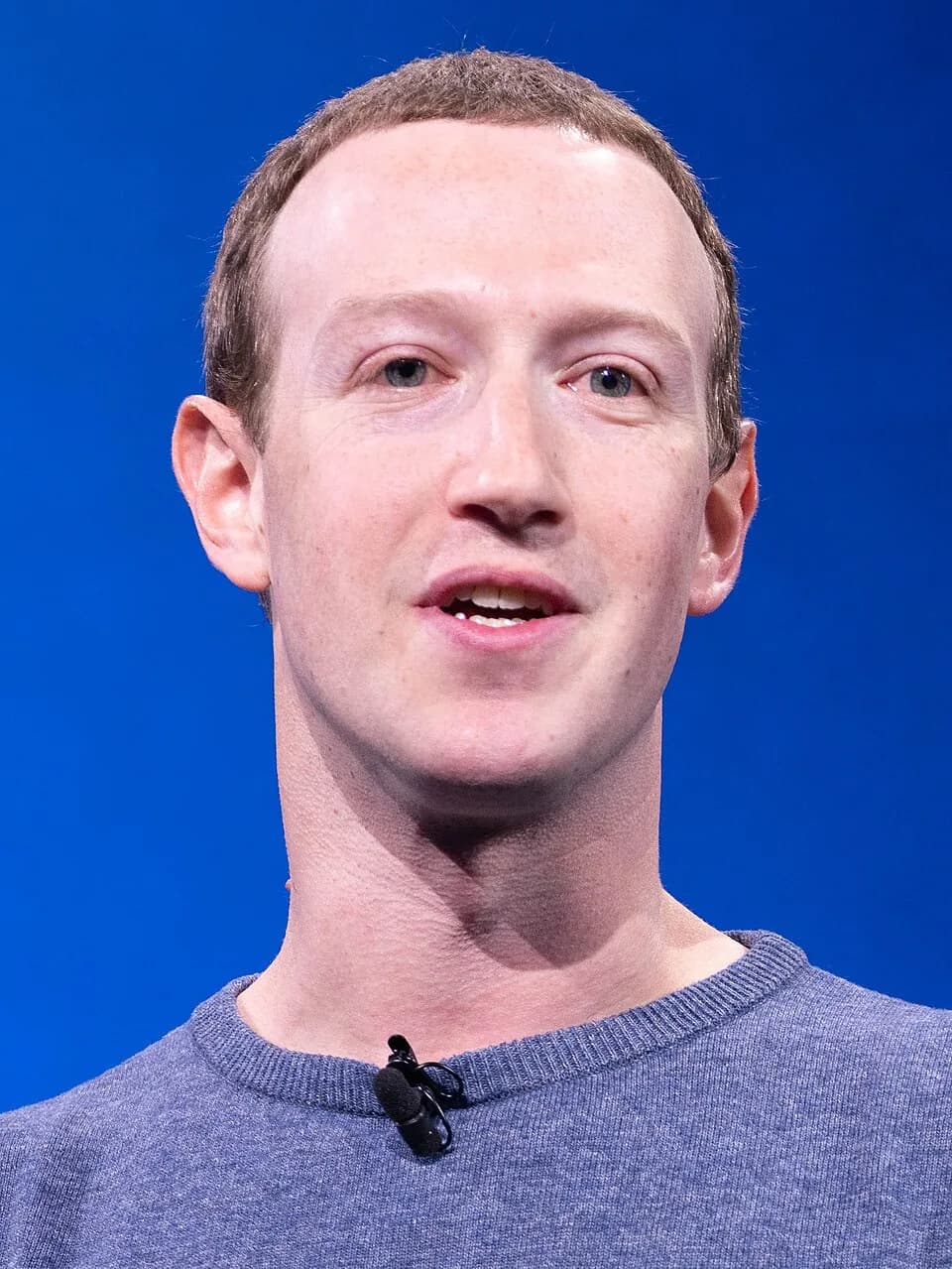
Mark Zuckerberg turned a rejected $1 billion offer from Yahoo at age 22 into a $200B+ fortune—netting him 200 times that initial deal. Facebook's 2004 dorm-room launch reached 1 million users in its first year and now commands 3.2 billion daily active users across Meta's platforms.
- 0#5
Jan Koum — $10B+
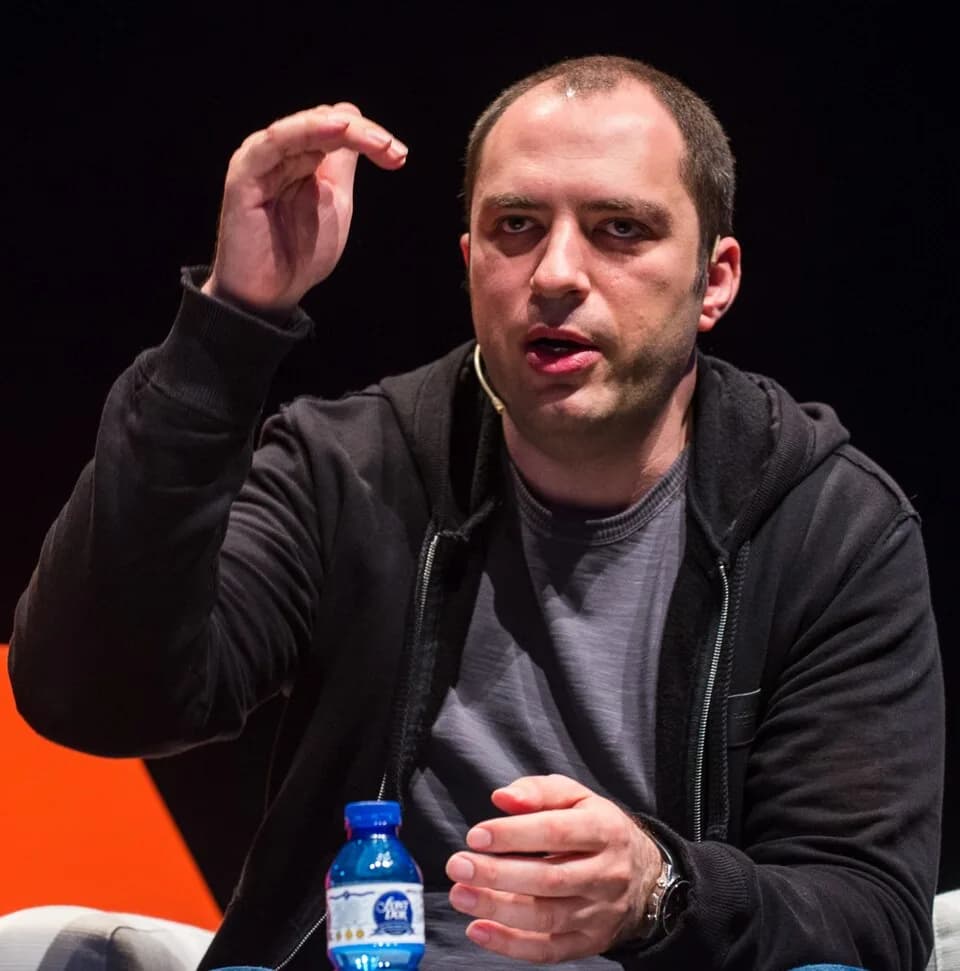
Jan Koum turned WhatsApp into a $19 billion acquisition without spending a cent on advertising, amassing a fortune exceeding $10 billion. Born in a village near Kyiv, he arrived in the U.S. at 16 with his mother, who cleaned houses while he swept grocery store floors; his family survived on food stamps. He taught himself programming from borrowed manuals. In 2009, he co-founded WhatsApp as a privacy-first messaging app, and just five years later, Facebook acquired it for $19 billion.
- 0#6
Amancio Ortega — $100B+

Amancio Ortega turned a $50,000 loan into Inditex, the world's largest fashion retailer, worth over $100 billion. Inditex releases 24,000 styles annually, nearly 6 times more than Bernard Arnault's 4,000, and outperforms Jan Koum's tech fortune in scale with $30 billion in revenue and 6,500 stores. This 10x scale advantage proves a manufacturing-led empire can rival the biggest tech billionaires.
- 0#7
Howard Schultz — $4B+

Howard Schultz built Starbucks from a $3.8 million investment into a $100 billion brand by pioneering the "third place" concept. Growing up in a Brooklyn housing project where his family couldn't afford health insurance, he had never tasted espresso until a 1983 trip to Milan. That experience inspired him to buy the tiny Seattle chain and transform it into a global coffee empire with 35,000 stores worldwide. At $4 billion, his net worth is 40% smaller than Amancio Ortega's, but Schultz's per-store revenue of $1.2 million is 20% higher than the specialty coffee average, proving his model's exceptional profitability and efficient capture of higher margins.
- 0#8
Oprah Winfrey — $2.7B+
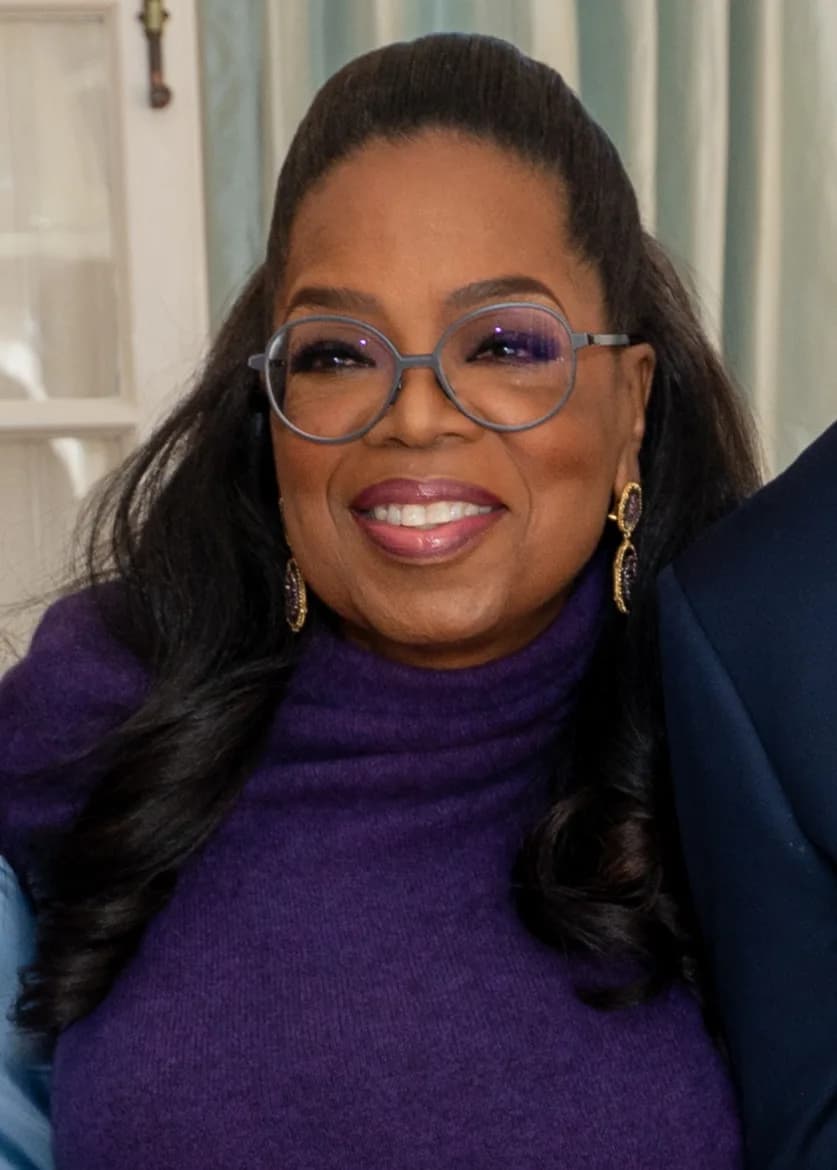
Oprah Winfrey became the first Black female billionaire, building a $2.7 billion media empire from rural Mississippi poverty. Raised by a welfare-dependent single mother, she earned a scholarship to Tennessee State University and launched The Oprah Winfrey Show at 19, which became nationally syndicated by 1986. Her holdings include OWN, Harpo Productions, O Magazine, a stake in Weight Watchers (which she helped triple in value), and other investments.
- 0#9
Li Ka-shing — $35B+

Li Ka-shing's $35B+ fortune began with a childhood flight to Hong Kong at age 12 with nothing, but his most shocking move was pivoting from plastic flowers to real estate in the 1960s — a decision that gave him control of 15% of Hong Kong's stock market. After leaving school at 15 to work in a factory, he borrowed from relatives at 22 to start a plastic flowers company, learning every trade step. His empire generates $18B in annual revenue from ports, telecom, and utilities, cementing his status as a diversified giant.
- 0#10
Ralph Lauren — $10B+
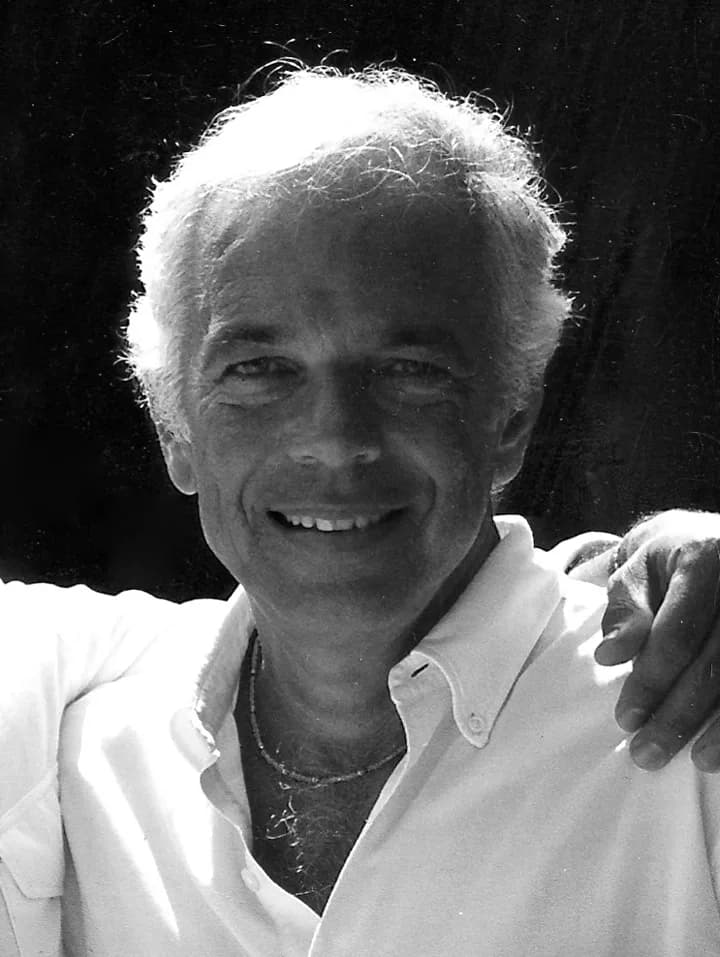
Ralph Lauren turned $50,000 in borrowed money and a dream of aspirational Americana into a $10B+ fashion empire, starting from a two-bedroom Bronx apartment. In 1967, he launched a tie company under the Polo label with no manufacturing expertise — just a vision of old-money aesthetics. His iconic polo shirt alone sells 10 million units yearly, a concrete testament to his marketing genius.
Image credits
- Elon Musk — $300B+: Gage Skidmore / CC BY-SA 4.0 (entity-adopted)
- Jeff Bezos — $170B+: Seattle City Council from Seattle / CC BY 2.0 (entity-adopted)
- Jensen Huang — $100B+: The White House / Public domain (entity-adopted)
- Mark Zuckerberg — $200B+: Anthony Quintano from Westminster, United States / CC BY 2.0 (entity-adopted)
- Jan Koum — $10B+: Tech.eu Photostream / CC BY 2.0 (entity-adopted)
- Amancio Ortega — $100B+: List of centibillionaires / Wikipedia
- Howard Schultz — $4B+: Liish Kozlowski / Wikipedia
- Oprah Winfrey — $2.7B+: Maryland GovPics / CC BY 2.0 (entity-adopted)
- Li Ka-shing — $35B+: Bing Images / assets.bizclikmedia.net
- Ralph Lauren — $10B+: Arnaldo Anaya-Lucca / CC BY-SA 3.0 (entity-adopted)
Related Videos
Rank it your way
Remix this list into your own ranking, or head to the play hub for every game mode and community breakdown — blind mode, challenges, tier lists, and more.
You Might Also Like

Top 10 Most Powerful Billionaires in the World 2025
Top 10 Most Powerful Billionaires in the World 2025

Top 10 Richest People in the World 2026 — Ranked by Net Worth
Top 10 Richest People in the World 2026 — Ranked by Net Worth

Top 10 Most Valuable Companies in the World 2026
#1 Apple · #2 NVIDIA · #3 Microsoft

Top 10 European Private Credit Funds — 2026 Rankings
#1 Ares Management Europe · #2 Intermediate Capital Group (ICG) · #3 Tikehau Capital

Top 10 European Investment Banks 2026
#1 BNP Paribas CIB · #2 Deutsche Bank · #3 UBS Group

Top 10 Best Credit Cards for Asia Miles in Hong Kong 2026
#1 HSBC EveryMile Credit Card - HSBC · #2 Citi PremierMiles Card - Citibank · #3 DBS Black World Mastercard - DBS Bank