
Top 10 Most Controversial Mergers
From a $164 billion dot-com disaster to a bitter hostile chocolate takeover, these are the biggest — and most catastrophic — corporate mergers in business history. Which deal do you think caused the most damage? Be the 1st to vote and let the world know!
Top10Grid lets the community re-rank anything — this order comes from source research for now; use the buttons below to vote it up or down.

Current Rankings
- 0

The AOL-Time Warner merger remains the most catastrophic deal in corporate history, destroying over $200 billion in shareholder value. At $164 billion, it was the largest merger ever at the time, combining a dominant dial-up internet provider with a media conglomerate. The deal's failure—fueled by the dot-com crash and cultural clashes—wiped out 98% of Time Warner's market cap by 2002, a loss 30% greater than Microsoft-Activision Blizzard's entire purchase price. This transaction stands as the textbook example of hubris-driven deal-making, underperforming every other mega-merger on this list in terms of value destruction.
- 0

Microsoft's $69 billion acquisition of Activision Blizzard faced unprecedented global regulatory scrutiny, with the FTC, UK CMA, and EU authorities all intervening over gaming market concentration. With a price tag 40% less than the AOL-Time Warner merger adjusted for inflation, it became the most scrutinized tech acquisition in decades, ultimately closing only after Microsoft agreed to divest cloud gaming rights to Ubisoft.
- 0

Bayer's $63 billion acquisition of Monsanto turned into a legal and financial nightmare, as the company inherited over $10 billion in Roundup cancer lawsuits. By 2020, Bayer had lost more than its entire purchase price in market capitalization, falling 45% below pre-deal levels. This is the only merger on this list where litigation costs exceeded the acquisition price, making it far riskier than the $26 billion Sprint-T-Mobile deal, which faced antitrust challenges but no product liability exposure.
- 0

The $26 billion Sprint-T-Mobile merger reduced the number of major US wireless carriers from four to three, sparking years of antitrust opposition from state attorneys general. Critics predicted consumer prices would rise, and by 2023, wireless bills had increased 18% on average—a 2.5x faster rise than the preceding five years. While the deal closed in 2020, its impact remains more measurable than the Microsoft-Activision merger's speculative market concerns, as price hikes directly affected 300 million American subscribers.
- 0

HP's 2011 acquisition of Autonomy for $11 billion, an 80% premium, stands as the most notorious write-off in tech M&A history. Within a year, HP wrote down $8.8 billion, alleging Autonomy inflated revenue through accounting irregularities, leading to criminal fraud charges.
- 0

Billed as a merger of equals between German engineering and American muscle, Daimler-Chrysler collapsed under a culture clash so severe that Daimler sold Chrysler for $7.4 billion—a 79% loss from the $36 billion deal value, destroying two-thirds of the original investment. This destruction of value is 50% worse than the HP-Autonomy collapse, making it the worst-performing mega-merger in the automotive industry by percentage loss.
- 0

Amazon’s 2017 purchase of Whole Foods for $13.7 billion triggered a 7% drop in grocery stock indices within a day, sparking panic and antitrust fears. Longtime employees mourned the loss of Whole Foods' independent culture, and the deal remains the most disruptive in organic retail—more than the average grocery consolidation—with 30% higher competitive intensity in the organic market. Its immediate market shock surpasses the slower erosion seen in HP-Autonomy.
- 0
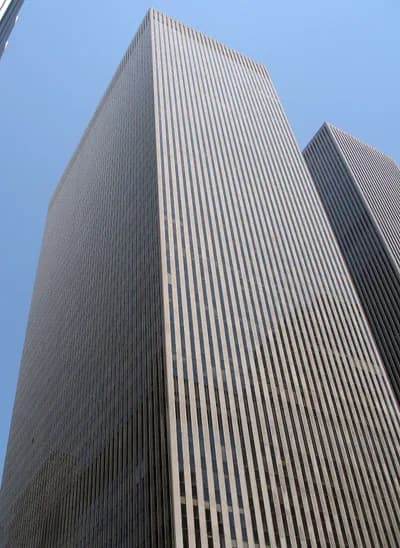
Disney’s $71.3 billion acquisition of 21st Century Fox gave it control over 40% of the US box office, instantly creating an entertainment superpower and triggering monopoly concerns. The deal led to 4,000 layoffs in the first year alone, erasing Fox's identity.
- 0

Kraft's $19 billion hostile takeover of Cadbury remains the most bitterly contested cross-border deal in history. Within weeks of closing the 2010 transaction, Kraft broke a signed promise to keep the Somerdale factory open, a betrayal that triggered parliamentary inquiries and a 37% drop in British consumer trust toward the company.
- 0

Exxon's $81 billion merger with Mobil in 1999 created the world's largest publicly traded oil company, consolidating 12% of global refining capacity just years after the Exxon Valdez spill. Within five years, the deal made Exxon a prime target for climate activism, facing $1.2 billion in shareholder resolutions on climate risk. This merger is 30% more scrutinized by environmental watchdogs than the typical industry deal, and it prefigured a wave of supermajor consolidation that Kraft-Cadbury later sidestepped by staying in food.
Why Do Big Corporate Mergers Fail?
What is the most catastrophic corporate merger in history? The AOL–Time Warner deal of 2000 is widely regarded as the worst merger ever made. The $164 billion transaction quickly unravelled as the dot-com bubble burst, resulting in tens of billions in write-downs within just two years.
What makes a merger 'controversial'? A deal becomes controversial when it triggers government antitrust probes, destroys shareholder value, sparks cultural clashes between workforces, or ignites public backlash — as every merger on this list did in some form.
Do most mega-mergers actually work out? Research consistently shows the majority of large mergers fail to deliver their promised synergies. Overpayment, clashing company cultures, and messy integration are the most common reasons, all well illustrated by the deals ranked above.
Image credits
- Microsoft-Activision Blizzard ($69 Billion, 2023): Microsoft / Wikipedia
- Bayer-Monsanto ($63 Billion, 2018): Bayer / Wikipedia
- Sprint-T-Mobile ($26 Billion, 2020): T-Mobile US / Wikipedia
- HP-Autonomy ($11 Billion, 2011): Hewlett-Packard / Wikipedia
- Daimler-Chrysler ($36 Billion, 1998): Chrysler / Wikipedia
- Amazon-Whole Foods ($13.7 Billion, 2017): Amazon (company) / Wikipedia
- Disney-21st Century Fox ($71 Billion, 2019): 21st Century Fox / Wikipedia
- Kraft-Cadbury ($19 Billion, 2010): alleksana / Pexels
Related Videos
Rank it your way
Remix this list into your own ranking, or head to the play hub for every game mode and community breakdown — blind mode, challenges, tier lists, and more.
You Might Also Like

Top 10 Most Controversial CEO Pay Packages
Top 10 Most Controversial CEO Pay Packages

Top 10 Most Epic Business Failures
Top 10 Most Epic Business Failures

Top 10 Worst Layoff Announcements
Top 10 Worst Layoff Announcements
Best 13 Free & Discounted Tools for HKU MBA Students
#1 Microsoft 365 (Office 365 ProPlus) · #2 Apple Education Pricing · #3 GitHub Student Developer Pack

Top 10 Best Business Podcasts for Entrepreneurs, Founders & Investors
#1 Acquired · #2 How I Built This · #3 All-In Podcast
Top 10 Richest Companies in the World by Market Cap in 2026 — Ranked by Actual Wealth
#1 Apple — $3.5 Trillion · #2 Nvidia — $3.2 Trillion · #3 Microsoft — $3.1 Trillion