
Wikimedia Commons
Top 10 Architecture and Design Trends Shaping 2026
Architecture and design trends in 2026 are being shaped by four converging forces: climate change driving demand for net-zero buildings, urbanization requiring innovative space solutions, hybrid work reshaping office and home design, and AI unlocking new creative possibilities. From nature-infused biophilic spaces and AI-generated architectural forms to adaptive reuse transforming existing buildings into sustainable showpieces, these 10 trends represent the most impactful shifts redefining how we design cities, workplaces, and homes in 2026. Whether you're a designer, architect, or building enthusiast, understanding these trends is essential to staying ahead in an industry undergoing its most fundamental transformation in decades.
Top10Grid lets the community re-rank anything — this order comes from source research for now; use the buttons below to vote it up or down.

Current Rankings
- 0#1
Biophilic Design

Biophilic Design is fast becoming non-negotiable in architecture, integrating living walls, indoor gardens, natural light optimization, and organic materials into buildings. From Amazon's Spheres in Seattle to major tech campuses and hospitals, the trend proves nature is infrastructure for human wellbeing.
- 0#2
Adaptive Reuse
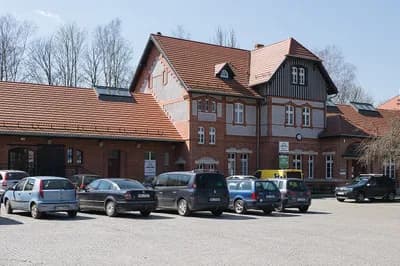
Adaptive reuse transforming abandoned factories and malls into vibrant spaces is more sustainable and characterful than new builds. Demolition waste accounts for 30% of landfill globally, and this approach cuts new construction's carbon footprint significantly.
- 0#3
Mass Timber Construction

Mass timber construction with cross-laminated timber (CLT) now rivals steel and concrete in strength and height, as proven by Ascent in Milwaukee (25 stories). Timber is 5x lighter than concrete, lowering foundation costs and construction time, while being renewable and carbon-sequestering.
- 0#4
AI-Generated Architecture
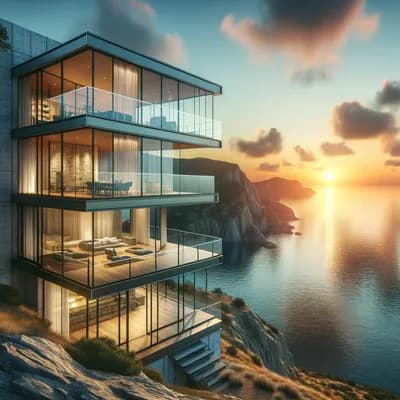
AI-generated architecture uses tools like Midjourney and Finch to generate thousands of building forms optimized for sunlight, wind, and energy efficiency simultaneously. Zaha Hadid Architects leads in integrating AI into parametric workflows, creating organic structures that seem grown rather than built.
- 0#5
Net-Zero Energy Buildings
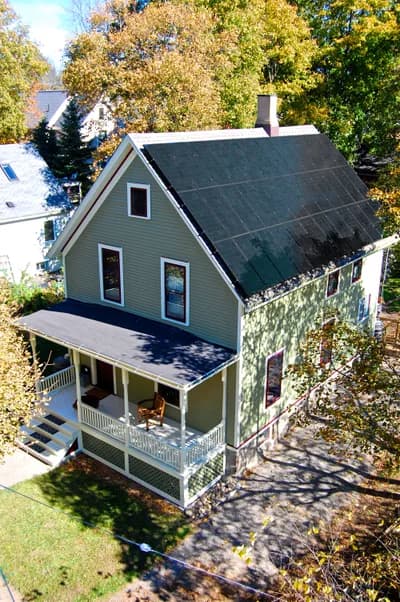
Net-Zero Energy Buildings are rapidly transitioning from aspirational concepts to mandated realities, representing a significant stride in sustainable architecture. These structures are engineered to produce as much energy as they consume annually, primarily through integrated on-site renewable sources like solar facades and advanced geothermal heating systems. The global market for net-zero energy buildings is projected to reach US$55.9 billion in 2026, with a remarkable compound annual growth rate of 19.8% by 2033. This trend is driven by stringent regulatory frameworks, such as the EU's mandate for all new buildings to be zero-emission by 2030, a more aggressive timeline than many existing building codes. Achieving net-zero performance requires sophisticated components, with equipment like HVAC systems, lighting, and renewable energy technologies constituting 74% of the market share in 2026. This focus on advanced systems positions net-zero energy buildings as a superior, long-term solution compared to simply retrofitting existing structures for incremental efficiency gains, which often only addresses 20% of potential energy savings.
- 0#6
Japandi Interior Design

Japandi interior design, a harmonious blend of Japanese minimalism and Scandinavian hygge, has evolved into a warm, textured aesthetic for 2026. This enduring philosophy prioritizes natural materials like wood, linen, and stone, coupled with muted, earthy color palettes such as 'Warm Oatmeal' and 'Pebble Gray,' moving away from the cooler grays of previous years. A key principle for 2026 is the exclusive use of natural, unlacquered, and synthetic-free materials, alongside low-profile furniture set at a height of 35-40 cm, emphasizing grounded living. This creates a calming atmosphere, offering a serene escape from overwhelming visual noise, much like a minimalist art gallery provides a focused experience compared to a cluttered exhibition. The aesthetic embraces wabi-sabi, finding beauty in deliberate imperfection, such as hand-scraped textures or slightly soft-edged stone tiles, which gives a lived-in feel unlike the stark perfection of pure minimalism.
- 0#7
Modular and Prefabricated Housing

Modular and prefabricated housing is rapidly gaining traction in 2026, offering a transformative solution to the global housing crisis. These factory-built homes are assembled on-site in days or weeks rather than months, significantly reducing construction time. The market for prefabricated homes is projected to reach $18 billion by 2026, driven by increased consumer interest in sustainable and affordable living. Companies like ICON, Factory OS, and Blokable are leading the charge, offering units that can cost 20-40% less than traditional construction, outperforming typical on-site builds in terms of cost-efficiency. A significant trend for 2026 is the industry's shift towards 'Carbon-Negative' manufacturing, utilizing carbon-sequestering materials to surpass new federal sustainability mandates. Unlike conventional construction, which often faces labor shortages, modular building thrives in factory settings with more controlled, safer environments, making it a more resilient solution. This method minimizes waste and improves efficiency, making it a more environmentally conscious choice than traditional building practices.
- 0#8
Bold Color Palettes (Anti-Minimalism)
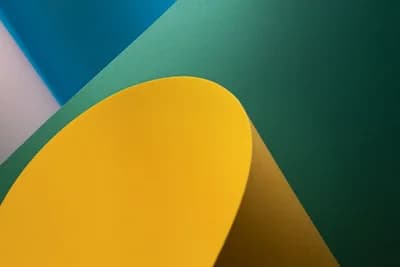
Bold color palettes are making a powerful comeback in 2026, signaling a definitive shift away from the pervasive all-white and greige interiors that defined the previous decade. This anti-minimalist movement embraces saturated hues like deep forest green, rich navy, warm ochre, and vibrant terracotta, replacing the sterile neutrals of the 2010s. This trend reflects a cultural desire for homes that feel personal, emotionally warm, and lived-in, rather than resembling cold, impersonal galleries. For example, HGTV Home® by Sherwin-Williams’ 2026 Color of the Year, Universal Khaki, exemplifies this move towards earthy, yet bold tones. Strategic use of bold color, following the 60-30-10 rule where bold colors constitute 10% of the design, has been shown to increase calls to action clicks by 34% on websites, highlighting its impact beyond aesthetics. This return to vibrant, confident colors offers a refreshing contrast to the subdued palettes of past years, injecting energy and personality into living spaces.
- 0#9
Living Building Challenge

The Living Building Challenge sets the most rigorous sustainability standard in the world, requiring buildings to generate 105% more energy than they consume, capture and treat all water on-site, and use only non-toxic materials. This standard pushes the entire industry beyond greenwashing toward genuinely regenerative design.
- 0#10
Wellness Architecture
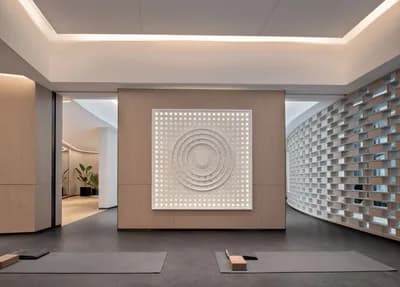
Wellness Architecture designs buildings to measurably improve occupant health through circadian lighting synced with natural rhythms, air filtration systems achieving 99.97% particle removal—rivaling hospital operating rooms—acoustic design that reduces stress, and zero-VOC materials. The WELL Building Standard has certified over 4,000 projects globally, with adoption accelerating 40% post-pandemic as awareness of indoor air quality grows. Since we spend 90% of our lives indoors, the quality of that air matters enormously.
Image credits
- Adaptive Reuse: 2023 Dawna stacja kolejowa w Lądku-Zdroju (5).jpg / Wikimedia Commons
- AI-Generated Architecture: OpenAI / Wikimedia Commons (Public domain)
- Net-Zero Energy Buildings: Mattgrocoff / Wikimedia Commons (CC BY-SA 3.0)
- Bold Color Palettes (Anti-Minimalism): Jakub Zerdzicki / Pexels
- Wellness Architecture: eran design / Pexels
Rank it your way
Remix this list into your own ranking, or head to the play hub for every game mode and community breakdown — blind mode, challenges, tier lists, and more.
You Might Also Like

Top 10 Biggest Interior Design Trends of 2025
Top 10 Biggest Interior Design Trends of 2025

Top 10 Most Polarizing Interior Design Trends
Top 10 Architecture and Design Trends Shaping 2026

Top 10 Interior Design Trends That Actually Look Good in Real Homes
Top 10 Interior Design Trends That Actually Look Good in ...

Top 10 Most Breathtaking Futuristic Buildings on Earth
#1 Museum of the Future, Dubai · #2 Guangzhou Opera House, China · #3 Gardens by the Bay Supertrees, Singapore

Top 10 Korean Beauty Trends of 2025
#1 Barrier Repair Skincare · #2 Chok-Chok (Glass Skin) 2.0 · #3 Sunscreen as Skincare (SPF Maximalism)

Top 10 Amazon Best Sellers That Live Up to the Hype
#1 Stanley Quencher Tumbler · #2 Kindle Paperwhite · #3 AirPods Pro