#4
Textile Waste Dumping in Developing Nations
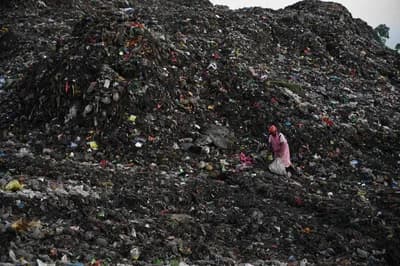
Textile waste dumping devastates developing nations, with the Atacama Desert and Ghana’s Kantamanto Market absorbing 60,000 tons of Western castoffs annually—enough to fill 2,400 shipping containers. Satellite images show toxic mounds poisoning local water and soil, while only 12% of discarded clothes are recyclable.
–
Photos (1)
Comments on "Textile Waste Dumping in Developing Nations"
Have a take on this ranking?
Save your rankings and see how you compare. Comments are how the argument actually happens here. Posting one needs a free account — it takes about a minute.
No comments yet.
The first comment sets the terms of the argument.