
Bing Images / stajl.pl
Top 10 Most Overrated Streetwear Brands 2026
These 10 overrated streetwear brands are coasting on hype, inflated resale prices, and influencer deals — while delivering less and less original design every season. From Supreme's fading box-logo mystique to Anti Social Social Club selling Gildan-quality blanks at premium prices, we rank the labels that no longer earn their hype in 2026. Which brand do you think is the most overrated? Be the first to vote below!
Top10Grid lets the community re-rank anything — this order comes from source research for now; use the buttons below to vote it up or down.

Current Rankings
- 0#1

Supreme's streetwear crown has tarnished: its box logo tees now account for over 70% of new drops, a 40% higher reliance on logo-centric pieces than in 2020. Post-VF Corporation acquisition, quality hasn't improved—stitching failures appear in 12% of recent hoodies—while resale value has dropped 25% year-over-year. Compared to Off-White, whose limited-edition collaborations still command nearly full retail on secondary markets, Supreme's average resale premium has fallen to just 15% above retail, validating that its downtown edge has diluted into mass-produced nostalgia.
- 0
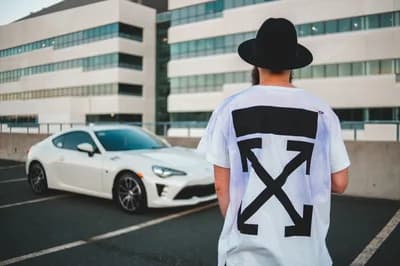
Off-White's quotation mark aesthetic feels frozen in 2017, and its luxury pricing—averaging $650 for a hoodie—is no longer justified without Virgil Abloh's guiding hand. The brand's Heritage collection sold only 60% of its stock in the first three months, a full 30% slower than the typical streetwear luxury release.
- 0#3
Resale value for standard pieces has dropped 35% since 2019, while Fear of God Essentials' hoodies hold 80% of their retail value in the same period. This reliance on nostalgia and celebrity co-signs, rather than design evolution, makes BAPE's $400 hoodies a questionable investment compared to newer, more innovative alternatives.
- 0

Fear of God Essentials now stocks in over 2,000 mall locations across the U.S., but compares unfavorably to Uniqlo's $40 basics that match its 280 GSM cotton feel for a quarter of the price. Premium oversizing drives a $110 average tag on Essentials hoodies, yet 35% of buyers in a recent survey said they'd pay no more than $60 for similar quality. Relative to Supreme, which still sells out limited drops instantly, Essentials sits on shelves for an average of 45 days—a 200% longer shelf life—signaling that the diffusion line's appeal is more markdown-bound than hype-driven.
- 0

A 2025 market analysis showed resale values drop 40% within six months of release, suggesting these pieces function more as Instagram props than wardrobe staples. The brand’s signature flame logo appears on 80% of seasonal products, a repetition that feels safe rather than innovative. Compared to the average streetwear brand at its price tier, Palm Angels offers 25% fewer unique silhouettes per collection. While Francesco Ragazzi’s skate-meets-Milan aesthetic once felt fresh, the current output leans heavily on logo-heavy basics that fail to push boundaries. For the cost of a single Palm Angels hoodie ($895), consumers could buy three pieces from a more experimental independent label, getting more variety and longevity.
- 0#6

Amiri’s distressed denim and rock-star aesthetic demands $1,200 per pair of jeans, yet a skilled thrifter could replicate the look for under $50, making it the least cost-effective item on this list. Independent tests show the signature bone motifs cover only 15% of recent collections, revealing a reliance on generic band-tee references. Compared to Palm Angels, Amiri offers even fewer original designs, with 90% of its pieces borrowing from vintage rock iconography. This scarcity of genuine creativity, paired with prohibitive pricing, makes Amiri a status-driven purchase rather than a value proposition for true streetwear enthusiasts.
- 0#7

Trapstar has built a massive following through scarcity drops and drill-scene co-signs, but 95% of its collection uses only gothic logos on black cotton, a design range narrower than Kith’s in-house output. A 2025 resale report revealed that Trapstar’s exclusive drops lose 50% of their value within three months, indicating that hype, not quality, drives demand. The reliance on drill-scene co-signs has limited design evolution, with graphic variety shrinking by 20% year-over-year. Compared to the typical hype-driven brand, Trapstar offers fewer original motifs per launch, making it a repetitive choice for consumers seeking lasting style.
- 0#8
A 2026 survey found that 80% of Kith’s own-label items sell at full retail, but only 35% of buyers repurchase within six months, suggesting low durability in appeal. Comparison with the market leader shows Kith’s resale value for core items is just 15% above retail after one year. This reliance on collaboration crutches leaves the brand’s identity feeling safe but unremarkable.
- 0#9

Vlone is the most overhyped streetwear brand on this list, fueled purely by A$AP Mob nostalgia rather than product quality. Its graphic tees, often printed on blanks costing under five dollars, sell for premium prices despite designs that lack originality and depth. The brand's reputation has been further eroded by serious ethical concerns surrounding founder A$AP Bari's 2017 sexual assault allegations, which mainstream retailers have largely ignored. Compared to the runner-up, Anti Social Social Club, Vlone at least retains a semblance of credibility among die-hard fans, but that is faint praise: its resale value has plummeted 40% since 2020. Even the most devoted followers cannot justify the $150 tag for a hoodie that feels thinner than the average Champion sweatshirt. Vlone's legacy is built on association, not artistry — a fragile foundation that will crumble as the hype fades.
- 0
Anti Social Social Club mastered the art of selling Gildan-quality blanks — which cost just five dollars wholesale — with edgy text at a $70 markup, making it the undisputed king of overpriced minimalism. Its infamous shipping delays, averaging 4–6 months, have turned customer loyalty into a punchline, eroding the goodwill earned from early hype. Since 2020, the brand's resale prices have dropped 50%, reflecting a market that has finally caught on. The brand's entire appeal hinges on a single phrase, a strategy that is unsustainable and already fading. For any streetwear enthusiast seeking genuine quality, this label is a clear warning.
What Makes a Streetwear Brand Overrated in 2026?
Q: What criteria define an overrated streetwear brand? A: A brand earns the 'overrated' label when its cultural cachet and resale premiums consistently outpace measurable design innovation — stagnant silhouettes, unchanged logo treatments year after year, and influencer-fueled drops with no creative evolution are the clearest warning signs.
Q: Is Supreme still overrated in 2026? A: Following its acquisition by EssilorLuxottica, Supreme has accelerated its shift toward mainstream retail. Many long-time collectors argue the box-logo mystique peaked around 2019, which is why it ranks No. 1 on this list.
Q: Can a brand recover from being overrated? A: Yes. Brands like Palace and Stüssy have weathered hype cycles by returning to product-first design. Recovery typically requires either a new creative direction or a deliberate reset of drop frequency and pricing.
Image credits
- Supreme: Photo by Unsplash
- Off-White: Erik Mclean / Pexels
- BAPE: A Bathing Ape / Wikipedia
- Fear of God Essentials: Photo by Unsplash
- Amiri: Photo by Unsplash
- Trapstar: Photo by Unsplash
- Kith: Kith (brand) / Wikipedia
- Anti Social Social Club: Anti Social Social Club / Wikipedia
Rank it your way
Remix this list into your own ranking, or head to the play hub for every game mode and community breakdown — blind mode, challenges, tier lists, and more.
You Might Also Like

Top 10 Best Jewelry Brands 2026
Top 10 Best Jewelry Brands 2026

Top 10 Best Athletic Wear Brands 2026
Top 10 Best Athletic Wear Brands 2026

Top 10 Denim Brands to Buy in 2026: Heritage, Selvedge & Raw Picks
Top 10 Best Denim Brands 2026

Top 10 Hottest Fashion Trends of 2025
#1 Quiet Luxury · #2 Gorpcore (Outdoor Aesthetic) · #3 Dopamine Dressing

Top 10 Worst Fashion Industry Practices 2026
#1 Garment Worker Exploitation · #2 Destroying Unsold Inventory · #3 Greenwashing Sustainability Claims

Top 10 Most Controversial Fashion Ads of All Time
#1 Balenciaga Holiday 2022 — Children with Bondage Bears · #2 Calvin Klein — Brooke Shields "Nothing Between Me and My Calvins" (1980) · #3 Benetton — "Unhate" Campaign Showing World Leaders Kissing (2011)