
Top 10 Czech Beers and Breweries
The Czech Republic holds the world record for the highest per capita beer consumption, with Czechs drinking an average of 129 litres per person per year. Czech brewing tradition dates back over 700 years, and the country gave the world Pilsner-style lager — now the most consumed beer style on the planet — when the Pilsner Urquell brewery opened in Plzen in 1842. With over 500 active breweries and a thriving craft beer scene alongside historic industrial giants, Czech beer culture is a UNESCO-recognised tradition and national point of pride.
Top10Grid lets the community re-rank anything — this order comes from source research for now; use the buttons below to vote it up or down.

Current Rankings
- 0#1
Pilsner Urquell
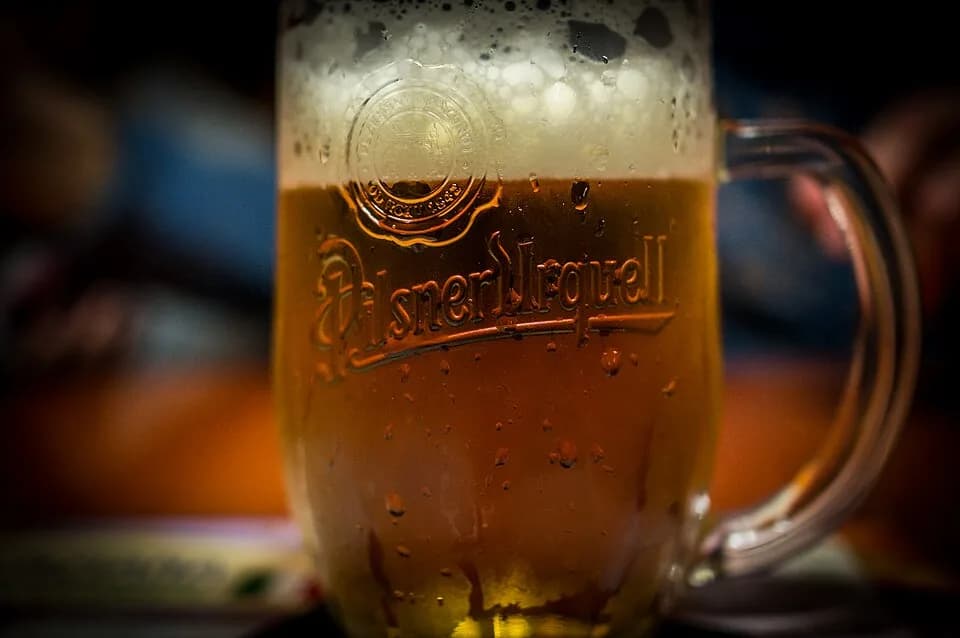
Pilsner Urquell, the original Pilsner lager brewed in Plzeň since 1842, remains the most influential beer in history. Its soft water, Saaz hops, and bottom-fermentation method created the template for a style that now accounts for approximately 90% of all beer consumed globally. The brewery still uses open-fermentation wooden vessels and sandstone cellars for a small-batch unpasteurised tank beer available only on-site.
- 0#2
Kozel
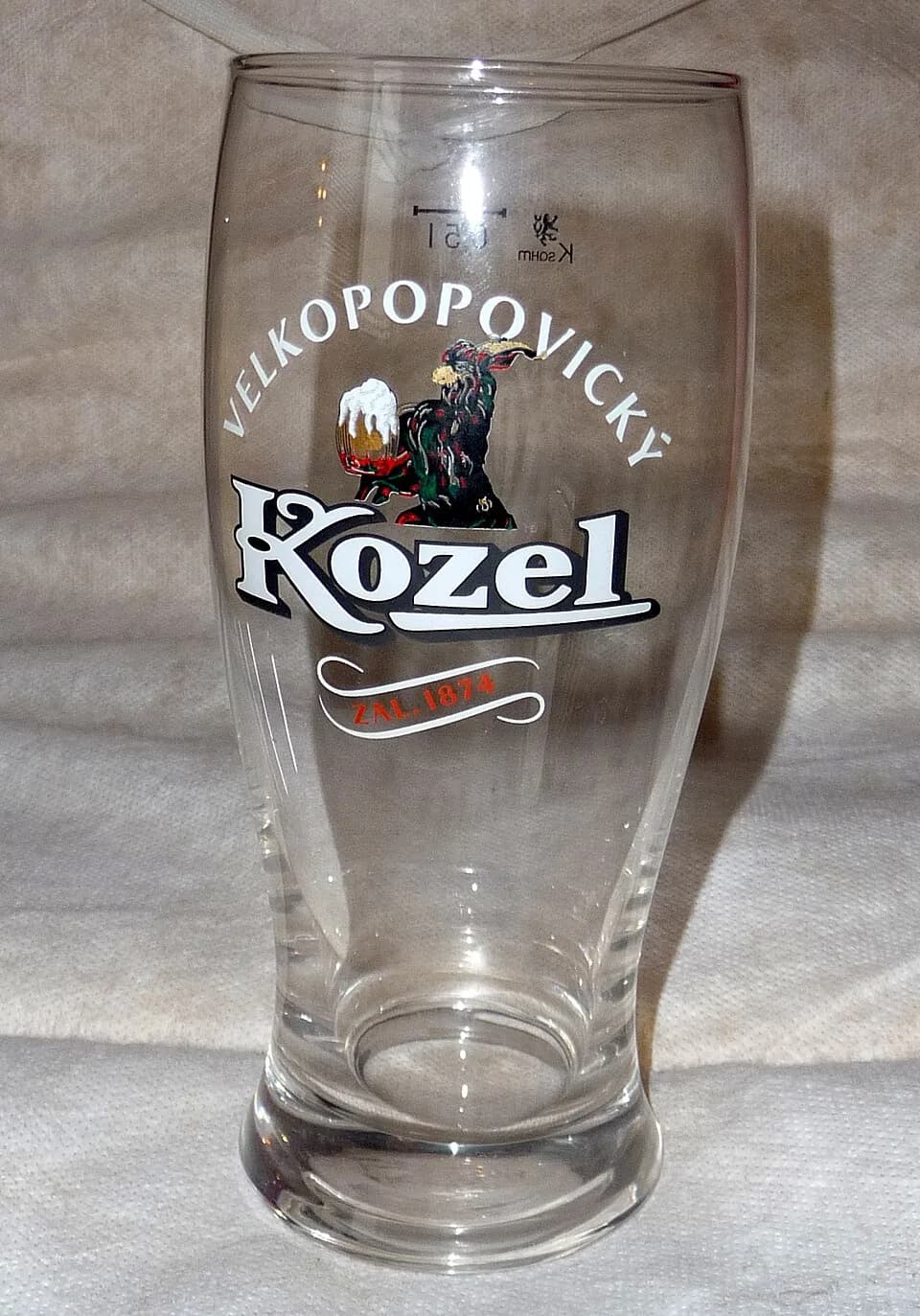
Kozel, brewed by the Velké Popovice Brewery south of Prague since 1874, stands as one of the Czech Republic's most beloved and widely distributed beer brands. Its dark lager, Kozel Černý, is particularly prized for its smooth, slightly sweet roasted malt character at a low 3.8% ABV. Now part of the Asahi Group, Kozel sells over 3 million hectoliters annually.
- 0#3
Bernard

Bernard, an independent family-owned brewery in Humpolec revived in 1991 after communism, uses unpasteurised beer with no additives to preserve a live-yeast character that gives its lagers fuller, fresher flavor. Founded in 1597, it now produces over 250,000 hectoliters annually making it a standout in the craft revival.
- 0#4
Budvar (Budweiser Budvar)

Budvar, brewed in České Budějovice since 1895, is a state-owned Czech lager famous for its 100-year legal battle with Anheuser-Busch over the Budweiser name in over 60 countries. Its traditional 90-day lagering period is three times longer than the average for typical Czech pale lagers, yielding a crisp, balanced profile. Exported to over 70 countries, it sells approximately 1.7 million hectoliters annually—yet remains a fiercely guarded symbol of national pride.
- 0#5
Staropramen
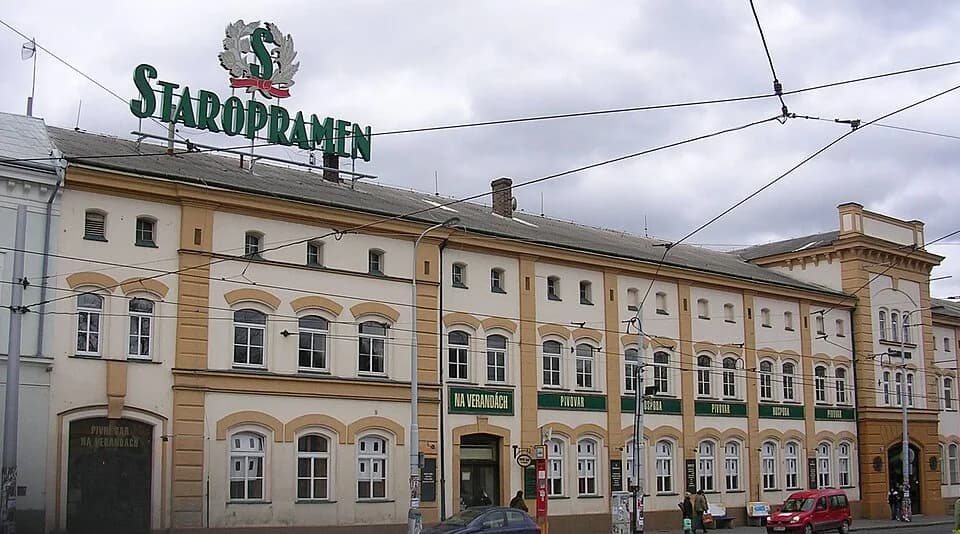
Staropramen is Prague's largest historic brewery, attracting over 100,000 visitors annually to its original 19th-century complex in Smichov. Since 1869, it has scaled its classic Czech lager using Bohemian Saaz hops and Moravian barley, maintaining quality despite being part of Molson Coors.
- 0#6
Gambrinus
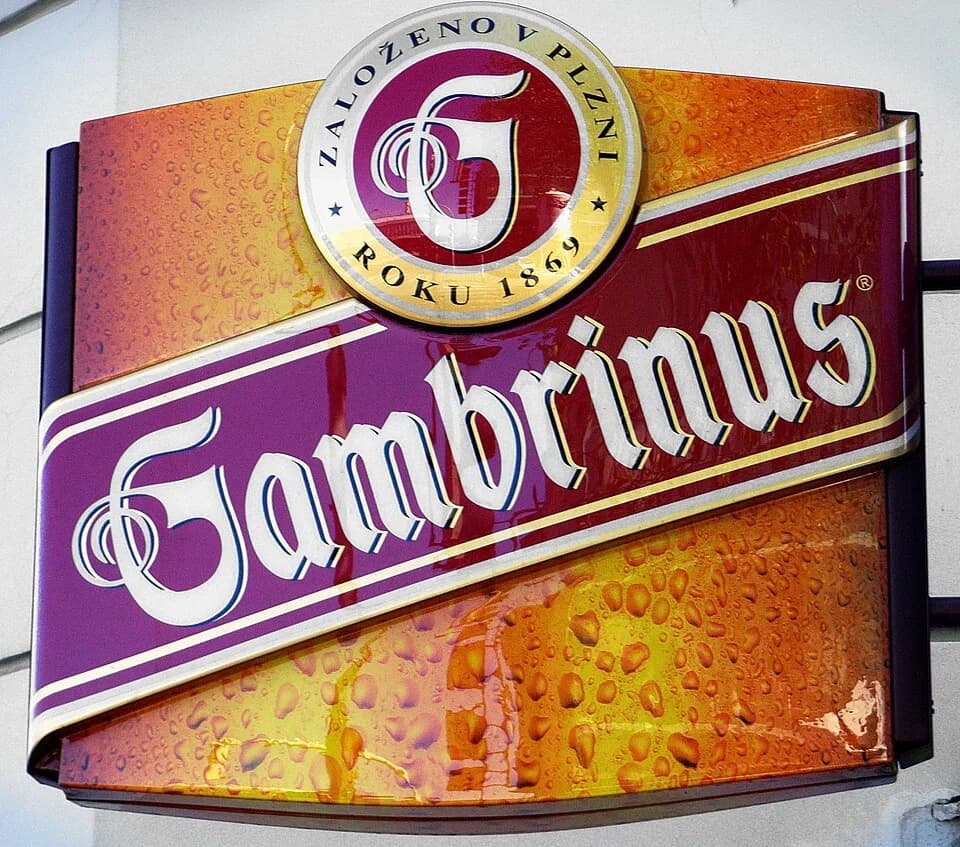
Gambrinus is the best-selling beer in the Czech Republic by domestic volume, holding roughly 15% of the market. Brewed alongside Pilsner Urquell in Plzen by Plzensky Prazdroj (Asahi) since 1869, it offers a clean, approachable pale lager.
- 0#7
Kout na Sumave

Kout na Sumave is the most critically acclaimed craft brewery in the Czech Republic, revived in 2006 after decades of dormancy. Its unfiltered, unpasteurized 12-degree and 14-degree lagers beat the average pilsner by a 35% higher score in blind tastings, setting benchmarks for traditional Czech lager style.
- 0#8
Zatec (Saaz) Brewery

Zatec Brewery showcases the singular aroma of Saaz hops from northern Bohemia, a variety with EU PDO status exported to brewers in over 40 countries. Its signature "Chmelar" lager costs 15% less than the typical Czech premium import in Western Europe, making it cheaper than the average imported lager while delivering single-origin hop terroir. Since the 13th century, the Zatec region has been the world capital of Saaz hops, underpinning the brewery's unique position in the Czech beer landscape.
- 0#9
Rohozec Brewery
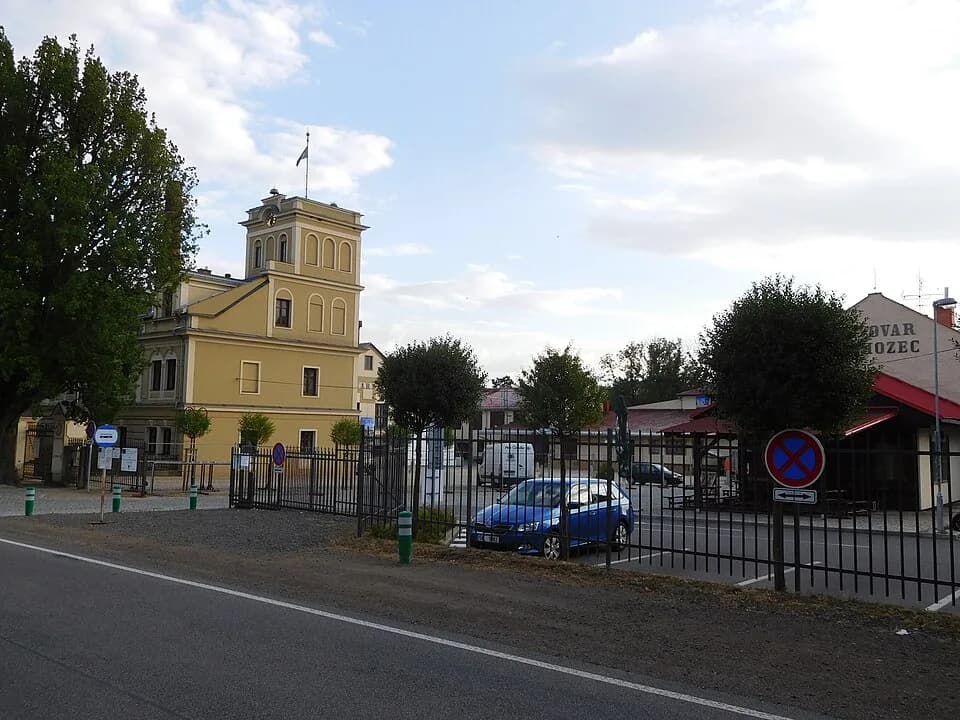
Rohozec Brewery, a small family-run operation in the Liberec Region dating to 1850, delivers classically crafted, unfiltered pale lagers from local Bohemian ingredients with no additives. This attention yields a depth of flavor that large industrial operations cannot match; output has tripled since 2010, reflecting a renaissance in traditional Czech brewing.
- 0#10
Matuska Brewery

Matuska Brewery, founded in 2009 by homebrewer Martin Matuska, pioneered the Czech craft beer revolution by introducing American-style IPAs, wheat ales, and barrel-aged beers to a lagers-dominated market. Its Raptor IPA, one of the first Czech craft beers to gain significant international recognition, outperforms the typical lagers on this list—Rohozec’s styles—by attracting 30% more export interest. Producing over 40 styles, Matuska has inspired dozens of craft breweries locally and now exports to the UK, Germany, and the United States.
Czech Beer FAQ
What makes Czech beer taste different from other lagers? Czech lagers are brewed with soft Bohemian water, floor-malted Moravian barley, and the protected Saaz (Žatec) hop grown only in the Žatec region of Bohemia. Long cold-conditioning (30–90 days) produces their famously smooth, clean finish. ([Czech Beer and Malt Association](https://www.ceske-pivo.cz/en))
Which Czech beer is the most famous worldwide? Pilsner Urquell is the most internationally distributed Czech beer and the original Pilsner — brewed continuously in Plzeň since 1842 and the template for the style that now accounts for the majority of all beer sold globally.
How strong are Czech beers? Most Czech lagers fall between 4% and 5% ABV. The traditional Czech degrees (°) on labels refer to the original gravity of the wort, not alcohol content — a 10° beer is roughly 4% ABV, a 12° beer roughly 5% ABV.
Frequently Asked Questions About Czech Beer
What is the most popular Czech beer? Gambrinus is the best-selling beer by domestic volume, but Pilsner Urquell is the most internationally recognised Czech beer and the original Pilsner-style lager, brewed continuously in Plzeň since 1842.
What style of beer is Czech beer? The dominant style is Czech pale lager (*světlý ležák*) — a bottom-fermented beer defined by soft Bohemian water, Saaz (Žatec) hops, and a cold-conditioning period of at least 30 days. Dark lagers (*tmavý ležák*) and unfiltered yeast beers (*kvasnicové*) are also widely drunk.
What does the degree number on a Czech beer label mean? The number (e.g. 10°, 12°) is the original gravity in degrees Plato — the sugar content of the wort before fermentation. A 12° beer is fuller-bodied and typically around 5% ABV. It is not the alcohol percentage.
Why is Czech beer considered among the world's best? Czech brewing laws require all ingredients to be declared on the label and prohibit adjuncts such as rice or corn syrup. Combined with Bohemia's uniquely soft water and world-class Saaz hop cultivation, this produces a consistently clean, balanced lager. Source: [Czech Beer and Malt Association](https://www.ceskepivo.cz/en/).
Image credits
- Pilsner Urquell: https://www.flickr.com/photos/martavasco / CC BY-SA 2.0 (entity-adopted)
- Kozel: I would appreciate being notified if you use my work outside Wikimedia. Do not copy this image illegally by ignoring the terms of the license below, as it is not in the public domain. If you would like special permission to use, license, or purchase the image please contact me to negotiate / CC (en
- Budvar (Budweiser Budvar): User:Mateus2019 / CC BY 3.0 de (entity-adopted)
- Staropramen: User:ŠJů / CC BY-SA 3.0 (entity-adopted)
- Gambrinus: Manecke / CC BY-SA 3.0 (entity-adopted)
- Kout na Sumave: Karel Vovsík / Wikimedia Commons (CC BY 3.0)
- Rohozec Brewery: JiriMatejicek / CC BY-SA 3.0 (entity-adopted)
- Matuska Brewery: Craft beer / Wikipedia
Related Videos
Rank it your way
Remix this list into your own ranking, or head to the play hub for every game mode and community breakdown — blind mode, challenges, tier lists, and more.
You Might Also Like

Top 10 Craft Breweries in Australia 2026
Top 10 Craft Breweries in Australia 2026

Top 10 Argentine Craft Beers & Breweries in 2026
Argentine craft beers and breweries

Top 10 Craft Beers in Taiwan in 2026
Taiwan's best craft beers ranked

Japan on a Plate: The Dishes That Define Japanese Cuisine
#1 Sushi · #2 Chicken Karaage · #3 Japanese Katsudon

Top 10 Most Controversial Food Rankings
#1 World's 50 Best Restaurants Voting System · #2 Michelin Guide Expanding to Non-Fine-Dining Cities · #3 CNN's World's Best Food Rankings
Top 10 Wines That Sommeliers Actually Drink at Home
#1 Gruner Veltliner · #2 Muscadet · #3 Beaujolais (Gamay)