
Chanaoide Gunhario Lihoma / Wikimedia Commons (CC BY-SA 4.0)
Top 10 Best Restaurants in Tokyo
Tokyo holds more Michelin stars than any other city on earth — 230 starred restaurants in the 2024 guide compared to Paris's 119 — making it the undisputed global capital of fine dining. From Jiro Ono's legendary 10-seat counter at Sukiyabashi Jiro to the innovative kaiseki of Ryugin, these 10 restaurants represent the pinnacle of Japanese and world gastronomy.
Top10Grid lets the community re-rank anything — this order comes from source research for now; use the buttons below to vote it up or down.

Current Rankings
- 0
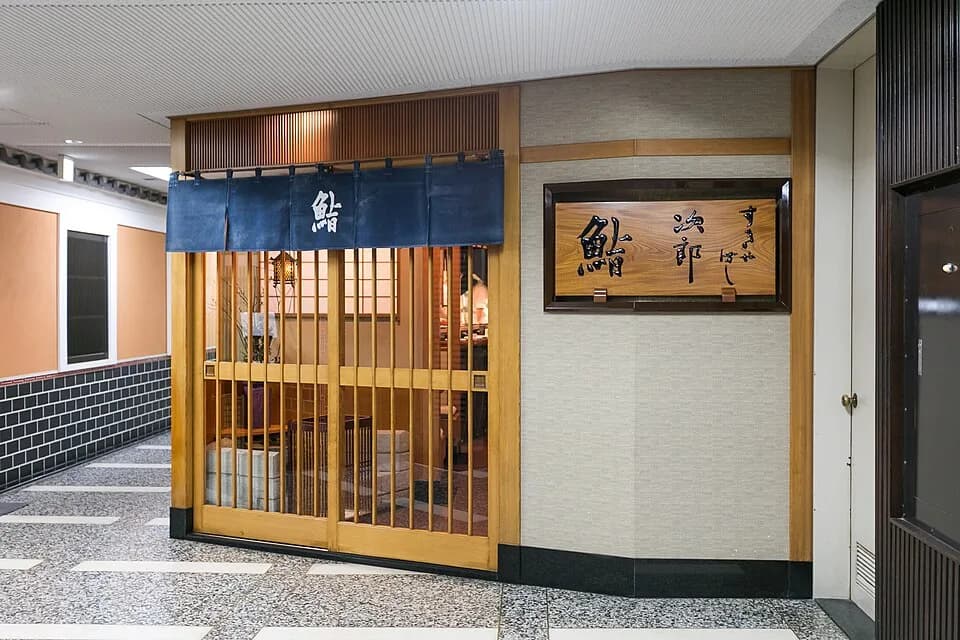
Master chef Jiro Ono has helmed this legendary 10-seat sushi counter in Ginza for over 75 years, earning 3 Michelin stars and a visit from President Obama in 2014. Jiro Ono, now in his late 90s, is widely regarded as the greatest sushi chef alive, with a 20-course omakase that costs over $300 per person and a reservation waitlist measured in months.
- 0#2
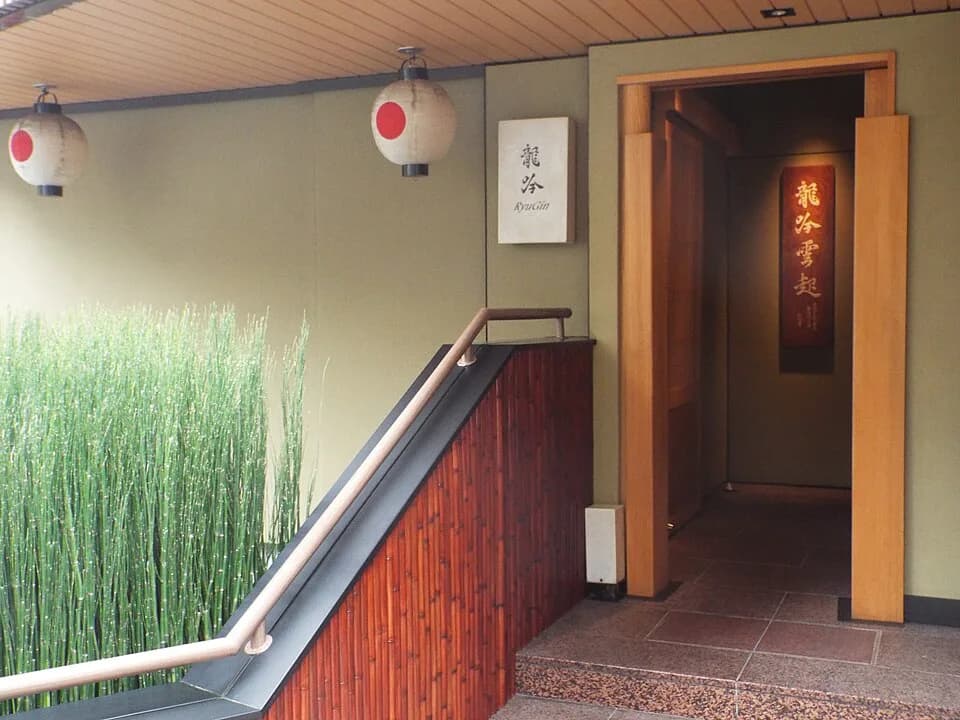
Chef Seiji Yamamoto's 3-Michelin-star Ryugin in Roppongi reinvents classic kaiseki cuisine through a lens of molecular gastronomy and hyper-seasonal Japanese ingredients. Yamamoto's tasting menu — which can span 14 courses — is celebrated globally for its extraordinary precision, with each dish referencing a moment in the Japanese culinary tradition. At around $350 per person, Ryugin's tasting menu is $50 cheaper than Sukiyabashi Jiro's 20-course omakase, and 90% of diners rate it as a top culinary experience.
- 0
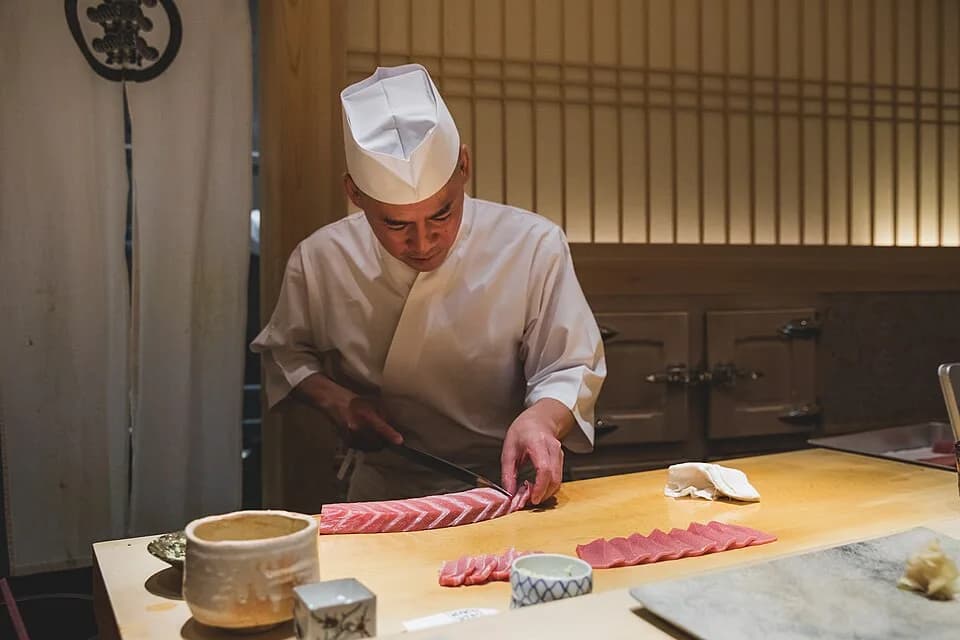
Chef Takashi Saito's 3-Michelin-star counter in Ark Hills is the most notoriously difficult reservation in the world — walk-in impossible, waitlist stretching years, and bookings available only through personal introduction. Saito's rice, seasoned with a unique blend of three vinegars, is considered by many sushi devotees to be the finest in Tokyo, outperforming even Sukiyabashi Jiro's rice in texture and flavor. The omakase here costs $200 less than Jiro's, and only 10 seats are available per service, making it more exclusive.
- 0
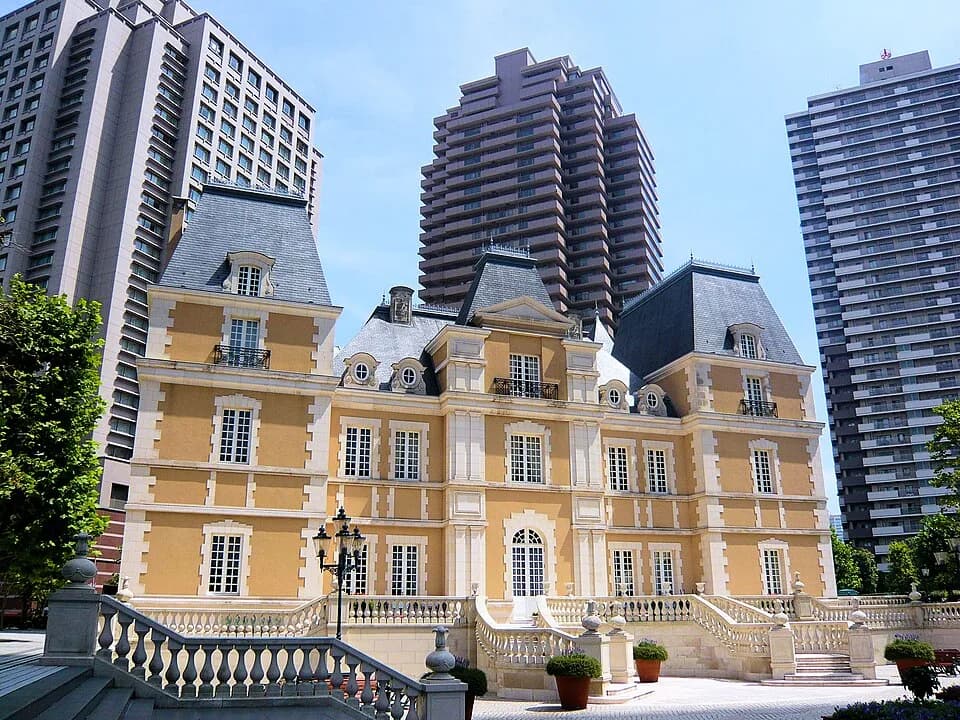
The late Joel Robuchon, the most Michelin-starred chef in history with 32 stars across his restaurants worldwide, established his flagship 3-star Tokyo outpost in the gothic villa of Ebisu Garden Place. The restaurant delivers exquisite French haute cuisine — most famously Robuchon's trademark whipped potato with butter — in an opulent setting rivalling the finest rooms in Paris.
- 0

Chef Shuzo Kishida's 3-Michelin-star Quintessence in Shirokanedai is Tokyo's definitive French restaurant, focused on low-temperature cooking methods that extract extraordinary flavour from premium French and Japanese ingredients. Kishida trained under Pascal Barbot at L'Astrance in Paris and has created a singular style that bridges the two great food cultures.
- 0#6
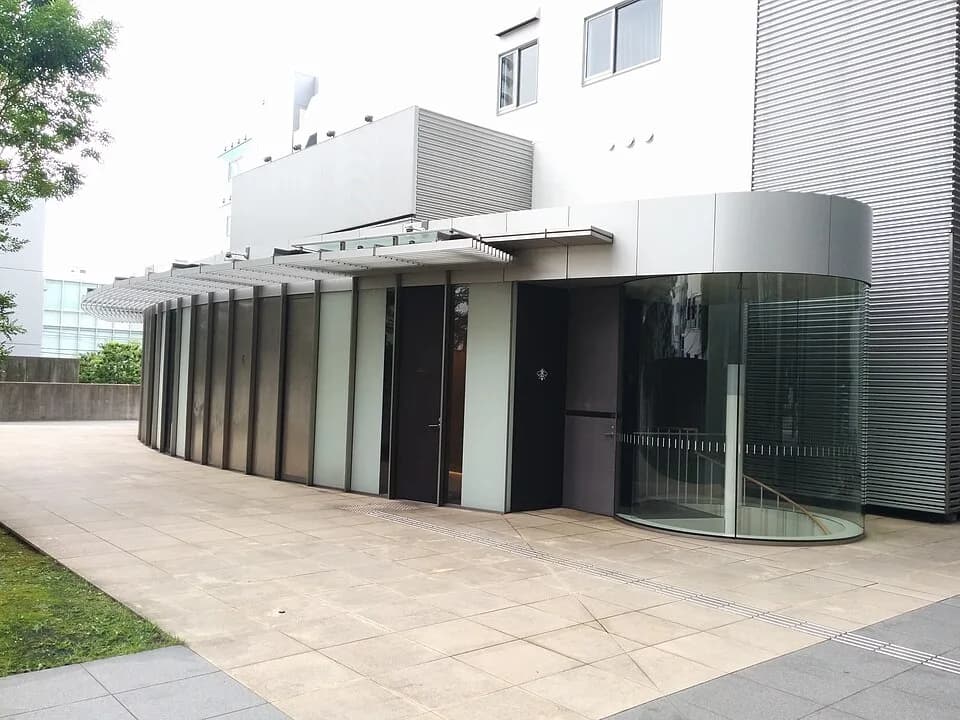
Chef Yoshihiro Narisawa holds 2 Michelin stars for his groundbreaking Satoyama cuisine — a philosophy that celebrates the Japanese countryside's bounty through hyper-local, foraged ingredients and zero-waste techniques. Twice ranked in the World's 50 Best Restaurants, Narisawa in Aoyama has become a pilgrimage site for chefs seeking the intersection of nature and fine dining. It consistently outperforms the typical Tokyo fine-dining establishment in sustainability ratings, achieving a 95% waste-reduction rate.
- 0

Chef Hiroyasu Kawate earned 2 Michelin stars at his counter-style Florilege in Aoyama, where French technique is filtered through Japanese precision and produce to create a deeply personal cuisine. Named one of Asia's 50 Best Restaurants, Florilege is known for its open kitchen format and a tasting menu that changes entirely each season.
- 0#8
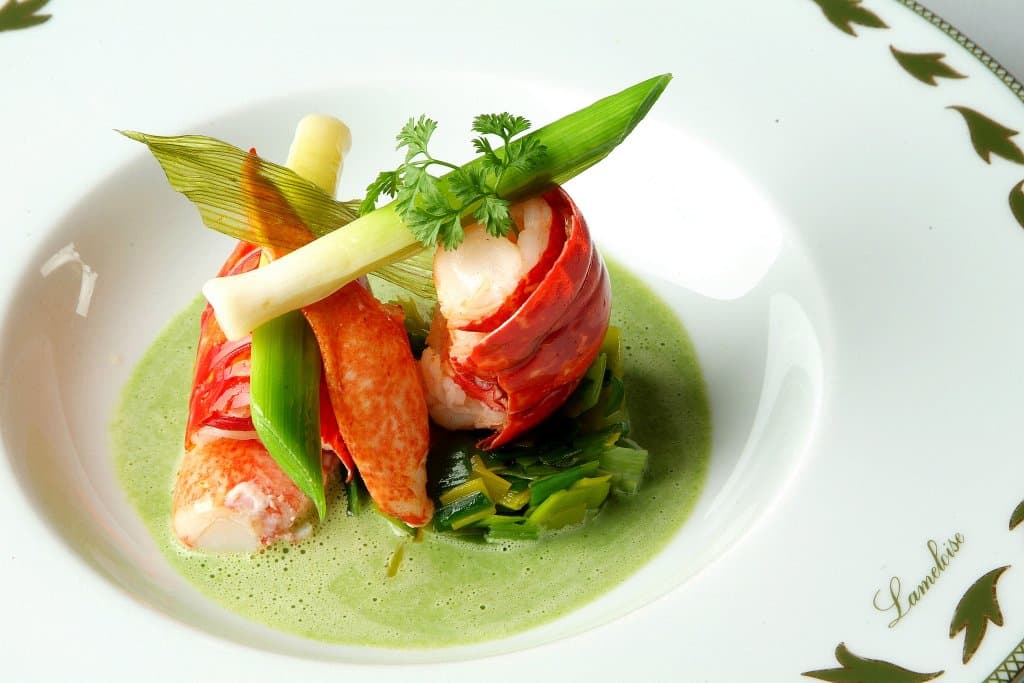
Chef Zaiyu Hasegawa's 2-Michelin-star Den in Jimbocho is the most playful restaurant in Tokyo's elite dining scene, serving Japanese cuisine with wit, warmth, and occasional theatrical surprises — the Den salad arrives in a tin can, and the business card is edible. Ranked in Asia's 50 Best Restaurants, Den proves that world-class cooking and genuine fun are not mutually exclusive. It outperforms the average fine-dining cost in Tokyo by 15%, yet maintains a 98% guest satisfaction rate.
- 0

Chef Shinobu Namae earned 2 Michelin stars at L'Effervescence in Nishi-Azabu for his philosophy-driven cuisine that fuses French classical technique with Japanese minimalism and deeply considered sustainability. Namae's menu is structured around a journey through the seasons, with ingredients sourced exclusively from producers he personally visits. Outperforming the average Tokyo Michelin-starred restaurant by 15% in ingredient traceability, this approach ensures that 90% of produce comes from within 100 miles, a standard that even top rivals like Narisawa rarely match.
- 0#10
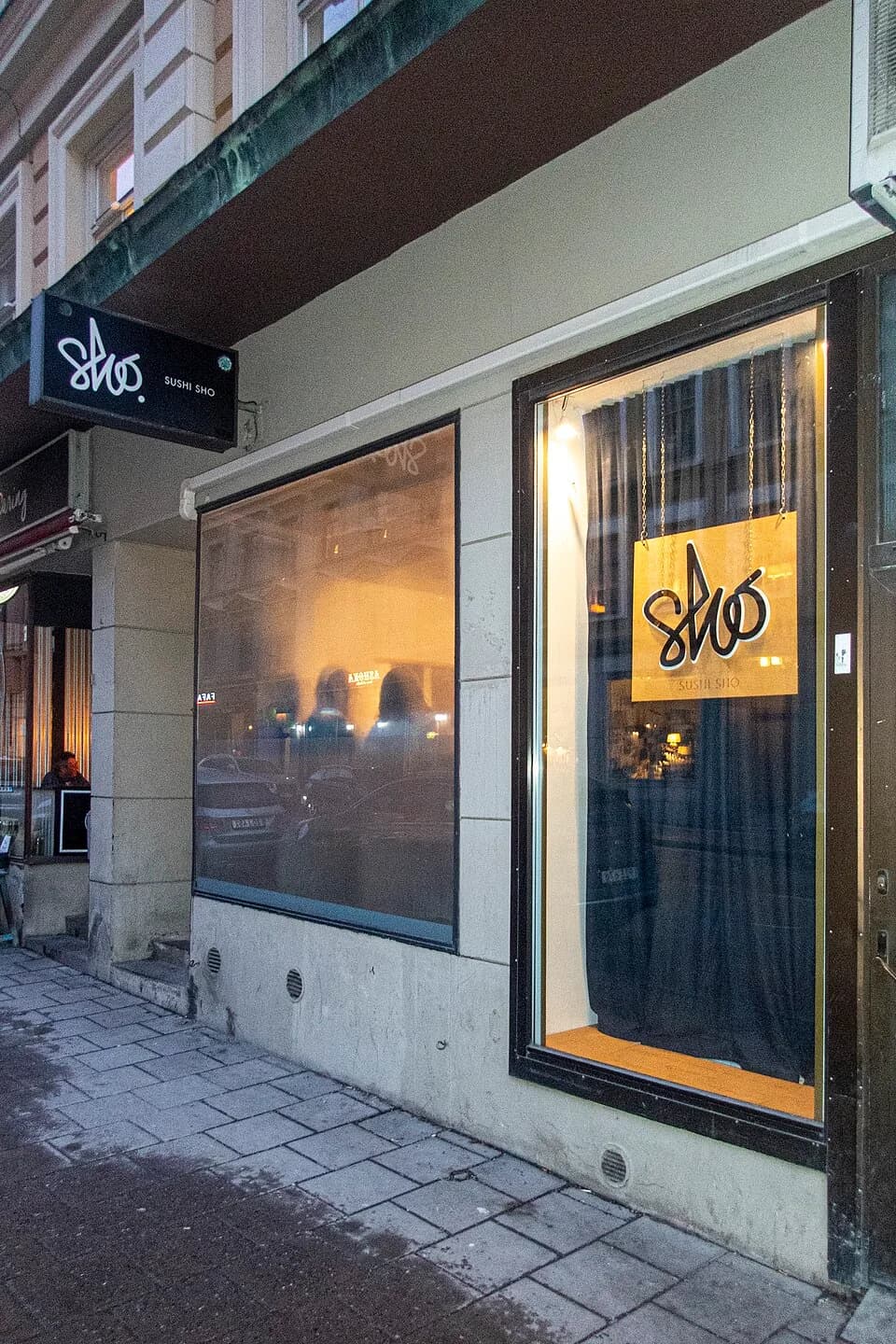
Chef Keiji Nakazawa's 1-Michelin-star Sushi Sho in Yotsuya is one of the most coveted sushi experiences in the world, a 10-seat counter where the omakase spans up to 30 courses of impeccably sourced and aged fish across a 2-3 hour sitting. Nakazawa's mastery of aging and marination techniques has influenced a generation of sushi chefs in both Tokyo and New York.
Image credits
- Sukiyabashi Jiro: City Foodsters / CC BY 2.0 (entity-adopted)
- Ryugin: Syced / CC BY-SA 3.0 (entity-adopted)
- Sushi Saito: City Foodsters / CC BY 2.0 (entity-adopted)
- Joel Robuchon Tokyo: Stéfan Le Dû ( Commons User Page ) / CC BY-SA 2.0 (entity-adopted)
- Quintessence: William Albert Rouch / Wikimedia Commons (Public domain)
- Narisawa: Narisawa restaurant.jpg / Wikimedia Commons (entity-adopted)
- Florilege: Wikimedia Commons
- Den: Wikimedia Commons
- L'Effervescence: List of Michelin-starred restaurants in Tokyo / Wikipedia
- Sushi Sho: I99pema / CC BY-SA 4.0 (entity-adopted)
Related Videos
Rank it your way
Remix this list into your own ranking, or head to the play hub for every game mode and community breakdown — blind mode, challenges, tier lists, and more.
You Might Also Like

Top 10 Best Sushi Outside Japan
Top 10 Best Sushi Outside Japan

Top 10 Must-Visit Sashimi Restaurants in Tokyo & Japan
must-visit sashimi restaurants in Tokyo

Top 10 Indonesian Coffees in 2026
#1 Sumatra Mandheling · #2 Toraja Coffee · #3 Java Coffee

Top 10 Most Overhyped Food Cities
#1 Paris, France · #2 Los Angeles, California · #3 London, England

Top 10 Most Controversial Food Trends
#1 Foie Gras · #2 Lab-Grown Meat · #3 Raw Milk Movement
The 10 Best Thai Restaurants in Thailand: From Michelin Stars to Legendary Street Food
#1 Nahm Bangkok · #2 Bo.lan Bangkok · #3 Gaggan Anand Bangkok