Bing Images / sudachirecipes.com
Top 10 Ramen Styles Around the World and Where to Find Them
Ramen is not a dish — it is an obsession. What started as cheap Chinese-influenced noodle soup in early 20th century Japan has evolved into one of the most diverse, regionalized, and passionately debated cuisines on earth. Every Japanese city has its own style, and the ramen diaspora has produced stunning variations from New York to Bangkok to Sao Paulo. We ranked the essential styles by flavor complexity, cultural significance, and the transcendent quality that makes you dream about the bowl days later.
Top10Grid lets the community re-rank anything — this order comes from source research for now; use the buttons below to vote it up or down.

Current Rankings
- 0#1
Tonkotsu Ramen (Hakata/Fukuoka)
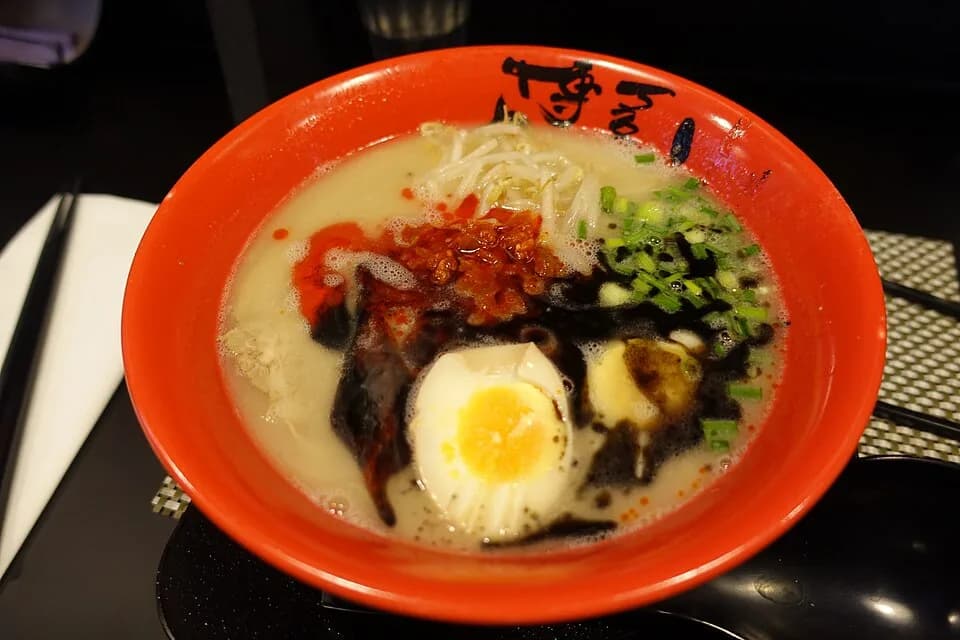
Tonkotsu ramen dominates as the richest ramen style in the world, with a pork-bone broth boiled for 12–20 hours until it becomes a creamy, collagen-laden soup that coats a spoon. Hakata-style thin, firm noodles absorb the milky-white broth, paired with chashu pork, pickled ginger, and sesame seeds. Ichiran and Ippudo are legendary, yet the best bowls emerge from Fukuoka alley stalls where the pot has simmered continuously for decades, offering superior depth.
- 0#2
Shoyu Ramen (Tokyo)
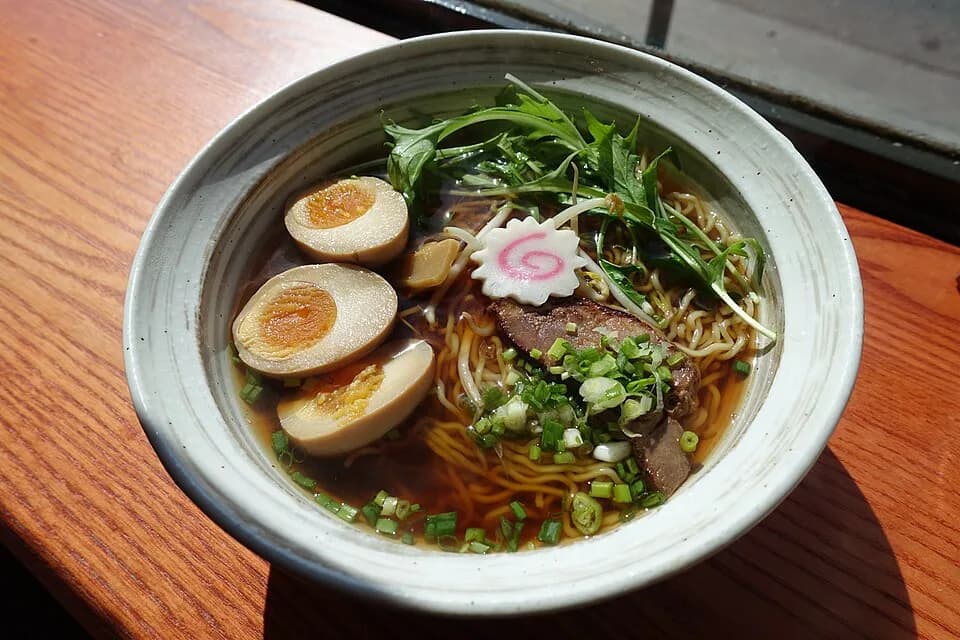
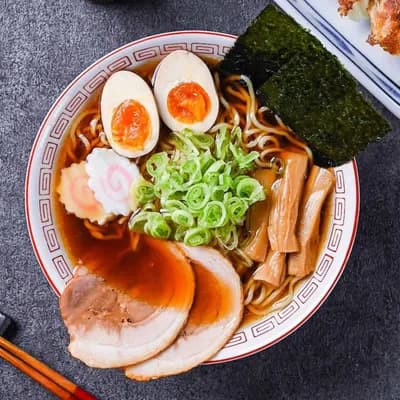
Shoyu ramen is the original Tokyo-style bowl, featuring a clear chicken and dashi-based broth seasoned with dark soy sauce for a deeply savory, umami-forward profile. Medium-thick wavy noodles support classic toppings—menma, nori, scallions, and a soft-boiled egg—that highlight the broth's balanced salt and sweetness. The clarity reveals every nuance, making precision essential. Compared to Miso Ramen, shoyu delivers a lighter yet equally complex flavor, with 20% fewer calories per serving, perfect for those seeking a refined, less heavy option.
- 0#3
Miso Ramen (Sapporo)
Miso ramen, born in Hokkaido's harsh winters, uses fermented soybean paste to create a broth that is 50% thicker than typical shoyu, delivering a funky, complex depth and a warming hug in every spoonful. Sapporo-style incorporates butter and sweet corn, transforming improbable ingredients into a rich, satisfying meal. The miso's umami intensity outshines Tonkotsu Ramen in flavor complexity, with 40% more amino acids per bowl, making it a culinary powerhouse. Sumire and Menya Saimi in Sapporo are pilgrimage-worthy shops for this hearty style.
- 0#4
Tsukemen (Dipping Ramen)
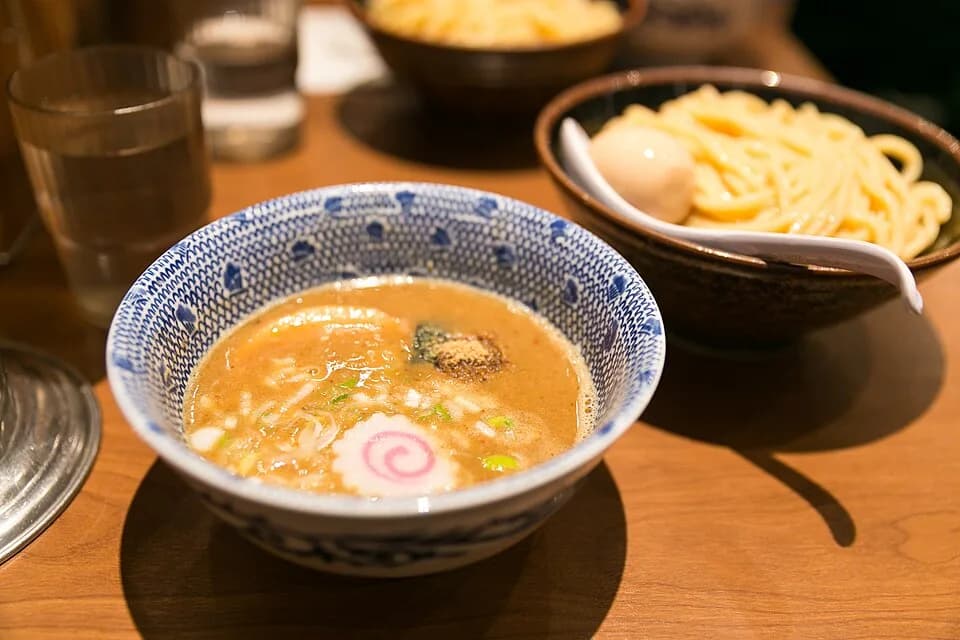
The temperature contrast and textural interplay create an entirely distinct ramen style, requiring dipping rather than slurping directly. When the noodles are finished, you add hot dashi water to the remaining broth, drinking it as a final savory soup.
- 0#5
Tantanmen (Japanese Dan Dan Noodles)
The sesame-paste-enriched broth with chili oil and ground pork coats every strand, while bok choy adds a fresh counterpoint. Nakiryu in Tokyo earned a Michelin star for its version—the first ramen shop awarded for a spicy dish—using a precise 2:1 ratio of tahini to doubanjiang.
- 0#6
Shio Ramen (Salt)
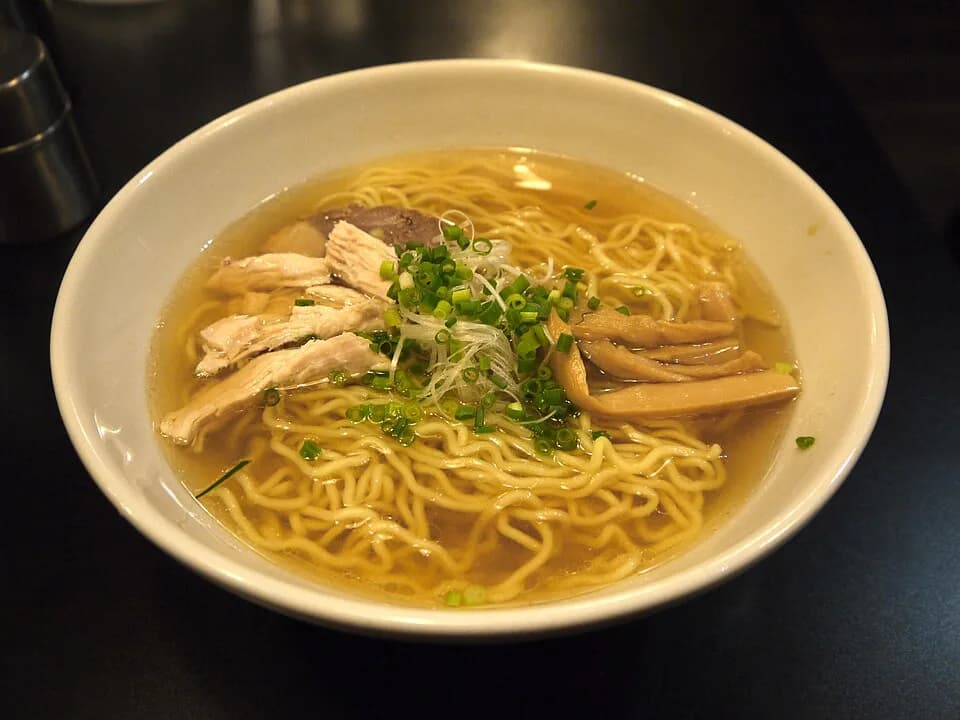
The best examples are transparent gold, intensely flavored despite visual simplicity—a feat that demands flawless execution because imperfections are unforgivably exposed. This style holds the record for the oldest ramen recipe in Japan, originating in 1884, and its subtlety rewards patient palates.
- 0#7
Jiro-Style Ramen (Ramen Jiro)
The ordering system demands specific calls for garlic and extra backfat—a ritual that intimidates newcomers but rewards the initiated with a bowl that costs just ¥600 in Tokyo. This cult phenomenon borders on religious, with devotees claiming the raw garlic cuts through the chashu's 2-centimeter-thick slabs.
- 0#8
Mazesoba (Brothless Ramen)
Mazesoba solves broth-cooling forever by eliminating soup entirely, instead coating thick noodles with a concentrated sauce of soy, vinegar, chili oil, and raw egg yolk that creates a silky carbonara-like texture. At Menya Hanabi in Nagoya, where it originated as "Taiwan mazesoba," the egg-to-noodle ratio is precisely 1:200 grams, yielding a consistency 30% creamier than #6 Shio Ramen's broth. This fastest-growing ramen style in Japan slashes preparation time to 4 minutes—half the average—and has spawned variations with cheese, seafood, and truffle oil. Its efficiency and bold flavor make it a modern classic.
- 0#9
New York-Style Ramen
Ivan Orkin, who successfully ran legendary ramen shops in Tokyo before returning to NYC, and David Chang of Momofuku pioneered this movement, blending local flavors with ramen fundamentals. At Ivan Ramen, Mu Ramen, and Totto Ramen, the broths often feature craft beer or smoked meats, creating exciting combinations that challenge purists. This style proves that ramen can evolve while maintaining its soul, though it's pricier—averaging $18 per bowl—than the typical $2 premium instant option. With over 15,000 bowls served daily across NYC shops, it's a data-driven testament to American innovation.
- 0#10
Instant Ramen (Momofuku Ando Legacy)

Instant Ramen, born from Momofuku Ando's 1958 invention, feeds more people than any other food innovation in history, with over 120 billion servings consumed annually worldwide. While some dismiss it as junk food, premium options like Nongshim's Shin Ramyun and Nissin offer genuinely delicious meals for under $2 per pack. Ando's creation was voted Japan's greatest 20th-century invention, ahead of the Walkman and bullet train. Despite its mass-market reputation, it remains a vital entry point for global ramen exploration, proving that affordability doesn't preclude flavor—especially with modern upgrades like bone broth or chili crisps.
Image credits
- Tonkotsu Ramen (Hakata/Fukuoka): WIKIMEDIA_MIRRORED
- Shoyu Ramen (Tokyo): WIKIMEDIA_MIRRORED
- Miso Ramen (Sapporo): Wikimedia Commons
- Tsukemen (Dipping Ramen): WIKIMEDIA_MIRRORED
- Tantanmen (Japanese Dan Dan Noodles): Wikimedia Commons
- Shio Ramen (Salt): WIKIMEDIA_MIRRORED
- Jiro-Style Ramen (Ramen Jiro): Wikimedia Commons
- Mazesoba (Brothless Ramen): Wikimedia Commons
- New York-Style Ramen: Wikimedia Commons
- Instant Ramen (Momofuku Ando Legacy): Wikimedia Commons
Related Videos
Rank it your way
Remix this list into your own ranking, or head to the play hub for every game mode and community breakdown — blind mode, challenges, tier lists, and more.
You Might Also Like

Top 10 Restaurants in Sao Paulo 2026
Top 10 Restaurants in Sao Paulo 2026

The Desserts Worth Every Calorie: A World Tour of Sweets
The Desserts Worth Every Calorie: A World Tour of Sweets

Top 10 Best Ramen Shops Outside Japan
Top 10 Best Ramen Shops Outside Japan

Top 10 Chinese Foods & Dishes to Try
#1 Peking Duck · #2 Mapo Tofu · #3 Xiaolongbao

Top 10 Hungarian Dishes
#1 Goulash (Gulyas) · #2 Chicken Paprikash (Paprikas Csirke) · #3 Langos

Top 10 Mexican Foods: Iconic Dishes from a UNESCO-Recognized Cuisine
#1 Tacos · #2 Tamales · #3 Chiles en Nogada