
Wikimedia Commons (CC BY-SA 3.0)
Top 10 Must-Try Spanish Tapas
No country has mastered the art of sociable, stand-up eating quite like Spain. Forget formal dining; tapas are all about grazing, chatting, and hopping from bar to bar. This tradition, deeply rooted in southern Spain, offers a culinary journey unlike any other. Legend has it that tapas originated when Andalusian bartenders used small plates of food to cover drinks, protecting them from flies. Another tale suggests a royal decree mandated taverns serve food with alcohol. Whatever the true origin, the custom evolved into the vibrant 'tapeo' we know today – a convivial crawl from 8 PM to midnight, moving between establishments every 45 minutes or so, with each stop costing roughly €10–20 per person. Our Top 10 list guides you through the essential Spanish tapas, considering what truly matters to a seasoned tapeador: the dish's regional authenticity, its price point, the intensity of its flavors from subtle to bold, the culinary technique required for its perfection, and ultimately, how satisfying it is as your evening stretches on. From the simple elegance of marinated olives to the intricate, two-day process behind a perfect croqueta, and from the pure, unadulterated pleasure of Jamón Ibérico to the sizzling, communal drama of gambas, this list covers the full spectrum. You'll want bread on the table for almost everything – trust us, you'll need it.
Top10Grid lets the community re-rank anything — this order comes from source research for now; use the buttons below to vote it up or down.

Current Rankings
- 0
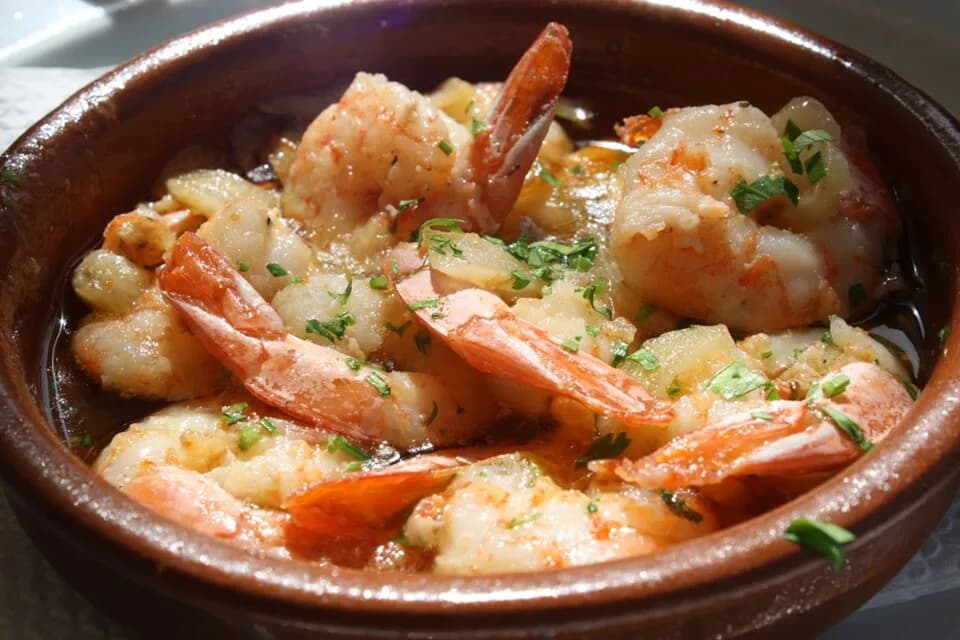
This is the gold standard, the benchmark against which every other tapa on this list, and indeed in Spain, gets measured. A clay cazuela arrives at your table, still vigorously bubbling with olive oil, garlic, and dried guindilla chilli, forming an aromatic pool that practically begs for bread. The prawns themselves can vary; coastal cities like Málaga or San Sebastián typically feature fresh Atlantic prawns, while inland in Madrid, high-quality frozen tiger prawns are more common. Regardless, the dish should hit your table with the irresistible scent of sweet seafood and toasted garlic, the oil a deep yellow-gold and intensely fragrant. Expect to pay €8–15, depending on the city and the size of the prawns. A quick tip: the quality of the oil is a tell – if it’s pale and thin, the garlic was rushed, or the heat was too low. Order it first at any bar; it arrives fast, is always piping hot, and immediately reveals the caliber of the kitchen. Keep that bread coming to soak up every last drop before it cools.
- 0
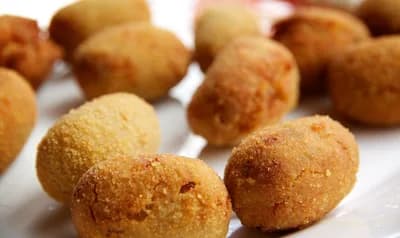
A truly great croqueta is a two-day project: a rich, thick béchamel, often enriched with jamón, bacalao (salt cod), or wild mushrooms, is prepared and then chilled until perfectly firm. Only then is it shaped into small oblongs, breaded, and fried to order. The crust should audibly shatter with the first bite, revealing an interior that is barely set and wonderfully molten at its core. While Jamón Ibérico is the classic filling, Basque Country versions featuring bacalao offer a serious contender for depth of flavor. Madrid's Casa Labra, open since 1860, is famous for its bacalao croquetas and fried cod, widely considered a benchmark for the dish. Expect to pay €2–4 per piece at a mid-range bar, with specialist spots charging slightly more. We recommend ordering at least three; they’re smaller than you anticipate and even better than you remember.
Sourcesen.wikipedia.org - 0
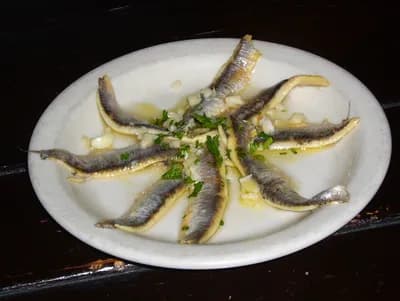
These white anchovies, cured in white wine vinegar and brightened with garlic and flat-leaf parsley, are a pure expression of Mediterranean Spanish cooking. The preparation is essentially a ceviche: the vinegar's acidity denatures the fish protein, transforming raw fillets into an opaque, firm texture without any heat. The finest boquerones hail from Málaga, where anchovies caught in the Mediterranean are considered ideal for this delicate preparation. You'll also find excellent versions along the Costa Brava and the Cantabrian coast. Look for fillets that are vibrant white, avoiding any grey or yellowish discoloration, with a firm bite, and generously dressed with olive oil to perfectly balance the vinegar's sharpness. A racíon typically costs €5–10 at most bars. This dish, perhaps more than anything else on this list, pairs beautifully with a chilled glass of fino sherry. Steer clear of pre-packaged, brine-packed versions – they're a completely different product and won't deliver the authentic experience you're seeking.
- 0
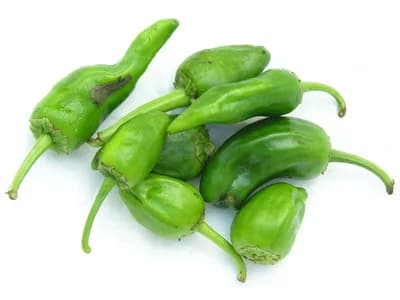
These small green peppers originate from Padrón, a municipality in the Galician province of A Coruña, and they come with a well-known Galician saying that resonates in every Spanish bar: 'uns pican e outros non' – some are hot, some are not. Statistically, about one in five delivers a genuine kick, while the rest are mild, sweet, and wonderfully vegetal. This unpredictability is precisely the appeal; sharing a plate becomes a delightful, communal lottery. Preparation is deliberately minimal: they're blistered in very hot olive oil, drained, and then dusted with coarse sea salt. Expect to pay €5–9 for a generous racíon. While they peak in late summer during Galicia's growing season, you’ll find them year-round throughout Spain. A cold Estrella Galicia is the perfect complement to this rustic, exciting tapa.
- 0
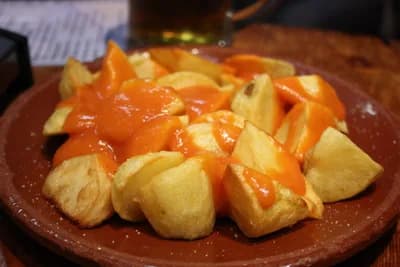
Few tapas divide Spain geographically as distinctly as patatas bravas. Madrid’s canonical version insists on a pure, spiced tomato sauce, strictly without aioli, accompanying floury potatoes that are fried twice for an intensely crisp exterior and a tender interior. Barcelona, however, particularly the renowned Bar Tomás in the Sarrià neighborhood, serves its potatoes with both a garlicky aioli and a separate hot sauce, applied individually to each piece. Neither city is willing to concede the argument. The potatoes should be thick-cut, expertly fried rather than baked, and notably crispy; the sauce should coat the potatoes generously without flooding the plate. Price-wise, expect to pay €4–8 almost universally across Spain. This is often the dish a bar uses as its opening audition for your loyalty; a weak bravas sauce is a perfectly valid reason to move on to the next stop.
- 0
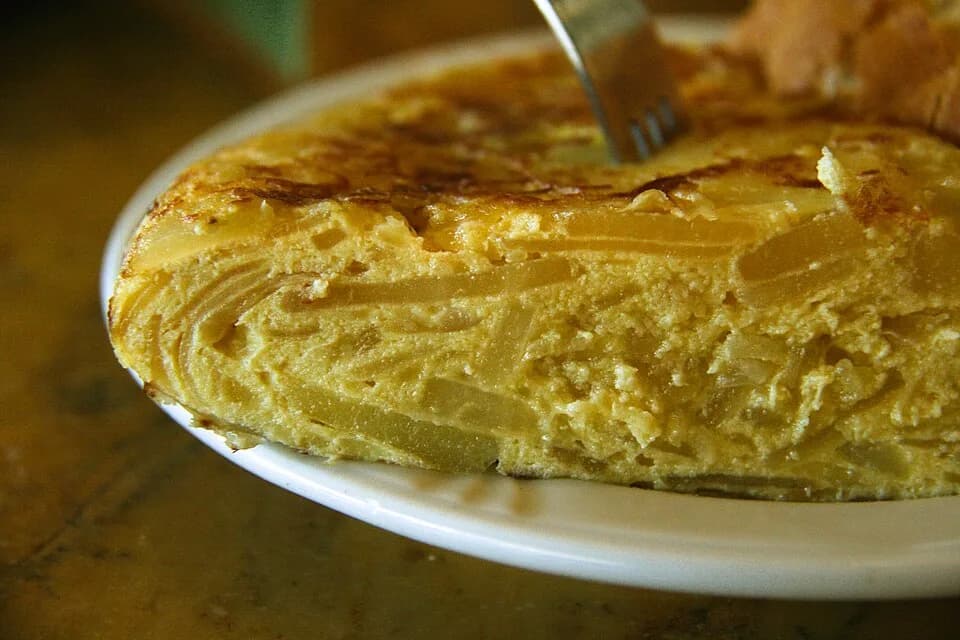
The tortilla is Spain's quintessential answer to the frittata, and most Spaniards would argue it's a significant improvement. The classic recipe calls for just three ingredients: eggs, potatoes, and olive oil, though the national debate over the inclusion of onion ('tortilla con or sin cebolla') is as intense as any constitutional matter. The critical technique lies in the confit: potatoes are slowly cooked in ample olive oil at a low temperature until they are completely tender before the eggs are incorporated. A truly great tortilla is wonderfully custardy at its center, golden at its edges, and always served at room temperature, never straight from the pan. Thickness is a key indicator of quality – aim for at least 4cm tall. Bar Nestor in San Sebastián is legendary for making just one tortilla per day, cut to order from midday, with a queue forming well in advance. Expect to pay €5–10 for a wedge. Among all the dishes on this list, tortilla is the most likely to satisfy as a substantial, standalone meal.
- 0
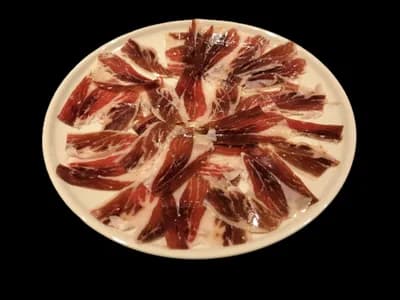
Jamón Ibérico de Bellota originates from free-range Iberian black pigs, traditionally fattened on acorns during the 'montanera' season, which runs roughly from October to March. The finest legs, from estates around Jabugo in Huelva or Guijuelo in Salamanca, are cured for a minimum of 36 months, with many extending to 48 months. The result is a ham with exquisitely marbled white fat that melts cleanly at room temperature, releasing a nutty sweetness that even prosciutto di Parma, its most obvious international comparison, struggles to match in complexity or depth. At a top-tier tapas bar, you are paying for both the exceptional product and the cortador's precision: a skilled slicer produces translucent sheets that allow the flavor to unfold slowly across your palate. Expect to pay €10–20 for a plate. A critical note: never refrigerate leftovers; cold fat completely destroys its delicate texture.
- 0

Spanish meatballs, more than any other dish on this list, serve as a delicious reminder that tapas culture has deep roots in home cooking, rather than merely restaurant theatrics. The meatball mixture typically combines pork and veal – sometimes lamb in Andalusia – seasoned with garlic, parsley, and a subtle background note of cumin. The sauce is a reduced sofrito of tomato, onion, and white wine, requiring at least an hour to achieve its proper depth and consistency. A proper racíon will typically provide six to eight meatballs, along with enough sauce to justify a second basket of bread. Expect to pay €8–14. Quality here can vary more than with simpler preparations; the sauce should be thick and slightly sweet, never watery or sharply acidic. If the meatballs appear perfectly identical and machine-formed, it's a good sign to consider your next stop.
- 0

Spain, as the world's largest olive oil producer and home to over 200 catalogued olive varieties, clearly takes this fruit very seriously. At most Spanish bars, a dish of marinated olives arrives the moment you order your first drink – sometimes complimentary, sometimes €2–4 – serving as an immediate indicator of a bar's overall quality. Aceitunas aliñadas go far beyond simple table olives: cured olives are marinated for several days in a fragrant mixture of garlic, cumin, fennel seed, fresh thyme, lemon zest, and olive oil. Manzanilla olives from the Sevilla area are the most commonly used variety, while gordal olives (large queen olives, also from Sevilla) deliver a meatier, more buttery result. While they are the lowest-technique item on this list to prepare at home, the difference between a well-marinated olive and a jar of supermarket brine-packed olives is significant. Start your tapa journey here; order everything else while you slowly work your way through them.
- 0

Manchego cheese proudly carries a PDO (Protected Designation of Origin), guaranteeing its exclusive production in the La Mancha region of central Spain, using milk from Manchega sheep. The aging process dictates its character: 'fresco' (under 2 weeks) is mild and milky; 'semicurado' (3 weeks to 3–4 months) develops a firmer body and buttery notes; 'curado' (3–6 months) brings the sharp, grassy bite that makes this cheese truly shine at a bar; and 'viejo' (1–2 years) introduces a crystalline, almost Parmesan-like crunch. Pair any stage with membrillo – quince paste – whose bright acidity expertly cuts through the cheese's richness, much like a good chutney complements aged cheddar. Expect to pay €6–12 for a generous plate. A small glass of Pedro Ximénez sherry alongside is one of Spain’s quieter, yet most profound, pleasures.
Sourcesen.wikipedia.org
Image credits
- Gambas al Ajillo: WIKIMEDIA_MIRRORED
- Croquetas: Croquette / Wikipedia
- Boquerones en Vinagre: Boquerones en vinagre / Wikipedia
- Pimientos de Padrón: Padrón pepper / Wikipedia
- Patatas Bravas: Patatas bravas / Wikipedia
- Tortilla Española: WIKIMEDIA_MIRRORED
- Jamón Ibérico (Sliced): Jamón ibérico / Wikipedia
- Manchego con Membrillo: Manchego / Wikipedia
Related Videos
Rank it your way
Remix this list into your own ranking, or head to the play hub for every game mode and community breakdown — blind mode, challenges, tier lists, and more.
You Might Also Like

Top 10 Spanish Desserts to Try in 2026 (Churros, Flan, Tarta de Santiago & More)
Top 10 Spanish Desserts to Try in 2026 (Churros, Flan, Ta...

Top 10 Iconic Spanish Food Dishes
Top 10 Iconic Spanish Food Dishes

Top 10 Michelin-Starred Restaurants in Spain
top Michelin-starred restaurants in Spain

Top Craft Breweries — Colorado — May 2026
#1 10 Barrel Brewing Co - Denver · #2 105 West Brewing Co · #3 12Degree Brewing
Top Craft Breweries — California — September 2026
#1 10 Barrel Brewing Co · #2 101 North Brewing Company · #3 14 Cannons Brewing Company
Top Craft Breweries — San Diego — September 2026
#1 10 Barrel Brewing Co · #2 2Kids Brewing Company · #3 32 North Brewing Co