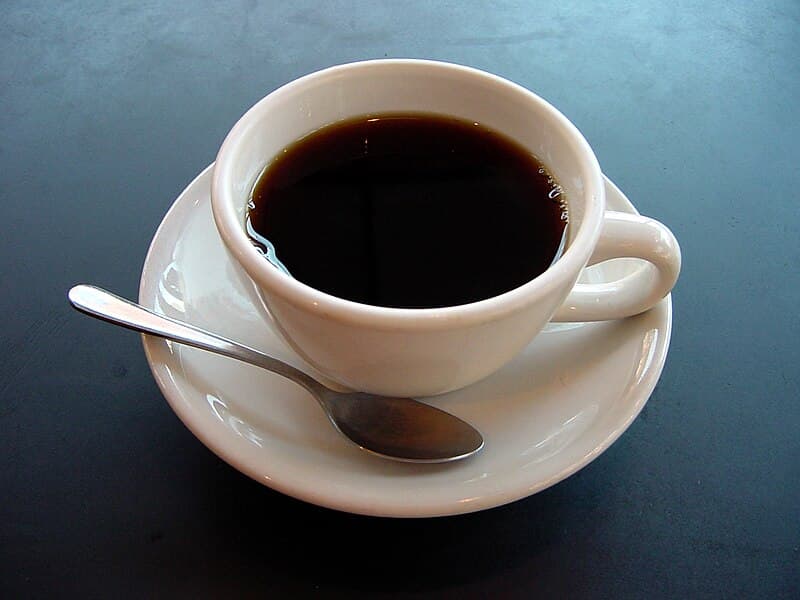
Wikimedia Commons (CC BY-SA 4.0)
A great cocktail is a lesson in balance โ the precise tension between spirit, sweetness, acidity, and bitterness that turns a handful of ingredients into something far greater than their sum. These ten classics have earned their status not through fashion but through decades (and in some cases over a century) of continuous service, each representing a different philosophy of what a drink can be. Whether you are at a neighbourhood bar or a white-tablecloth hotel, these are the cocktails that every bartender should know and every drinker should try.
Curated by our food editors. Critical reception and community vote both shape the ranking โ updated as opinions shift.

The Martini is the cocktail against which all others are measured โ a crystalline blend of gin and dry vermouth, stirred over ice and served in a chilled coupe or V-glass, garnished with a twist of lemon peel or an olive. Its origins are disputed: some trace it to the Martinez cocktail of the 1880s, others to the Knickerbocker Hotel in New York around 1912. The ratio of gin to vermouth has been a subject of obsessive debate for over a century, ranging from a 3:1 pour to Winston Churchill's famous instruction simply to bow in the direction of France. The Vodka Martini โ made famous by James Bond's preference for a "shaken, not stirred" Vesper โ is its most celebrated modern variation.
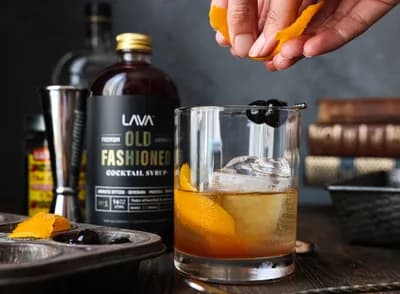
The Old Fashioned is the original cocktail in the strictest sense of the word: the first printed definition of a "cock-tail" in 1806 described exactly this โ a spirit, sugar, bitters, and water. Made with bourbon or rye whiskey, a sugar cube muddled with Angostura bitters, and expressed orange peel, it is a drink that rewards patience and technique. Popularised by the Pendennis Club in Louisville, Kentucky in the late 19th century, it fell out of fashion in the mid-20th century before a renaissance driven in part by the TV series Mad Men made it the definitive drink of the craft cocktail revival.

The Negroni was allegedly born in Florence in 1919 when Count Camillo Negroni asked his bartender to strengthen an Americano by replacing the soda water with gin โ and in doing so created one of the most perfectly balanced cocktails ever conceived. Equal parts gin, Campari, and sweet vermouth, stirred and served over ice with an orange peel, it delivers a complex, bittersweet flavour profile that is simultaneously approachable and sophisticated. The Sbagliato, made with Prosecco in place of gin, and the White Negroni, substituting Lillet Blanc and Suze, are among its most celebrated variations, but the original remains stubbornly unimprovable.

The Margarita โ tequila, fresh lime juice, and triple sec or Cointreau, served in a salt-rimmed glass over ice or blended โ is the best-selling cocktail in the United States and one of the most recognised drinks in the world. Its precise origin is contested, with several bartenders claiming credit in the 1930s and 1940s, but the most credible story traces it to Tijuana socialite Margarita Sames, who mixed it for guests at her Acapulco villa in 1948. The Tommy's Margarita, created at Tommy's Mexican Restaurant in San Francisco using agave nectar in place of triple sec, became the bartender's blueprint for a more spirit-forward version in the late 20th century.
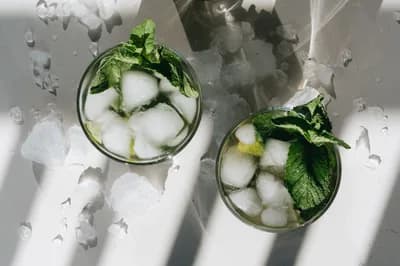
The Mojito โ white rum, fresh lime juice, sugar, torn mint leaves, and a long pour of soda water over crushed ice โ is Cuba's most famous contribution to the world's cocktail canon, with a lineage reaching back to 16th-century Havana and an early predecessor called El Draque named after Sir Francis Drake. Ernest Hemingway made La Bodeguita del Medio in Havana famous as a Mojito destination, and the drink's refreshing herbaceousness has kept it perpetually popular through every cocktail trend of the last century. Key technique is everything: bruising rather than pulverising the mint releases its volatile oils without the bitterness from torn cell walls.

The Manhattan โ rye or bourbon whiskey, sweet vermouth, and Angostura bitters, stirred until ice-cold and served with a maraschino cherry โ is the defining whiskey cocktail of the American Northeast, born in New York City in the early 1870s. Legend attributes its creation to a banquet at the Manhattan Club thrown by Lady Randolph Churchill (mother of Winston), though historians dispute this. Its stirred-not-shaken technique, the most important instruction in its recipe, produces a silky, spirit-forward drink that inspired an entire family of variations: the Rob Roy (with Scotch), the Black Manhattan (with Averna amaro), and the Perfect Manhattan (equal sweet and dry vermouth).

The Daiquiri โ white rum, fresh lime juice, and simple syrup, shaken hard and strained into a chilled coupe โ is a masterclass in the power of three ingredients combined with flawless technique. Named after a Cuban beach near Santiago de Cuba, it was allegedly invented in 1898 by an American mining engineer named Jennings Cox who ran out of gin and substituted local rum. Ernest Hemingway frequented El Floridita bar in Havana, where bartender Constantino Ribalaigua Vert created the Hemingway Daiquiri โ made with grapefruit juice and maraschino liqueur, no sugar โ as a nod to the writer's diabetes. The Strawberry Daiquiri, blended with fresh fruit, became the defining poolside cocktail of the 1970s and 80s.
The Whiskey Sour โ bourbon, fresh lemon juice, and simple syrup, shaken with ice โ is the archetypal sour: the template formula of spirit, citrus, and sweetener that underlies dozens of the world's most popular cocktails. Its recipe appeared in Jerry Thomas's 1862 bartending manual, making it one of the oldest cocktails with a documented provenance. The most contentious question in its modern preparation is whether to include an egg white: the "Boston Sour" version shakes in a raw egg white to produce a silky foam that changes both texture and flavour. The New York Sour adds a red wine float over the top for a visually striking and flavour-layered variation.

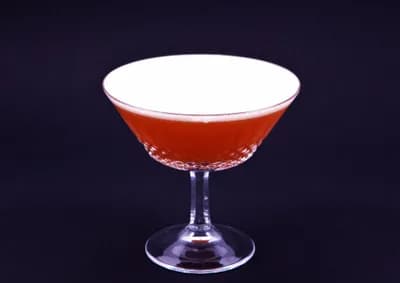
The Cosmopolitan โ citrus vodka, Cointreau, fresh lime juice, and a splash of cranberry juice for its signature pink blush, served in a chilled cocktail glass โ became the defining cocktail of the 1990s through its association with Sex and the City, where Carrie Bradshaw and her friends ordered it as a statement of urban sophistication. Its precise origin is disputed between bartenders Cheryl Cook (Miami, 1985) and Toby Cecchini (New York, 1988), who developed his more refined version at The Odeon. Often dismissed as a throwback, the Cosmo is undergoing rehabilitation among serious bartenders who argue its balance of tart and sweet, when made properly with good citrus vodka and fresh lime, stands up to scrutiny.

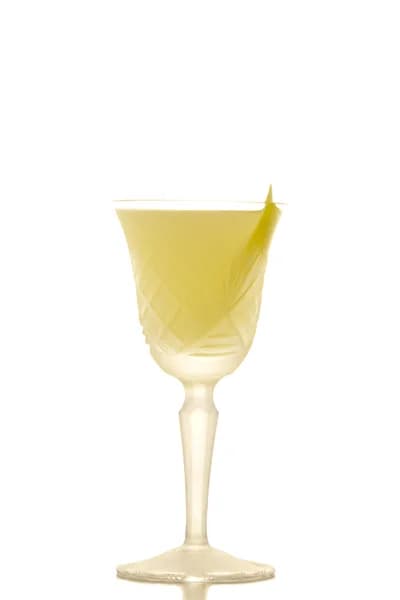
The Gimlet โ gin and fresh lime juice sweetened with a touch of simple syrup, stirred or shaken and served in a coupe โ has its origins in the British Royal Navy's 19th-century practice of preserving lime juice with alcohol to prevent scurvy on long voyages, mixed with the ration of gin that officers were permitted. The classic version used Rose's Lime Cordial โ a sweetened, preserved lime product โ which Raymond Chandler immortalised in Philip Marlowe's description in The Long Goodbye (1953): "a real gimlet is half gin and half Rose's Lime Juice and nothing else." The modern craft version uses fresh lime juice and homemade cordial for greater brightness and complexity.
The most-voted lists across every category โ curated weekly. Join the early readers.
No spam. One email per week. Unsubscribe anytime.

Create a free account or sign in to join the discussion.
Sign in to join the conversation
Top 10 Cabbage Dishes Transforming 2026 Home CookingTop 10 Emerging Protein Innovation Snacks That Actually Taste Good
Top Food Products โ beverages โ March 2026
Top 10 Restaurants in Tokyo 2026Explore more Food rankings on Top10Grid

The Martini is the cocktail against which all others are measured โ a crystalline blend of gin and dry vermouth, stirred over ice and served in a chilled coupe or V-glass, garnished with a twist of lemon peel or an olive. Its origins are disputed: some trace it to the Martinez cocktail of the 1880s, others to the Knickerbocker Hotel in New York around 1912. The ratio of gin to vermouth has been a subject of obsessive debate for over a century, ranging from a 3:1 pour to Winston Churchill's famous instruction simply to bow in the direction of France. The Vodka Martini โ made famous by James Bond's preference for a "shaken, not stirred" Vesper โ is its most celebrated modern variation.
The Old Fashioned is the original cocktail in the strictest sense of the word: the first printed definition of a "cock-tail" in 1806 described exactly this โ a spirit, sugar, bitters, and water. Made with bourbon or rye whiskey, a sugar cube muddled with Angostura bitters, and expressed orange peel, it is a drink that rewards patience and technique. Popularised by the Pendennis Club in Louisville, Kentucky in the late 19th century, it fell out of fashion in the mid-20th century before a renaissance driven in part by the TV series Mad Men made it the definitive drink of the craft cocktail revival.

The Negroni was allegedly born in Florence in 1919 when Count Camillo Negroni asked his bartender to strengthen an Americano by replacing the soda water with gin โ and in doing so created one of the most perfectly balanced cocktails ever conceived. Equal parts gin, Campari, and sweet vermouth, stirred and served over ice with an orange peel, it delivers a complex, bittersweet flavour profile that is simultaneously approachable and sophisticated. The Sbagliato, made with Prosecco in place of gin, and the White Negroni, substituting Lillet Blanc and Suze, are among its most celebrated variations, but the original remains stubbornly unimprovable.

The Margarita โ tequila, fresh lime juice, and triple sec or Cointreau, served in a salt-rimmed glass over ice or blended โ is the best-selling cocktail in the United States and one of the most recognised drinks in the world. Its precise origin is contested, with several bartenders claiming credit in the 1930s and 1940s, but the most credible story traces it to Tijuana socialite Margarita Sames, who mixed it for guests at her Acapulco villa in 1948. The Tommy's Margarita, created at Tommy's Mexican Restaurant in San Francisco using agave nectar in place of triple sec, became the bartender's blueprint for a more spirit-forward version in the late 20th century.
The Mojito โ white rum, fresh lime juice, sugar, torn mint leaves, and a long pour of soda water over crushed ice โ is Cuba's most famous contribution to the world's cocktail canon, with a lineage reaching back to 16th-century Havana and an early predecessor called El Draque named after Sir Francis Drake. Ernest Hemingway made La Bodeguita del Medio in Havana famous as a Mojito destination, and the drink's refreshing herbaceousness has kept it perpetually popular through every cocktail trend of the last century. Key technique is everything: bruising rather than pulverising the mint releases its volatile oils without the bitterness from torn cell walls.

The Manhattan โ rye or bourbon whiskey, sweet vermouth, and Angostura bitters, stirred until ice-cold and served with a maraschino cherry โ is the defining whiskey cocktail of the American Northeast, born in New York City in the early 1870s. Legend attributes its creation to a banquet at the Manhattan Club thrown by Lady Randolph Churchill (mother of Winston), though historians dispute this. Its stirred-not-shaken technique, the most important instruction in its recipe, produces a silky, spirit-forward drink that inspired an entire family of variations: the Rob Roy (with Scotch), the Black Manhattan (with Averna amaro), and the Perfect Manhattan (equal sweet and dry vermouth).

The Daiquiri โ white rum, fresh lime juice, and simple syrup, shaken hard and strained into a chilled coupe โ is a masterclass in the power of three ingredients combined with flawless technique. Named after a Cuban beach near Santiago de Cuba, it was allegedly invented in 1898 by an American mining engineer named Jennings Cox who ran out of gin and substituted local rum. Ernest Hemingway frequented El Floridita bar in Havana, where bartender Constantino Ribalaigua Vert created the Hemingway Daiquiri โ made with grapefruit juice and maraschino liqueur, no sugar โ as a nod to the writer's diabetes. The Strawberry Daiquiri, blended with fresh fruit, became the defining poolside cocktail of the 1970s and 80s.
The Whiskey Sour โ bourbon, fresh lemon juice, and simple syrup, shaken with ice โ is the archetypal sour: the template formula of spirit, citrus, and sweetener that underlies dozens of the world's most popular cocktails. Its recipe appeared in Jerry Thomas's 1862 bartending manual, making it one of the oldest cocktails with a documented provenance. The most contentious question in its modern preparation is whether to include an egg white: the "Boston Sour" version shakes in a raw egg white to produce a silky foam that changes both texture and flavour. The New York Sour adds a red wine float over the top for a visually striking and flavour-layered variation.

The Cosmopolitan โ citrus vodka, Cointreau, fresh lime juice, and a splash of cranberry juice for its signature pink blush, served in a chilled cocktail glass โ became the defining cocktail of the 1990s through its association with Sex and the City, where Carrie Bradshaw and her friends ordered it as a statement of urban sophistication. Its precise origin is disputed between bartenders Cheryl Cook (Miami, 1985) and Toby Cecchini (New York, 1988), who developed his more refined version at The Odeon. Often dismissed as a throwback, the Cosmo is undergoing rehabilitation among serious bartenders who argue its balance of tart and sweet, when made properly with good citrus vodka and fresh lime, stands up to scrutiny.

The Gimlet โ gin and fresh lime juice sweetened with a touch of simple syrup, stirred or shaken and served in a coupe โ has its origins in the British Royal Navy's 19th-century practice of preserving lime juice with alcohol to prevent scurvy on long voyages, mixed with the ration of gin that officers were permitted. The classic version used Rose's Lime Cordial โ a sweetened, preserved lime product โ which Raymond Chandler immortalised in Philip Marlowe's description in The Long Goodbye (1953): "a real gimlet is half gin and half Rose's Lime Juice and nothing else." The modern craft version uses fresh lime juice and homemade cordial for greater brightness and complexity.

Top 10 Classic Cocktails Every Home Bartender Should Master
15 views ยท @admin

The Classics Never Die: 10 Essential Cocktails Everyone Should Know
14 views ยท @admin

Top 10 Most Iconic Cocktails in the World
51 views ยท @admin

Top 10 Best Scottish Whisky Distilleries
20 views ยท @admin

Top 10 Cocktail Bars in Singapore 2026
19 views ยท @admin

The Art of the Stirred Cocktail: Timeless Spirit-Forward Drinks
18 views ยท @admin
Because you're viewing Food

Top 10 Cabbage Dishes Transforming 2026 Home Cooking
480 views ยท 1 votes
Top 10 Emerging Protein Innovation Snacks That Actually Taste Good
106 views ยท 0 votes

Top Food Products โ beverages โ March 2026
99 views ยท 0 votes

Top 10 Restaurants in Tokyo 2026
89 views ยท 0 votes
Top 10 Best Grilling Marinades Taking Over Summer 2026
88 views ยท 0 votes

Top 10 Street Food Destinations in Southeast Asia
85 views ยท 0 votes