
Shaili Sharma / Wikimedia Commons (CC BY-SA 4.0)
Top 10 High-Protein Snacks of 2026
Finding a high-protein snack that actually tastes good and keeps you full can mean sifting through dozens of options loaded with artificial sweeteners or padded serving sizes. This list ranks ten snacks — from whole foods like cottage cheese and eggs to plant-based options and branded convenience products — by protein density, ingredient quality, and how well they fit into a real day of eating, whether you're building muscle, managing weight, or just trying to make it to dinner without a vending-machine detour.
Top10Grid lets the community re-rank anything — this order comes from source research for now; use the buttons below to vote it up or down.

Compare by Dimension
Grams of protein delivered per 100 calories -- how efficiently the snack hits protein targets.
| Rank | Item | Score | Notes |
|---|---|---|---|
| #1 | Canned Tuna & Salmon Pouches | 9.5 | 17g protein for just 60 calories (tuna pouch) is the highest absolute protein density on this list. |
| #2 | Cottage Cheese | 9.0 | 14g protein for 81 calories puts cottage cheese above 70% protein-from-calories, among the highest ratios of any food. |
| #3 | Lupini Beans | 8.7 | 26g protein for 198 calories -- the highest of any legume and among the most protein-dense plant foods available. |
| #4 | Clean Meat Sticks & Beef Biltong | 8.6 | Stryve biltong at 16g for 70 calories is exceptional; Chomps 10g/100 cal is solid, averaged for the category. |
| #5 | Icelandic Skyr | 8.4 | 19g for 110 calories is the best protein-per-calorie ratio of any mainstream dairy product. |
| #6 | Greek Yogurt (Plain, Nonfat) | 7.8 | 15.5g protein for 108 calories is excellent, though the calorie base is higher than cottage cheese or tuna. |
| #7 | Hard-Boiled Eggs | 7.5 | 6.3g per egg at 77 calories is solid, but two eggs only reach 12.6g, requiring a larger serving for high protein targets. |
| #8 | Dry-Roasted Edamame | 7.2 | 18g protein for 188 calories is good but below the top-tier dairy and legume options on a per-calorie basis. |
| #9 | Protein Chips | 7.0 | 18g protein for 150 calories is competitive with dairy on density but processed origin limits this dimension's ceiling. |
| #10 | Roasted Chickpeas | 5.9 | 15g protein for ~269 calories is the lowest protein density on the list; the fiber content compensates partially. |
Current Rankings
- 0

Cottage cheese delivers more protein per calorie than any other dairy snack on this list: a half-cup (113 grams) of low-fat cottage cheese provides 14 grams of protein for just 81 calories, meaning over 70% of its calories come from protein. This ratio is unmatched by Greek yogurt (which offers 15.5 grams per 108 calories) and even by skyr (19 grams per 110 calories). The protein is predominantly casein, a slow-digesting protein that sustains satiety for two to three hours, supporting overnight muscle protein synthesis and making it ideal for GLP-1 users targeting 25–40 grams per meal; a full cup (226 grams) delivers roughly 28 grams of protein. Minimally processed and boasting calcium, phosphorus, selenium, and B12, cottage cheese is one of the cleanest high-protein snack options available. Brands like Cabot and Daisy use short ingredient lists, and viral trends such as cottage cheese ice cream have reintroduced it to younger consumers.
- 0
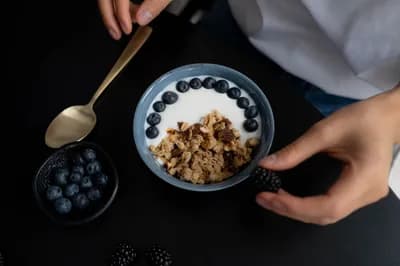
The unique blend of fast-digesting whey and slow-release casein simultaneously stimulates immediate muscle protein synthesis and extends satiety, making it a versatile post-workout recovery snack. Each serving provides 15–20% of the daily value for calcium, along with iodine, potassium, and live probiotic cultures (Lactobacillus and Bifidobacterium)—clinical benefits absent from nearly every competitor on the list. For GLP-1 users, the probiotics help mitigate gastrointestinal side effects, a unique advantage. Priced at $2 to $4 per cup, it is not the cheapest option per gram of protein—cottage cheese and eggs are cheaper—but its mix of protein completeness, probiotic benefit, and ubiquitous availability from brands like Fage and Chobani makes it a strong choice.
- 0

The straining process removes nearly all whey, creating an extraordinarily thick, concentrated protein matrix with naturally low sugar (3 to 4 grams of lactose per serving), making skyr compatible with blood glucose management and GLP-1 dietary protocols. At $2 to $4 per cup, it costs the same as Greek yogurt but delivers meaningfully more protein, giving it the best protein-per-dollar ratio among refrigerated dairy snacks. Brands like Icelandic Provisions and Siggi's offer mainstream distribution; plain versions maintain the nutritional profile, while flavored varieties should be checked for added sugar. A single cup approaches 25 grams of protein, making it a credible standalone muscle-preservation snack.
- 0
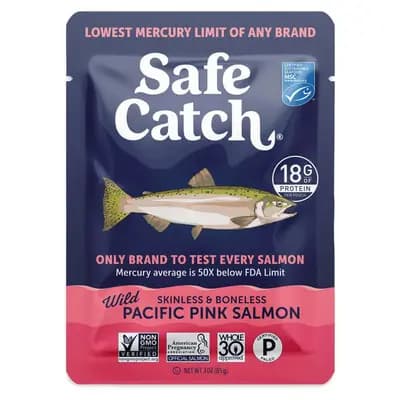
A 3-ounce serving (85 grams) of canned pink salmon offers 18 grams of protein for about 90 calories, plus roughly 500 milligrams of EPA/DHA omega-3 fatty acids, around 50% of the daily value for vitamin D, and a useful dose of calcium from the soft bones some brands include. Tuna pouches cost $0.50 to $1.00 each, delivering around 17 grams of protein for pennies, while salmon pouches run $1.50 to $2.50 — making them among the cheapest per gram of any animal-based snack. Drawbacks include smell in enclosed spaces and mercury concerns (FDA recommends limiting tuna to two to three servings per week). For nutritional performance per calorie and per dollar, these pouches have few peers in the shelf-stable category, and the omega-3 benefit sets salmon apart.
Sourceswildplanetfoods.com - 0

Hard-boiled eggs are a nutritionally complete snack, providing 6.3 grams of complete protein per large egg (50 grams), along with all nine essential amino acids. Two eggs offer 12.6 grams of protein for approximately 154 calories and zero carbohydrates, making them a dense source of amino acids. With a high biological value protein score, eggs are a fundamental component of any significant protein intake strategy. Each large egg also supplies about 25% of the daily value for choline, which is vital for brain and liver health, a nutrient often lacking in American diets. Additionally, eggs contain lutein and zeaxanthin, which help protect against age-related macular degeneration, and provide selenium, riboflavin, and vitamin D. For individuals aiming for 25–40 grams of protein per snack, three to four eggs (18.9–25.2 grams) remain one of the most cost-effective protein sources available.
- 0
Lupini beans offer an exceptional protein-to-calorie ratio among commercially available legumes. One cooked cup (166 grams) delivers roughly 26 grams of protein for just 198 calories, surpassing the protein density of dry-roasted edamame. This positions lupini beans as a highly efficient plant-based option for those targeting 25–40 grams of protein per snack. Their very low glycemic index helps to minimize blood glucose and insulin response, making them suitable for diabetic and GLP-1 dietary plans. Each cup also provides around 5 grams of dietary fiber, along with essential minerals like magnesium, iron, and potassium. Brands such as Brami offer convenient single-serve packs, providing 4–7 grams of protein in a shelf-stable format, and containing between 35-70 calories per pouch. At $1–$3 per serving, lupini beans are a more economical protein source per gram than many other specialty plant-based snacks, and their increasing availability in mainstream retail in 2026 reflects growing consumer awareness.
- 0
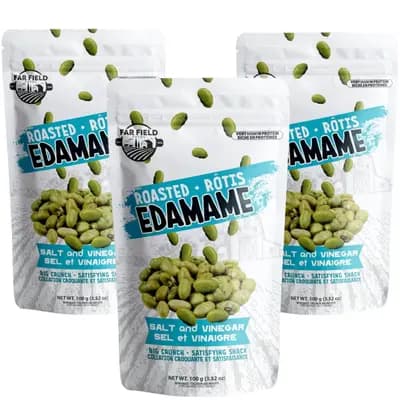
Dry-roasted edamame stands out as a nutritionally complete plant-based snack, offering all nine essential amino acids from a minimally processed whole food. A 1/3 cup serving (30g) provides approximately 13 grams of protein and 8 grams of fiber, for about 130 calories, rivaling the protein content of many fortified products without artificial enhancements. The leucine content in edamame is sufficient to help stimulate muscle protein synthesis, making it a viable post-workout option for plant-based diets. Each serving also supplies iron, magnesium, and calcium. Single-serve packs from brands like Seapoint Farms, which offer 13 grams of protein per 1/3 cup serving, provide convenience and eliminate portioning challenges, making dry-roasted edamame a practical daily snack choice for those avoiding animal products.
- 0
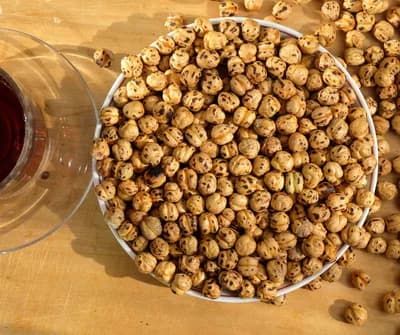
Roasted chickpeas are a crunchy, protein-rich, and easily accessible snack. A 1-cup serving can deliver between 15 and 22 grams of protein and approximately 11 to 13 grams of fiber, depending on preparation and density. The resistant starch in chickpeas nourishes beneficial gut bacteria and produces short-chain fatty acids that help suppress appetite without significantly raising blood glucose levels. Brands like The Good Bean and Biena offer a variety of flavors, from sea salt to dark chocolate, which provide a competitive alternative to traditional potato chips. Single-serve packs typically offer 5–8 grams of protein and 5-6 grams of fiber for around 120-130 calories, usually priced between $1.50–$3 per serving. Their low glycemic index and content of iron, folate, and manganese make them a suitable option for regular inclusion in a varied snack rotation.
- 0
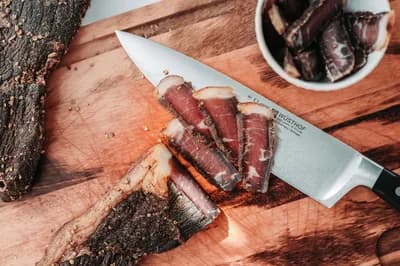
Clean meat sticks and beef biltong offer a high protein density among portable, animal-sourced snacks that don't require refrigeration. For instance, a 28g (1 oz) serving of beef biltong provides around 16g of protein, and on a 100g basis, biltong can deliver in the range of 50g of protein. Chomps Original Beef Sticks are another option, providing around 10 grams of protein and roughly 100 calories per 1.15 oz stick, made with 100% grass-fed and finished beef, and without artificial preservatives or sugar. Priced at a few dollars per stick, these snacks are a premium choice. While they offer significant convenience and a good protein punch for those on low-carb diets, their cost might be a consideration for some consumers.
Sourceshealthline.com - 0
Protein chips, exemplified by Quest Nacho Cheese, deliver a satisfying crunch with a strong nutritional profile, offering 18 grams of protein per 1.1 ounce (32g) bag, for 150 calories and 5 grams of carbohydrates. This makes them a more protein-dense option than many conventional chips and some protein bars. The chips utilize dairy protein isolate and rice starch, coming in various flavors like sour cream and onion. While they are a processed snack rather than a whole food, protein chips effectively upgrade the typical snack experience by replacing options that might offer only 2 grams of protein and 20 grams of carbohydrates with a more balanced alternative. They are a convenient choice for those seeking a high-protein, crunchy snack, though consumers should be mindful of the processed nature of the product.
Sourcesquestnutrition.com
Whole Food vs. Fortified: What You're Actually Paying For
Half of this list is unprocessed whole food — cottage cheese, eggs, edamame, chickpeas — where the protein is simply part of what the food already is. The other half is a branded product engineered to hit a protein number: protein chips, meat sticks, fortified snacks. Neither approach is wrong, but they solve different problems. A whole food gives you protein bundled with the food's other nutrients (choline in eggs, omega-3s in salmon, probiotics in yogurt) at a lower price, while a branded product buys you convenience, shelf stability, and a specific flavor experience — usually at a premium per gram of protein. Knowing which one you're buying helps you judge whether the price is fair.
Protein Timing Matters as Much as Protein Amount
Not every snack on this list works the same way in your body. Whey-heavy options like Greek yogurt digest fast and spike amino acids quickly, which is useful right after a workout. Casein-heavy options like cottage cheese and skyr digest slowly, which is why they show up so often as a bedtime snack — they feed muscle protein synthesis overnight instead of all at once. If you're only optimizing for grams of protein per label, you're missing half of what separates these snacks in practice; when you eat one can matter as much as how much protein it contains.
Image credits
- Cottage Cheese: Cottage cheese / Wikipedia
- Greek Yogurt (Plain, Nonfat): Ron Lach / Pexels
- Icelandic Skyr: Skyr / Wikipedia
- Canned Tuna & Salmon Pouches: Bing Images / safecatch.com
- Hard-Boiled Eggs: Fino Tereno / Pexels
- Dry-Roasted Edamame: Bing Images / i5.walmartimages.com
- Roasted Chickpeas: Mustafa Akın / Pexels
- Clean Meat Sticks & Beef Biltong: Jeff Siepman / Pexels
Related Videos
Rank it your way
Remix this list into your own ranking, or head to the play hub for every game mode and community breakdown — blind mode, challenges, tier lists, and more.
You Might Also Like

Top 10 GLP-1 Friendly Foods You Will Actually Enjoy Eating
Top 10 GLP-1 Friendly Foods You Will Actually Enjoy Eating

Top 10 Emerging Protein Innovation Snacks That Actually Taste Good
Top 10 High-Protein Snacks of 2026

Top 10 Best BBQ Regions in the US (2026 Ranked)
best bbq regions in the us

Top 10 Most Polarizing Foods People Love or Hate
foods people either love or hate
Top Craft Breweries — Oregon — September 2026
#1 10 Barrel Brewing Co · #2 10 Barrel Brewing Co · #3 10 Barrel Brewing Co

Top Craft Breweries — Portland — May 2026
#1 10 Barrel Brewing Co · #2 13 Virtues Brewing Co · #3 Alameda Brewing Co