
Taiwanese cuisine / Wikipedia
Top 10 Emerging Protein Innovation Snacks That Actually Taste Good
Protein snacking has moved well past bars and shakes. Mamame's Hot Chili Tempeh Chips won the Nexty Award for Savory/Salty Snacks at Natural Products Expo West 2026, Meati's Crispy Mushroom Cutlets are built from mycelium root protein, and Wilde Snacks makes its chips from whole chicken breast, egg whites, and bone broth rather than protein isolates. Good Culture's cottage cheese has racked up more than 15 million views in breakfast-bowl videos, Catalina Crunch builds its cereal around pea protein for 11 grams of protein and no more than 5 grams of net carbs per serving, and Chomps' Jalapeño Beef Stick remains the brand's best-selling flavor.
Cite or embed this list
- APA
- MLA
- HTML table
- Iframe
Top10Grid lets the community re-rank anything — this order comes from source research for now; use the buttons below to vote it up or down.

Compare by Dimension
Does it taste like real food or a protein product? Scored on consumer review consensus (1-10 scale, 10=best).
| Rank | Item | Score | Notes |
|---|---|---|---|
| #1 | Chomps Jalapeño Beef Sticks | 9.3 | TikTok viral adoption driven by genuine taste appeal; 15.1M breakfast bowl views indicate real pleasure eating, not just functional consumption. |
| #2 | Protein Pints Ice Cream | 9.2 | 8/10+ across multiple review outlets with specific 'doesn't taste like alternative sweeteners' citations — the protein ice cream taste ceiling has been raised. |
| #3 | Good Culture Cottage Cheese | 9.1 | Jalapeño flavor rated 'bright and balanced' across Sporked and Tasting Table with no off-notes — the taste benchmark for portable protein snacks. |
| #4 | Mamame Hot Chili Tempeh Chips | 8.8 | Honey-sweetened with no artificial aftertaste in familiar PB Chocolate and Mint Crunch formats — high expected consumer satisfaction from clean sweetener choice. |
| #5 | Perfect Bar Protein + Prebiotics | 8.7 | Bold chili flavor performs as a genuine chip on taste terms; Nexty win includes quality evaluation by experienced food industry judges. |
| #6 | Meati Crispy Mushroom Cutlets | 8.5 | Reviewer consensus of 'most realistic to meat' and 'definitely meaty' texture is the strongest taste validation available for a plant-based product. |
| #7 | Slate Milk Ultra Protein Shake | 8.3 | Tastes like real milk because it is real milk — ultra-filtration preserves dairy flavor without off-notes from isolate processing. |
| #8 | Wilde Snacks Chicken Protein Chips | 8.1 | Whole-food protein chip achieves genuine crunch with recognizable savory flavor — novel format without taste compromise. |
| #9 | Curd Cottage Cheese Pudding | 8.0 | Dessert-coded flavors (Banana Coconut Cream Pie, Chocolate Crème) drive satisfaction in indulgence occasions where protein products traditionally underperform. |
| #10 | Catalina Crunch Protein Cereal | 7.8 | Broad flavor variety covers cereal archetypes well; pea protein aftertaste detectable for sensitive palates but majority consumers rate positively. |
Current Rankings
- 0

Chomps didn't invent the beef stick, but they may have permanently reset what consumers expect from one. The Jalapeño flavor delivers a bright, balanced heat that builds without overwhelming, a profile that has drawn strong praise for being a spicy snack that doesn't sacrifice complexity for intensity. At 10 grams of protein and 100 calories per stick, the macro profile is clean; the ingredient list is cleaner. Every stick is made from grass-fed, antibiotic-free beef with zero grams of sugar and no preservatives — a combination that lines up with Whole30 and Paleo positioning as well as clean-label standards. The brand's trajectory tells the 2026 protein snack story in miniature. Chomps has grown into one of the category's biggest players, with a customer base that now skews notably toward women — a striking shift for a meat-stick brand that historically leaned toward male athletic buyers. That demographic shift reflects both Chomps' deliberate brand positioning and a broader cultural change: protein snacking has left the gym bag and entered the purse, the desk drawer, the school lunch. Texture-wise, Chomps positions itself above traditional jerky. The sticks are less greasy, more consistently chewy without being tough, and don't leave the oily residue that has long been a consumer complaint about convenience meat snacks. The Jalapeño variant in particular has earned a reputation as one of the more accomplished spiced meat sticks on the market. For use cases: Chomps Jalapeño sticks are ideal as a portable protein anchor during travel, a mid-afternoon hunger bridge between meals, or a high-protein addition to a snack plate alongside a small serving of full-fat dairy.
Sourceschomps.com - 0

Good Culture didn't start the cottage cheese renaissance, but they've become its most recognizable face. The brand's product sits at the intersection of a decade of clean-label dairy innovation and a 2024-2026 social media moment that has fundamentally repositioned cottage cheese from diet-culture relic to protein-forward superfood. Breakfast bowl compilations and cottage cheese cookie dough recipes featuring the brand have racked up millions of views on TikTok. These aren't passive impressions — they're driving measurable retail interest. Cottage cheese retail sales have climbed sharply in recent years, and Good Culture has kept ramping up production to keep pace with demand — the kind of supply-demand dynamic that signals genuine structural interest rather than a passing trend. The protein profile is the category's best argument: a high protein content per cup, delivered through a blend of casein and whey that provides both immediate satiety (whey) and sustained amino acid release (casein). The small-curd texture is preferred by consumers across multiple taste tests for its versatility — it can be eaten straight, blended into smoothies, used as a dip base, or incorporated into baking. Good Culture uses live active cultures and no artificial additives, positioning it as a probiotic-forward dairy product in addition to a protein vehicle. For GLP-1 users, the density of nutrition per cup — protein, calcium, probiotics — makes it one of the most complete single-ingredient snack options on this list.
Sourcesgoodculture.com - 0

Protein ice cream has been a promised land for nutritionally conscious dessert lovers for the better part of a decade, and for most of that period it has failed to deliver on taste in proportion to its macro claims. The category has been plagued by two compounding problems: the artificial sweetener aftertaste (stevia bitterness, erythritol cooling) and the icy, grainy texture that results from low-fat, low-sugar formulation. Protein Pints represents the most compelling current answer to both. At 30 grams of protein per pint — not per serving, per entire container — and 4-5 grams of sugar for the whole pint, the numbers are extraordinary by any measure. The Chocolate flavor in particular has been rated 8 out of 10 or higher across multiple independent consumer review outlets, with reviewers consistently noting that it tastes 'creamy and fluffy' and 'doesn't taste like alternative sweeteners' — the highest compliment any protein ice cream can receive in 2026. The texture achieves a meaningfully better result than earlier protein ice creams, which frequently suffered from icy crystals and dense, hard scooping. Protein Pints' formulation produces an ultra-creamy, light texture that reviewers on Sporked, PureWow, and Parade describe as genuinely ice-cream-like rather than a protein product in ice-cream format — a critical distinction. The minimal aftertaste is the product's signature achievement; it's what converts single-purchase trial into repeat buying behavior. For use cases: Protein Pints is the obvious choice for post-workout dessert, an evening sweet craving with nutritional upside, or for GLP-1 users who find full-sugar ice cream portions physically difficult to manage but still want the satisfaction of a complete, indulgent dessert experience.
- 0

When the Nexty Awards at Natural Products Expo West 2026 recognized Mamame Hot Chili Tempeh Chips among the standout entries in the Savory/Salty Snacks category, it was a signal to retail buyers across the natural foods channel that fermented soy chip formats are ready for mainstream shelving. The Nexty Awards are judged by industry experts and buyers, not consumers, which makes recognition a proxy for commercial conviction as much as product quality. Tempeh — fermented whole soy in a dense, protein-rich cake form — has been a staple of Indonesian cuisine and a niche health food ingredient in Western markets for decades. What Mamame has accomplished is translating tempeh's exceptional nutritional profile into a chip format that doesn't require any cultural familiarity with the ingredient to enjoy. The Hot Chili flavor delivers a bold, layered heat profile that functions as a genuinely competitive chip on snack-occasion terms, not merely as a functional food vehicle. The nutritional architecture stands out: around 10 grams of protein per serving paired with roughly 14 grams of dietary fiber puts Mamame in rare company among chip-format snacks. Standard potato chips deliver roughly 2g protein and less than 1g fiber per serving; even the most protein-forward competing chip formats struggle to break 10g protein without sacrificing fiber. The combination of fermentation (gut health support), complete soy protein, and prebiotic fiber makes Mamame one of the more nutritionally sophisticated products on this list. For GLP-1 users, the fiber density alone makes Mamame exceptional — fiber is a primary satiety lever for users whose volume appetite is suppressed by medication.
Sourcesnewhope.com - 0

Perfect Bar has been a fixture of the refrigerated protein bar segment since 2005, built on a founding philosophy of whole-food ingredients and organic sourcing that predated the clean-label movement by nearly a decade. The 2026 launch of the Protein + Prebiotics line represents the brand's most ambitious formulation yet — and its most direct engagement with the 2026 consumer conversation around gut health, satiety, and sweetener transparency. At around 20 grams of protein per bar, Protein + Prebiotics sits comfortably at the high end of the protein bar category. What distinguishes the formulation is the sweetener commitment: organic honey, with no sugar alcohols and no artificial sweeteners. In a category where erythritol, stevia blends, and sucralose remain standard practice even at premium price points, Perfect Bar's honey-forward position is a genuine differentiator — and one that comes without the digestive side effects that sugar alcohols cause for a meaningful percentage of consumers. The launch flavors are strategically chosen crowd-pleasers, familiar chocolate and peanut butter profiles that let the clean ingredient philosophy be evaluated on known taste territory rather than novelty flavors. The prebiotic fiber addition is not marketing decoration; clinical evidence for prebiotic fiber's role in satiety, microbiome diversity, and digestive regularity has strengthened considerably in the 2024-2026 research period. Perfect Bar also builds its bars around 20+ superfoods, reflecting the original brand DNA. For users who are skeptical of heavily engineered protein products but want a genuinely high-protein bar option, Protein + Prebiotics offers a credible whole-food alternative.
- 0

Meati is building protein infrastructure out of mushroom roots, and the Crispy Mushroom Cutlets are the product that proves the concept has crossed from fascinating to genuinely competitive. Mycelium — the dense, fibrous root network of fungi — produces a protein with a naturally meaty, interlocked fiber structure that no extruded plant protein has been able to convincingly replicate at scale. When Meati's cutlets are breaded and cooked, the result is described by reviewers across multiple outlets as 'probably the most realistic to a meat-based product' among plant protein options, with a texture that registers as 'definitely meaty' and an umami backbone that functions as a genuine flavor anchor. The nutrition profile is compelling without qualification. Meati Crispy Cutlets deliver 15 to 17 grams of protein per serving alongside 10 grams of fiber, meaningfully higher B vitamins than either meat or soy-based alternatives, and a complete allergen-free profile — no soy, no wheat, none of the top nine allergens that create inclusion friction in institutional and allergy-conscious household settings. Meati's Carne Asada format extends the same mycelium base into a different preparation profile — demonstrating that the protein source is format-flexible, not limited to single-application use. This versatility is important for the brand's long-term commercial potential: a protein ingredient that can scale across multiple cuisine formats has category-defining potential. For omnivore consumers reducing meat consumption for environmental or health reasons, Meati represents the most convincing bridge product — one that doesn't require adopting a new food philosophy, just a different protein source.
- 0

Slate Milk's proposition is deceptively simple: ultra-filter real dairy milk to concentrate the protein, remove the lactose and most of the fat, and deliver a ready-to-drink protein shake that tastes like milk because it is milk. No protein isolates, no artificial flavors layered on top of a neutral protein base, no compromise on the basic dairy experience. The Ultra tier — the flagship of Slate's tiered product architecture — delivers around 32 grams of protein per can at roughly 150 calories with minimal sugar. That ratio represents a protein-calorie efficiency that exceeds most engineered protein products on the market, achieved without isolates or concentrates, entirely from whole-food ultra-filtration. The lactose removal makes it accessible to the roughly one-third of Americans estimated to have some degree of lactose intolerance — historically a segment excluded from dairy-based protein products. Slate's tiered architecture is noteworthy: multiple protein tiers allow consumers to calibrate protein intake to specific use cases rather than being locked into a single serving specification. This modularity is increasingly important as GLP-1 users, athletes, and health-conscious general consumers have different optimal protein targets per meal occasion. The ready-to-drink format and canned packaging solve the primary convenience problem of dairy protein — refrigeration dependency. Slate cans are shelf-stable until opened, enabling desk-drawer or gym-bag storage that's impossible with traditional dairy products. For consumers skeptical of highly processed protein supplements but wanting high protein density, Slate's ultra-filtration process bridges the gap — it's a manufacturing refinement of dairy, not a chemical synthesis.
- 0

Wilde Snacks occupies a genuinely unique position in the 2026 snack landscape: a chip built not from plant starch dusted with protein isolate powder, but from whole-food animal proteins as primary structural ingredients. The chip matrix is built from chicken breast, egg whites, and bone broth — not protein isolates derived from these sources, but the actual whole-food ingredients themselves, processed into a chip structure. This is a first-of-kind format that has no direct comparable in mainstream snack retail. The nutritional implication of whole-food protein sourcing versus isolate-based protein is meaningful. Bone broth contributes collagen and glycine beyond the standard amino acid profile; egg whites contribute the highest biological value protein known; chicken breast contributes a complete amino acid profile in whole-food form. The combined result is 10 grams of protein per serving from three complementary whole-food sources, each contributing slightly different amino acid and nutritional context. Wilde Snacks featured prominently at Expo West 2026, where the format's novelty generated significant buyer and press attention. The first-of-kind positioning matters commercially: consumers who've exhausted plant-based protein chip options (lentil chips, chickpea puffs, edamame crisps) have a new category to explore. Carnivore and paleo consumers — who've historically had minimal representation in the chip aisle — have their first purpose-built product. The chip texture achieves a genuine crunch that competing protein chip formats often sacrifice for protein density. Flavor profiles extend across chicken, barbecue, and spiced varieties. For consumers who want the snacking ritual of chips without processed carbohydrate loading, Wilde represents a structurally different solution from standard alternative chip formats.
- 0

Curd launched its Cottage Cheese Pudding line in April 2026 into a cottage cheese market already running at maximum viral velocity, and managed to differentiate by doing something the category leaders weren't: bridging cottage cheese into a pudding format that removes the texture barrier entirely for consumers who want the protein profile but reject the curd experience. It's a thoughtful product design decision that expands the addressable market of the cottage cheese boom rather than competing directly within it. At 17 grams of protein and 4 grams of dietary fiber per 8-ounce jar, Curd hits a nutritional profile that exceeds most conventional puddings by an order of magnitude while remaining entirely free from artificial sweeteners and protein isolates. The three launch flavors — Banana Coconut Cream Pie, Chocolate Crème, and Vanilla Cinnamon Swirl — are deliberately dessert-coded, signaling a positioning as a guilt-free indulgent treat rather than a clinical protein supplement. The April 2026 launch covered in StartupcpG and Bakery & Snacks positions Curd as an emerging CPG brand rather than an established player, which comes with both upside (format novelty, brand narrative freshness) and downside (limited distribution, smaller marketing budget). The cottage cheese pudding format is early in its commercial development, meaning that Curd's success or failure will partly define whether the format becomes a sustainable category or remains a niche innovation. For GLP-1 users specifically, the pudding format is particularly well-suited: the smooth texture is easy to eat in small portions, the protein and fiber combination provides satiety that extends the time between eating occasions, and the dessert flavor profiles satisfy sweet cravings without the caloric load of conventional puddings or ice cream.
- 0

Catalina Crunch arrived in a cereal category that had been adding protein incrementally for years — Special K type fortification adding a few grams to an otherwise conventional cereal — and built from scratch around a different nutritional architecture. Starting from pea protein as the structural base rather than refined grain, Catalina delivers around 11 grams of protein and roughly 5 grams or less of net carbohydrates per half-cup serving, at about 90 to 110 calories. The result is a cereal that's compatible with keto, diabetic-friendly protocols, and the low-carb eating patterns that have expanded well beyond the original keto community into mainstream health-conscious consumer behavior. The cereal format carries specific experiential requirements that other protein formats don't: it must hold crunch in milk, it must work dry as a snack, it must feel genuinely breakfast-compatible. Catalina Crunch achieves all three. The pea protein base provides structural integrity that maintains crunch through a standard bowl's milk saturation window — a technical achievement that many protein-fortified cereals fail at, resulting in immediate sogginess that undermines the eating experience. Flavor variety is genuinely strong: Cinnamon Toast, Dark Chocolate, Fruity, and additional variants cover the major cereal flavor archetypes, allowing the brand to compete on taste preference rather than asking consumers to accept functional compromise. The keto and diabetic-friendly positioning has driven word-of-mouth penetration in communities where blood glucose management is a primary concern — a consumer segment underserved by most protein innovation brands. For GLP-1 users, the cereal format's portion control and low net carb profile make Catalina Crunch one of the more practical breakfast-occasion products on this list.
Why protein source matters as much as protein grams
A gram of protein isn't interchangeable across sources. Whole-food proteins — the chicken, egg white, and bone broth in Wilde Snacks' chips, or the casein-and-whey blend in dairy products like Good Culture and Slate Milk — deliver a complete amino acid profile the body can use directly. Plant proteins like the pea protein in Catalina Crunch or the fermented soy in Mamame's tempeh are still valuable, especially paired with fiber, but typically need to be combined with other protein sources across a day's eating to cover the same amino acid range that a single complete-protein source provides. When comparing two snacks with the same protein number on the label, the source of that protein is often the more useful piece of information.
What makes a format genuinely new versus repackaged whey
Most of the innovation on this list is really happening in the base ingredient and the format, not in protein chemistry. Ultra-filtering dairy milk (Slate), fermenting soy into a chip (Mamame), and building a chip matrix from whole chicken and bone broth (Wilde) are all different ways of getting protein into a shape people already like eating, rather than adding an isolate to an existing snack. The distinction matters for anyone comparing products: a snack that started from a novel base ingredient tends to have a different nutrition profile — more fiber, more micronutrients, fewer additives — than one built by adding protein powder to a conventional recipe.
A high protein number doesn't automatically mean a healthy snack
Protein content is the headline number on every product here, but it's worth checking the rest of the label before assuming a high-protein snack is automatically the better choice for a given diet. Sugar content, sweetener type (sugar alcohols can cause digestive discomfort for some people), added fat, and total calories still vary meaningfully across this category even among snacks with similar protein counts. The products on this list that call out their sweetener choice specifically — honey-only, no sugar alcohols, no artificial sweeteners — are doing so because that variable is genuinely inconsistent across the category, not because every high-protein snack meets the same clean-label bar.
Image credits
- Good Culture Cottage Cheese: Internet Archive Book Images / Wikimedia Commons (No restrictions)
Related Videos
Rank it your way
Remix this list into your own ranking, or head to the play hub for every game mode and community breakdown — blind mode, challenges, tier lists, and more.
You Might Also Like

Top 10 High-Protein Snacks of 2026
Top 10 High-Protein Snacks of 2026
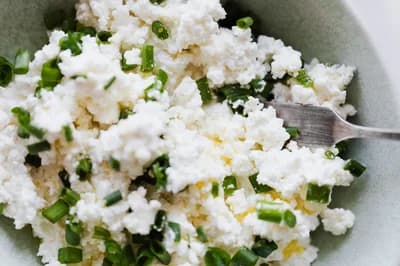
Top 10 High-Protein Cottage Cheese Snacks & Recipes (2026)
Top 10 High-Protein Cottage Cheese Snacks & Recipes (2026)

Top 10 GLP-1 Friendly Foods You Will Actually Enjoy Eating
Top 10 GLP-1 Friendly Foods You Will Actually Enjoy Eating
Top Craft Breweries — San Diego — September 2026
#1 10 Barrel Brewing Co · #2 2Kids Brewing Company · #3 32 North Brewing Co
Top Craft Breweries — Oregon — September 2026
#1 10 Barrel Brewing Co · #2 10 Barrel Brewing Co · #3 10 Barrel Brewing Co

Top Craft Breweries — Portland — May 2026
#1 10 Barrel Brewing Co · #2 13 Virtues Brewing Co · #3 Alameda Brewing Co