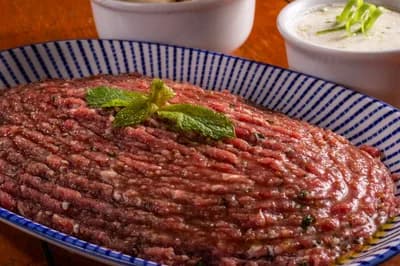
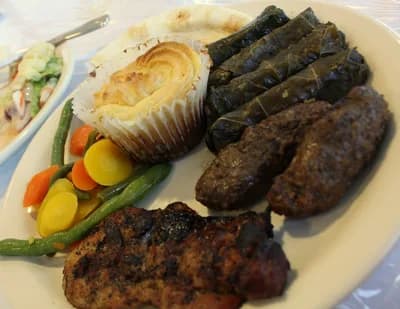
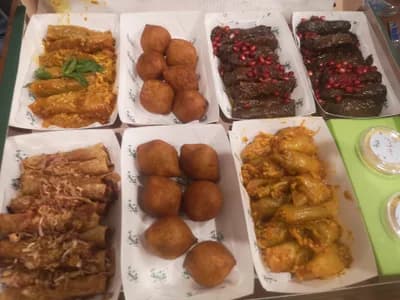
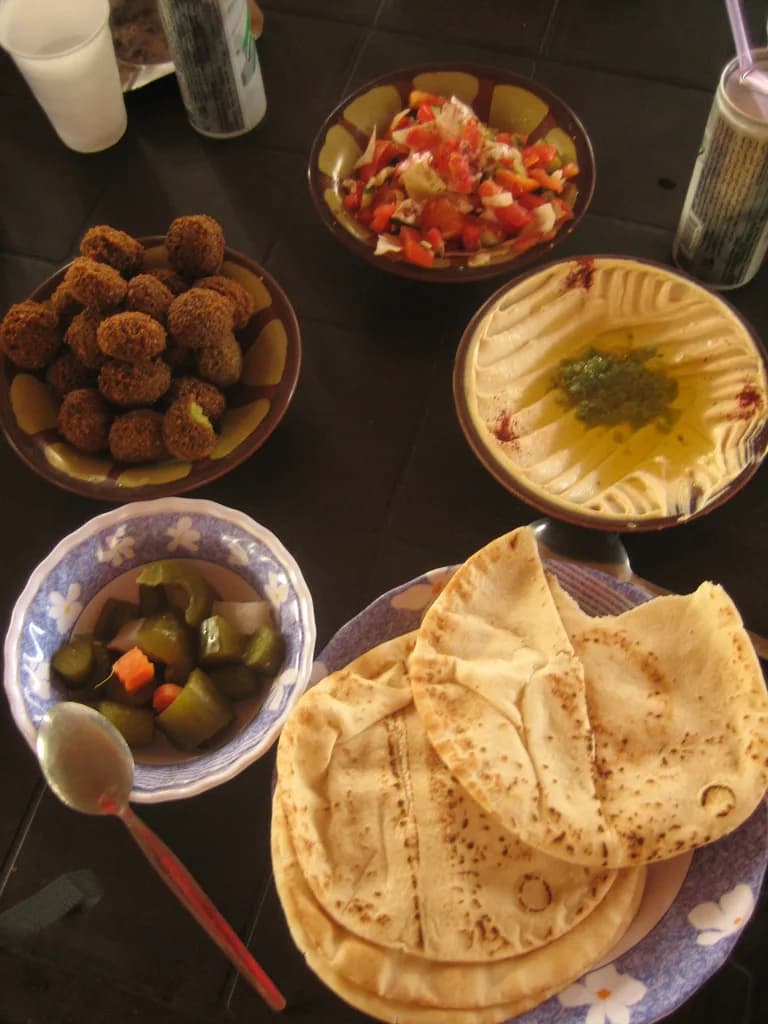
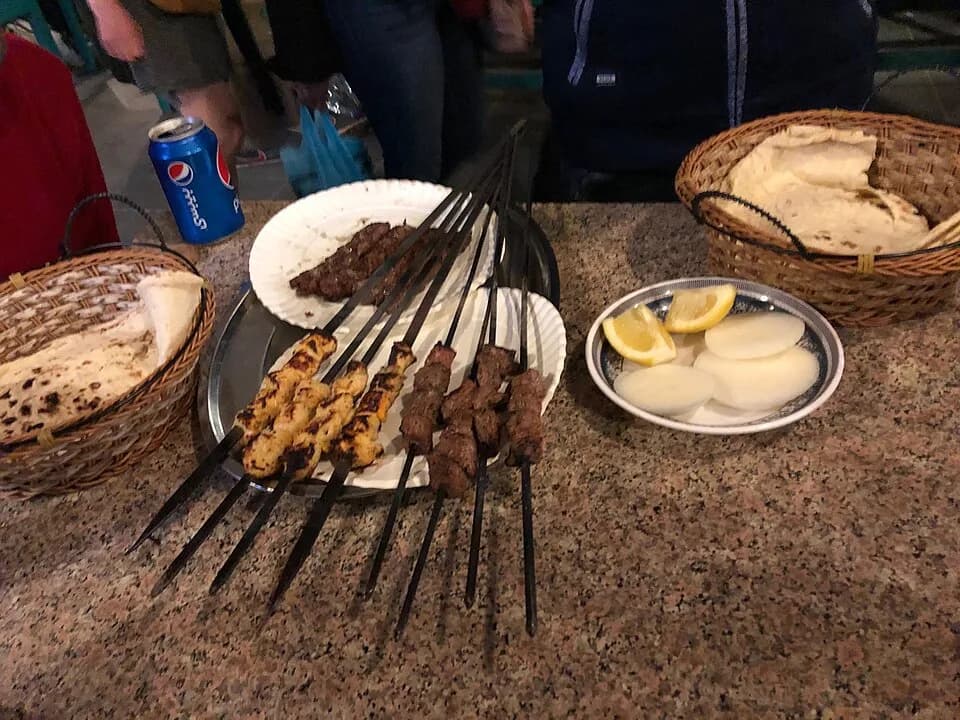
The term "Middle Eastern food" masks an extraordinary diversity of distinct regional cuisines shaped by geography, climate, trade history, and cultural exchange across an area spanning 20 countries and 400 million people. From the saffron-rich rice dishes of the Persian Gulf to the olive oil-drenched mezze of the Levant and the slow-cooked legume stews of Egypt, each region's cuisine reflects centuries of local evolution and cross-cultural borrowing along ancient trade routes. Food scholars estimate there are over 2,000 distinct traditional dishes across the Arab world, many known only within their region of origin.
Curated by our food editors. Critical reception and community vote both shape the ranking — updated as opinions shift.

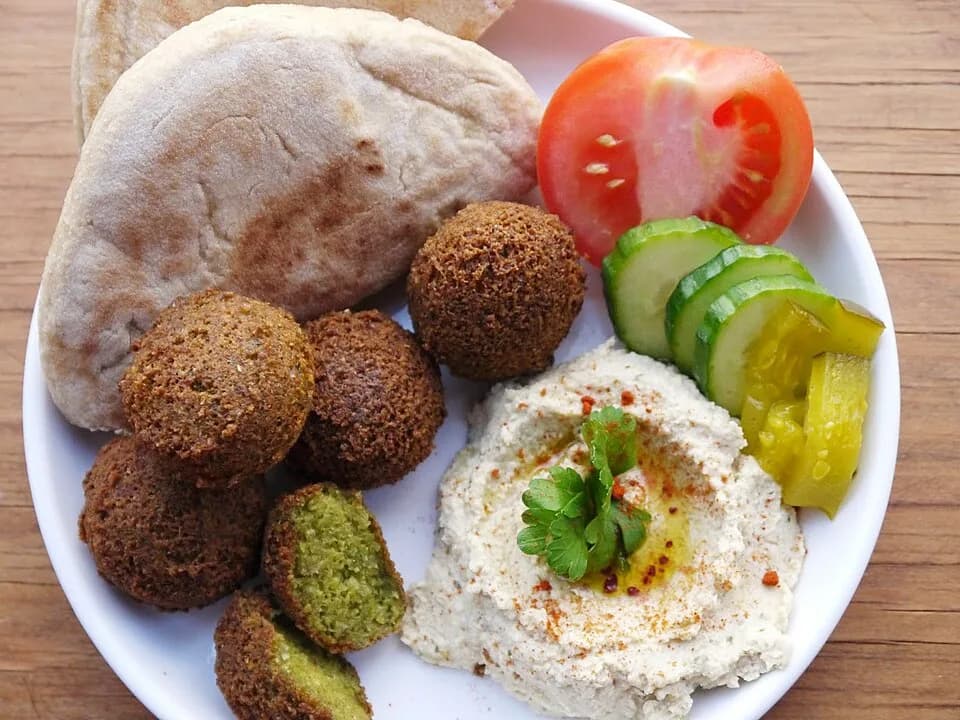
Lebanese cuisine is the most internationally recognized of all Arab cuisines, built around the concept of mezze — a spread of small dishes including hummus, tabbouleh, fattoush, kibbeh, and stuffed grape leaves that transforms eating into a communal social ceremony. Lebanon's position at the crossroads of Mediterranean, Persian, and Arab trade routes for millennia produced a cuisine of remarkable variety and sophistication, emphasizing fresh herbs, olive oil, citrus, and grains over heavy meat dishes. There are an estimated 15,000 Lebanese restaurants worldwide, making Lebanese food the most globally distributed Arab cuisine.

Egyptian cuisine is one of the world's oldest continuous culinary traditions, with dishes like ful medames and bread baked in clay ovens documented since ancient Pharaonic times. Modern Egyptian cooking centers on legumes, bread, and slow-cooked dishes like koshari — a street food of rice, lentils, pasta, and tomato sauce that is Egypt's unofficial national dish — reflecting a cuisine shaped more by agricultural abundance than by pastoral meat traditions. Egypt's food culture is deeply egalitarian, with the same dishes eaten at roadside stalls and in high-end restaurants, creating a shared culinary identity across all social classes.

Saudi Arabian cuisine is built around rice and meat dishes influenced by ancient Bedouin hospitality traditions, the annual Hajj pilgrimage which brought flavors from across the Muslim world, and the distinct regional variations between the Hejaz coastal region, the central Najd plateau, and the Eastern Province. Kabsa, a fragrant rice and chicken or lamb dish, is the national dish, and mutabbaq — a stuffed pancake — reflects Indian and Southeast Asian influences brought by Hajj pilgrims. Saudi Arabia's Vision 2030 has invested heavily in culinary tourism, with the Saudi Culinary Academy established in Riyadh in 2022 to formalize and promote the kingdom's food heritage.

Jordanian cuisine centers on generosity and communal feasting, with mansaf — lamb cooked in fermented yogurt sauce over a platter of rice — representing the pinnacle of Jordanian hospitality and served at every major social occasion. Bedouin cooking traditions, including the underground oven zarb used in Wadi Rum, and Levantine mezze influences from the northern cities of Irbid and Amman combine to create a cuisine of contrasts between desert austerity and Mediterranean abundance. Jordan's food tourism is growing rapidly, with the Petra Kitchen cooking school and Wadi Rum desert dining experiences consistently ranking among the top food experiences in the Middle East by international travel publications.

Emirati cuisine is a relatively underknown culinary tradition reflecting the UAE's heritage as a pearl-diving, fishing, and desert Bedouin culture before the oil era, with seafood, rice, dates, and camel meat as its historical cornerstones. Signature dishes include al harees — a slow-cooked wheat and meat porridge — and al machboos, a fragrant spiced rice dish similar to kabsa, along with luqaimat dumplings fried and drizzled with date syrup. The UAE government has invested significantly in documenting and promoting Emirati food heritage, with the Emirati cuisine section at Expo 2020 Dubai introducing the tradition to millions of global visitors.

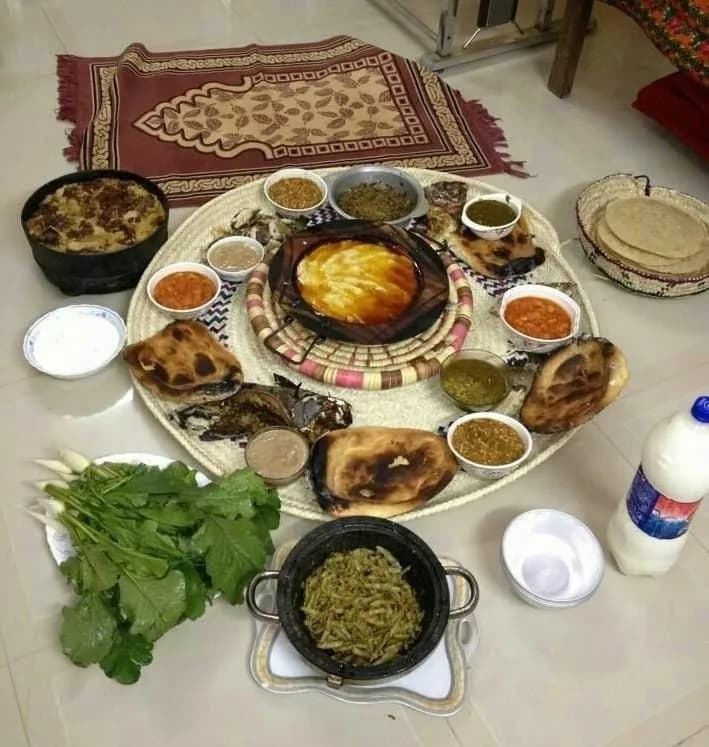
Yemeni cuisine is considered by many food scholars to be the most distinctive and complex of all Arab cuisines, built around dishes slow-cooked in clay pots in underground ovens, with the signature dish saltah — a meat stew with fenugreek foam — being a UNESCO-recognized culinary tradition. Mandi, the slow-cooked rice and meat dish cooked in a sealed clay oven, originated in Yemen's Hadhramaut region and has spread across the Arab world, making Yemeni cuisine perhaps the most influential in pan-Arab restaurant culture despite Yemen's political instability. Yemeni honey, particularly from the Hadramawt and Marib regions, is considered the finest in the world and commands prices of up to $300 per kilogram in global markets.

Palestinian cuisine is a Levantine tradition with deep roots in ancient agricultural practices along the fertile crescent, centered on olive oil, wheat, za'atar, and locally grown produce including figs, pomegranates, and citrus. Musakhan — roasted chicken over flatbread soaked in olive oil and topped with caramelized onions and sumac — is considered Palestine's national dish and was inscribed on UNESCO's intangible cultural heritage list in 2021. Palestinian food has gained significant global visibility through diaspora communities and advocacy, with cookbooks by Palestinian-British author Sami Tamimi reaching international bestseller lists.

Iraqi cuisine is one of the most historically ancient in the world, with cuneiform tablets from 1700 BCE recording recipes for stews cooked in ancient Mesopotamia along the Tigris and Euphrates rivers. Modern Iraqi cooking is characterized by robust rice dishes like qoozi (whole roasted lamb over rice) and timman z'affaran (saffron rice), alongside rich stews and grilled meats that reflect both Persian and Arab influences. The city of Baghdad was the medieval world's most cosmopolitan city and a center of culinary exchange, a heritage still visible in the sophistication and variety of Iraqi home cooking.

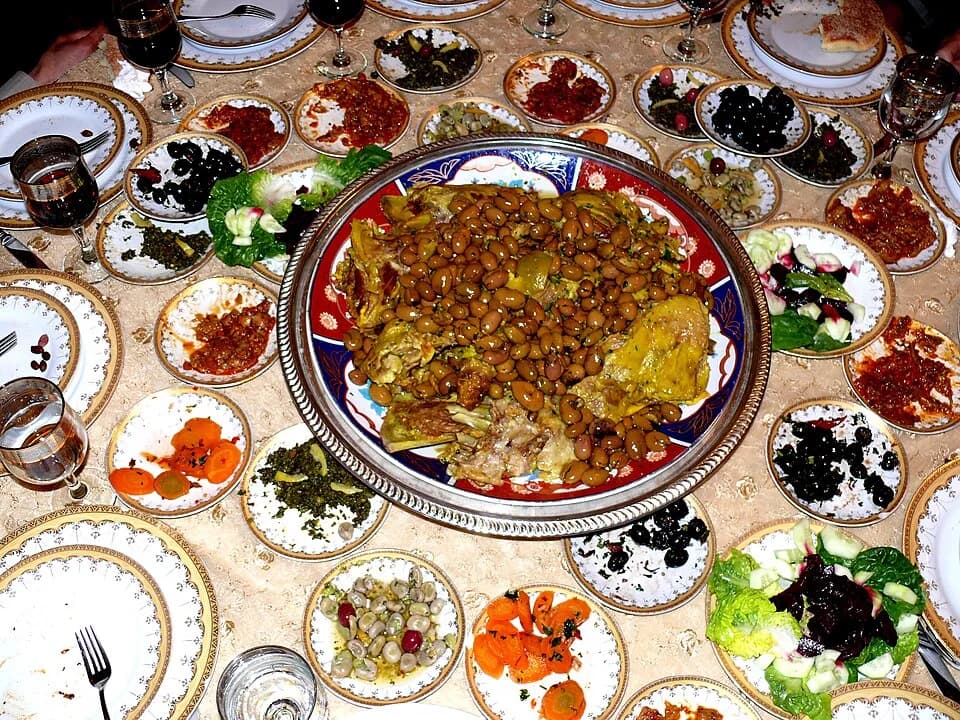
Moroccan cuisine, representative of the broader Maghreb culinary tradition shared with Algeria and Tunisia, stands apart from Mashreq (eastern) Arab cooking through its extensive use of spices like ras el hanout, preserved lemons, argan oil, and the slow-cooked tagine cooking method using a distinctive conical clay pot. Moroccan food has been recognized by UNESCO as intangible cultural heritage and the tagine is one of the most recognized cooking vessels globally. The cities of Fez and Marrakech are considered among the world's great food destinations, with the medinas's food markets and street food scenes drawing hundreds of thousands of culinary tourists annually.

Qatari cuisine reflects the country's history as a pearl-diving and fishing community on the Arabian Gulf, with seafood dishes like machbous samak (spiced fish rice) and grilled hammour (grouper) sitting alongside Bedouin meat traditions of slow-roasted lamb and rice. Dates, dried limes, cardamom, and saffron are foundational flavors that connect Qatari food to the broader Gulf culinary tradition, while the influx of South Asian workers over decades has introduced Indian spice influences into everyday Qatari cooking. The Qatar Tourism Authority has invested in culinary heritage programs including the Qatar Cookery Festival, which showcases traditional Qatari recipes that risk being lost as younger generations adopt international fast-food habits.
The most-voted lists across every category — curated weekly. Join the early readers.
No spam. One email per week. Unsubscribe anytime.

Create a free account or sign in to join the discussion.
Sign in to join the conversation
Top 10 Cabbage Dishes Transforming 2026 Home CookingTop 10 Emerging Protein Innovation Snacks That Actually Taste Good
Top Food Products — beverages — March 2026
Top 10 Restaurants in Tokyo 2026Explore more Food rankings on Top10Grid

Lebanese cuisine is the most internationally recognized of all Arab cuisines, built around the concept of mezze — a spread of small dishes including hummus, tabbouleh, fattoush, kibbeh, and stuffed grape leaves that transforms eating into a communal social ceremony. Lebanon's position at the crossroads of Mediterranean, Persian, and Arab trade routes for millennia produced a cuisine of remarkable variety and sophistication, emphasizing fresh herbs, olive oil, citrus, and grains over heavy meat dishes. There are an estimated 15,000 Lebanese restaurants worldwide, making Lebanese food the most globally distributed Arab cuisine.

Egyptian cuisine is one of the world's oldest continuous culinary traditions, with dishes like ful medames and bread baked in clay ovens documented since ancient Pharaonic times. Modern Egyptian cooking centers on legumes, bread, and slow-cooked dishes like koshari — a street food of rice, lentils, pasta, and tomato sauce that is Egypt's unofficial national dish — reflecting a cuisine shaped more by agricultural abundance than by pastoral meat traditions. Egypt's food culture is deeply egalitarian, with the same dishes eaten at roadside stalls and in high-end restaurants, creating a shared culinary identity across all social classes.

Saudi Arabian cuisine is built around rice and meat dishes influenced by ancient Bedouin hospitality traditions, the annual Hajj pilgrimage which brought flavors from across the Muslim world, and the distinct regional variations between the Hejaz coastal region, the central Najd plateau, and the Eastern Province. Kabsa, a fragrant rice and chicken or lamb dish, is the national dish, and mutabbaq — a stuffed pancake — reflects Indian and Southeast Asian influences brought by Hajj pilgrims. Saudi Arabia's Vision 2030 has invested heavily in culinary tourism, with the Saudi Culinary Academy established in Riyadh in 2022 to formalize and promote the kingdom's food heritage.

Jordanian cuisine centers on generosity and communal feasting, with mansaf — lamb cooked in fermented yogurt sauce over a platter of rice — representing the pinnacle of Jordanian hospitality and served at every major social occasion. Bedouin cooking traditions, including the underground oven zarb used in Wadi Rum, and Levantine mezze influences from the northern cities of Irbid and Amman combine to create a cuisine of contrasts between desert austerity and Mediterranean abundance. Jordan's food tourism is growing rapidly, with the Petra Kitchen cooking school and Wadi Rum desert dining experiences consistently ranking among the top food experiences in the Middle East by international travel publications.

Emirati cuisine is a relatively underknown culinary tradition reflecting the UAE's heritage as a pearl-diving, fishing, and desert Bedouin culture before the oil era, with seafood, rice, dates, and camel meat as its historical cornerstones. Signature dishes include al harees — a slow-cooked wheat and meat porridge — and al machboos, a fragrant spiced rice dish similar to kabsa, along with luqaimat dumplings fried and drizzled with date syrup. The UAE government has invested significantly in documenting and promoting Emirati food heritage, with the Emirati cuisine section at Expo 2020 Dubai introducing the tradition to millions of global visitors.

Yemeni cuisine is considered by many food scholars to be the most distinctive and complex of all Arab cuisines, built around dishes slow-cooked in clay pots in underground ovens, with the signature dish saltah — a meat stew with fenugreek foam — being a UNESCO-recognized culinary tradition. Mandi, the slow-cooked rice and meat dish cooked in a sealed clay oven, originated in Yemen's Hadhramaut region and has spread across the Arab world, making Yemeni cuisine perhaps the most influential in pan-Arab restaurant culture despite Yemen's political instability. Yemeni honey, particularly from the Hadramawt and Marib regions, is considered the finest in the world and commands prices of up to $300 per kilogram in global markets.

Palestinian cuisine is a Levantine tradition with deep roots in ancient agricultural practices along the fertile crescent, centered on olive oil, wheat, za'atar, and locally grown produce including figs, pomegranates, and citrus. Musakhan — roasted chicken over flatbread soaked in olive oil and topped with caramelized onions and sumac — is considered Palestine's national dish and was inscribed on UNESCO's intangible cultural heritage list in 2021. Palestinian food has gained significant global visibility through diaspora communities and advocacy, with cookbooks by Palestinian-British author Sami Tamimi reaching international bestseller lists.

Iraqi cuisine is one of the most historically ancient in the world, with cuneiform tablets from 1700 BCE recording recipes for stews cooked in ancient Mesopotamia along the Tigris and Euphrates rivers. Modern Iraqi cooking is characterized by robust rice dishes like qoozi (whole roasted lamb over rice) and timman z'affaran (saffron rice), alongside rich stews and grilled meats that reflect both Persian and Arab influences. The city of Baghdad was the medieval world's most cosmopolitan city and a center of culinary exchange, a heritage still visible in the sophistication and variety of Iraqi home cooking.

Moroccan cuisine, representative of the broader Maghreb culinary tradition shared with Algeria and Tunisia, stands apart from Mashreq (eastern) Arab cooking through its extensive use of spices like ras el hanout, preserved lemons, argan oil, and the slow-cooked tagine cooking method using a distinctive conical clay pot. Moroccan food has been recognized by UNESCO as intangible cultural heritage and the tagine is one of the most recognized cooking vessels globally. The cities of Fez and Marrakech are considered among the world's great food destinations, with the medinas's food markets and street food scenes drawing hundreds of thousands of culinary tourists annually.

Qatari cuisine reflects the country's history as a pearl-diving and fishing community on the Arabian Gulf, with seafood dishes like machbous samak (spiced fish rice) and grilled hammour (grouper) sitting alongside Bedouin meat traditions of slow-roasted lamb and rice. Dates, dried limes, cardamom, and saffron are foundational flavors that connect Qatari food to the broader Gulf culinary tradition, while the influx of South Asian workers over decades has introduced Indian spice influences into everyday Qatari cooking. The Qatar Tourism Authority has invested in culinary heritage programs including the Qatar Cookery Festival, which showcases traditional Qatari recipes that risk being lost as younger generations adopt international fast-food habits.

Top 10 Foods Banned in Other Countries But Legal in the US
56 views · @admin

Top 10 Easter Foods From Around the World in 2026
51 views · @admin

Top 10 Thai Dishes You Must Try in 2026
34 views · @admin

Top 10 Budget Meals That Feed a Family of Four for Under $10
31 views · @admin

Top 10 Italian Pasta Dishes in 2026
30 views · @admin

Top 10 Fast Food Menu Items That Became Cultural Phenomena
29 views · @admin
Because you're viewing Food

Top 10 Cabbage Dishes Transforming 2026 Home Cooking
480 views · 1 votes
Top 10 Emerging Protein Innovation Snacks That Actually Taste Good
106 views · 0 votes

Top Food Products — beverages — March 2026
99 views · 0 votes

Top 10 Restaurants in Tokyo 2026
89 views · 0 votes
Top 10 Best Grilling Marinades Taking Over Summer 2026
88 views · 0 votes

Top 10 Street Food Destinations in Southeast Asia
85 views · 0 votes