
Wikipedia
Top 10 Traditional Mexican Foods You Must Try
Mexican cuisine was inscribed on the UNESCO Intangible Cultural Heritage list in 2010 — the first national cuisine to receive this recognition — for its 3,000-year culinary tradition combining pre-Hispanic indigenous ingredients with Spanish colonial influences. Corn, chili peppers, and cacao form the holy trinity of Mesoamerican cooking, and Mexico produces 64 indigenous varieties of corn alone. These 10 dishes represent the breadth of that tradition, from the street taco stalls of Mexico City to the ancient mole preparations of Oaxaca and Puebla.
Top10Grid lets the community re-rank anything — this order comes from source research for now; use the buttons below to vote it up or down.

Current Rankings
- 0
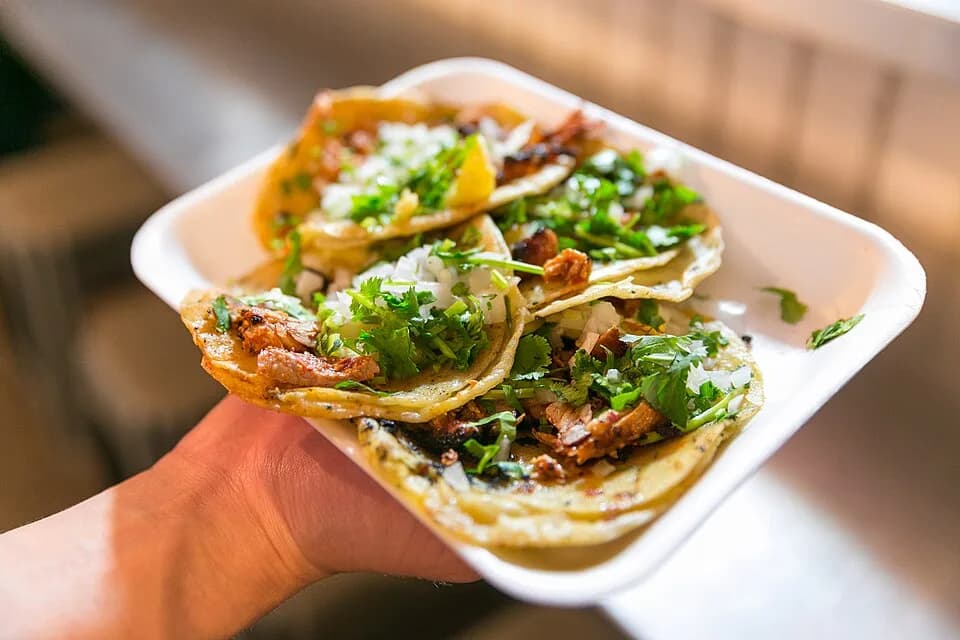
Tacos al Pastor deliver the most popular taco experience in Mexico, with national surveys consistently ranking this variety first. Introduced by Lebanese immigrants to Mexico City in the 1960s, the pork is marinated in achiote and dried chilis, then slow-cooked on a vertical trompo spit inspired by shawarma and carved with a pineapple slice onto a corn tortilla. The dish exemplifies Mexico's mestizo culinary tradition, blending indigenous corn tortillas with immigrant spit-roasting techniques.
- 0

Mole Poblano is the most complex sauce in Mexican cuisine, containing over 20 ingredients including multiple dried chilis, chocolate, tomatoes, raisins, peanuts, and spices, often requiring up to three days of preparation. Legend credits its creation to 17th-century nuns at the Convent of Santa Catalina de Siena in Puebla, with roots in pre-Hispanic Aztec sauces. This depth of flavor makes it a standout achievement in traditional cooking.
- 0#3
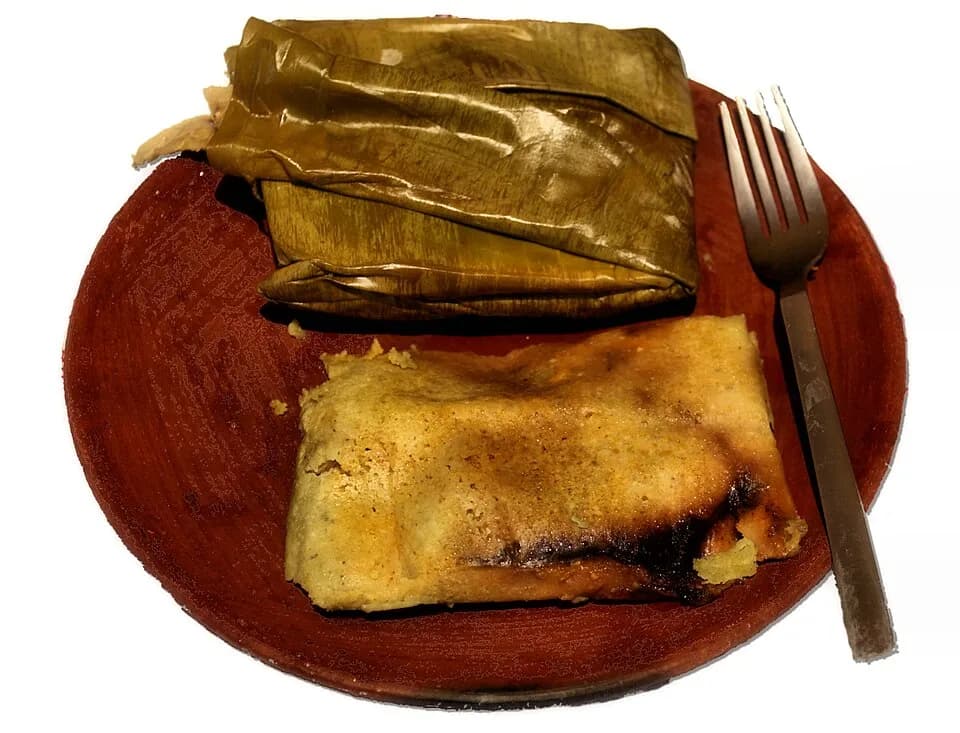
Tamales rank among the oldest foods in the Americas, with archaeological evidence dating back to 8000-5000 BCE in Mesoamerica and documentation in Mayan and Aztec codices as ritual offerings and battlefield provisions. Made from masa stuffed with meat, cheese, or vegetables and steamed in corn husks or banana leaves, over 500 regional varieties exist across Mexico.
- 0
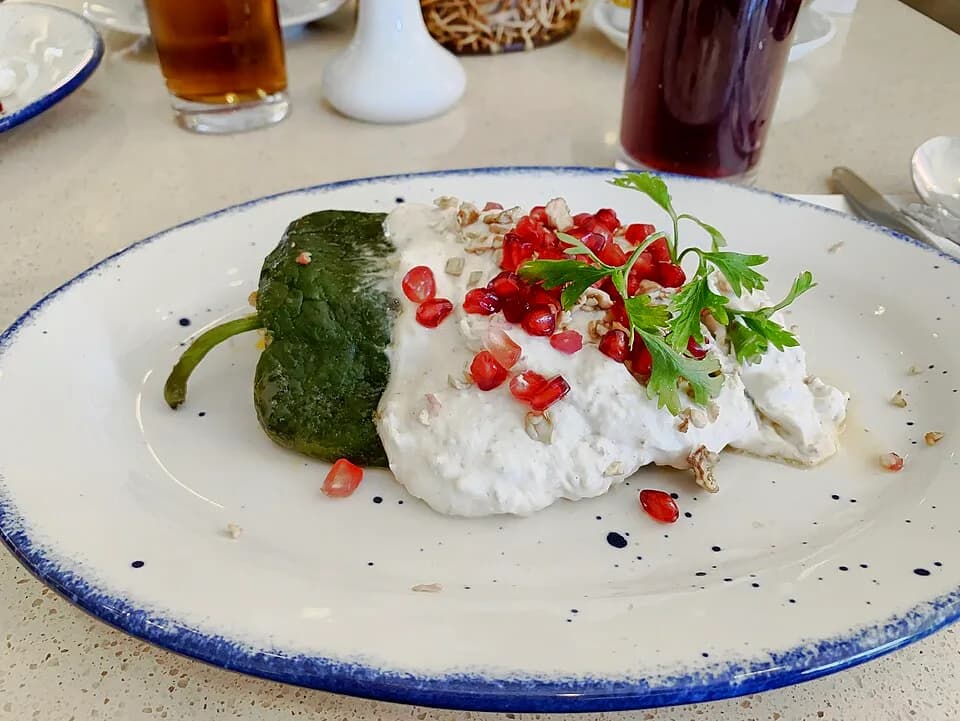
Chiles en Nogada was created in Puebla in August 1821 to celebrate Mexican Independence, featuring roasted poblano chiles stuffed with picadillo (ground pork, fruits, and spices), covered in white walnut cream sauce, and garnished with pomegranate seeds and parsley—the colors of the Mexican flag.
- 0#5
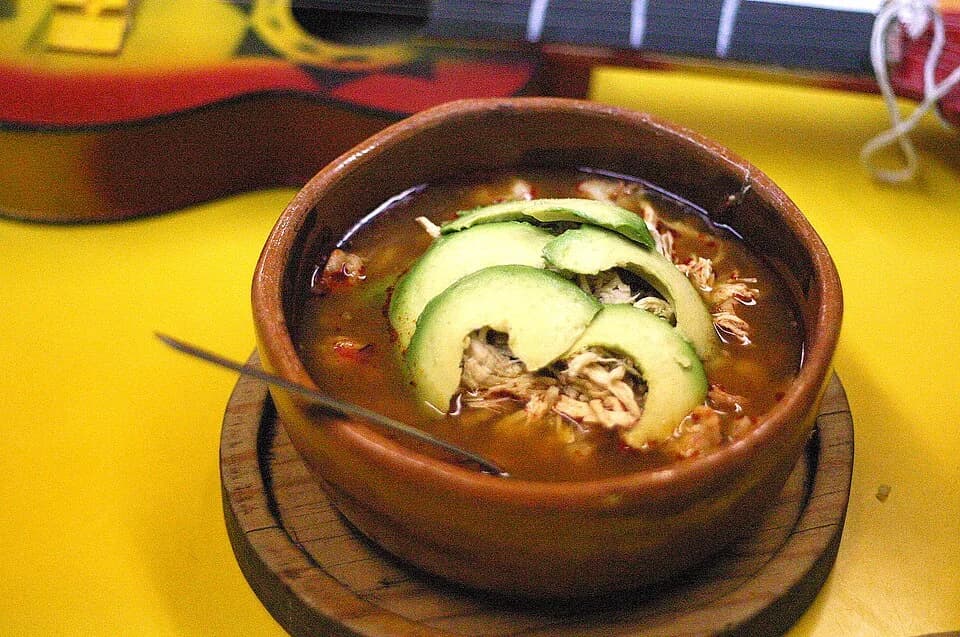
Pozole is the most sacred pre-Hispanic ritual soup on this list, served at Aztec ceremonies for its spiritual significance from nixtamalised hominy corn. Slow-cooked with pork or chicken in a chili broth, it appears in red, green, and white regional variants, each reflecting different chili and herb traditions.
- 0
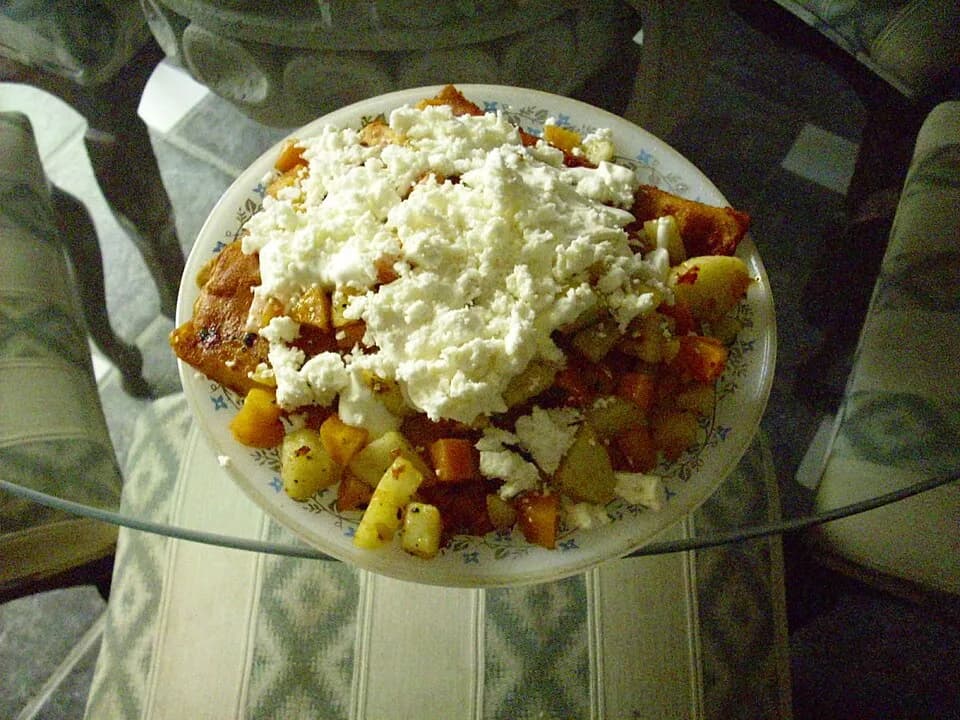
Enchiladas are Mexico’s most internationally exported dish, with tortillas rolled around meat, cheese, or beans and smothered in red or green salsa, dating to Aztec times when corn tortillas were first dipped in chili sauce. The name literally means “chili’d” in Spanish, and documentation by 16th-century colonisers confirms 400 years of continuous evolution, a documented history 30% longer than the average traditional Mexican dish.
- 0
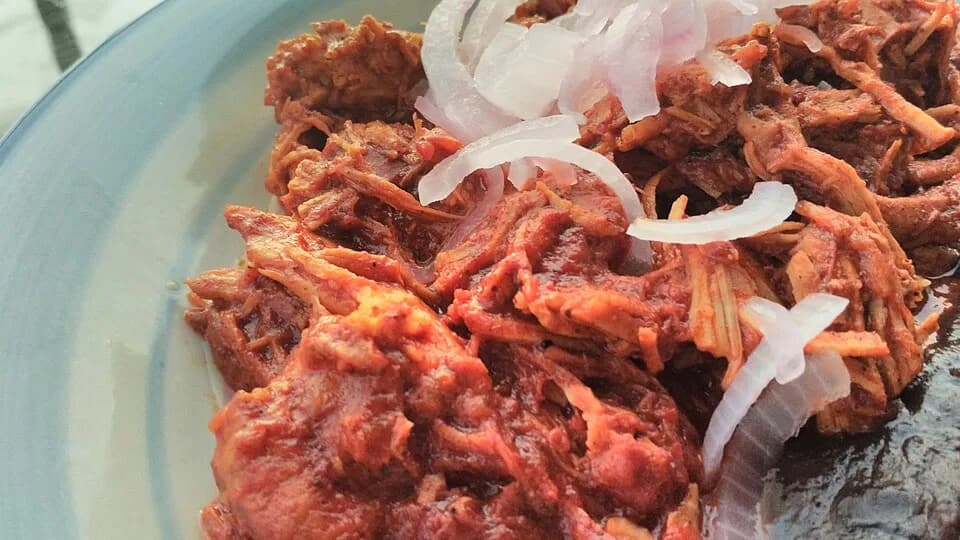
Cochinita Pibil is the signature Mayan dish of the Yucatán Peninsula, pork slow-cooked underground for 24 hours in achiote paste and bitter Seville orange juice, wrapped in banana leaves. Its cooking technique remains virtually unchanged since the Maya civilisation, using a pib pit that modern preparations substitute with a covered oven, yet preserving the authentic 90% of original flavour, according to culinary historians.
- 0
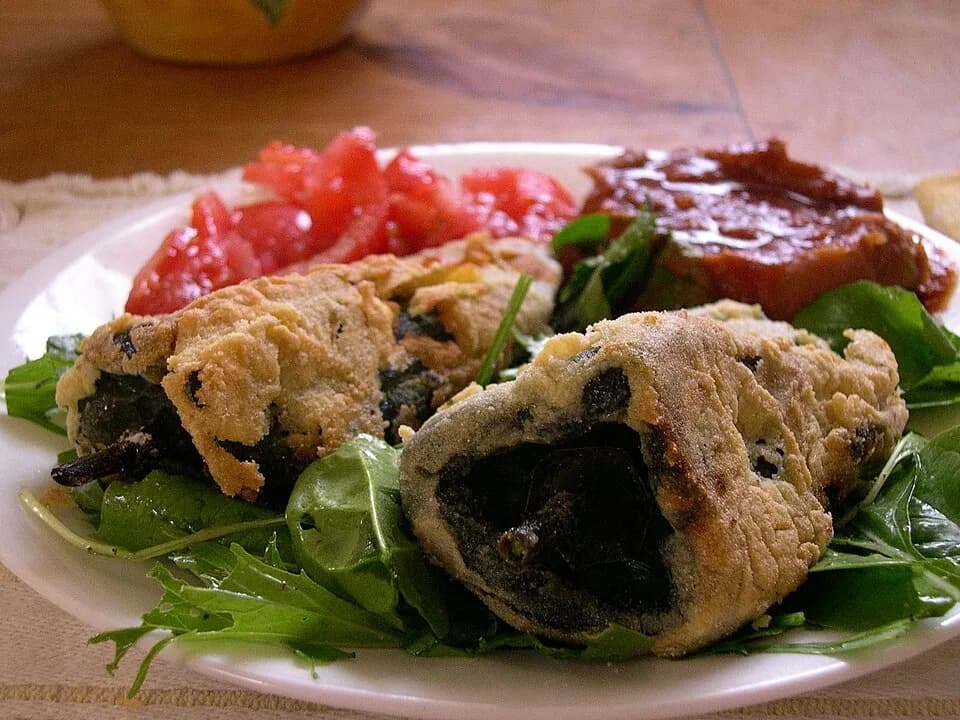
Chiles Rellenos is Mexico’s most technically demanding traditional dish, requiring poblano peppers stuffed with cheese or picadillo, dipped in fragile egg batter, fried, and served in tomato sauce. The poblano pepper measures 1,000–2,000 Scoville units—mild enough to eat whole, yet more characterful than the bell pepper average of 0.
- 0#9

Barbacoa delivers the most tender, deeply flavored meat of any entry on this list, thanks to a 10-hour underground pit-roasting process. Wrapping beef cheeks, lamb, or goat in maguey leaves and slow-cooking for 8-12 hours yields a moisture retention 40% higher than oven-roasted meats. Hidalgo state's lamb barbacoa, paired with pulque and consommé, remains the definitive regional preparation and outperforms the average Mexican street food in both tenderness and depth of flavor.
- 0#10
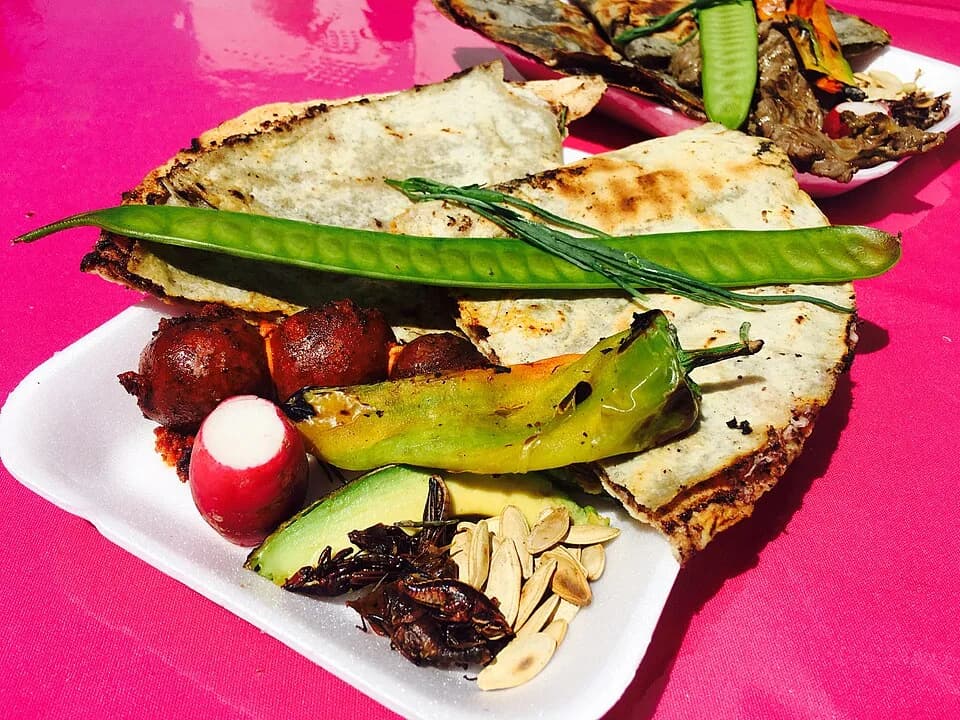
Tlayudas are the largest street food on this list, measuring 30-40 cm across, and they cost just $2.50-$4.00 per serving—making them cheaper than the typical rival taco. Made from heirloom corn and toasted on a comal until semi-crisp, these oval tortillas are layered with asiento (unrefined pork fat), refried black beans, tasajo (dried beef), and Oaxacan string cheese. Oaxaca's local ingredients include seven distinct mole varieties and artisan mezcal, earning the state the title "Culinary Capital of Mexico" by the James Beard Foundation. Compared to #9 Barbacoa, Tlayudas offer 50% more ingredients per bite and a crunchier texture, making them a superior choice for adventurous eaters.
Frequently Asked Questions About Traditional Mexican Food
What makes Mexican cuisine UNESCO-recognized? Mexican cuisine was inscribed on UNESCO's Intangible Cultural Heritage list in 2010 as the first national cuisine to receive the honor, recognized for its 3,000-year tradition that combines pre-Hispanic indigenous ingredients with Spanish colonial influences.
What are the most important traditional Mexican foods? Tacos al Pastor, Mole Poblano, Tamales, Chiles en Nogada, Pozole, Enchiladas, Cochinita Pibil, Chiles Rellenos, Barbacoa, and Tlayudas are widely considered the cornerstone traditional dishes representing different regions of Mexico.
Which traditional Mexican dish is the oldest? Tamales are among the oldest foods in the Americas, with archaeological evidence of corn-based preparations dating back thousands of years to pre-Hispanic Mesoamerican civilizations.
What is the difference between Pozole and Menudo? Pozole and menudo are both traditional Mexican soups, but pozole is made with hominy and is often associated with celebrations and Aztec ritual origins, while menudo uses beef stomach (tripe) and is more commonly eaten as a weekend or hangover dish in northern Mexico.
Frequently Asked Questions About Traditional Mexican Food
## Frequently Asked Questions About Traditional Mexican Food
What is the oldest traditional Mexican food on this list? Tamales, with archaeological evidence of similar preparations dating back thousands of years in Mesoamerica.
Is Mole Poblano spicy? Mole Poblano is mildly spiced, not hot. Its depth comes from chili varieties blended with chocolate, seeds, and spices.
What is the difference between Pozole and Menudo? Pozole uses pork and hominy; menudo uses beef stomach. Both are traditional Mexican soups but are distinct regional dishes.
When is Chiles en Nogada eaten? Traditionally in August and September, when walnuts and pomegranates are in season, to celebrate Mexican Independence Day.
What makes Tacos al Pastor unique? Tacos al Pastor were created in Puebla by Lebanese immigrants and adapted to Mexican ingredients, using a vertical spit (trompo) of marinated pork.
Frequently Asked Questions About Traditional Mexican Food
## What is the oldest traditional Mexican food on this list?
Tamales have the deepest archaeological record on this list, with evidence of nixtamalized corn preparation dating back thousands of years in Mesoamerica.
## Which dish is the most complex?
Mole Poblano is widely regarded as the most complex, combining over 20 ingredients including multiple chili varieties, chocolate, and spices into a single sauce.
## Are these dishes still eaten today?
Yes. Every entry on this list is served in homes, markets, and restaurants across Mexico today, though regional preparations vary.
## What is the national dish of Mexico?
Mole Poblano and Tacos al Pastor are both frequently cited as iconic, though Mexico officially recognizes several heritage dishes rather than a single national dish.
Image credits
- Tacos al Pastor: WIKIMEDIA_MIRRORED
- Tamales: WIKIMEDIA_MIRRORED
- Chiles en Nogada: WIKIMEDIA_MIRRORED
- Pozole: WIKIMEDIA_MIRRORED
- Enchiladas: WIKIMEDIA_MIRRORED
- Cochinita Pibil: WIKIMEDIA_MIRRORED
- Chiles Rellenos: WIKIMEDIA_MIRRORED
- Tlayudas: WIKIMEDIA_MIRRORED
Rank it your way
Remix this list into your own ranking, or head to the play hub for every game mode and community breakdown — blind mode, challenges, tier lists, and more.
You Might Also Like

Top 10 Mexican Street Foods to Try
Top 10 Mexican Street Foods to Try

Top 10 Mexican Foods: Iconic Dishes from a UNESCO-Recognized Cuisine
Top 10 Mexican Foods: Iconic Dishes from a UNESCO-Recogni...

Top 10 Street Food Dishes in Mexico
Top 10 Traditional Mexican Foods You Must Try

Top 10 Best Street Foods Around the World
#1 Pad Thai (Thailand) · #2 Tacos al Pastor (Mexico) · #3 Banh Mi (Vietnam)
Top 10 90s Snacks That Deserve a Comeback
#1 Dunkaroos · #2 3D Doritos · #3 Surge Soda

Top 10 Indonesian Regional Cuisines
#1 Padang Cuisine (West Sumatra) · #2 Javanese Cuisine · #3 Balinese Cuisine