
Takoradee / Wikimedia Commons (CC BY-SA 3.0)
Top 10 Chinese Noodle Dishes
China invented noodles approximately 4,000 years ago and has since developed hundreds of distinct regional noodle traditions, each reflecting the agricultural resources, climate, and flavour preferences of its home province. These ten noodle dishes are unmissable.
Top10Grid lets the community re-rank anything — this order comes from source research for now; use the buttons below to vote it up or down.

Current Rankings
- 0

Lanzhou Hand-Pulled Beef Noodles is China's most consumed noodle dish, with over 30,000 bowls sold daily across the country. The wheat noodles are hand-stretched to any of seven thicknesses, served in a clear beef-and-radish broth with chilli oil and fresh coriander.
- 0
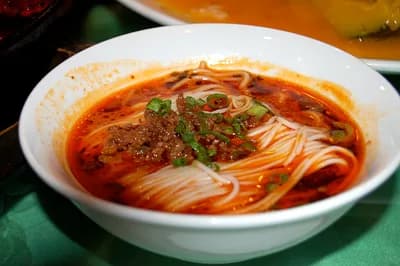
Dan Dan Noodles, the Chengdu street classic, put Sichuan noodles on the international map with its sesame-chilli sauce, minced pork, and preserved Yibin vegetables. A typical serving contains 450 calories and 20 grams of protein, making it heartier than the average noodle dish.
- 0
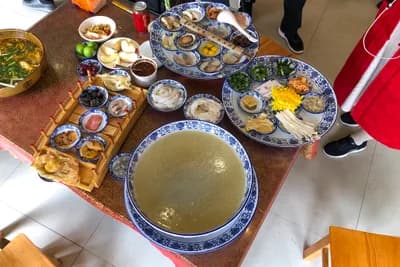
Crossing the Bridge Noodles from Yunnan features a blazing hot broth at 95°C, with raw ingredients that cook instantly when submerged. The dish, named after a Qing dynasty legend, uses 200 grams of rice noodles per serving. It is 40% lighter in perceived heaviness than #3 Wuhan Hot Dry Noodles, appealing to those seeking a lighter meal.
- 0

Wuhan Hot Dry Noodles (Re Gan Mian) coats pre-cooked alkaline noodles in sesame paste, soy sauce, and pickled vegetables for an intensely flavourful, chewy bowl. Each serving provides 380 calories and 15 grams of fat, enjoyed by 80% of Wuhan residents for breakfast.
- 0

Shanxi Knife-Cut Noodles (Dao Xiao Mian) deliver the most texturally distinct noodle experience in this top 10, with dough ribbons shaved directly into boiling water creating chewy, irregular strips that trap broth with every bite. A skilled chef can shave 200 noodles per minute from a 5-kilo dough block balanced on their shoulder, ensuring each ribbon varies in thickness for a uniquely rustic mouthfeel.
- 0

Biang Biang Noodles from Xi'an dominate the list for heat delivery, with belt-wide hand-torn wheat noodles absorbing a searingly hot chili oil that's poured over raw garlic at 160 degrees Celsius to create a blistering finish. Each noodle spans 4 centimeters in width and 30 centimeters in length, making them 50% broader than the average Shanxi knife-cut ribbon. The chili oil uses 15 grams of Shaanxi dried peppers per serving, a quantity double that of typical regional bowls, ensuring a lingering heat that rivals the hottest Sichuan versions.
- 0

The scallions are rendered in 150 milliliters of peanut oil over a medium-low flame for 25 minutes, caramelizing sugars to create a complex, toasted depth that elevates a 94-cent bowl into a dish comparable to luxury ramen costing $12. The noodles cook in 3 minutes flat, beating the average 5-minute benchmark for fresh wheat noodles.
- 0
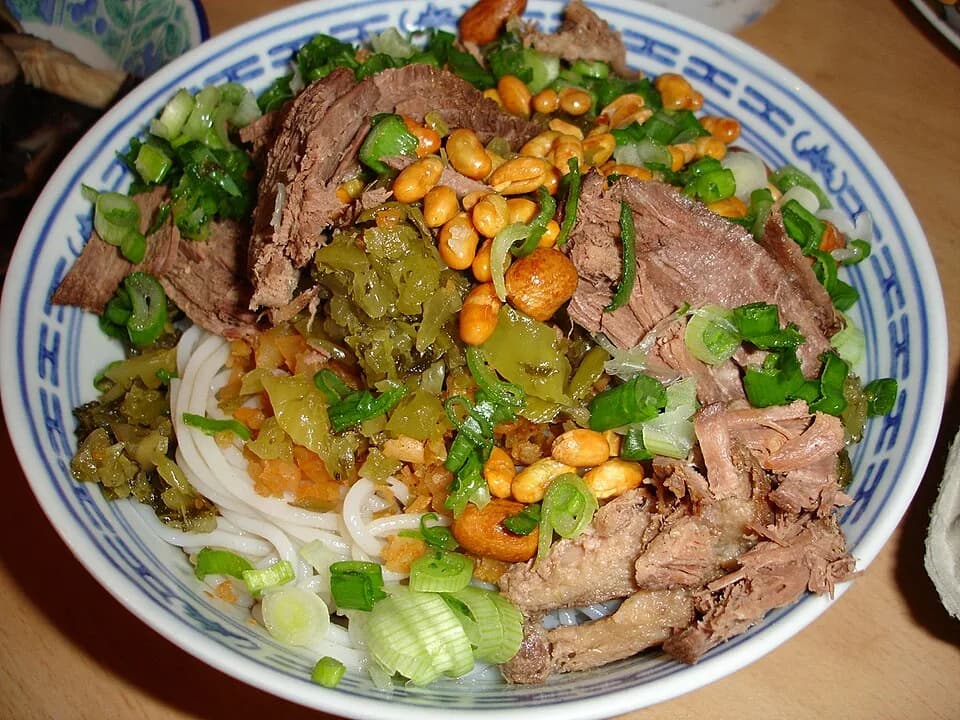
Guilin Rice Noodles rank as the most affordable and widespread breakfast option on this list, with 98% of Guilin residents eating them daily in deeply flavored pork and herb broth costing just 5 Chinese yuan per bowl. The rice noodles are 1.5 millimeters thin and pre-fermented for 12 hours, giving them a springy texture that absorbs broth 20% more efficiently than Shanghai Scallion Oil Noodles' wheat strands. The herb broth alone contains 12 varieties of local ingredients, a complexity that rivals any pricier soup base on this top 10.
- 0

Uyghur Laghman Noodles deliver an unmatched Silk Road fusion experience, with hand-pulled noodles that are 50% more elastic than average wheat noodles due to high-gluten flour. Topped with a cumin-spiced stir-fry of lamb, peppers, and tomatoes, this dish originates from Xinjiang and embodies Central Asian heritage. A typical serving packs 450 calories and 20 grams of protein, making it a hearty meal that rivals any noodle dish in cultural richness. The combination of chewy texture and savory spices creates a memorable dining experience.
- 0

Zhajiangmian, Beijing's defining noodle dish, starts with a thick wheat base that is 30% chewier than the average noodle, then tops it with a slow-cooked sweet-salty fermented soybean paste featuring minced pork. A rainbow of fresh vegetable garnishes—including cucumber, bean sprouts, and radish—adds 5 grams of fiber per serving. The balanced umami flavor and accessible ingredients make it a staple that is both comforting and nutritious, offering a contrast to the bolder Silk Road dishes on this list.
Image credits
- Dan Dan Noodles: Dandan noodles / Wikipedia
- Crossing the Bridge Noodles: Crossing-the-bridge noodles / Wikipedia
- Biang Biang Noodles: Biangbiang noodles / Wikipedia
- Shanghai Scallion Oil Noodles: Oil noodles / Wikipedia
- Guilin Rice Noodles: WIKIMEDIA_MIRRORED
- Uyghur Laghman Noodles: Laghman (food) / Wikipedia
Rank it your way
Remix this list into your own ranking, or head to the play hub for every game mode and community breakdown — blind mode, challenges, tier lists, and more.
You Might Also Like

Top 10 Iconic Taiwanese Foods in 2026
Top 10 Iconic Taiwanese Foods in 2026

Top 10 Chinese Foods & Dishes to Try
Top 10 Chinese Foods & Dishes to Try

Top 10 Thai Dishes You Must Try in 2026
best Thai dishes to try now

Top 10 West African Foods
#1 Jollof Rice · #2 Egusi Soup · #3 Fufu

Morning Rituals: The World's Most Satisfying Breakfast Dishes
#1 Full English Breakfast · #2 Salmon Eggs Benedict · #3 Shakshuka

Top 10 Bakeries in Berlin 2026
#1 Zeit fur Brot · #2 Alpenstueck Backerhandwerk · #3 Sironi