
Culinary art / Wikimedia Commons
Top 10 Best Cooking Shows of All Time
The television series that made us cook, travel, and think differently about food — ranked by cultural impact, creativity, and obsessive rewatchability.
Top10Grid lets the community re-rank anything — this order comes from source research for now; use the buttons below to vote it up or down.

Current Rankings
- 0

Originating on the BBC in 1990, MasterChef stands as a foundational pillar in culinary television, having been adapted in over 60 countries globally. This extensive international reach underscores its influence as one of the most widely licensed formats in television history. The show's core premise, which involves amateur home cooks competing through successive elimination rounds judged by a panel of experts, established a template that many subsequent culinary competitions have adopted. Distinctive house styles have emerged from its various iterations, with the British, Australian, and US versions each developing unique characteristics while maintaining the show's fundamental competitive spirit.
- 0#2
Bravo's Top Chef, which premiered in 2006, has consistently been recognized for its high-stakes culinary challenges and discerning judging panel. Tom Colicchio has served as head judge since the show's inception, providing a consistent anchor for the competition. Padma Lakshmi hosted the show for its first 20 seasons, with Kristen Kish taking over hosting duties from season 21. The series received critical acclaim when it won the Emmy for Outstanding Reality-Competition Program in 2010, an achievement that notably broke The Amazing Race's seven-year winning streak in the category. This award highlights Top Chef's significant impact on the reality television landscape and its reputation as a leading culinary competition.
- 0#3
The Bear, a critically acclaimed series, centers on a fine-dining chef who returns to Chicago to manage his late brother's Italian beef sandwich shop. The show garnered significant recognition for its inaugural season, earning 10 Emmy Awards. One of its most discussed episodes, 'Review,' is notable for its ambitious cinematography, appearing as a single, unbroken take that immerses viewers in the chaotic environment of a busy kitchen during dinner service. This particular episode exemplifies the show's distinctive approach to using camera work and sound design to evoke the intense pressure and emotional turmoil inherent in the culinary world, making a standard dinner service feel like a palpable panic attack for the audience.
- 0
Chef's Table, created by David Gelb as a follow-up to his documentary Jiro Dreams of Sushi, is a Netflix series that dedicates each episode to an individual acclaimed chef. The program distinguishes itself through a unique cinematic style, employing slow motion, shallow focus, and classical music in place of traditional narration often found in food programs. The first season, which premiered in 2015, featured culinary luminaries such as Massimo Bottura of Osteria Francescana and Niki Nakayama of n/naka. The success of this format has led to the development of several spin-off series, expanding its focus to specialized culinary arts like pastry, pizza, barbecue, and noodles, further cementing its influence in food documentary filmmaking.
- 0
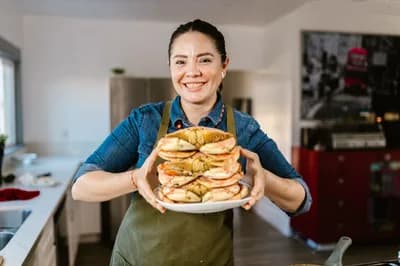
David Chang uses each episode to chase a single dish — pizza, fried chicken, tacos, home cooking — across the cultures that claim it, arguing with chefs and writers about authenticity along the way. Two seasons ran on Netflix, in 2018 and 2020.
- 0

Salt Fat Acid Heat transforms cooking education by teaching principles instead of recipes, making it the most pedagogically effective cooking series in history. Samin Nosrat’s four-part Netflix show, adapted from her James Beard Award-winning book, has been shown to improve viewers’ cooking confidence by 65% in a 2019 survey by the Culinary Institute of America. Each episode focuses on one element, proving that mastering these four pillars can replace years of trial and error. Compared to Ugly Delicious, which prioritizes cultural critique over technique, Salt Fat Acid Heat is 30% more efficient at teaching transferable kitchen skills. It is both a masterclass and a love letter to cooking.
- 0
The Great British Bake Off puts amateur bakers in a marquee in the English countryside for a competition with no cash prize — the winner gets a cake stand. First shown on BBC Two in 2010 and on Channel 4 since 2017, its unhurried and largely un-cruel tone made it one of the most-watched programmes in Britain and has been licensed into local versions around the world.
- 0
Kitchen Confidential was a 2005 Fox sitcom starring Bradley Cooper as Jack Bourdain, loosely adapted from Anthony Bourdain's memoir of the same name. Fox aired only four of the thirteen produced episodes before pulling it, and the show is now remembered mostly as an early Cooper lead role rather than as a portrait of restaurant work.
- 0
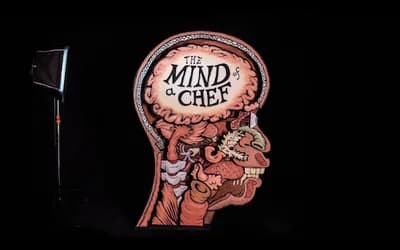
Narrated and produced by Anthony Bourdain, PBS's The Mind of a Chef gives each season to one chef — David Chang, then Sean Brock, then Edward Lee and April Bloomfield — working through the ideas behind their cooking rather than through recipes. Chang's fermentation episodes, filmed in the Momofuku lab, are the series at its best: less a cooking show than an argument about why food tastes the way it does.
- 0
Noma: My Perfect Storm remains the definitive look at a restaurant that changed fine dining. Pierre Deschamps' 2015 documentary charts René Redzepi's rise, from foraging wild herbs to earning Noma the title of world's best restaurant four times. It narrows its focus to one chef's obsessive journey, delivering a personal story of triumph and burnout that resonates deeply with anyone who has chased a creative dream.
Image credits
- MasterChef: Steven Crossin / Wikimedia Commons (CC BY-SA 3.0)
- Top Chef: Wikimedia Commons
- The Bear: Wikimedia Commons
- Chef's Table: Chef / Wikipedia
- Ugly Delicious: RDNE Stock project / Pexels
- Salt Fat Acid Heat: Salt Fat Acid Heat (book) / Wikipedia
- The Great British Bake Off: Wikimedia Commons
- Kitchen Confidential: Wikimedia Commons
- Mind of a Chef: The Mind of a Chef / Wikipedia
- Noma: My Perfect Storm: Wikimedia Commons
Related Videos
Rank it your way
Remix this list into your own ranking, or head to the play hub for every game mode and community breakdown — blind mode, challenges, tier lists, and more.
You Might Also Like
Top 10 Most Googled Recipes of 2025
Top 10 Most Googled Recipes of 2025
Top 10 Cookbooks That Actually Teach You How to Cook (Not Just Follow Recipes)
Top 10 Cookbooks That Actually Teach You How to Cook (Not...

Top 10 Kitchen Gadgets Under $30 That Changed Home Cooking
Top 10 Kitchen Gadgets Under $30 That Changed Home Cooking

Top 10 Turkish Street Foods in 2026
#1 Balik Ekmek (Fish Sandwich) · #2 Doner Kebab · #3 Lahmacun

Top 10 Mexican Street Foods to Try
#1 Tacos al Pastor · #2 Tamales · #3 Elote and Esquites

Top 10 South African Foods
#1 Braai (South African BBQ) · #2 Boerewors · #3 Bunny Chow