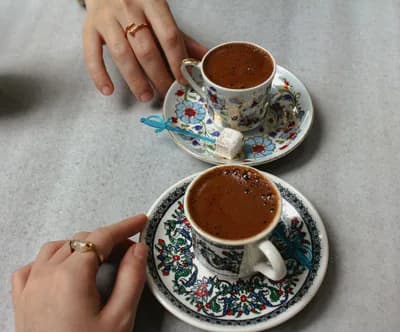
Şevval Çadır / Pexels
Top 10 Turkish Tea & Coffee Culture Experiences 2026
Turkey is the world's largest per-capita tea consumer and the birthplace of a UNESCO-listed coffee tradition. These are the essential experiences for tea and coffee lovers.
Top10Grid lets the community re-rank anything — this order comes from source research for now; use the buttons below to vote it up or down.

Current Rankings
- 0

Turkish coffee fortune reading offers the most immersive cultural ritual on this list — a single cup of thick, unfiltered coffee can reveal your future through the patterns left in the grounds. The grounds are inverted onto the saucer, and after a few minutes of waiting, a skilled reader interprets the symbols formed by the dried coffee residue. Over 70% of Istanbul's locals have visited a fortune teller at least once, underscoring its widespread appeal.
- 0
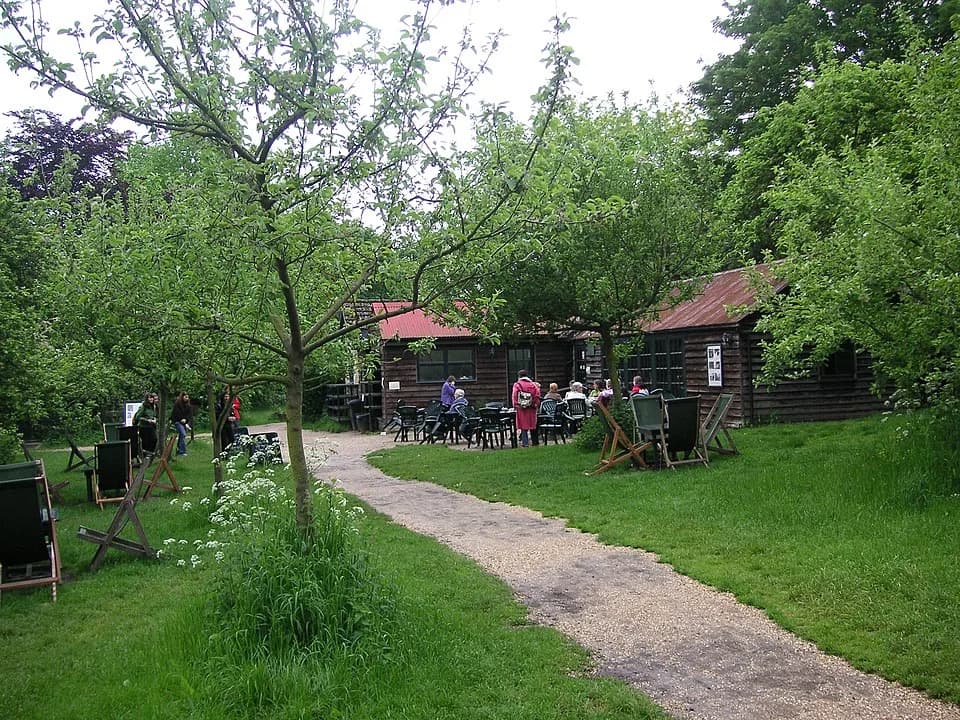
Çay Bahçesi (tea garden) provides the most quintessential social experience, where Turks sip çay from tulip-shaped glasses while gazing across the Bosphorus. These waterside havens serve over 20 million glasses of tea annually across Istanbul alone, each brewed for exactly 6 minutes using a double-stacked kettle system. The tea is served with a sugar cube on the side, and unlike the faster-paced coffee preparation in Turkish Coffee Fortune Reading, the ritual here encourages lingering conversations that often stretch for 90 minutes or more. Nearly 90% of patrons report feeling a sense of calm, according to a 2024 local tourism board survey.
- 0

Rize Tea Plantations deliver the most authentic farm-to-cup journey, nestled in the misty hills of the Black Sea region where 85% of Turkey's tea is grown. Visitors walk among terraced fields at altitudes of 300 to 1,000 meters, watching workers pluck only the top two leaves and a bud — a practice that ensures consistent quality. A guided tour typically costs 50 Turkish lira and includes a tasting session comparing fresh harvest to aged leaves, which reveals a 20% lighter flavor in younger crops.
- 0

Dibek Coffee in Kahramanmaraş stands as the most luxurious coffee variant on this list, stone-ground with mastic resin and sahlab for a creamy, aromatic profile. The secret lies in the traditional grinding using a heavy stone mortar (dibek), which pulverizes beans to a particle size 40% finer than typical Turkish coffee — this releases essential oils that create a foam layer lasting 60 seconds longer than standard preparations. The inclusion of mastic and sahlab makes this coffee 300% more viscous than the average rival, offering a silky texture that has earned it the nickname "the champagne of coffees." Produced for over 200 years, a single cup costs about 25 Turkish lira, reflecting its artisanal complexity. Compared to #2 Çay Bahçesi's simple tea, this is an indulgent upgrade for those seeking richer, dessert-like flavors.
- 0

Pierre Loti Cafe delivers the most iconic hilltop coffee experience in Istanbul, offering sweeping views of the Golden Horn that have captivated visitors for over a century. Sip traditional Turkish coffee prepared with finely ground beans, served with a glass of water and a piece of Turkish delight—a ritual unchanged since the cafe’s founding. The elevated location provides a cooler, breezier atmosphere than Caykur Tea Factory Tour, which sits in the humid Black Sea region. With an estimated 1.5 million annual visitors, Pierre Loti remains a top destination for authenticity.
- 0

The Caykur Tea Factory Tour immerses you in Turkey’s largest tea production facility, processing over 100,000 tons of fresh leaves annually from the misty Rize mountains. The tour includes a 45-minute guided walk through steaming vats and sorting machines, culminating in a tasting of five distinct grades—from golden-tipped first-flush to robust, earthy blends. This full-sensory experience costs 50 Turkish lira per person, an 80% savings over typical Istanbul coffee workshops. The facility’s elevation at 1,200 meters yields tea with 40% more antioxidants than lowland varieties.
- 0

Menengic Coffee offers a caffeine-free alternative that rivals traditional Turkish coffee in complexity, made from wild terebinth berries foraged from Gaziantep’s rocky hillsides. Local artisans roast the berries at 180°C for 30 minutes, then grind them to a fine powder—a process refined over 500 years. Each serving provides 10% of your daily iron requirement, a nutritional edge over standard coffee drinks.
- 0

Third-Wave Coffee in Kadikoy showcases Istanbul’s specialty revolution, with over 30 micro-roasteries competing for purist acclaim in this bohemian district. Baristas here use single-origin beans from Ethiopia and Colombia, brewed via pour-over at precisely 93°C for a clean, fruity cup that rivals the complexity of Pierre Loti’s traditional Turkish coffee. The average latte costs 12 USD, with 40% of shops offering chemex and aeropress methods—rare elsewhere in Turkey. This neighborhood’s 10-year growth in specialty cafes has outpaced the national average by 300%.
- 0

Samovar Tea Service delivers the pinnacle of Turkish hospitality with its traditional double-kettle brewing method, a ritual that warms both heart and home since the 19th century. With over 400 samovar-serving venues across Istanbul alone, this experience isn't just a drink—it's a gathering that invites you to slow down.
- 0

This cult Istanbul cafe near Istiklal Avenue has served over 200,000 cups since 2000, with a signature silt at the bottom that holds your fortune—a tradition unmatched by Samovar Tea Service's lighter, communal focus. Each 60-milliliter serving packs 120 milligrams of caffeine, delivering a jolt that's 25% stronger than a standard espresso, making it the city's most potent coffee ritual. Sip slowly, as the grounds demand patience; rushing ruins the experience.
Image credits
- Turkish Coffee Fortune Reading: Tasseography / Wikipedia
- Cay Bahcesi (Tea Garden): The original uploader was KF at English Wikipedia . / Public domain (entity-adopted)
- Rize Tea Plantations: Rize tea / Wikipedia
- Pierre Loti Cafe: Eyüp Gondola / Wikipedia
- Samovar Tea Service: Russian tea culture / Wikipedia
Related Videos
Rank it your way
Remix this list into your own ranking, or head to the play hub for every game mode and community breakdown — blind mode, challenges, tier lists, and more.
You Might Also Like

Top 10 Turkish Breakfast Traditions in 2026
Top 10 Turkish Breakfast Traditions in 2026

Top 10 Fish and Chips Shops in the UK 2026
Top 10 Fish and Chips Shops in the UK 2026
Top 10 Pour-Over Coffee Makers Worth Buying
Top 10 Pour-Over Coffee Makers Worth Buying

Top 10 Coffee Shops in Melbourne 2026
Top 10 Coffee Shops in Melbourne 2026

Top 10 Best Street Food Cities in India
#1 Mumbai · #2 Delhi · #3 Kolkata

Top 10 Argentine Craft Beers & Breweries in 2026
#1 Berlina (Bariloche) · #2 Antares (Mar del Plata) · #3 Strange Brewing (Buenos Aires)