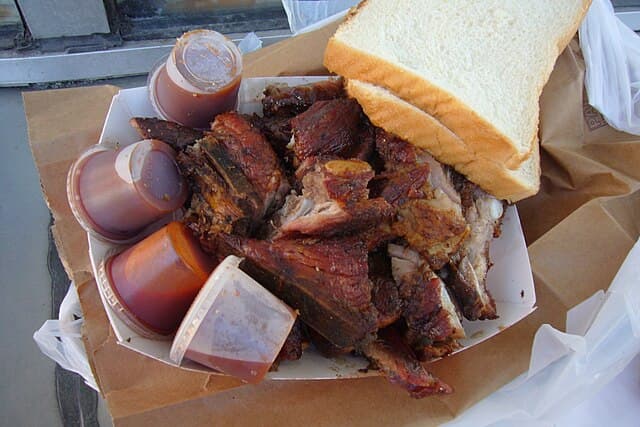
Churrasco — Brazilian-style barbecue cooked slowly over wood or charcoal — is a cornerstone of Brazilian food culture, particularly in the southern states of Rio Grande do Sul, Santa Catarina, and Parana where the gaucho (cowboy) tradition originated. Brazil is the world's second-largest beef producer, slaughtering approximately 49 million cattle annually, and churrascarias (steakhouse restaurants) are among the most ubiquitous dining establishments in the country. These ten cuts represent the essential churrasco experience, from humble offcuts beloved by working-class brazilians to premium steaks served at the country's finest restaurants.
Top 10 lists on this topic
Curated by our food editors. Critical reception and community vote both shape the ranking — updated as opinions shift.

Picanha — the rump cap or top sirloin cap — is universally regarded as the king of Brazilian churrasco, prized for its thick fat cap that bastes the meat as it cooks and produces extraordinary juiciness and flavour. Cut into C-shaped skewers folded over metal spits and seasoned with nothing but coarse rock salt, picanha exemplifies the Brazilian philosophy that premium beef needs no marinade. A well-rested picanha served medium-rare, sliced tableside from the skewer, is the defining taste of authentic churrasco and the cut most requested by Brazilians and tourists alike.

Fraldinha, known internationally as the "bottom sirloin flap" or "bavette," is a long, flat cut from the lower belly of the cow that is deeply flavored due to its high fat marbling and extensive connective tissue. It is considered the most flavorful everyday churrasco cut by many gauchos, often preferred over picanha for its more pronounced beef taste and the satisfying chew of its texture. Fraldinha is typically cooked on a flat skewer at medium height over coals, which allows the fat to render slowly without burning, producing a caramelized exterior and juicy interior.

Costela — beef ribs — represents the most time-intensive cut in traditional churrasco, requiring anywhere from four to ten hours of slow cooking over indirect heat to fully break down the collagen and achieve the fall-off-the-bone tenderness that aficionados prize. In Rio Grande do Sul, the "costela no fogo de chao" preparation — hanging whole beef rib racks vertically beside a wood fire for up to eight hours — is considered the supreme test of a churrasceiro's skill and patience. When done correctly, costela produces a deep smoky bark on the exterior and meat so tender it can be eaten with a spoon.

Maminha, or "tri-tip" in North American butchery terminology, is a triangular cut from the bottom sirloin that is particularly beloved in the state of Sao Paulo, where it is considered a more affordable but equally satisfying alternative to picanha. The cut is characterized by its moderate fat content and fine grain, which means it must be sliced against the grain to achieve maximum tenderness. Maminha has become increasingly popular in Brazilian churrascarias over the past decade as beef prices have risen, offering a genuinely high-quality experience at a lower price point.

Alcatra — the rump steak — is a broad cut encompassing several muscles from the hindquarter and is among the most commonly served cuts at rodizio-style churrascarias, where meat is carved tableside from a continuous rotation of skewers. In the gaucho tradition, alcatra can refer specifically to a thicker "alcatra com osso" (bone-in rump), which is marinated overnight in garlic and red wine before being cooked low and slow. The cut's versatility and consistent availability across the country make it the backbone of the churrasco tradition for everyday Brazilians.

Cupim — the zebu hump, the fatty protuberance on the back of Brahman cattle — is one of the most distinctly Brazilian of all churrasco cuts, since zebu (Bos indicus) breeds rather than European (Bos taurus) cattle dominate Brazilian beef production. The cut is pure connective tissue and fat, which must be cooked for a minimum of six hours to render properly, turning from an unappealing rubbery mass into a silky, extraordinarily rich and gelatinous delicacy unlike anything in other BBQ traditions. Cupim has become fashionable in high-end Brazilian restaurants in recent years as chefs apply sous-vide and long-cook techniques to perfect its texture.

Linguica toscana — a coarse-ground pork sausage seasoned with garlic, paprika, and fennel seeds — is the essential churrasco supporting player, almost always present alongside beef cuts at any traditional Brazilian barbecue. Derived from Italian immigrant culinary traditions in the south of Brazil, the sausage is typically cooked directly over hot coals in its natural casing until blistered and split, releasing its aromatic fat. Served sliced into bite-sized rounds and eaten as a starter while the larger beef cuts cook, linguica toscana is often cited by Brazilians as the taste most associated with weekend family churrasco gatherings.

Coracoes de frango — chicken hearts — are among the most beloved and culturally specific items in Brazilian churrasco, appearing on the grill at virtually every family barbecue from Porto Alegre to Belem. Skewered on small metal spits, seasoned simply with salt and garlic, and cooked quickly over high heat until lightly charred on the outside but still pink and tender within, they are the traditional churrasco snack eaten while waiting for larger cuts to finish. Brazil processes approximately 13 million tonnes of chicken annually, making affordable chicken hearts a democratic staple that transcends class and regional boundaries.

Asado com tira — thin-cut beef short ribs sliced across the bone, borrowed from neighboring Argentina but thoroughly adopted into Brazilian southern churrasco — offers the intense flavor of rib meat in a format that cooks much faster than whole costela, typically in 20-30 minutes over medium-high heat. The cross-bone presentation means each piece contains multiple sections of bone, marrow, and inter-rib meat that cook at different rates, creating a complex mix of textures in a single bite. In Rio Grande do Sul border towns and cities with strong Argentine cultural influence, asado com tira can rival picanha in popularity.

Pao de alho — garlic bread cooked on the churrasco grill — is not a meat cut but is so integral to the Brazilian churrasco experience that it earns a place on any definitive list. Made by splitting crusty French-style bread loaves, filling them generously with garlic butter mixed with parsley and sometimes cream cheese or catupiry (a soft Brazilian processed cheese), wrapping them in foil, and placing them directly on the grill until the butter melts and the bread absorbs the smokiness of the coals. At any churrasco, the moment the pao de alho is unwrapped and its garlic-butter steam rises is one of the most anticipated sensory experiences of the meal.
The most-voted lists across every category — curated weekly. Join the early readers.
No spam. One email per week. Unsubscribe anytime.

Create a free account or sign in to join the discussion.
Sign in to join the conversation
Top 10 Cabbage Dishes Transforming 2026 Home CookingTop 10 Emerging Protein Innovation Snacks That Actually Taste Good
Top Food Products — beverages — March 2026
Top 10 Restaurants in Tokyo 2026Explore more Food rankings on Top10Grid

Picanha — the rump cap or top sirloin cap — is universally regarded as the king of Brazilian churrasco, prized for its thick fat cap that bastes the meat as it cooks and produces extraordinary juiciness and flavour. Cut into C-shaped skewers folded over metal spits and seasoned with nothing but coarse rock salt, picanha exemplifies the Brazilian philosophy that premium beef needs no marinade. A well-rested picanha served medium-rare, sliced tableside from the skewer, is the defining taste of authentic churrasco and the cut most requested by Brazilians and tourists alike.

Fraldinha, known internationally as the "bottom sirloin flap" or "bavette," is a long, flat cut from the lower belly of the cow that is deeply flavored due to its high fat marbling and extensive connective tissue. It is considered the most flavorful everyday churrasco cut by many gauchos, often preferred over picanha for its more pronounced beef taste and the satisfying chew of its texture. Fraldinha is typically cooked on a flat skewer at medium height over coals, which allows the fat to render slowly without burning, producing a caramelized exterior and juicy interior.

Costela — beef ribs — represents the most time-intensive cut in traditional churrasco, requiring anywhere from four to ten hours of slow cooking over indirect heat to fully break down the collagen and achieve the fall-off-the-bone tenderness that aficionados prize. In Rio Grande do Sul, the "costela no fogo de chao" preparation — hanging whole beef rib racks vertically beside a wood fire for up to eight hours — is considered the supreme test of a churrasceiro's skill and patience. When done correctly, costela produces a deep smoky bark on the exterior and meat so tender it can be eaten with a spoon.

Maminha, or "tri-tip" in North American butchery terminology, is a triangular cut from the bottom sirloin that is particularly beloved in the state of Sao Paulo, where it is considered a more affordable but equally satisfying alternative to picanha. The cut is characterized by its moderate fat content and fine grain, which means it must be sliced against the grain to achieve maximum tenderness. Maminha has become increasingly popular in Brazilian churrascarias over the past decade as beef prices have risen, offering a genuinely high-quality experience at a lower price point.

Alcatra — the rump steak — is a broad cut encompassing several muscles from the hindquarter and is among the most commonly served cuts at rodizio-style churrascarias, where meat is carved tableside from a continuous rotation of skewers. In the gaucho tradition, alcatra can refer specifically to a thicker "alcatra com osso" (bone-in rump), which is marinated overnight in garlic and red wine before being cooked low and slow. The cut's versatility and consistent availability across the country make it the backbone of the churrasco tradition for everyday Brazilians.

Cupim — the zebu hump, the fatty protuberance on the back of Brahman cattle — is one of the most distinctly Brazilian of all churrasco cuts, since zebu (Bos indicus) breeds rather than European (Bos taurus) cattle dominate Brazilian beef production. The cut is pure connective tissue and fat, which must be cooked for a minimum of six hours to render properly, turning from an unappealing rubbery mass into a silky, extraordinarily rich and gelatinous delicacy unlike anything in other BBQ traditions. Cupim has become fashionable in high-end Brazilian restaurants in recent years as chefs apply sous-vide and long-cook techniques to perfect its texture.

Linguica toscana — a coarse-ground pork sausage seasoned with garlic, paprika, and fennel seeds — is the essential churrasco supporting player, almost always present alongside beef cuts at any traditional Brazilian barbecue. Derived from Italian immigrant culinary traditions in the south of Brazil, the sausage is typically cooked directly over hot coals in its natural casing until blistered and split, releasing its aromatic fat. Served sliced into bite-sized rounds and eaten as a starter while the larger beef cuts cook, linguica toscana is often cited by Brazilians as the taste most associated with weekend family churrasco gatherings.

Coracoes de frango — chicken hearts — are among the most beloved and culturally specific items in Brazilian churrasco, appearing on the grill at virtually every family barbecue from Porto Alegre to Belem. Skewered on small metal spits, seasoned simply with salt and garlic, and cooked quickly over high heat until lightly charred on the outside but still pink and tender within, they are the traditional churrasco snack eaten while waiting for larger cuts to finish. Brazil processes approximately 13 million tonnes of chicken annually, making affordable chicken hearts a democratic staple that transcends class and regional boundaries.

Asado com tira — thin-cut beef short ribs sliced across the bone, borrowed from neighboring Argentina but thoroughly adopted into Brazilian southern churrasco — offers the intense flavor of rib meat in a format that cooks much faster than whole costela, typically in 20-30 minutes over medium-high heat. The cross-bone presentation means each piece contains multiple sections of bone, marrow, and inter-rib meat that cook at different rates, creating a complex mix of textures in a single bite. In Rio Grande do Sul border towns and cities with strong Argentine cultural influence, asado com tira can rival picanha in popularity.

Pao de alho — garlic bread cooked on the churrasco grill — is not a meat cut but is so integral to the Brazilian churrasco experience that it earns a place on any definitive list. Made by splitting crusty French-style bread loaves, filling them generously with garlic butter mixed with parsley and sometimes cream cheese or catupiry (a soft Brazilian processed cheese), wrapping them in foil, and placing them directly on the grill until the butter melts and the bread absorbs the smokiness of the coals. At any churrasco, the moment the pao de alho is unwrapped and its garlic-butter steam rises is one of the most anticipated sensory experiences of the meal.

Top 10 Pour-Over Coffee Makers Worth Buying
27 views · @admin

Top 10 Turkish Kebabs You Must Try in 2026
24 views · @admin
Top 10 Celebrity-Owned Hotels & Restaurants You Can Actually Visit
24 views · @admin

Top 10 BBQ Smokers That Pitmasters Actually Use
22 views · @admin

Top 10 Turkish Desserts in 2026
18 views · @admin

Top 10 Best Whiskeys in the World
18 views · @admin
Because you're viewing Food

Top 10 Cabbage Dishes Transforming 2026 Home Cooking
480 views · 1 votes
Top 10 Emerging Protein Innovation Snacks That Actually Taste Good
106 views · 0 votes

Top Food Products — beverages — March 2026
99 views · 0 votes

Top 10 Restaurants in Tokyo 2026
89 views · 0 votes
Top 10 Best Grilling Marinades Taking Over Summer 2026
88 views · 0 votes

Top 10 Street Food Destinations in Southeast Asia
85 views · 0 votes