
Top 10 Spanish Foods You Must Try
Spanish cuisine is a vibrant tapestry woven from sun-ripened Mediterranean produce, ancient Moorish influences, and fiercely defended regional traditions. It’s not just about paella and tapas: from the smoky, saffron-kissed rice of Valencia’s coast to the melt-in-your-mouth jamón ibérico de bellota from Extremadura and the inventive pintxos lining Basque Country bars, each dish tells a story of geography and heritage. These ten foods capture the soul of Spain’s extraordinary culinary landscape.
Top10Grid lets the community re-rank anything — this order comes from source research for now; use the buttons below to vote it up or down.

Current Rankings
- 0#1

Paella originated in Valencia's rice-growing region around the mid-19th century, traditionally cooked over wood fire in a wide, shallow pan that gives the dish its name. Authentic Valencian paella contains rice, rabbit, chicken, green beans, and butter beans, seasoned with saffron to achieve its distinctive golden hue. For the best paella, head to the beachside restaurants of Valencia or El Palmar village on the Albufera lagoon.
- 0
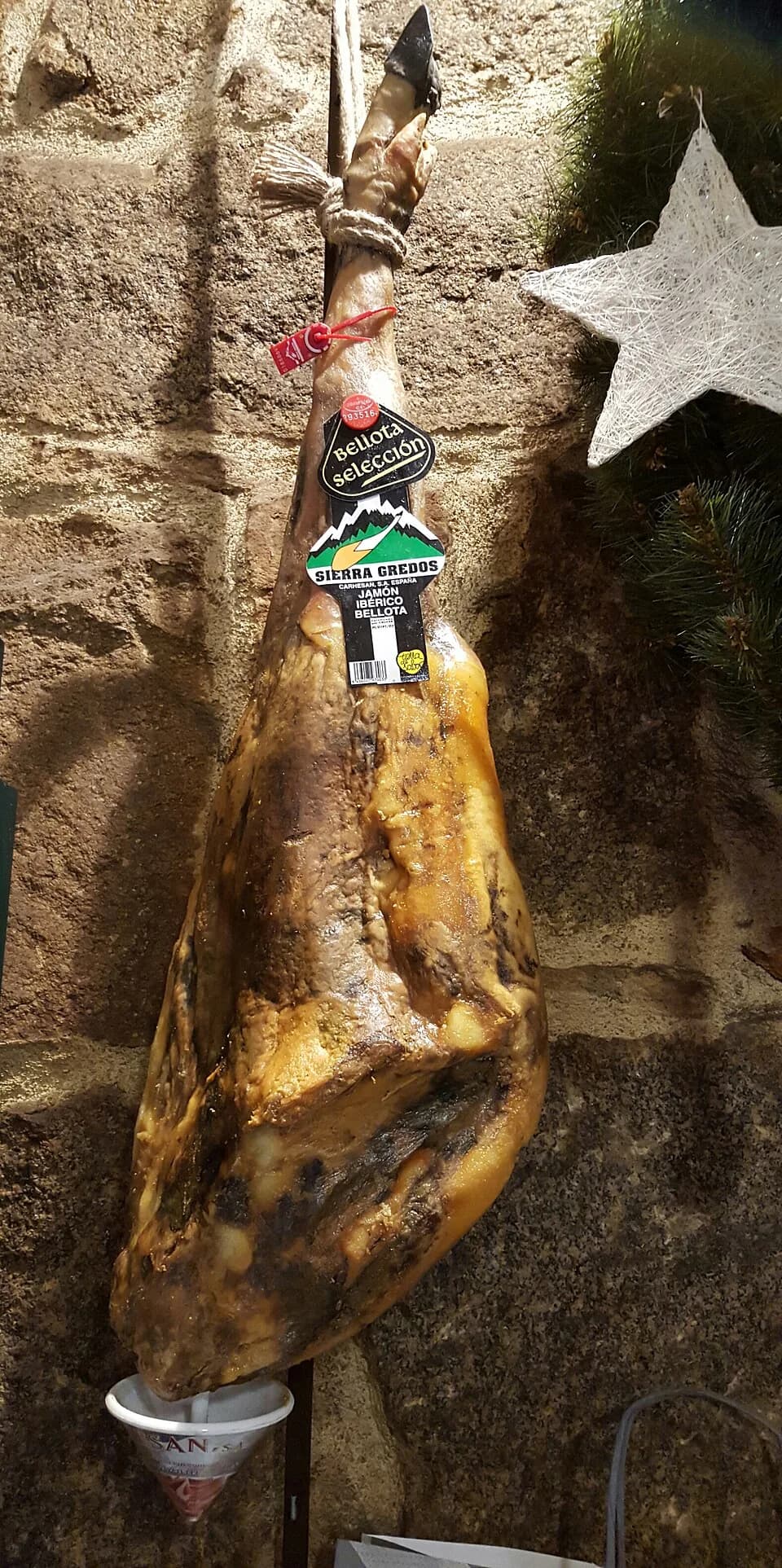
Jamon Iberico is the pinnacle of Spanish charcuterie, produced from black Iberian pigs that roam freely in oak forests of Extremadura and Andalusia, gorging on acorns (bellota) during the autumn montanera season. The hams are dry-cured for a minimum of 24 months, with the finest Jamon Iberico de Bellota aged up to 48 months, developing complex nutty, sweet flavours. Seek it out at specialist jamoneria shops in Madrid or Seville.
- 0#3
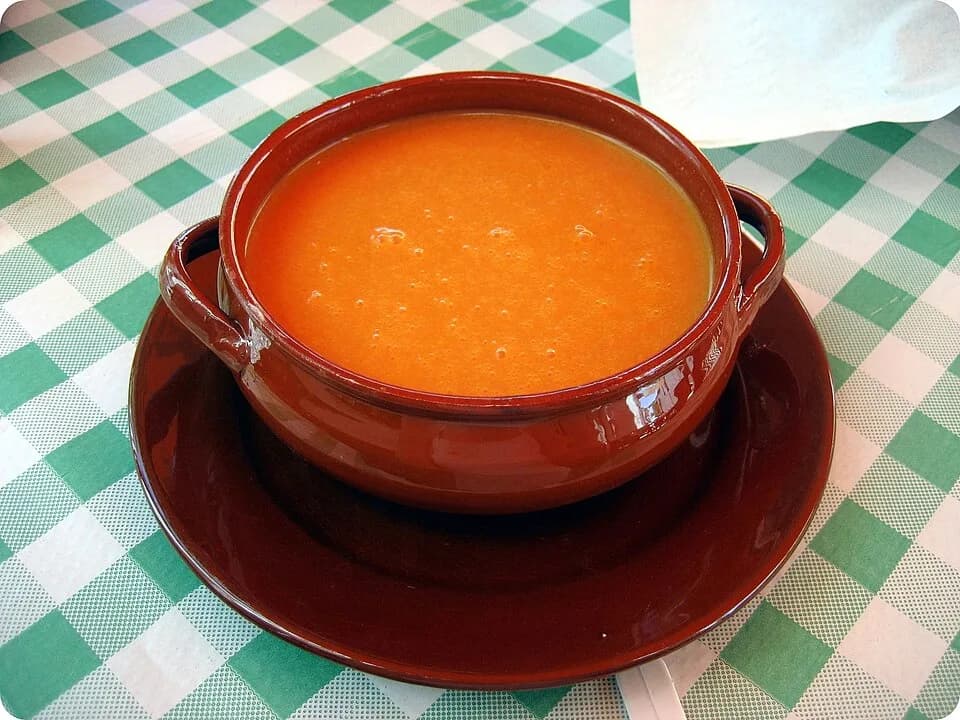
Gazpacho is a cold tomato-based soup from Andalusia, blending ripe tomatoes with cucumber, red pepper, garlic, olive oil, sherry vinegar, and stale bread into a silky, refreshing soup served well chilled. It dates back to Roman times and evolved after New World tomatoes reached Spain in the 16th century. It is the perfect antidote to Andalusia's scorching summer heat, served in virtually every bar and restaurant in Seville, Malaga, and Cordoba.
- 0

Patatas Bravas are Spain's most beloved tapas dish, consisting of crispy fried potato cubes served with a spicy tomato-based brava sauce and, depending on the region, a creamy aioli. The dish originated in Madrid in the 1960s and quickly spread to become a staple in bars across the country, with fierce regional debate about the correct sauce. The best versions are found in traditional tabernas in Madrid's La Latina neighbourhood.
- 0
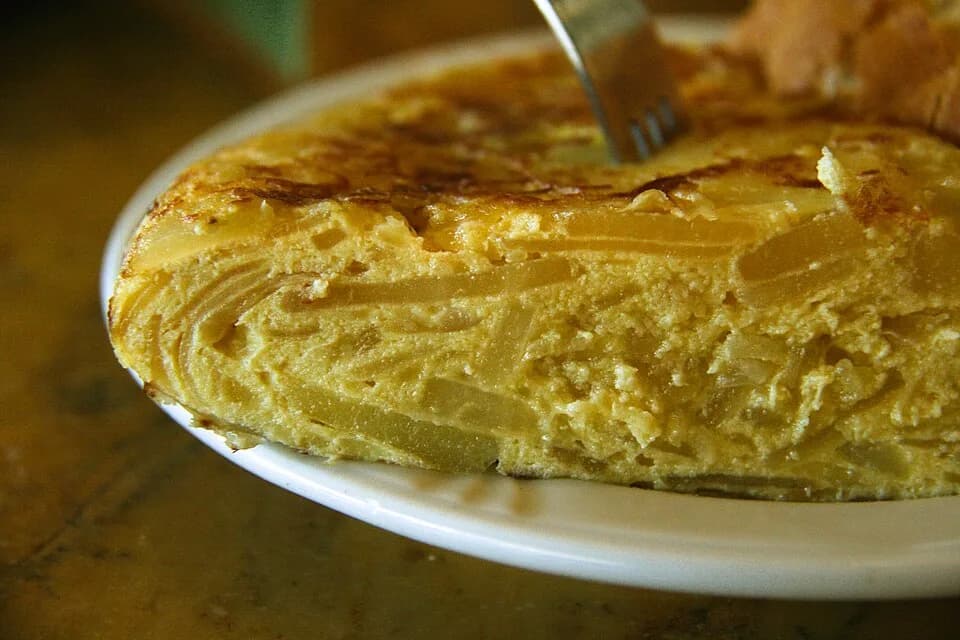
Tortilla Espanola (Spanish omelette) is the quintessential everyday dish of Spain, made from just three ingredients: eggs, potatoes, and olive oil, yet achieving something far greater than the sum of its parts. The key is the slow-cooking of the potato slices in abundant olive oil before combining with beaten eggs, then flipping the whole tortilla with a confident wrist motion. Eternal debate rages about whether to include onion (con cebolla) or not (sin cebolla), a division as serious as any political rivalry.
- 0#6

Churros are Spain's iconic fried dough pastry, piped through a star-shaped nozzle and deep-fried until golden and crispy, then dusted with sugar and served alongside thick hot chocolate for dipping. The tradition dates back centuries and remains a beloved breakfast or late-night snack. The most famous are the thick loop-shaped churros at San Gines chocolateria in Madrid, open since 1894.
- 0

Croquetas are silky, bread-crumbed and fried croquettes made from a thick bechamel sauce enriched with jamon Iberico, salt cod, chicken, or mushrooms, and are considered the ultimate test of a Spanish chef's craft. The perfect croqueta has an ultra-thin, shattering crust and a molten, intensely flavoured interior that flows rather than holds its shape. Legendary chef Ferran Adria's version at El Bulli was once voted the best dish in the world.
- 0
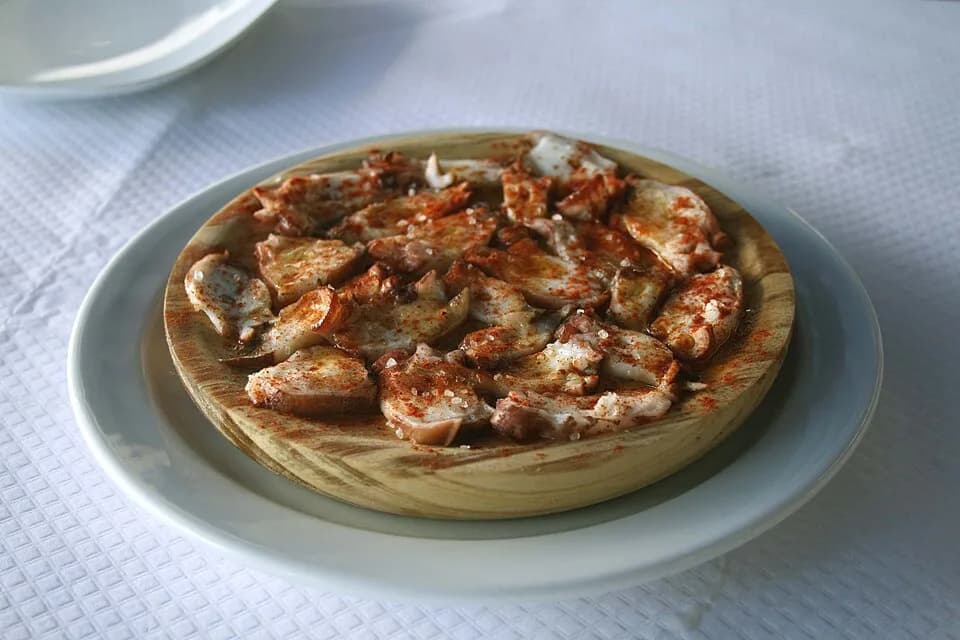
Pulpo a la Gallega (Galician-style octopus) is the signature dish of Galicia in northwest Spain, where the Atlantic waters yield particularly tender octopus that is traditionally boiled and served on wooden boards sliced into coins, dressed with smoked paprika, sea salt, and olive oil. The dish has spread from Galicia's festivals to become beloved throughout Spain. The pilgrimage town of Melide on the Camino de Santiago road is considered the octopus capital of Galicia.
- 0#9
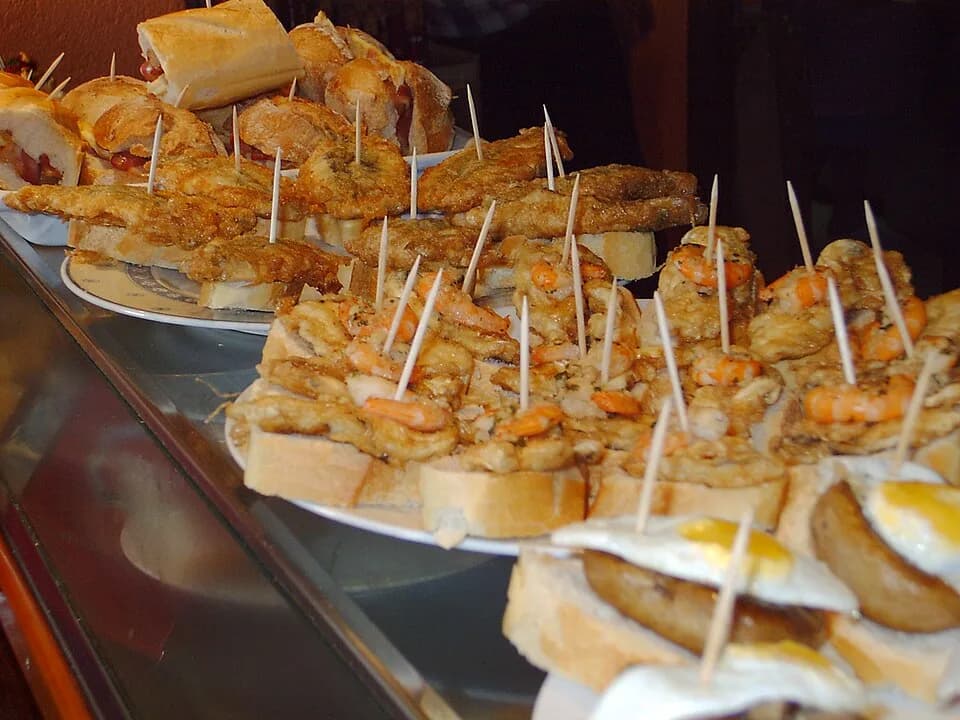
Pintxos are the Basque Country's answer to tapas: elegant, bite-sized snacks served on slices of bread and secured with a toothpick, displayed in elaborate arrays on bar counters throughout San Sebastian and Bilbao. Unlike Andalusian tapas, pintxos are an art form unto themselves, with chefs competing to produce inventive combinations of local seafood, Iberian meats, and artisanal cheeses. The best pintxos bars are in San Sebastian's Parte Vieja old town.
- 0
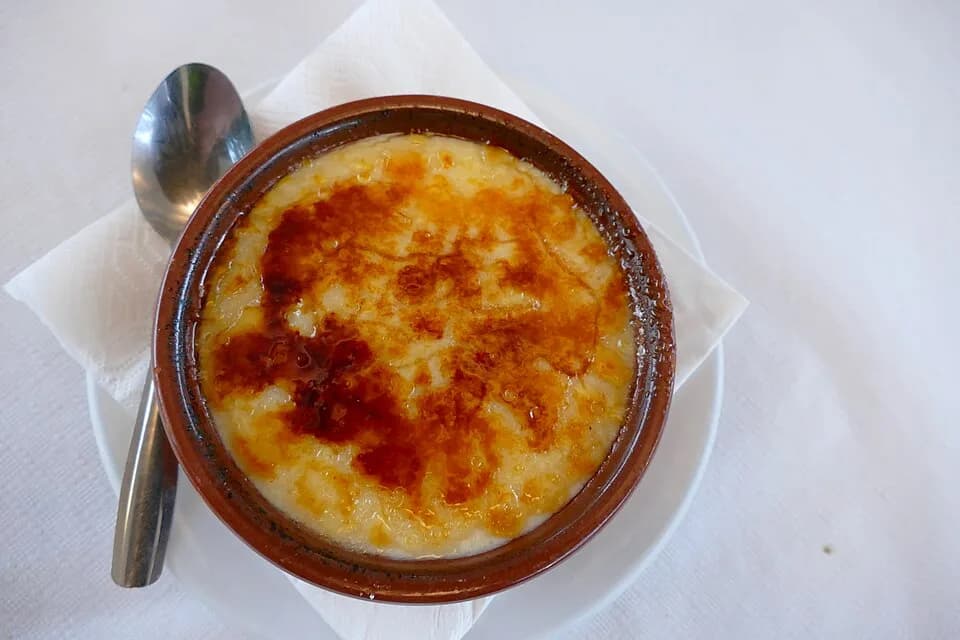
Crema Catalana is Spain's answer to creme brulee: a silky custard infused with cinnamon and lemon zest, topped with a layer of caramelised sugar torched to a crisp amber crust just before serving. The dish originates in Catalonia and predates the French version by at least a century, with references in Catalan cookbooks dating to the 18th century. Made with cornstarch rather than cream alone, it has a lighter, fresher character that reflects Catalan cuisine's Mediterranean sensibility.
Spanish Foods FAQ — Quick Answers for First-Time Eaters
## What is the most famous Spanish food? Paella is the most internationally recognized Spanish dish, a saffron rice dish that originated in Valencia in the mid-19th century.
## What is the difference between tapas and pintxos? Both are small Spanish snacks served in bars, but pintxos are a Basque Country specialty — usually a slice of bread topped with an ingredient and skewered with a toothpick.
## What is jamón ibérico? Jamón ibérico is a premium cured ham made from black Iberian pigs; the highest grade, de bellota, comes from pigs fed on acorns in Extremadura.
## Is gazpacho served hot or cold? Gazpacho is served cold — it’s a chilled tomato-based soup from Andalusia, ideal for hot summer days.
## What is the difference between a tortilla española and a Mexican tortilla? A tortilla española is a thick omelette made with eggs and potatoes, not the flat corn or flour bread known as a tortilla in Mexico.
Image credits
- Jamon Iberico: WIKIMEDIA_MIRRORED
- Gazpacho: WIKIMEDIA_MIRRORED
- Tortilla Espanola: WIKIMEDIA_MIRRORED
- Pulpo a la Gallega: WIKIMEDIA_MIRRORED
- Pintxos: WIKIMEDIA_MIRRORED
- Crema Catalana: WIKIMEDIA_MIRRORED
Rank it your way
Remix this list into your own ranking, or head to the play hub for every game mode and community breakdown — blind mode, challenges, tier lists, and more.
You Might Also Like

Top 10 Dutch Foods You Must Try in 2026
Top 10 Dutch Foods You Must Try in 2026

Top 10 Mexican Foods: Iconic Dishes from a UNESCO-Recognized Cuisine
Top 10 Mexican Foods: Iconic Dishes from a UNESCO-Recogni...

Top 10 Iconic Spanish Food Dishes
Top 10 Iconic Spanish Food Dishes

Top 10 West African Foods
#1 Jollof Rice · #2 Egusi Soup · #3 Fufu

Top 10 Bakeries in Berlin 2026
#1 Zeit fur Brot · #2 Alpenstueck Backerhandwerk · #3 Sironi

Top 10 Middle Eastern Foods
#1 Hummus · #2 Shawarma · #3 Falafel