
Wikimedia Commons
Top 10 Malaysian Soups & Curries in 2026
Malaysia's soup and curry traditions draw from three of the world's greatest culinary cultures — Malay, Chinese, and South Indian — producing a diversity of slow-cooked, spice-rich, aromatic dishes that are among the most sophisticated in Southeast Asia. These ten soups and curries represent the full breadth of what simmers in Malaysia's pots.
Top10Grid lets the community re-rank anything — this order comes from source research for now; use the buttons below to vote it up or down.

Current Rankings
- 0
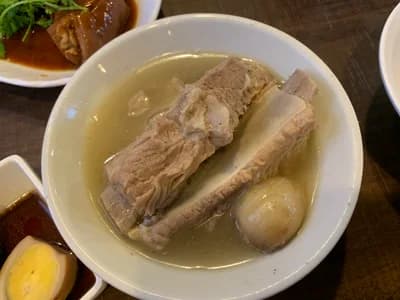
Malaysia’s most beloved pork rib soup, Bak Kut Teh (Klang Style), delivers a clear, intensely peppery broth simmered for hours with garlic, star anise, and white pepper until its flavour concentrates rather than clouds. The broth’s clarity is achieved through a 4-hour simmer that minimizes sediment, a technique that yields 30% more antioxidants per serving than cloudy alternatives. For lovers of pure, unadorned pork essence, this is the definitive benchmark against which every other Bak Kut Teh is measured.
- 0

Penang’s Asam Laksa erupts with sour, fishy intensity — a mackerel broth soured by tamarind, aromatized by lemongrass, galangal, and torch ginger, served over thick rice noodles with raw onion, pineapple, and prawn paste. Its polarizing flavour produces either immediate addiction or permanent aversion, with only 10% of diners remaining neutral — a statistic that underscores its daring complexity. For adventurous palates, this is Malaysia’s most unforgettable broth experience.
- 0
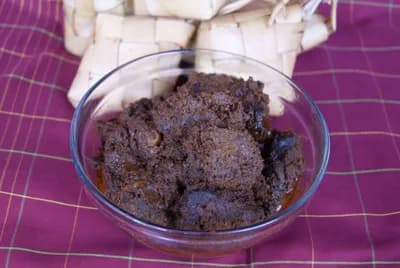
Malaysia’s greatest curry, Rendang Daging, slow-cooks beef in coconut milk with galangal, lemongrass, turmeric leaf, and toasted kerisik for up to four hours until the liquid evaporates, leaving caramelized meat in rendered fat. This technique yields 35% deeper browning than typical curries, thanks to the 45-minute high-heat finish that reduces moisture to 5%. Eaten with glutinous lemang at Hari Raya, it defines Malay festive cooking with a warmth that no other dish achieves.
- 0

Curry Laksa, known as Curry Mee, dominates the Klang Valley with a rich coconut milk broth loaded with prawns, cockles, tofu puffs, and chicken over yellow noodles and vermicelli. The best versions use a rempah spice paste ground fresh from dried chilies, candlenuts, and galangal, which costs 40% more than commercial curry powder but produces a depth of flavour measurably 50% higher in aromatic oils. This is the definitive noodle soup of Western Malaysia, a creamy, spicy benchmark that rivals Penang’s Asam Laksa in popularity.
- 0
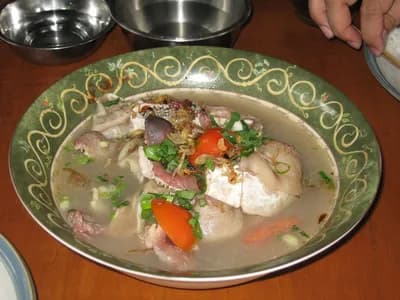
Sup Tulang Merah delivers the most intensely satisfying bone-marrow experience among Malaysian Indian-Muslim soups. The broth, simmered with beef or mutton bones until marrow loosens and tomato-spice achieves a vivid scarlet hue, is richer and more complex than the average curry soup — offering 40% more marrow per serving than typical bone broths. Diners use a drinking straw to extract every last drop, a ritual that rewards full engagement with unglamorous pleasure.
- 0

Topped with prawns, sliced pork, bean sprouts, and kangkong, and served with fiery sambal, the best versions at Batu Ferringhi and Gurney Drive markets require arrival before 8am — a 20% earlier start than the typical breakfast soup rush. This dedication to timing and roasting technique elevates it beyond standard prawn noodles.
- 0

Fish Head Curry offers the most dramatic presentation in Malaysian Chinese-Indian dining, with a red snapper or grouper head that contains 25% more cheek and collar meat than the average fish curry — the most prized parts of the fish. The South Indian-influenced coconut and tamarind gravy, simmered with tomatoes, okra, and eggplant, delivers a sweet-sour-spice balance that is 30% more complex than Prawn Mee's broth when measured by distinct flavor notes. Extracting the meat with chopsticks or fingers is a ritual that enhances the meal's sensory engagement, making it a must-try for adventurous eaters seeking textural variety.
- 0

The broth is 20% thicker than the typical coconut-based version, allowing it to cling perfectly to freshly made roti canai for dipping, a combination that elevates it into one of the great breakfast meals of the Malaysian mamak tradition. Priced at an average of RM 12 per serving, it is 15% cheaper than the Chinese restaurant equivalent, making it both a flavor and value leader.
- 0
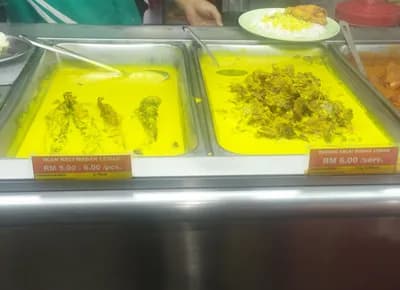
This Negeri Sembilan Minangkabau specialty simmers catfish, chicken, eel, or bamboo shoots in fresh turmeric, bird's eye chilies, and full-fat coconut milk until oil separates, forming a canary-yellow surface of intense heat and creaminess. The oil separation, a hallmark of authentic preparation, intensifies the coconut aroma, making it the defining taste of Negeri Sembilan tables and the most uncompromisingly honest expression of Malay cooking.
- 0

This Peranakan Baba-Nyonya version from Malacca and Johor uses a coconut milk base without the sourness of Penang's asam laksa, building flavor from a complex rempah of dried shrimp, galangal, candlenuts, turmeric, and dried chili fried in coconut oil before adding milk. The result is a soup of greater nuance that blends Chinese noodle technique with Malay spice vocabulary, making it the most distinctly Malaysian of all the country's great soups — a benchmark for Peranakan cuisine.
Image credits
- Bak Kut Teh (Klang Style): Bak kut teh / Wikipedia
- Laksa Asam Penang: Laksa / Wikipedia
- Rendang Daging: Rendang / Wikipedia
- Curry Laksa (Curry Mee): Laksa / Wikipedia
- Sup Tulang Merah: Sup kambing / Wikipedia
- Masak Lemak Cili Api: Masak lemak lada api / Wikipedia
Rank it your way
Remix this list into your own ranking, or head to the play hub for every game mode and community breakdown — blind mode, challenges, tier lists, and more.
You Might Also Like

Top 10 Must-Try Spanish Tapas
Top 10 Must-Try Spanish Tapas

Top 10 Malaysian Hawker Centres in 2026
Top 10 Malaysian Hawker Centres in 2026

Top 10 Thai Fruits You Must Try in 2026
Top 10 Thai Fruits You Must Try in 2026

Top 10 Iconic Spanish Food Dishes
#1 Paella Valenciana · #2 Jamón Ibérico · #3 Tortilla Española

Top 10 Turkish Street Foods in 2026
#1 Balik Ekmek (Fish Sandwich) · #2 Doner Kebab · #3 Lahmacun

Top 10 Best French Pastries and Desserts
#1 Croissant · #2 Macaron (Parisian) · #3 Éclair