Searing (Maillard Reaction)
Not "sealing juices." Creating hundreds of new flavor compounds above 280°F.
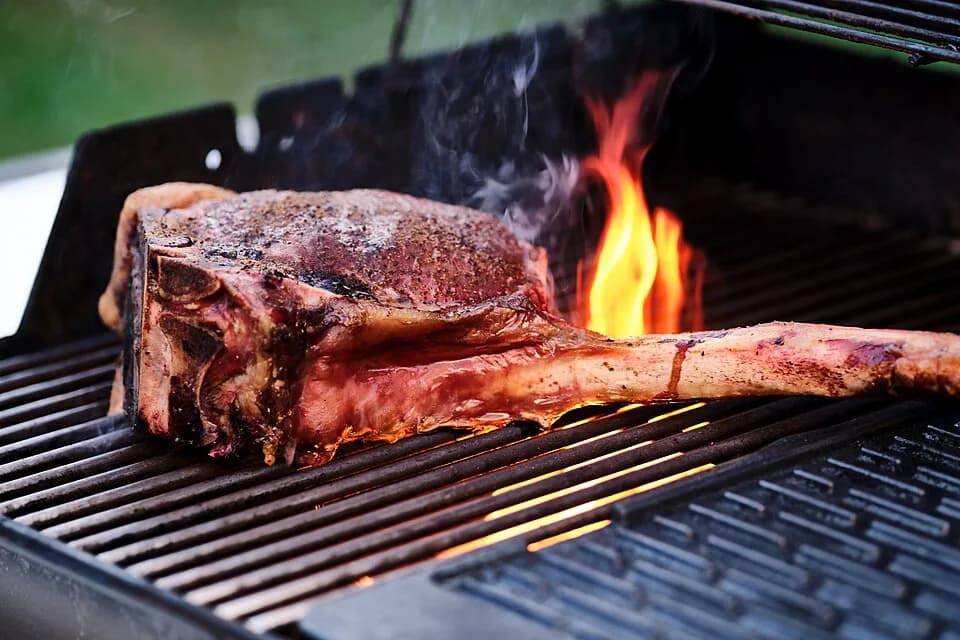
Searing triggers the Maillard reaction—a chemical process between amino acids and reducing sugars above 280°F—creating hundreds of flavor compounds that make meat irresistible. This technique outperforms (Sous Vide) for flavor depth, as the browning produces complex aromas absent in water-cooked proteins. The science debunks the myth of "sealing in juices": searing only develops crust. Achieving prime results requires a screaming-hot pan, dry protein surfaces, and the discipline to wait—flipping too early tears the crust. Most home cooks crowd the pan, lowering the temperature from 400°F to 250°F, steaming instead of browning. Professional chefs rely on high smoke-point oils like avocado oil (520°F) to maximize reaction velocity. The result: a golden-brown crust, transforming bland proteins into savory delights.
Photos (1)
Comments on "Searing (Maillard Reaction)"
Have a take on this ranking?
Save your rankings and see how you compare. Comments are how the argument actually happens here. Posting one needs a free account — it takes about a minute.
No comments yet.
The first comment sets the terms of the argument.