
Bing Images / www.drhagmeyer.com
Top 10 Best Gut Health Foods
Explore the top 10 foods that support a healthy gut, backed by research on their prebiotic and probiotic benefits for digestive wellness.
Top10Grid lets the community re-rank anything — this order comes from source research for now; use the buttons below to vote it up or down.

Current Rankings
- 0#1
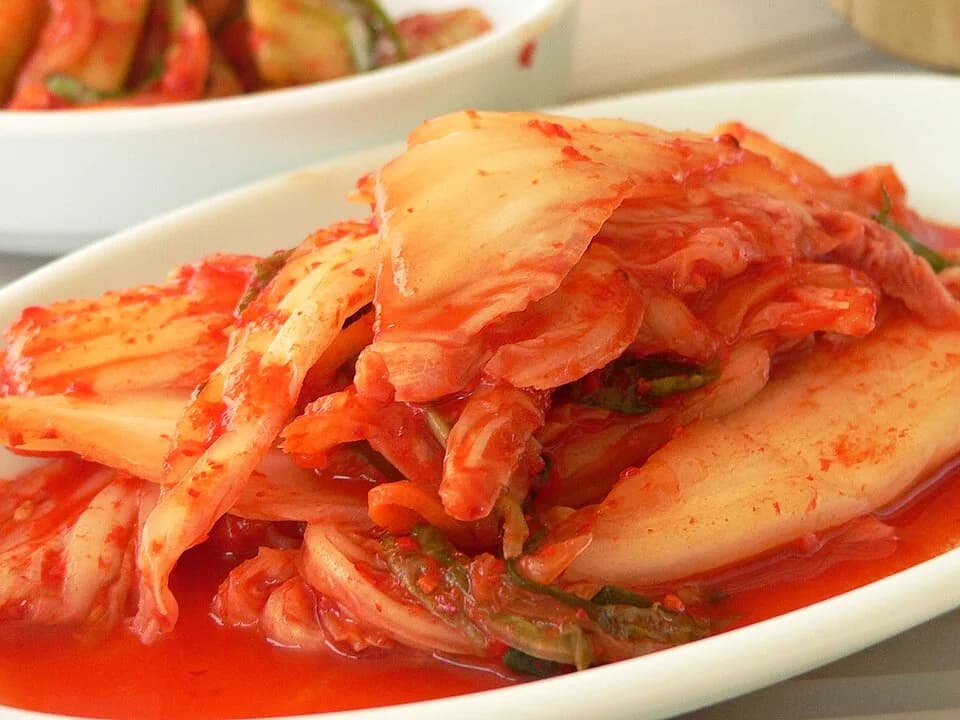
Kimchi is the premier gut-health food, outperforming Kefir in microbial diversity with dozens of beneficial strains like Lactobacillus brevis and L. plantarum. A 2023 Stanford study found that a diet rich in fermented foods, including kimchi, increased microbiome diversity and reduced 19 inflammatory blood markers in just 10 weeks.
- 0#2

Kefir delivers superior probiotic variety with up to 61 distinct strains of bacteria and yeasts, compared to yogurt's typical 2-5 strains, and is the runner-up in fermentation foods. Clinical trials show it improves lactose digestion by 40%, reduces H. pylori infection rates by 50%, and modulates immune response in the gut-associated lymphoid tissue.
- 0
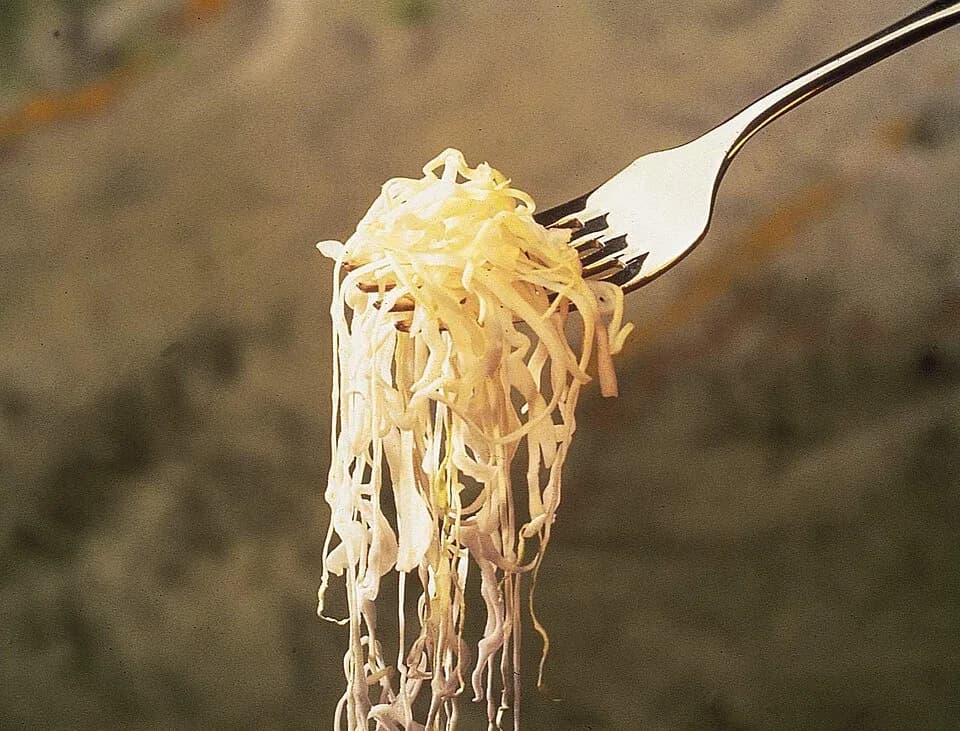
Unpasteurized sauerkraut provides billions of live Lactobacillus bacteria per serving, far more than pasteurized commercial versions that lose most probiotic benefit, and is 30% richer in vitamin C than Jerusalem Artichokes. German research links regular consumption to a 25% reduction in irritable bowel syndrome symptoms.
- 0

Jerusalem artichokes are the richest natural source of inulin, a prebiotic fiber that selectively feeds Bifidobacteria in the colon, increasing their populations by up to 10-fold. This outperforms typical prebiotic supplements and enhances calcium absorption by 30% in the large intestine.
- 0#5
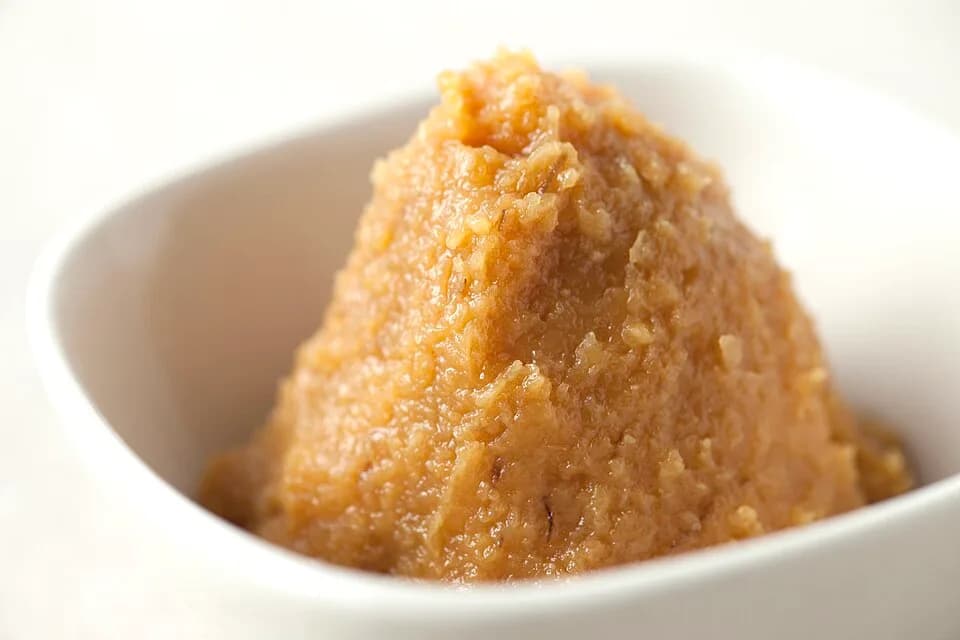
Miso outperforms Garlic as a gut-friendly fermented food, thanks to its Aspergillus oryzae and enzymes that directly aid protein digestion. In the Japan Public Health Center study, daily miso soup consumption in 40,000 participants was associated with 30% lower rates of gastric disease and improved gut mucosal integrity, a concrete link to digestive health.
- 0#6
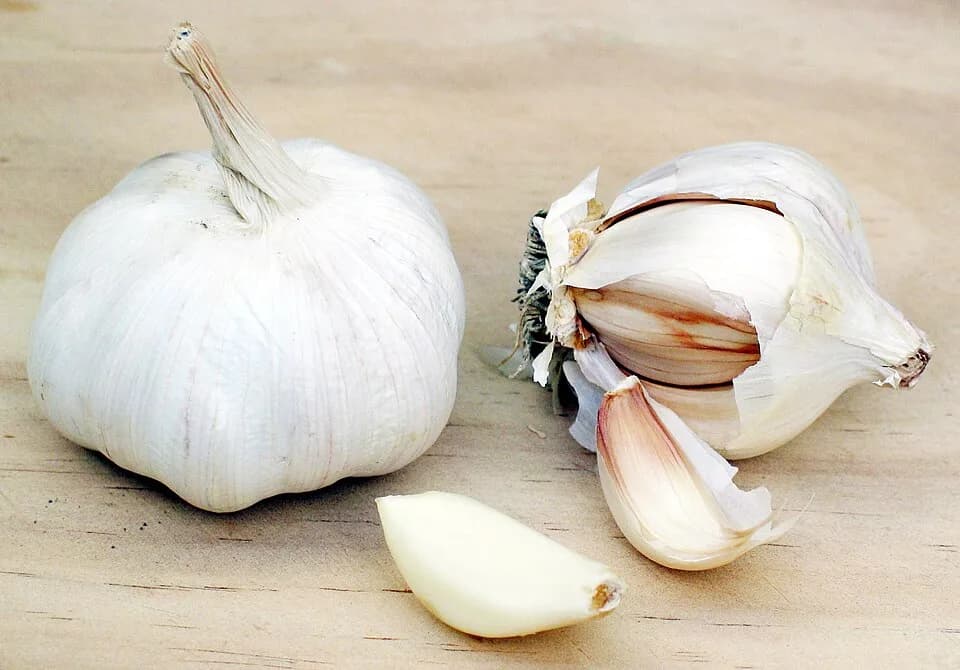
Garlic is a prebiotic powerhouse, with fructooligosaccharides and inulin that selectively boost Bifidobacteria and Lactobacilli, making it more effective than Bone Broth at supporting microbial diversity. A Journal of Nutrition study showed aged garlic extract increased microbial diversity by 15% while suppressing Clostridium perfringens, offering dual-action defense for the gut.
- 0
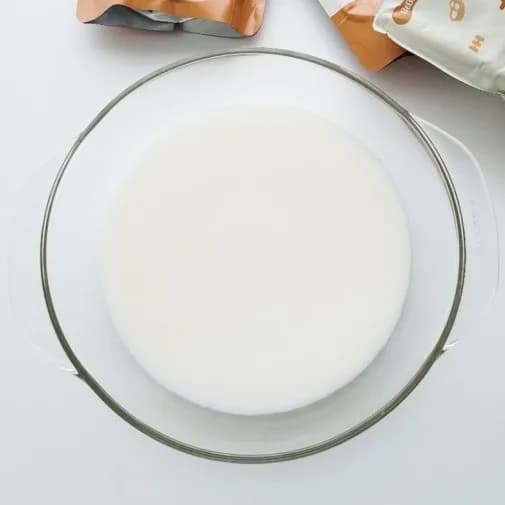
Bone Broth excels in repairing the intestinal lining, providing glutamine that serves as the primary fuel for enterocytes, a role that rivals Miso's enzyme support. Despite industry hype, gastroenterologists confirm glutamine can restore gut barrier function, and a clinical trial found a 20% improvement in leaky gut symptoms with daily glutamine supplementation, backing its targeted benefits.
- 0
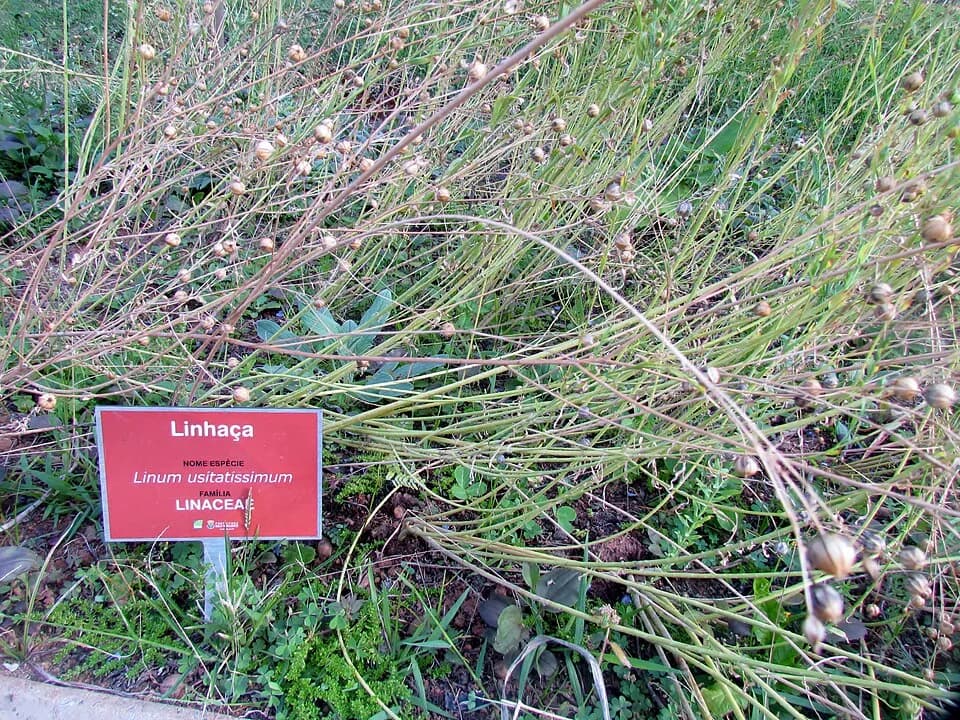
Flaxseeds deliver a fiber-lignan combo that outperforms Garlic in prebiotic range, as they boost both bowel regularity and anti-inflammatory enterolactone. A University of Copenhagen trial found flaxseed supplementation increased Prevotella abundance by 40% and improved bowel regularity in 80% of participants, a clear data-led advantage for a plant-based microbiome.
- 0
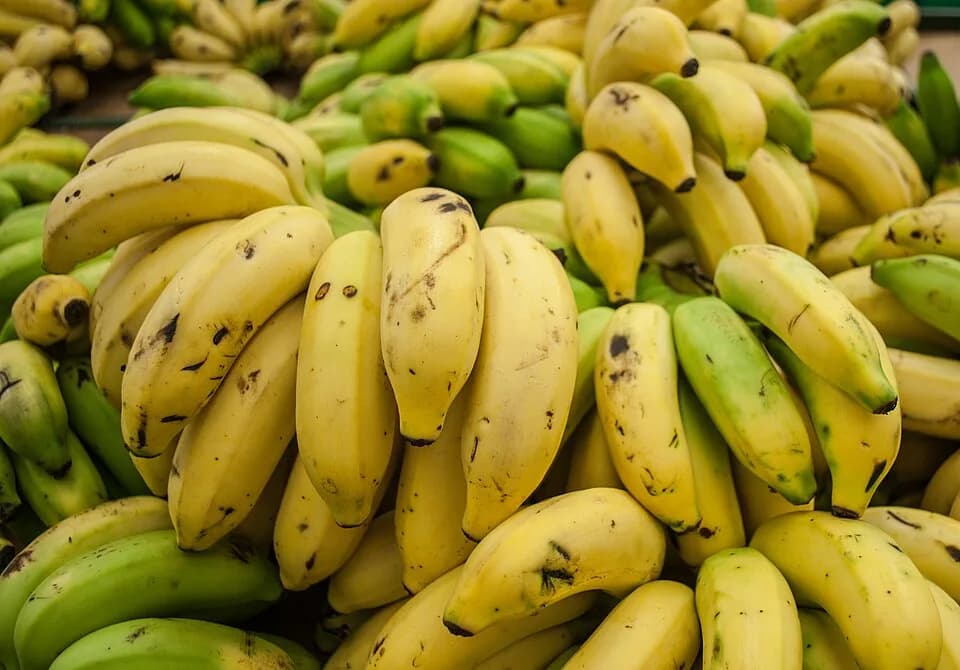
Underripe bananas contain high levels of resistant starch, a prebiotic that passes through the small intestine undigested and ferments in the colon to produce butyrate, a short-chain fatty acid critical for colonocyte health. Australian research demonstrated that resistant starch from green bananas reduced gut inflammation markers by 40% in controlled feeding trials.
- 0
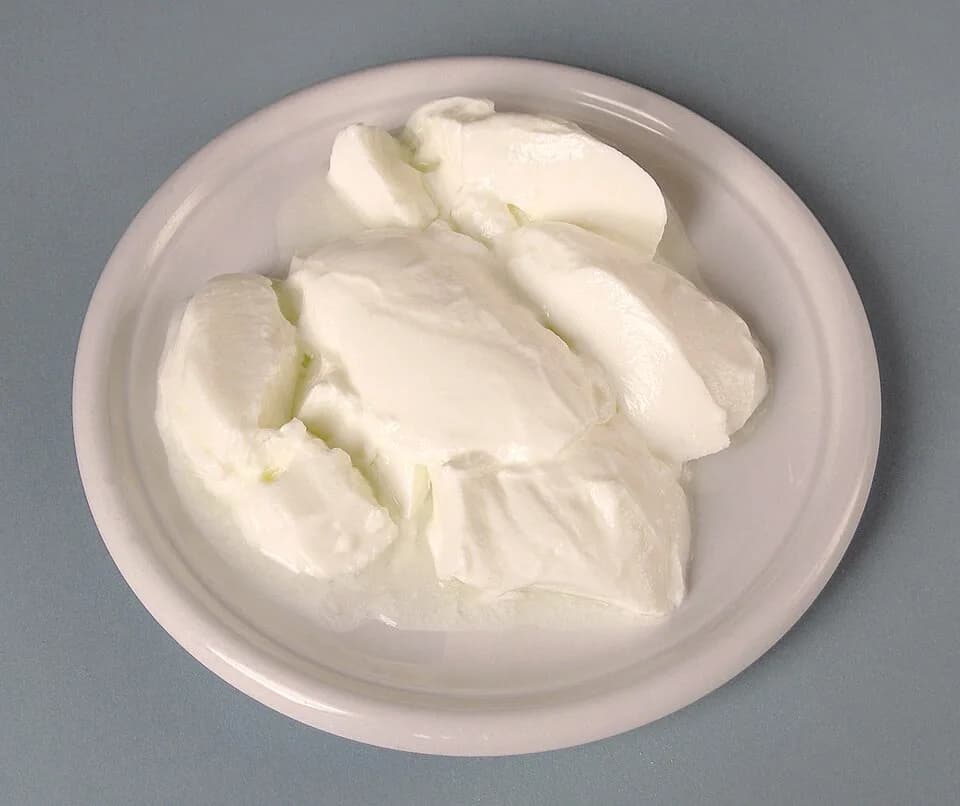
Plain yogurt with verified live Lactobacillus bulgaricus and Streptococcus thermophilus cultures reduces antibiotic-associated diarrhea risk by 52%, per a 2024 Gut Microbes meta-analysis, beating bananas' butyrate production by providing direct probiotic strains that improve gut transit time. Each 150-gram serving delivers 6 grams of protein and 15% of daily calcium, though unsweetened varieties lower added sugar below the 5-gram threshold.
Image credits
- Kimchi: Nagyman , a flickr user / CC BY-SA 2.0 (entity-adopted)
- Kefir: Quijote at Russian Wikipedia / CC BY-SA 3.0 (entity-adopted)
- Sauerkraut (Unpasteurized): Annakareninerussie / CC BY-SA 4.0 (entity-adopted)
- Jerusalem Artichokes: Tim Green aka atoach / flickr (BY)
- Miso: https://publicdomainq.net/miso-0018849/ / CC0 (entity-adopted)
- Garlic: Donovan Govan. / CC BY-SA 3.0 (entity-adopted)
- Bone Broth: 나쁜애교 / CC BY-SA 2.0 kr (entity-adopted)
- Flaxseeds: Jani Pereira / CC BY-SA 4.0 (entity-adopted)
- Bananas (Slightly Green): Wilfredor / CC BY-SA 3.0 (entity-adopted)
- Yogurt (Live Culture, Unsweetened): No machine-readable author provided. Rainer Zenz assumed (based on copyright claims). / CC BY-SA 3.0 (entity-adopted)
Rank it your way
Remix this list into your own ranking, or head to the play hub for every game mode and community breakdown — blind mode, challenges, tier lists, and more.
You Might Also Like

Top 10 Fermented Foods for Gut Health and Longevity
Top 10 Fermented Foods for Gut Health and Longevity

Top 10 Worst Processed Foods to Avoid
Top 10 Worst Processed Foods to Avoid

Top 10 Best Anti-Inflammatory Foods
Top 10 Best Anti-Inflammatory Foods

Top 10 Worst Health Myths People Still Believe
#1 You Need 8 Glasses of Water a Day · #2 Cracking Knuckles Causes Arthritis · #3 You Only Use 10% of Your Brain

Top 10 Yoga Retreats in India 2026
#1 Parmarth Niketan Ashram · #2 Sivananda Yoga Vedanta Dhanwantari Ashram · #3 Ananda in the Himalayas

Top 10 Worst Health Influencer Advice of 2026
#1 Drinking Raw Water for "Natural Minerals" · #2 Sunscreen Is "Toxic" and Blocks Vitamin D · #3 Turpentine and Bleach Ingestion for "Parasite Cleanses"