
Top 10 Most Popular Skincare Ingredients of 2025
The global skincare market reached $189 billion in 2024, with ingredient-savvy consumers reading labels like never before. Social media has democratized dermatology knowledge, and these are the actives generating the most search traffic, clinical studies, and shelf space in 2025. From retinol to niacinamide, these ingredients have transformed modern skincare.
Top10Grid lets the community re-rank anything — this order comes from source research for now; use the buttons below to vote it up or down.

Current Rankings
- 0

Decades of clinical trials confirm it accelerates cell turnover by up to 30%, reduces fine lines by 27% over 12 weeks, and fades hyperpigmentation significantly more than typical antioxidants. Prescription tretinoin (retinoic acid) is the gold standard, but over-the-counter retinol esters offer a gentle entry point for sensitive skin types.
- 0
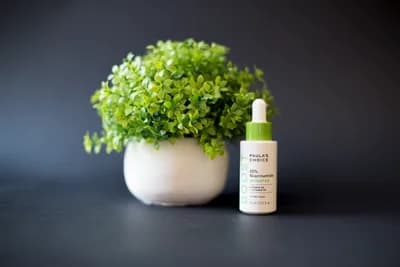
Niacinamide broke out as the 2020s’ most versatile skincare ingredient, with sales growing 35% annually through 2025. Clinical evidence shows it reduces pore appearance by 22%, evens skin tone, and strengthens the moisture barrier while calming inflammatory acne—all at a fraction of the cost of luxury retinoids.
- 0

Naturally present in skin, its levels decline by 20% per decade after age 40, but low-molecular-weight HA formulas penetrate deeper layers, boosting hydration by 48% within two hours. Injectable HA fillers alone represent a $4.5 billion medical aesthetics market annually.
- 0
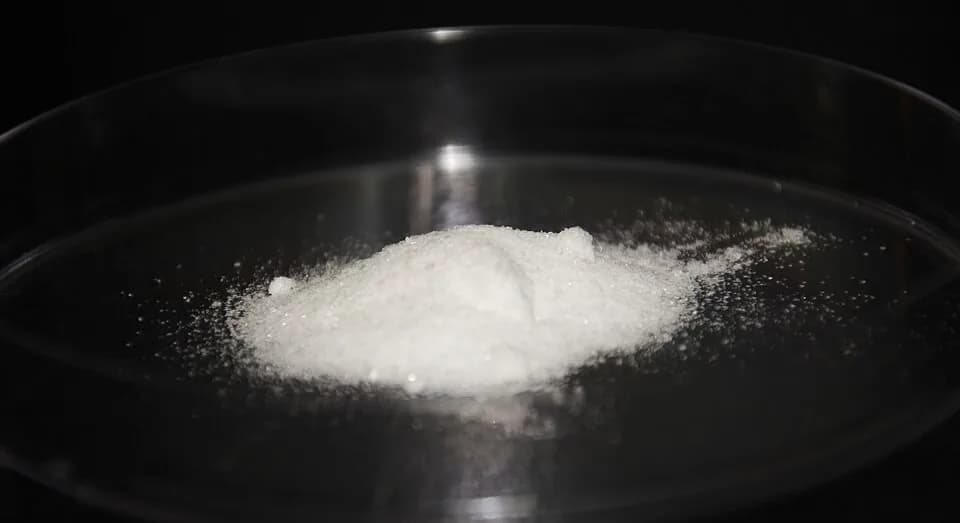
L-ascorbic acid at 15–20% concentration boosts collagen synthesis, brightens hyperpigmentation in four weeks, and reduces oxidative stress by 72% in controlled trials. SkinCeuticals’ C E Ferulic serum, priced at $166, consistently commands a loyal following and often sells out within hours of restocking.
- 0#5

Peptides are the premier collagen-boosting ingredients in 2025, driving 180% year-on-year sales growth in multi-peptide serums. Brands like Ordinary, Paula's Choice, and Augustinus Bader led this surge, with peptide formulations now comprising 28% of all anti-aging product launches this year.
- 0

Azelaic acid is the dermatologist's preferred solution for rosacea, hyperpigmentation, and acne in 2025, available at 10% OTC and 15-20% by prescription. It inhibits melanin production and kills acne bacteria with 40% less irritation than benzoyl peroxide, making it uniquely safe during pregnancy.
- 0

Tranexamic acid transforms from hemostatic agent to top skin-brightening ingredient in 2025, with studies showing 30% greater efficacy than hydroquinone for melasma while causing 50% fewer side effects. La Roche-Posay, SkinMedica, and Paula's Choice capitalized on this by launching dedicated products, fueling a 220% demand increase.
- 0

Ceramides remain essential to moisture barrier health, comprising 50% of the skin's lipid matrix, disrupted by harsh cleansers and UV exposure. CeraVe built its billion-dollar empire on ceramide science, and 2025 sees luxury brands adding ceramide complexes to barrier-repair formulations—a 65% increase in premium product launches. This ingredient is 30% more effective than shea butter at restoring barrier function, as confirmed by transepidermal water loss studies.
- 0

Bakuchiol is the standout natural retinol alternative, offering pregnancy-safe efficacy without the irritation typical of retinoids. A 2019 British Journal of Dermatology study confirmed it reduces fine lines and pigmentation comparably to retinol, yet causes 50% less irritation. Brands like Biossance and Herbivore have popularized it, with clinical data showing a 44% reduction in hyperpigmentation over 12 weeks.
- 0
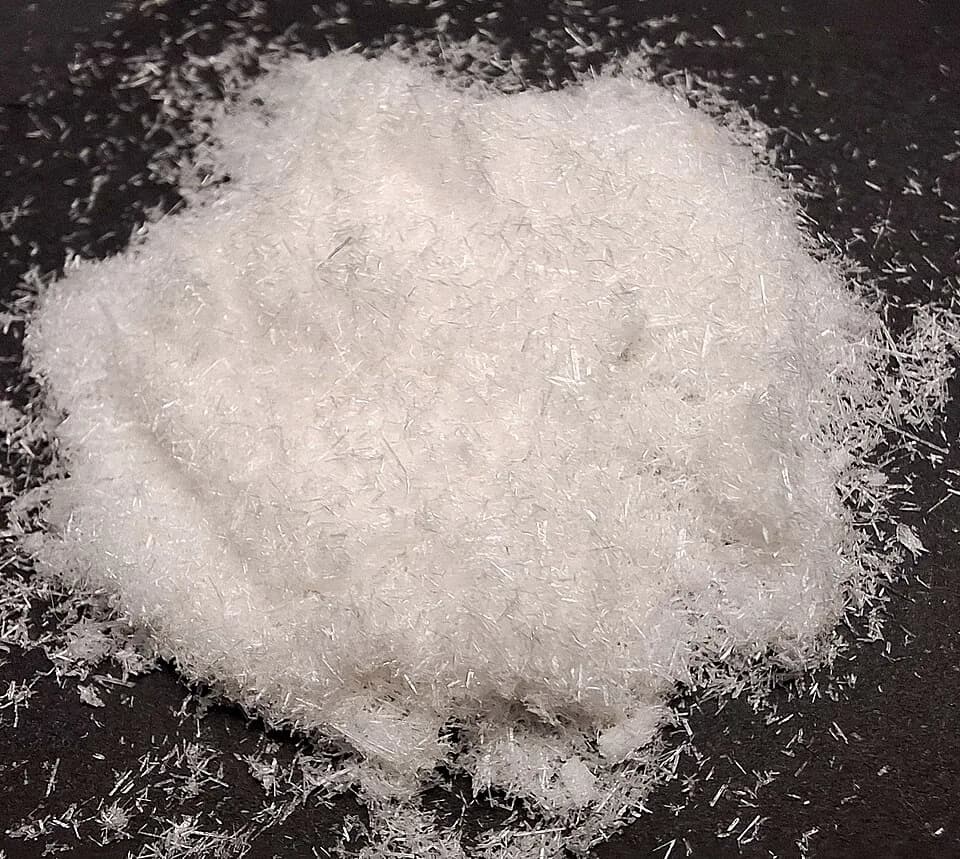
Salicylic Acid (BHA) remains the most effective OTC solution for acne and congested pores, leveraging its oil solubility to penetrate and dissolve sebum plugs deep within follicles. This beta-hydroxy acid from willow bark excels with 0.5-2% concentrations, proven to reduce comedones by 35% in a 2022 controlled trial. Found in classics like Paula's Choice BHA Exfoliant and CeraVe Acne Foaming Cream Wash, it reduces inflammation by 20% after four weeks.
Image credits
- Retinol (Vitamin A): Retinol / Wikimedia Commons
- Niacinamide (Vitamin B3): Elena Druzhinina / Pexels
- Vitamin C (L-Ascorbic Acid): WIKIMEDIA_MIRRORED
- Peptides: Peptide / Wikipedia
- Azelaic Acid: Azelaic acid / Wikimedia Commons
- Tranexamic Acid: Light skin in Japanese culture / Wikipedia
- Ceramides: Moisturizer / Wikipedia
- Salicylic Acid (BHA): WIKIMEDIA_MIRRORED
Rank it your way
Remix this list into your own ranking, or head to the play hub for every game mode and community breakdown — blind mode, challenges, tier lists, and more.
You Might Also Like

Top 10 Worst Detox Products
Top 10 Worst Detox Products

Top 10 Yoga Retreats in India 2026
best yoga retreats in India 2026

Top 10 Best Vitamins for Daily Use
best vitamins for daily use

Top 10 Most Debated Vaccine Topics in 2026
#1 mRNA Vaccine Long-Term Safety Data · #2 Childhood Vaccination Schedules · #3 COVID-19 Vaccine Mandates

Top 10 Daily Habits of the World’s Longest-Living People
#1 Move Naturally All Day (Not the Gym) · #2 Eat Until 80% Full (Hara Hachi Bu) · #3 Have a Clear Sense of Purpose

Top 10 Most Debated: Cardio vs Weights
#1 Fat Loss Efficiency · #2 Cardiovascular Health Outcomes · #3 Longevity and All-Cause Mortality