Top 10 Foods That Are Aging You Faster — What to Cut to Look and Feel Younger
What you eat every single day could be making you look and feel years older — and most of us have no idea which foods are the biggest culprits. From the sugar hiding in your morning coffee to the packaged snacks you grab at lunch, certain everyday foods quietly damage your cells, drain your energy, and speed up visible aging. We ranked the 10 worst offenders based on the science, so you know exactly what to cut first. Scroll through and vote for the one you think does the most damage — be the 1st to weigh in!
Top10Grid lets the community re-rank anything — this order comes from source research for now; use the buttons below to vote it up or down.

Current Rankings
- 0#1
Added Sugar — The #1 Accelerated Aging Food

Sugar accelerates aging through glycation — glucose molecules bonding with proteins and DNA to form Advanced Glycation End-products (AGEs). AGEs damage collagen (causing wrinkled, sagging skin), stiffen arteries (raising blood pressure), and cross-link brain proteins (contributing to Alzheimer's). The average American consumes 77 grams of added sugar per day — 3x the WHO recommendation. Reducing to under 25g daily measurably reduces skin glycation markers within 6 weeks.
- 0#2
Ultra-Processed Foods (UPF)
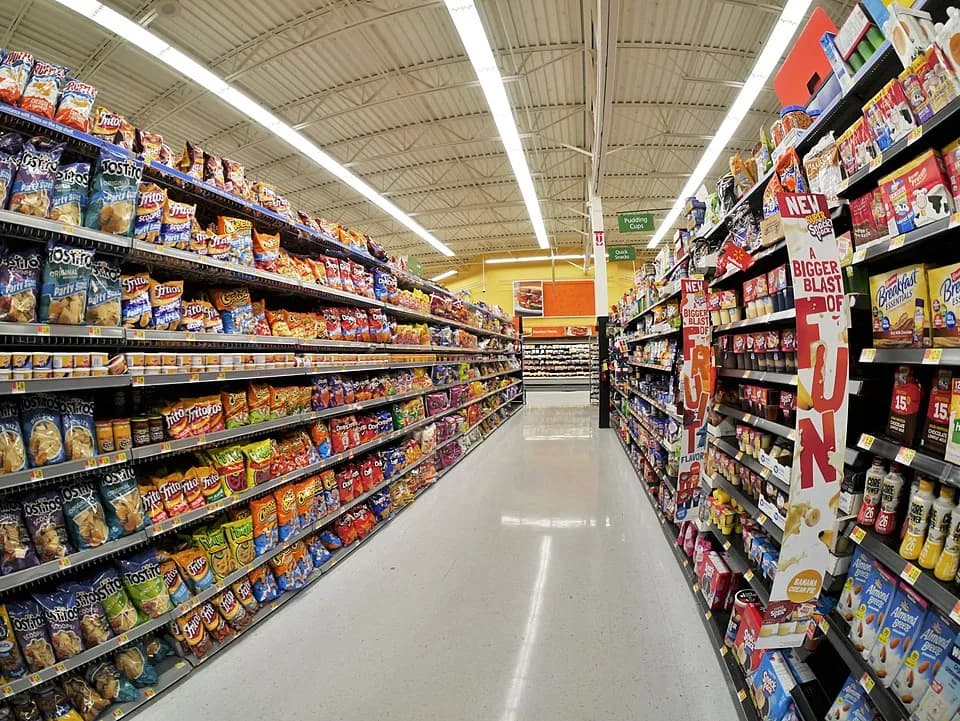
Ultra-processed foods — industrial formulations with 5+ ingredients including additives, emulsifiers, and flavor enhancers not found in home cooking — now comprise 57% of the average American diet. A 2024 meta-analysis of 9.9 million people found that each 10% increase in UPF consumption was associated with a 12% increase in all-cause mortality, 10% increase in cardiovascular mortality, and higher rates of depression and dementia. The mechanism: disruption of gut microbiome diversity.
- 0#3
Trans Fats (Partially Hydrogenated Oils)

Trans fats — created by partial hydrogenation of vegetable oils — raise LDL cholesterol, lower HDL cholesterol, and trigger systemic inflammation simultaneously. The FDA banned artificial trans fats from the US food supply in 2018, but they remain present in many imported foods and restaurant cooking oils. Even small amounts (2% of calories from trans fats) were associated with 23% higher risk of heart disease in landmark Harvard nursing studies.
- 0#4
Alcohol — Depletes NAD+ and Damages DNA

Alcohol accelerates aging through multiple mechanisms: it depletes NAD+ (a critical molecule for cellular energy and DNA repair), increases acetaldehyde (a carcinogen that damages DNA directly), disrupts sleep architecture (reducing deep sleep when cellular repair occurs), and destroys gut microbiome diversity. Heavy drinkers show epigenetic aging that is 3-5 years ahead of their chronological age. Even moderate drinking (7+ drinks/week) shows measurable telomere shortening.
- 0#5
Refined Carbohydrates (White Bread, White Rice)

Refined carbohydrates spike blood glucose rapidly — triggering insulin surges that over time cause insulin resistance, chronic inflammation, and accelerated glycation of skin proteins. The glycemic index of white bread (75) exceeds that of table sugar (65). Countries with the highest refined carbohydrate consumption show the highest rates of Type 2 diabetes, and epidemiological studies link high glycemic diets to accelerated biological aging independent of total calorie intake.
- 0#6
Processed Meats (Bacon, Hot Dogs, Deli Meats)

The WHO classifies processed meats as Group 1 carcinogens (sufficient evidence of cancer causation in humans) — the same category as cigarettes, though at much lower absolute risk. The mechanism: nitrites added for color and preservation form nitrosamines during digestion, which damage DNA. Each 50-gram daily serving of processed meat increases colorectal cancer risk by 18%. They also contain high sodium, which accelerates vascular aging through elevated blood pressure.
- 0#7
Vegetable Oils High in Omega-6 (Corn, Soybean, Sunflower)

Industrial seed oils — corn, soybean, sunflower — are extracted using hexane solvents and contain very high omega-6 linoleic acid that, when consumed in the 20:1+ ratio typical of Western diets (versus the ancestral 4:1 omega-6:omega-3), drives chronic low-grade inflammation. Inflammation is the common mechanism underlying cardiovascular disease, Alzheimer's, arthritis, and most age-related diseases. Replacing them with olive oil or avocado oil measurably reduces inflammatory markers.
- 0#8
High-Fructose Corn Syrup

High-fructose corn syrup metabolizes differently from glucose: it is processed almost entirely by the liver (rather than all cells), generating uric acid (which elevates blood pressure and triggers gout), triglycerides, and visceral fat at higher rates than equivalent glucose calories. Fructose also bypasses the leptin satiety signal — meaning HFCS-containing drinks do not reduce hunger despite caloric content, making caloric overconsumption structurally easier.
- 0#9
Excessive Sodium (Processed Salt in Packaged Foods)

Americans consume an average of 3,400mg of sodium daily — more than double the 1,500mg optimal intake — with 70% coming from processed and restaurant foods, not the salt shaker. Chronic high sodium intake stiffens arterial walls, raises blood pressure, and accelerates renal aging. Blood pressure reduction from sodium reduction is rapid and large: cutting sodium from 3,400mg to 1,500mg/day reduces systolic blood pressure by 8-14 points within weeks.
- 0#10
Artificial Sweeteners (Aspartame, Sucralose)

Artificial sweeteners disrupt gut microbiome diversity — a 2022 Cell study found all tested sweeteners (aspartame, sucralose, saccharin, stevia) significantly altered gut microbiome composition within 2 weeks, reducing microbiome diversity associated with metabolic health. Paradoxically, artificial sweeteners also appear to increase sweet cravings rather than satisfy them, maintaining the conditioned preference for intensely sweet foods that drives overconsumption of sugar when available.
Anti-Aging Foods — Frequently Asked Questions
What is the single worst food for aging skin? Added sugar tops the list — it bonds to collagen and elastin through a process called glycation, making skin stiff, dull, and wrinkle-prone faster than almost any other dietary factor.
How quickly can cutting these foods make a difference? Studies show measurable drops in inflammatory markers within 4–6 weeks of removing ultra-processed foods and added sugar.
Are artificial sweeteners a safe swap for sugar? Not necessarily. A [2022 *Cell* study](https://doi.org/10.1016/j.cell.2022.07.016) found sucralose and aspartame alter gut microbiome diversity — closely linked to immune function and skin health.
Which of these is hardest to avoid in daily life? Added sugar and high-fructose corn syrup appear in over 70% of packaged grocery products. Reading ingredient labels on every packaged item is the most reliable defence.
Frequently Asked Questions
How do these foods actually make you age faster? Through a few everyday processes: high sugar sticks to skin proteins and makes them stiff (hello, wrinkles), processed ingredients trigger low-grade inflammation that slowly damages cells, and unhealthy fats create unstable molecules that wear down your DNA. None of this happens overnight, but the effects stack up with repeated exposure.
Do I have to cut all 10 foods at once? Not at all. Even removing one or two of the biggest offenders — added sugar and ultra-processed foods are the highest-impact starting points — can make a real difference. Small, consistent swaps beat an all-or-nothing approach every time.
What should I eat instead? Foods rich in antioxidants and healthy fats — berries, leafy greens, olive oil, fatty fish, and nuts — actively support skin elasticity and cell repair. Think of replacing each item on this list with its whole-food alternative rather than just eliminating it.
Frequently Asked Questions About Foods That Age You Faster
Which food on this list causes the most visible aging? Added sugar ranks #1 across most research. It attaches to the proteins that keep skin firm and smooth, making them stiff over time — which shows up as wrinkles and sagging. Cutting back on added sugar is widely considered the single highest-impact dietary change for how you look.
How long before I notice a difference after cutting these foods? Many people notice more energy and less puffiness within 2–3 weeks of reducing ultra-processed foods and excess sugar. More visible changes to skin texture and tone typically take 3–6 months of consistent effort.
Are artificial sweeteners a safe swap for sugar? Not exactly. A 2022 study published in *Cell* found that common artificial sweeteners like sucralose and aspartame measurably changed gut bacteria in ways linked to inflammation — so they are not a clean long-term substitute.
What should I eat more of to slow aging? Foods rich in antioxidants (berries, leafy greens), healthy fats (olive oil, wild salmon, walnuts), and natural polyphenols (green tea, dark chocolate in moderation) are consistently associated with slower biological aging in large population studies.
Image credits
- Added Sugar — The #1 Accelerated Aging Food: Senescence / Wikipedia
- Ultra-Processed Foods (UPF): Thayne Tuason / CC BY-SA 4.0 (entity-adopted)
- Trans Fats (Partially Hydrogenated Oils): Vectorization: Pintor4257 at Spanish Wikipedia / CC BY 2.5 (entity-adopted)
- Alcohol — Depletes NAD+ and Damages DNA: TrafficJan82 / Public domain (entity-adopted)
- Refined Carbohydrates (White Bread, White Rice): Polina Tankilevitch / Pexels
- Processed Meats (Bacon, Hot Dogs, Deli Meats): Vegetarianism / Wikipedia
- Vegetable Oils High in Omega-6 (Corn, Soybean, Sunflower): Wikimedia Commons
- High-Fructose Corn Syrup: National Photo Company Collection / Public domain (entity-adopted)
- Excessive Sodium (Processed Salt in Packaged Foods): Junk food / Wikipedia
- Artificial Sweeteners (Aspartame, Sucralose): Diet soda / Wikipedia
Related Videos
Rank it your way
Remix this list into your own ranking, or head to the play hub for every game mode and community breakdown — blind mode, challenges, tier lists, and more.
You Might Also Like

Top 10 Best Gut Health Foods
Top 10 Best Gut Health Foods

Top 10 Healthiest Foods in the World
Top 10 Healthiest Foods in the World

Top 10 Fermented Foods for Gut Health and Longevity
Top 10 Fermented Foods for Gut Health and Longevity

Top 10 Best Protein Sources Ranked
#1 Eggs (Whole) · #2 Wild-Caught Salmon · #3 Chicken Breast

Top 10 Most Overrated Health Supplements
#1 Multivitamins · #2 Detox and Cleanse Supplements · #3 Biotin for Hair Growth

Top 10 Worst Processed Foods to Avoid
#1 Sugary Breakfast Cereals · #2 Hot Dogs and Processed Meats · #3 Instant Ramen Noodles