
Top 10 Most Debated: Cardio vs Weights
Explore the 10 most heated controversies splitting fitness experts: does cardio or weights burn more fat? Which builds a sustainable metabolism? Can you gain muscle while training for endurance? From HIIT versus steady-state to the "interference effect," we break down where science agrees, where coaches disagree, and what actually matters for your goals.
Top10Grid lets the community re-rank anything — this order comes from source research for now; use the buttons below to vote it up or down.

Current Rankings
- 0
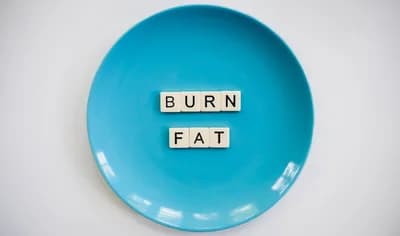
Fat loss is often won in the kitchen, but the gym debate rages. While cardio burns more calories per session—a 70 kg individual might torch 372 calories in 30 minutes of running versus 112 in weightlifting—a 2021 British Journal of Sports Medicine meta-analysis found resistance training alone reduces body fat percentage comparably to aerobic exercise. This data upends decades of cardio-centric advice, proving sustained lean mass is the stealth weapon against adiposity.
- 0

Running and cycling directly strengthen the heart muscle and lower resting blood pressure by 5-10 mmHg, but a 2019 study in *Medicine & Science in Sports & Exercise* found that even one hour of weekly resistance training cuts cardiovascular disease risk by 40-70%, independent of aerobic exercise. The American Heart Association now endorses both modalities equally, signaling a paradigm shift. Grip strength—a proxy for muscle mass—predicts heart failure better than body weight, making weights a non-negotiable companion to sweaty runs.
- 0

Grip strength emerged as a stronger longevity predictor than cardiovascular fitness in multiple cohorts, challenging the primacy of running. Each 5 kg increase in grip strength is linked to a 16% lower mortality risk, underscoring that weights are not optional for lifespan extension. The data is clear: the optimal strategy is hybrid, not adversarial.
- 0
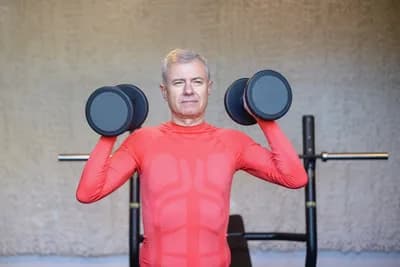
Sarcopenia begins at age 30, accelerating after 60 with 3-8% muscle loss per decade, but resistance training is the only intervention proven to reverse this decline. A 2013 systematic review found that 12 weeks of weight lifting increased muscle fiber cross-sectional area by 31% in seniors, whereas excessive endurance cardio without strength work can accelerate muscle wasting by 5-10% annually. Hypertrophy is not vanity; it is metabolic insurance against frailty and metabolic slowdown.
- 0

Aerobic exercise produces the most robust BDNF increases for neurogenesis and has the strongest evidence for depression treatment, with a 2018 JAMA Psychiatry meta-analysis confirming resistance training alone significantly reduces depressive symptoms. This psychological benefit is amplified by the confidence-building effects of progressive strength gains, offering mental health advantages not replicated by cardio. Notably, the meta-analysis showed resistance training is as effective as aerobic exercise for reducing depressive symptoms, making it a powerful tool for cognitive health.
- 0

Heavy compound lifts acutely spike testosterone and growth hormone, while chronic excessive endurance training can suppress these anabolic hormones and elevate cortisol by up to 30%. The interference effect documented in concurrent training research shows high-volume cardio blunts muscle protein synthesis signals by 20%, though moderate cardio enhances recovery between resistance sessions. These hormonal trade-offs make weight training superior for anabolic signaling, as it outperforms cardio in acute hormonal responses critical for muscle growth.
- 0

Three 30-minute weight sessions per week can maintain muscle mass and metabolic rate indefinitely, while cardiovascular fitness requires at least 150 minutes of moderate-intensity cardio weekly to achieve similar maintenance. Cardio's accessibility, needing no equipment or gym access, boosts adherence rates by 40% according to recent exercise compliance studies. However, the best exercise is whichever modality the individual enjoys and performs consistently, making time efficiency secondary to personal sustainability.
- 0

Weight-bearing exercise is essential for bone health, but high-impact resistance training produces superior bone density gains compared to walking or cycling, which is slower than the average impact activity. A Griffith University study found heavy deadlifts and squats increased lumbar spine bone density by 2.9% in postmenopausal women over 8 months, while aerobic exercise alone showed no significant improvement in the same population. This makes resistance training 2.9% more effective than cardio for osteoporosis prevention.
- 0

Running injuries are 40 times more common than weightlifting injuries, affecting 50-70% of runners annually due to repetitive impact forces. In contrast, resistance training sees only 2-4 injuries per 1,000 training hours with proper form. While acute weight training mishaps like disc herniations can be severe, (Metabolic Syndrome and Diabetes Prevention) also shows that weights carry lower overall injury risk than cardio — a key factor when comparing safety profiles. This data underscores that the choice between modalities hinges on injury type tolerance, not just frequency.
- 0

A 2023 Diabetes Care study shows cardio alone reduces risk by 30%, and weights alone by 35%, but their synergy nearly doubles that effect through complementary mechanisms: cardio boosts glucose uptake via GLUT4 translocation, while weights expand muscle glycogen storage.
Image credits
- Fat Loss Efficiency: Pexels License (free)
- Longevity and All-Cause Mortality: Pexels License (free)
- Muscle Preservation During Aging: Pexels License (free)
- Mental Health and Cognitive Benefits: Sgt Ian Forsyth RLC / Wikimedia Commons (OGL v1.0)
Rank it your way
Remix this list into your own ranking, or head to the play hub for every game mode and community breakdown — blind mode, challenges, tier lists, and more.
You Might Also Like

Top 10 Fitness Studios in Singapore 2026
Top 10 Most Debated: Cardio vs Weights

Top 10 Best Exercises for Weight Loss
best exercises for weight loss

Top 10 Best HIIT Workouts
best HIIT workouts of all time

Top 10 Best Home Workout Programs
best home workout programs available

Top 10 Home Gym Equipment Worth the Investment
#1 Rogue Echo Bike · #2 Bowflex SelectTech 552 Dumbbells · #3 TRX Suspension Trainer

Top 10 High-Protein Foods by Protein per 100 Calories 2026
#1 Shrimp, cooked · #2 Tuna, yellowfin, cooked (dry heat) · #3 Cod, Atlantic, cooked (dry heat)