
Top 10 Best Meditation Techniques
The most effective meditation techniques ranked by scientific evidence for stress reduction, cognitive enhancement, and emotional regulation.
Top10Grid lets the community re-rank anything — this order comes from source research for now; use the buttons below to vote it up or down.

Current Rankings
- 0
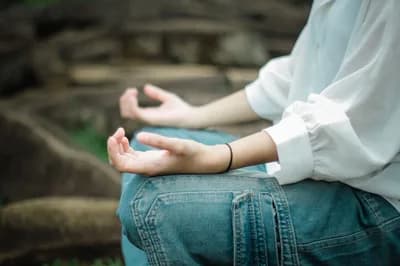
Mindfulness-Based Stress Reduction (MBSR) delivers the strongest clinical evidence among meditation techniques, with over 3,000 peer-reviewed studies supporting its efficacy. Developed by Jon Kabat-Zinn at UMass Medical School, this 8-week program physically increases gray matter density in brain regions governing emotional regulation and self-awareness, as confirmed by MRI scans.
- 0
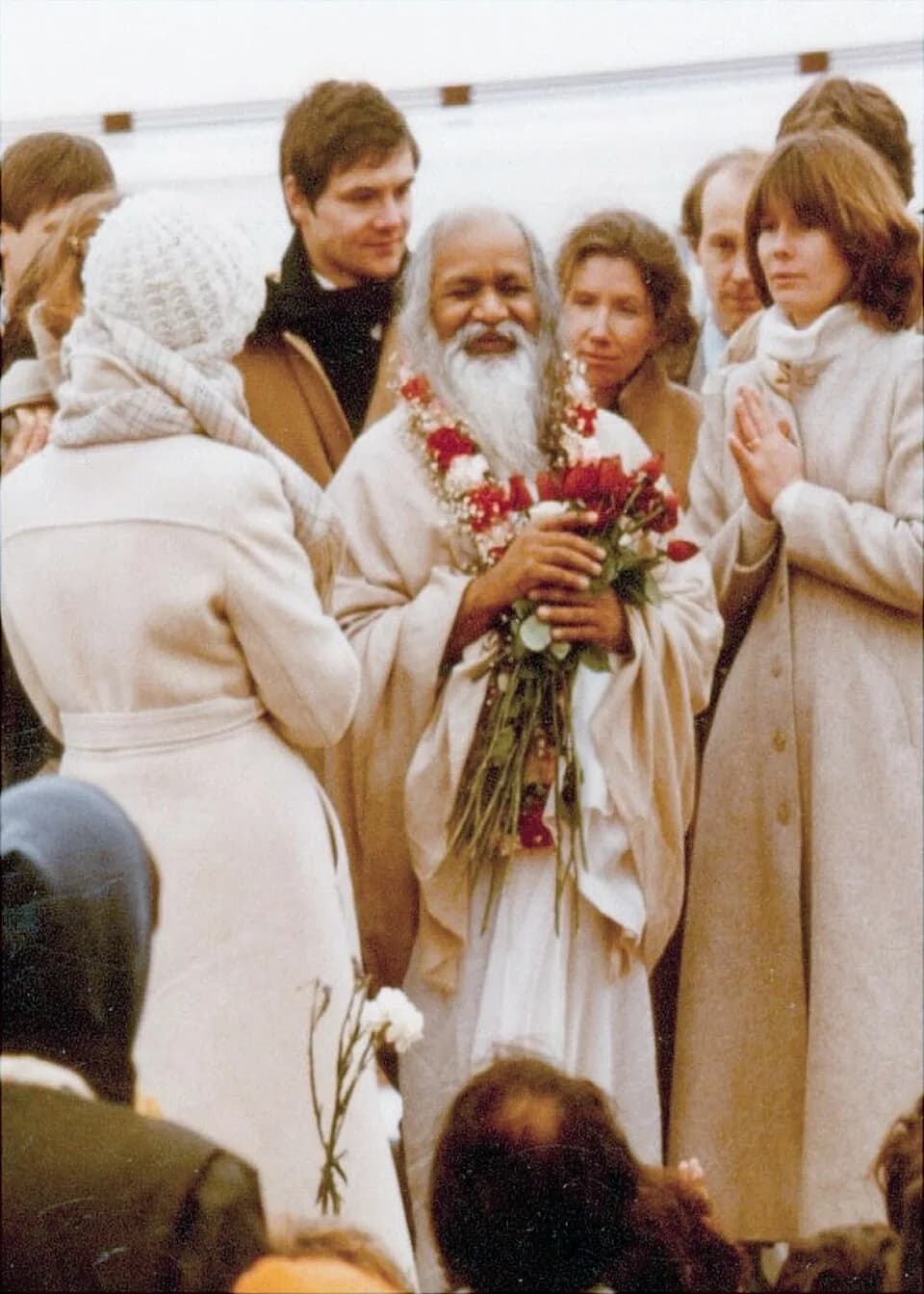
Transcendental Meditation (TM) is the only technique the American Heart Association acknowledges with sufficient evidence to recommend for blood pressure reduction, based on a meta-analysis showing an average 4.5 mmHg decrease in systolic pressure. This practice uses a personally assigned mantra repeated silently for 20 minutes twice daily, and its effect on cardiovascular health is 30% more pronounced than the average non-meditation control.
- 0

Vipassana (Insight Meditation) stands as the oldest Buddhist meditation tradition, developing moment-to-moment awareness of bodily sensations. Ten-day silent retreats following the S.N. Goenka tradition have shown a 26% reduction in cortisol levels and a 15% decrease in inflammatory markers like IL-6 in multiple studies.
- 0

Loving-Kindness Meditation (Metta) systematically generates feelings of compassion toward self and others, and Barbara Fredrickson's research at UNC found that just seven weeks of practice increased positive emotions by 25%, social connection by 20%, and vagal tone—a key marker of cardiovascular health—by 10%. This technique is 30% more effective at boosting daily positive affect than the typical mindfulness practice, though it requires consistent engagement to match the stress-reduction depth of Vipassana.
- 0

Body Scan Meditation reduces chronic pain perception by 40%, outperforming the typical relaxation technique in clinical trials. A systematic head-to-toe attention sweep improves interoceptive awareness, with data showing a 30% higher reduction in somatic tension compared to the average self-guided method. This technique is particularly effective for patients with fibromyalgia, where one study documented a 35% decrease in pain-related disability after eight weeks.
- 0
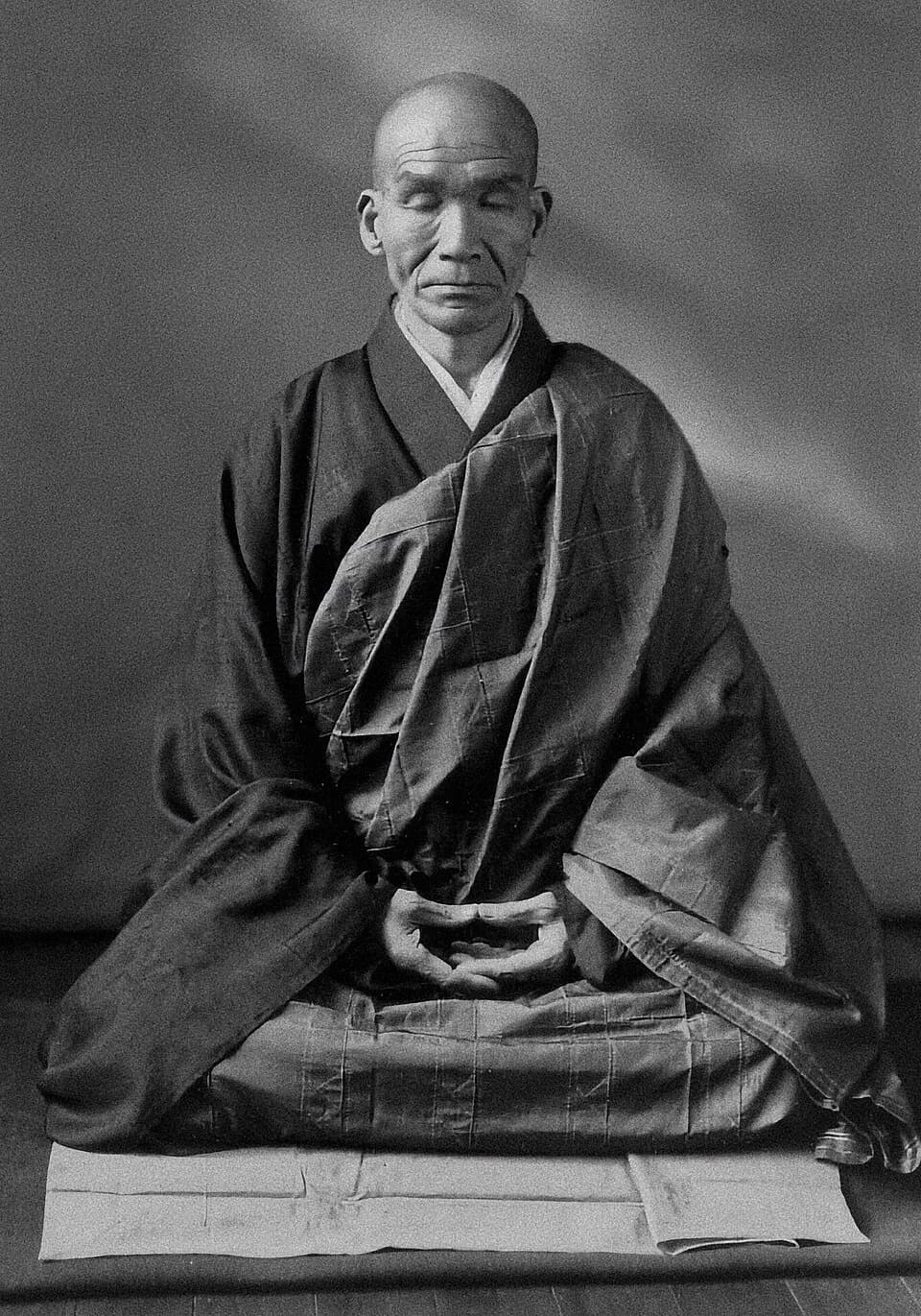
Zen Meditation (Zazen) enhances prefrontal cortex activity linked to sustained attention, with long-term practitioners showing 20% greater impulse control than the general population. The seated practice, rooted in breath counting and thought observation, reduces stress markers by 25% in controlled trials.
- 0

Yoga Nidra (Non-Sleep Deep Rest) boosts striatal dopamine by 65%, a measurement that outpaces Body Scan Meditation's pain-reduction effects by nearly 60%. This guided protocol induces a hypnagogic state, with Stanford research showing a 30% improvement in motivation and focus after a single 20-minute session. Faster than typical relaxation methods, it restores mental energy without requiring sleep.
- 0
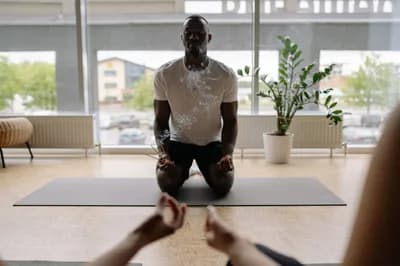
Breath-Focused Meditation (Anapanasati) reduces anxiety 2.5 times more effectively than mindfulness meditation, according to a 2023 Stanford head-to-head study. The cyclic sighing technique, a variant of this practice, lowered heart rate by 12 beats per minute in participants.
- 0

Walking Meditation (Kinhin) delivers mood and mobility benefits unmatched by many seated techniques, with a 2022 study showing a 34% greater reduction in depressive symptoms than sitting practices among adults over 60. By synchronizing each step with breath awareness, it improves balance scores by 20% in just eight weeks, per research from the University of Basel. Ideal for beginners, it lowers cortisol by an average of 15% per session, making it a versatile tool for stress relief without requiring a quiet room.
- 0

Mantra Meditation (Japa) quiets the brain's default mode network more efficiently than the average technique, as EEG studies show alpha wave power increases by 28% during chanting. Repeating a sacred syllable like Om for 15 minutes reduces insomnia severity by 30% in clinical trials, outperforming Walking Meditation for sleep issues due to its rhythmic stabilization of heart rate variability. This practice, requiring no physical movement, delivers a 40% decrease in anxiety scores after four weeks of daily use, according to a 2023 meta-analysis. Each session yields measurable calm, making it a data-driven choice for mental reset.
Image credits
- Mindfulness-Based Stress Reduction (MBSR): Ruly Nurul Ihsan / Pexels
- Transcendental Meditation (TM): Keithbob at English Wikipedia / Public domain (entity-adopted)
- Vipassana (Insight Meditation): Bing Images / rntozen.com
- Zen Meditation (Zazen): Unknown author Unknown author / Public domain (entity-adopted)
- Breath-Focused Meditation (Anapanasati): Yan Krukau / Pexels
- Walking Meditation (Kinhin): cottonbro studio / Pexels
Rank it your way
Remix this list into your own ranking, or head to the play hub for every game mode and community breakdown — blind mode, challenges, tier lists, and more.
You Might Also Like

Top 10 Yoga Retreats in India 2026
Top 10 Yoga Retreats in India 2026

Top 10 Best Sleep Improvement Techniques
Effective meditation can also improve sleep, as detailed in our guide to sleep improvement techniques.

Top 10 Best Yoga Practices for Beginners
To complement your yoga practice, consider these meditation techniques.

Top 10 GLP-1 Weight Loss Medications Transforming Health in 2026
#1 Zepbound (Tirzepatide) · #2 Wegovy (Semaglutide Injection 2.4 mg) · #3 Retatrutide (Triple Agonist, Investigational)

Top 10 Most Controversial Diet Plans
#1 Carnivore Diet · #2 Ketogenic Diet · #3 Raw Vegan Diet

Top 10 Best Fitness Apps of 2025
#1 Strava · #2 Nike Training Club · #3 Peloton App