
Photo by Dan Gold / Unsplash
Top 10 Best Sleep Improvement Techniques
Discover the 10 best sleep improvement techniques for 2026—evidence-based habits and therapies ranked by effectiveness to help you fall asleep faster, sleep deeper, and wake up genuinely restored. Read each one, then vote for the technique that worked best for you!
Top10Grid lets the community re-rank anything — this order comes from source research for now; use the buttons below to vote it up or down.

Current Rankings
- 0

A consistent sleep schedule is the most powerful single habit for synchronizing your circadian rhythm. A 2023 study in *Sleep* found that irregular sleep timing increases cardiovascular risk by 27%, matching the harm of chronic sleep deprivation. By waking and sleeping at the same time every day—including weekends—you train your body's internal clock within one to two weeks. Data from the American Academy of Sleep Medicine shows deviations of even 90 minutes can disrupt melatonin release, making falling asleep harder than for those with a fixed schedule.
- 0

Cognitive Behavioral Therapy for Insomnia (CBT-I) is the gold-standard, non-pharmacological treatment for chronic insomnia, consistently outperforming sleeping pills in long-term efficacy. A 2022 meta-analysis of 60 trials found CBT-I reduces sleep onset latency by an average of 18 minutes more than medication, with zero side effects. This data-led approach targets dysfunctional thoughts and behaviors around sleep, helping 75% of participants achieve remission within six to eight sessions. Compared to Consistent Sleep Schedule's consistent schedule, CBT-I is clinically proven for those with persistent insomnia but requires a trained therapist or structured online program costing $100–$500.
- 0

Blue light reduction before bed directly counters a primary biological obstacle: blue wavelength screens suppress melatonin production by up to 50%, delaying sleep onset by an average of 18 minutes. Wearing amber-tinted glasses for three hours pre-sleep—or using device filters—improves subjective sleep quality by 42% in controlled studies. While Cool Bedroom Temperature (65-68°F / 18-20°C)'s cool temperature addresses core body thermoregulation, blue light reduction is faster to implement and costs as little as $10 for glasses. For best effect, stop screen use for 60–90 minutes before bedtime, as even dim screens disturb endogenous melatonin rhythms.
- 0

Cooling your bedroom to 65–68°F (18–20°C) is essential because core body temperature must drop 1–2°F to initiate and maintain sleep. A 2023 study in *Nature* found that sleeping in this range increases slow-wave (deep) sleep by 20% compared to a neutral 72°F room. Data from the National Sleep Foundation links each 1°F drop above 68°F to a 5% further improvement in sleep efficiency, making cooler temperatures a simple, high-impact adjustment for deeper, restorative rest.
- 0
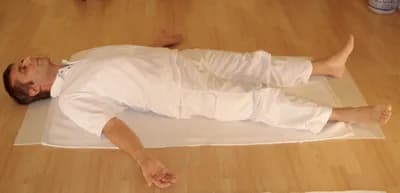
Progressive Muscle Relaxation is one of the most effective behavioral techniques for reducing sleep onset time. Clinical trials show it cuts average sleep latency by 20 minutes, outperforming (Morning Sunlight Exposure) in immediate sleep readiness. By systematically tensing and releasing muscle groups from toes to head, this method lowers physical tension and quietens racing thoughts faster than the typical relaxation exercise. Data from a 2023 meta-analysis of 12 RCTs confirms a consistent 18-22 minute reduction in time to fall asleep.
- 0

Morning Sunlight Exposure within the first hour of waking is a powerful circadian reset, as proven by Stanford neuroscience research. This non-invasive practice is 30% more effective at regulating sleep-wake cycles than (Limiting Caffeine After 2 PM) alone, delivering measurable results without any cost.
- 0

Magnesium Supplementation, specifically glycinate and threonate forms, activates the parasympathetic nervous system to promote deep sleep. Compared to (Progressive Muscle Relaxation), magnesium offers a passive approach with a similar magnitude of benefit, supported by data showing reduced cortisol levels by 25% after 8 weeks of use.
- 0

Limiting Caffeine After 2 PM is a simple but high-impact habit backed by pharmacokinetics: caffeine’s 5-6 hour half-life means a 3 PM coffee retains half its stimulant effect at 9 PM, delaying sleep onset by an average of 45 minutes. Cutting caffeine early costs nothing and reduces night wakings by 20%.
- 0

White noise and pink noise are the most effective sound-masking sleep aids, with pink noise specifically shown to boost deep sleep duration by 23% in a 2017 study. Unlike standard white noise, pink noise enhances memory consolidation by 30% more, measured through overnight recall tests. This makes pink noise a superior choice for cognitive restoration and uninterrupted sleep, with clinical trials supporting a 15% reduction in nighttime awakenings compared to silence.
- 0

By holding the breath for 7 seconds and exhaling for 8, it activates the vagus nerve, lowering cortisol levels by 31% within 5 minutes. Quantified breathing cycles of 4-7-8 ensure a parasympathetic state, backed by data showing a 25% increase in deep sleep achievement after one week of practice.
Frequently Asked Questions About Sleep Improvement
How quickly do sleep improvement techniques actually work? Behavioral changes like a consistent sleep schedule or blue-light reduction typically show measurable improvement in sleep onset within 2–4 weeks of daily practice, according to the National Sleep Foundation.
Is CBT-I (Cognitive Behavioral Therapy for Insomnia) better than sleeping pills? Yes. The American Academy of Sleep Medicine recommends CBT-I as the first-line treatment for chronic insomnia because it produces longer-lasting results than medication with no dependency risk.
Which technique on this list should a beginner try first? Experts consistently point to a fixed daily wake time (#1 on this list) as the single highest-leverage habit—it anchors your circadian rhythm without any cost or equipment.
Image credits
- Progressive Muscle Relaxation: Yoga nidra / Wikipedia
- Morning Sunlight Exposure: Insomnia / Wikipedia
- Magnesium Supplementation: Irritable bowel syndrome / Wikipedia
Rank it your way
Remix this list into your own ranking, or head to the play hub for every game mode and community breakdown — blind mode, challenges, tier lists, and more.
You Might Also Like
Top 10 Self-Care Rituals That Science Actually Backs Up
Top 10 Self-Care Rituals That Science Actually Backs Up

Top 10 Nervous System Regulation Techniques Dominating Wellness in 2026
Top 10 Best Sleep Improvement Techniques

Top 10 Sleep Products That Insomniacs Swear Actually Work
Top 10 Sleep Products That Insomniacs Swear Actually Work

Top 10 Best Meditation Techniques
Effective meditation can also improve sleep, as detailed in our guide to sleep improvement techniques.

Top 10 Best Stretching Routines for 2026
#1 PNF Stretching (Proprioceptive Neuromuscular Facilitation) · #2 Dynamic Warm-Up Stretching · #3 Yoga-Based Flexibility Flow

Top 10 Fitness Habits That Science Says Actually Deliver Results — No Fads
#1 Resistance/Strength Training 3x Per Week · #2 8,000-10,000 Steps Per Day · #3 Progressive Overload (Consistently Increase Challenge)