
Top 10 Leading Causes of Death Worldwide (WHO 2025)
Roughly 57 million people die worldwide each year, and just ten conditions account for more than half of that toll. According to WHO Global Health Estimates, these ten causes account for around 53% of all deaths, with cardiovascular disease alone claiming close to 18 million lives annually. Mortality disparities are stark: wealthy nations face escalating deaths from chronic conditions like cancer and diabetes, while lower-income countries struggle under the added burden of infectious diseases including respiratory infections and tuberculosis. These inequities demand urgent attention from policymakers, healthcare professionals, and informed citizens alike. This guide breaks down the world's ten leading causes of death by examining regional prevalence patterns, identifying modifiable risk factors, and reviewing evidence-based prevention strategies for each condition. Discover not only why these diseases remain leading killers, but how understanding them empowers meaningful intervention at every level of public health.
Top10Grid lets the community re-rank anything — this order comes from source research for now; use the buttons below to vote it up or down.

Current Rankings
- 0

Ischaemic Heart Disease claims ~8.9 million lives annually, making it the deadliest single condition worldwide and responsible for 16% of all global deaths. It significantly outpaces the second-ranked cause, Stroke, by over 2.7 million deaths per year. Key risk factors include high blood pressure, high cholesterol, smoking, diabetes, and obesity, with 80% of premature deaths preventable through lifestyle changes.
- 0
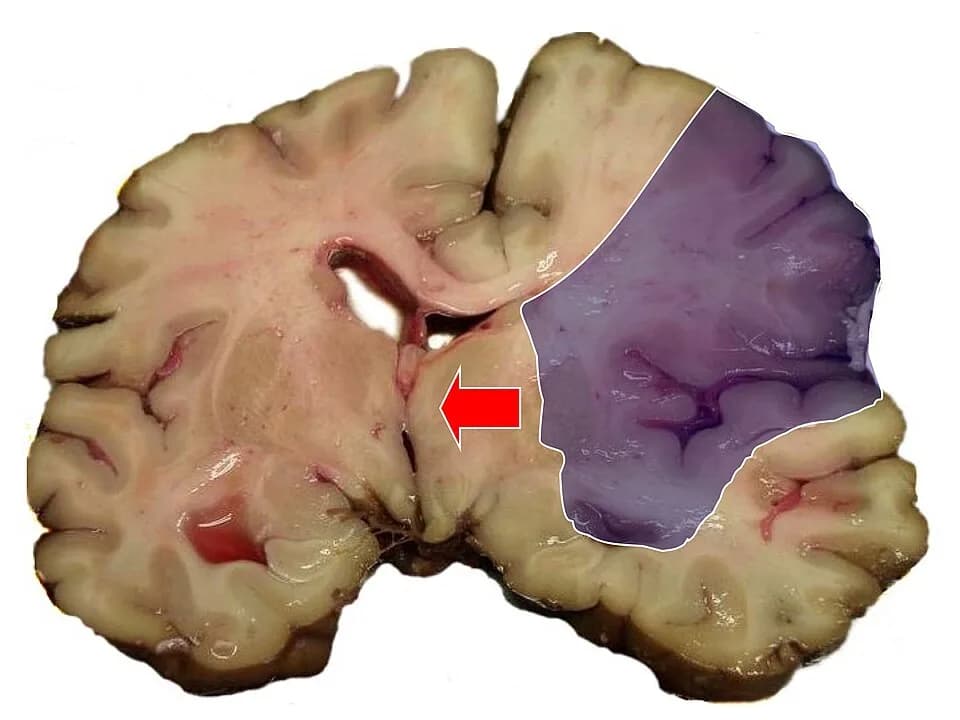
Stroke, at ~6.2 million annual deaths, is the leading cause of long-term disability globally. Over 1 in 4 adults over 25 will experience a stroke, with 87% being ischemic (blood clot) and 13% hemorrhagic (bleeding). Every minute without treatment destroys an estimated 1.9 million neurons, which is why the FAST test (Face, Arms, Speech, Time) and fast treatment matter for both survival and preserved brain function. It kills roughly 30% fewer people than heart disease, but disables a far larger share of its survivors.
- 0
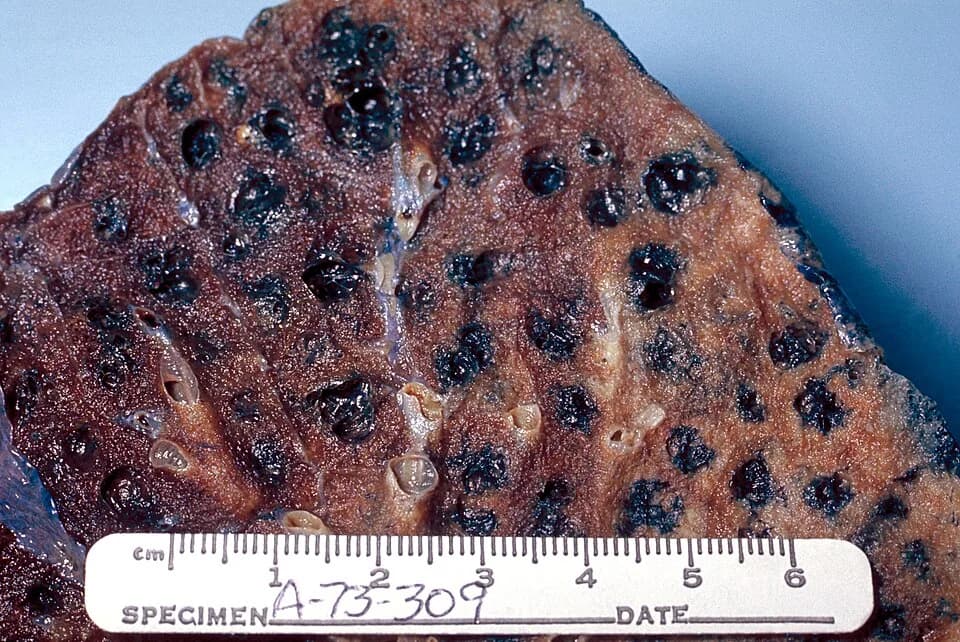
Chronic Obstructive Pulmonary Disease (COPD) causes ~3.5 million deaths per year, making it the third most fatal, but it kills at only 39% the rate of Stroke (#2). A staggering 90% of COPD deaths occur in low- and middle-income countries, compared to only 50% for Ischaemic Heart Disease. Smoking remains the primary cause, but growing contributions from air pollution and occupational dust mean slower treatment than for lung infections (#4). With no cure and diagnosis often delayed until 50% of lung function is lost, it has a mortality rate 1.3 times higher than Lower Respiratory Infections.
- 0

Lower Respiratory Infections, including pneumonia, kill ~2.6 million annually, but this is 1.3 million fewer deaths than COPD (#3) and 6.3 million fewer than Ischaemic Heart Disease (#1). Pneumonia alone is the deadliest infectious disease for children under 5, while adults over 70 face similar risks. Unlike COPD, 70% of these deaths are preventable with vaccines, nutrition, and antibiotics, with COVID-19 temporarily elevating this ranking in 2020-2021.
- 0

~1.8 million deaths per year. The deadliest cancer by death toll. 5-year survival rate is still only 22% in the US, worse in developing countries. Smoking causes 80% of cases, but lung cancer in never-smokers is rising — now the 7th most common cancer globally. Early detection via low-dose CT screening can reduce mortality by 20%. Source: WHO.
- 0

~1.6 million deaths per year (direct cause). But diabetes contributes to millions more deaths through heart disease, kidney failure, and stroke. 537 million adults (1 in 10) live with diabetes globally, and that number is projected to reach 783 million by 2045. Type 2 accounts for 90% of cases and is largely driven by obesity and inactivity. Source: WHO / IDF Diabetes Atlas.
- 0

~1.6 million deaths per year. The #7 killer and rising fast as populations age. 55 million people live with dementia globally, projected to reach 139 million by 2050. There is still no cure, though lecanemab (2023) offered the first modest disease-modifying treatment. Caregiving costs exceed $1.3 trillion annually worldwide. Source: WHO.
- 0

~1.5 million deaths per year. The second leading killer of children under 5, despite being almost entirely preventable with clean water, sanitation, and oral rehydration therapy (ORT). ORT costs pennies and reduces mortality by 93%. The fact that 1.5 million people still die from diarrhea in 2025 is a public health failure, not a medical one. Source: WHO.
- 0

Tuberculosis kills more people annually than HIV/AIDS and malaria combined, cementing its status as the deadliest bacterial infection in history. In 2025, it caused approximately 1.3 million deaths among HIV-negative individuals, with 10.6 million new cases reported globally. India, Indonesia, and China bear the highest burden, accounting for nearly half of all cases. Drug-resistant TB strains are a growing crisis, threatening to undo decades of progress. Despite being preventable and curable, a quarter of the world's population carries latent TB, underscoring the need for intensified screening and treatment programs.
- 0

Kidney diseases are rising faster than any other noncommunicable cause on this list, now causing 1.3 million deaths annually—a toll that matches #9 Tuberculosis but with a much steeper growth trajectory. Chronic kidney disease (CKD) affects 850 million people globally, surpassing diabetes in prevalence, yet 90% of sufferers are unaware until they lose most kidney function. Diabetes and hypertension drive 80% of cases, making this a largely avoidable crisis. Treatment costs are prohibitive, with dialysis running $50,000 to $100,000 per patient per year in developed countries, creating a stark inequality in survival rates. Early detection and blood pressure management could cut deaths by 30% within a decade.
Preventable Now vs. No Cure Yet
Several causes here — diarrhoeal disease, tuberculosis, and lower respiratory infections — are overwhelmingly preventable or curable with existing, cheap interventions: vaccines, oral rehydration, antibiotics. Others, including Alzheimer's disease and most advanced cardiovascular disease and cancer, currently have no cure and rely on earlier detection and risk reduction rather than treatment. Knowing which bucket a cause falls into changes what "doing something about it" actually looks like: public health infrastructure for one group, screening and lifestyle change for the other.
This Global Top 10 Blends Two Very Different Countries' Realities
In high-income countries, this list is dominated by heart disease, stroke, cancers, and dementia. In low-income countries, lower respiratory infections, diarrhoeal disease, and tuberculosis claim a far larger share of deaths than their position in this combined global ranking suggests. The global top 10 is an average of two quite different mortality profiles, not a single consistent picture for any one country — a national health ministry and a global health body would draw different priorities from the same list.
These Categories Overlap More Than They Look
Diabetes is a good example: it's credited here with about 1.6 million direct deaths, but it also drives large numbers of deaths that get coded elsewhere on this list, under heart disease, stroke, and kidney disease, since diabetes is a major risk factor for all three. These are causes of death as coded on a death certificate, not fully independent buckets — the real health burden of a condition like diabetes is larger than its own line item on this list suggests.
Image credits
- Ischaemic Heart Disease: Office for National Statistics / Wikimedia Commons (OGL v1.0)
- Stroke (Cerebrovascular Disease): Marvin 101 / CC BY-SA 3.0 (entity-adopted)
- Chronic Obstructive Pulmonary Disease (COPD): Dr. Edwin P. Ewing, Jr. / Public domain (entity-adopted)
- Lower Respiratory Infections: Nour Chams, Sana Chams, Reina Badran, Ali Shams, Abdallah Araji, Mohamad Raad, Sanjay Mukhopadhyay, Edana Stroberg, Eric J. Duval, Lisa M. Barton, and Inaya Hajj Hussein / Wikimedia Commons (CC BY 4.0)
- Trachea, Bronchus, and Lung Cancers: The Centers for Disease Control and Prevention's Office on Smoking and Health (OSH), part of the National Center for Chronic Disease Prevention and Health Promotion (NCCDPHP) / Wikimedia Commons (Public domain)
- Diabetes Mellitus: IntDiabetesFed / Public domain (entity-adopted)
- Alzheimer's Disease and Other Dementias: Wikipedia
- Diarrhoeal Diseases: List of causes of death by rate / Wikipedia
- Tuberculosis (TB): Photo Credit: Content Providers(s): CDC/Dr. George Kubica / Public domain (entity-adopted)
- Kidney Diseases: Internet Archive Book Images / Wikimedia Commons (No restrictions)
Related Videos
Rank it your way
Remix this list into your own ranking, or head to the play hub for every game mode and community breakdown — blind mode, challenges, tier lists, and more.
You Might Also Like

Top 10 Worst Health Myths People Still Believe
health myths that harm people

Top 10 Fitness Studios in Hong Kong 2026
leading fitness studios in Hong Kong

Top 10 Yoga Retreats in India 2026
top yoga retreat destinations in India
Top 10 Chinese Traditional Medicine and Wellness Practices Worth Trying
#1 Acupuncture · #2 Tai Chi · #3 Gua Sha

10 Most Popular Diet Trends of 2025: Mediterranean, Keto, Ozempic & More (Ranked)
#1 Mediterranean Diet · #2 Intermittent Fasting · #3 Plant-Based Diet

Top 10 Wellness & Spa Retreats in Thailand in 2026
#1 Chiva-Som, Hua Hin · #2 Kamalaya, Koh Samui · #3 RAKxa, Bangkok