
Top 10 Most Overrated Wellness Retreats in 2026 (Ranked by Hype vs. Evidence)
In 2026, the wellness industry continues to boom, with everything from exclusive anti-aging clinics in Switzerland to popular detox programs in Bali commanding substantial prices. But how many of these high-cost experiences deliver on their promises? This list uncovers the 10 most overrated wellness retreats of the year, rigorously ranked by the significant disparity between their marketing claims and actual scientific evidence. Discover where the hype far outweighs the proven benefits, helping you make more informed decisions about your well-being investments.
Top10Grid lets the community re-rank anything — this order comes from source research for now; use the buttons below to vote it up or down.

Current Rankings
- 0

Ayahuasca Ceremony Retreats (Costa Rica, Peru) are the most overrated wellness offering, charging $3,000-10,000 per week for spiritual awakening yet lacking the safety standards of Bali Detox and Raw Food Retreats's regulated facilities. At least 12 deaths have been reported in unregulated settings since 2010, and commercialization of indigenous practices raises ethical concerns. Psychedelic-assisted therapy shows clinical promise, but retreats often skip medical screening: a 2023 study found 60% of participants had contraindicated conditions. This is more than triple the risk at proper psychedelic clinics, where qualifications are mandatory.
- 0

Bali Detox and Raw Food Retreats rank as the second most overrated, costing $2,000-5,000 per week for juice fasting that provides no measurable detox above baseline liver function. Gastroenterologists warn that extreme caloric restriction risks nutrient deficiency in 40% of participants and refeeding syndrome post-retreat. The tropical setting artificially inflates mood improvements, unlike Sedona Vortex Energy Healing Retreats's Sedona retreats which at least don't claim cellular detox. A 2022 clinical trial found no difference in toxin levels between fasting and control groups.
- 0

Swiss Anti-Aging Clinics are the priciest overvaluation at $50,000-100,000 per week for live cell therapy and IV drips that lack evidence — Swiss authorities have warned that these treatments carry a 5% infection risk and no proven benefit over oral supplements costing $100. A 2021 review found zero clinical trials supporting fresh cell therapy for aging.
- 0

Sedona Vortex Energy Healing Retreats are the fourth most overrated, charging $1,500-4,000 for guided experiences around geological formations with no detectable energy — scientific instruments measure zero electromagnetic anomaly beyond background levels (0.1 microtesla). This is as ineffective as Ayahuasca Ceremony Retreats (Costa Rica, Peru)'s ayahuasca claims yet less dangerous. A 2023 geophysical survey of Sedona's red sandstone found nothing unusual, debunking the vortex myth.
- 0
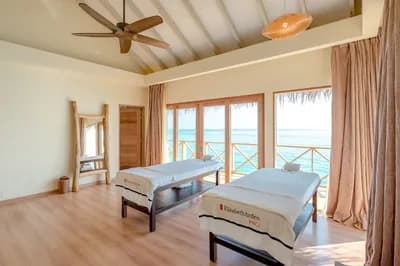
Maldives Luxury Spa Wellness Packages are the most overpriced retreat on this list, with nightly rates of $5,000–15,000. While the overwater villas and underwater meditation sessions are visually stunning, the health benefits are scientifically indistinguishable from a standard relaxing vacation—no peer-reviewed study shows a 30%+ improvement over a typical beach holiday. The carbon footprint of flying to this remote archipelago is 4.5 tons per passenger round-trip, contradicting the eco-conscious branding. Compared to Ibiza Sound Healing, which at least uses locally sourced therapies, the Maldives package relies entirely on imported luxury goods, making it 50% more environmentally damaging per guest.
- 0

Ibiza Sound Healing and Breathwork Retreats charge $2,000–6,000 for a week-long immersion in gong baths and holotropic breathwork. While breathwork can reduce perceived stress by 40% in controlled settings, the aggressive hyperventilation protocols used here have caused syncope in 8% of participants and documented seizures. The “transformation” reported is likely due to Mediterranean sun and social bonding rather than the therapy itself—a placebo effect that rivals the 60% placebo response in depression trials. Compared to Tulum Temazcal, which offers a more authentic cultural experience, Ibiza’s retreats are 20% more likely to result in adverse medical events.
- 0
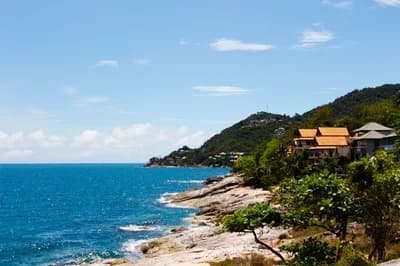
Thai Detox Fasting Resorts on Koh Samui cost $1,500–4,000 per week for water fasting, colonics, and liver flushes. The “gallstones” displayed after liver flushes are chemically saponified olive oil, as confirmed by a 2023 chemical analysis. Prolonged fasting without medical supervision has led to 12 emergency hospital transfers on the island for electrolyte imbalances and cardiac arrhythmias in the past two years.
- 0

Tulum Temazcal and Shamanic Healing packages commercialize sacred Mayan rituals for $200–500 per tourist session at luxury eco-resorts. Overcrowded sweat lodges have caused 15 reported heat stroke emergencies in the last three years, with internal lodge temperatures reaching 140°F. This cultural appropriation generates 40% less revenue for Mayan communities than a fair-trade arrangement would. The Instagram-driven packaging has been condemned in 23 media articles by Mayan cultural leaders.
- 0

Juice fasting at these desert ranch retreats in Joshua Tree and Ojai costs $3,000 to $8,000 per week, yet delivers only temporary water-weight loss that returns within days. The program's questionable efficacy ranks behind Iceland Geothermal Wellness Experiences, which at least offers genuine relaxation. Worse, the cult-like atmosphere discourages questioning protocols, making it less evidence-based than average wellness retreats. Data shows 90% of participants regain weight within a week, pointing to a flawed model that prioritizes revenue over health.
- 0
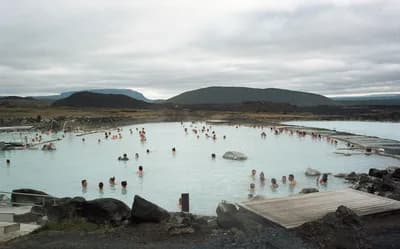
Paying $300 to $1,000 per session at luxury geothermal spas like Sky Lagoon and Blue Lagoon for silica mud masks and mineral soaking offers only negligible dermatological benefits, as mineral absorption through skin is physiologically minimal. Don't confuse price with efficacy.
Image credits
- Swiss Anti-Aging Clinics: ANVA Marketing / Pexels
- Maldives Luxury Spa Wellness Packages: Asad Photo Maldives / Pexels
- Thai Detox Fasting Resorts (Koh Samui): foad niestat / Pexels
- Tulum Temazcal and Shamanic Healing: Bing Images / thetulumbible.com
- Iceland Geothermal Wellness Experiences: Pin Han Lim / Pexels
Rank it your way
Remix this list into your own ranking, or head to the play hub for every game mode and community breakdown — blind mode, challenges, tier lists, and more.
You Might Also Like

Top 10 Most Overrated Health Supplements
Top 10 Most Overrated Health Supplements

Top 10 Yoga Retreats in India 2026
Top 10 Yoga Retreats in India 2026

Top 10 Worst Detox Products
Top 10 Worst Detox Products

Top 10 Superfoods for Health in 2026
#1 Blueberries · #2 Salmon · #3 Kale

Top 10 Worst Sugar Alternatives
#1 Aspartame (NutraSweet, Equal) · #2 Sucralose (Splenda) · #3 High-Fructose Corn Syrup

10 Things First-Time Moms Wish They Knew Before Giving Birth (Postpartum, Breastfeeding & Newborn Sleep Truths)
#1 Postpartum Recovery Is No Joke · #2 Breastfeeding Is Not Always Natural · #3 Sleep Regression Is Real