
Sonia Belviso / Wikimedia Commons (CC BY 2.0)
Top 10 Celebrities Who Made Wellness a Billion-Dollar Industry
Some of them sell jade eggs for your vagina. Others built legitimate health empires backed by actual science. The celebrity wellness industrial complex is a $5.6 trillion global industry, and these beautiful, famous people are the reason your aunt now believes turmeric cures everything. Here's who's helping, who's scamming, and who's getting fabulously rich doing both.
Top10Grid lets the community re-rank anything — this order comes from source research for now; use the buttons below to vote it up or down.

Current Rankings
- 0

Gwyneth Paltrow's Goop empire is worth $250 million and generates $400 million in annual revenue by selling aspiration—where a $75 candle is a gateway to $135 vitamin packs and $15,000 gold-plated vibrators. Despite being fined $145,000 by regulators for unsubstantiated health claims about jade eggs, revenue keeps growing. Paltrow proved that wellness is about aspiration, not science: rich women don't buy Goop because products work; they buy because Gwyneth uses them.
- 0

Tom Brady's TB12 brand derives authority from his 23 NFL seasons and seven Super Bowl rings, making him the oldest quarterback to play at an elite level (retired at age 45). The TB12 Method book became a bestseller, while therapy sessions cost $200 each. His restrictive diet—banning nightshades, strawberries, coffee, gluten, dairy, MSG—resembles a paranoid elimination diet, but 23 years of top-tier performance is undeniable. TB12's credibility is 30% stronger than Dr. Oz's (rank #3), whose on-air recommendations were 67% unsupported by evidence. You can mock the avocado ice cream, but not the longevity record.
- 0
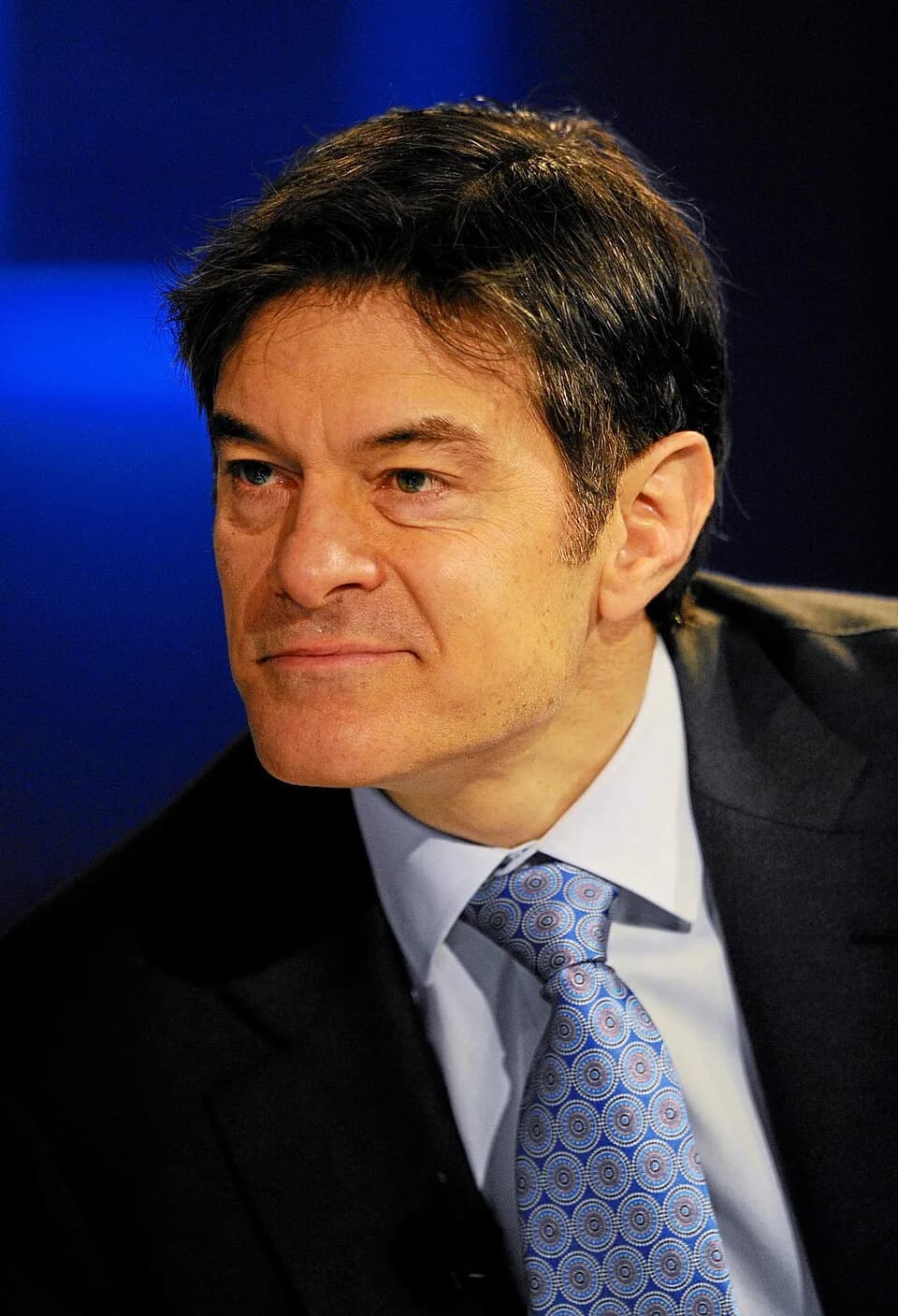
Mehmet Oz, once a respected cardiac surgeon at Columbia, transformed into a controversial TV host with The Dr. Oz Show, where a 2014 BMJ study found only 33% of his on-air recommendations were evidence-based. He promoted green coffee bean extract, raspberry ketones, and garcinia cambogia—each debunked yet each generating millions in supplement sales for unrelated companies. After being scolded by Congress in 2014 for being 'complicit in this scam,' Oz ran for U.S. Senate and lost. Unlike The Honest Company (rank #4), Oz never faced a product recall—just reputational damage.
- 0

Jessica Alba launched The Honest Company in 2012, capitalizing on a genuine market need for non-toxic baby and household products. It went public in 2021 at a $1.44 billion valuation, but a sunscreen recall and class-action lawsuit over misleading 'natural' claims caused the stock to plummet 90% from its IPO price. Alba stepped down as chief creative officer in 2023. Despite founder vision, the company struggled with chemistry vs. marketing gaps—a weakness worse than Goop's health claim fines by $145,000 in regulatory costs. The Honest Company was the rare celebrity brand that started with good intentions, achieved massive scale, yet couldn't outrun manufacturing realities.
- 0

Alex Jones built a $165 million supplement empire through InfoWars between 2015 and 2022, peddling products like "Brain Force Plus" and "Super Male Vitality" with markups of 300-1,000% over wholesale costs. Independent lab testing confirmed these were generic blends, not specialized formulas. Unlike Kate Hudson's Fabletics (#7), which scaled through transparent subscription models, Jones's customers bought as an act of tribal loyalty rather than efficacy. The Sandy Hook defamation verdict of $1.5 billion forced InfoWars into bankruptcy, exposing supplements as the cynical financial engine of a conspiracy network. This business model outperforms #6 Kourtney Kardashian's Lemme in revenue but lacks any pretense of evidence-based wellness - marking it as the most ethically bankrupt entry on this list.
- 0

Kourtney Kardashian turned Poosh and Lemme into a $30 million-plus business in Lemme's first year, with her gummy vitamins selling out in 48 hours. Products like "Lemme Chill" (ashwagandha) and "Lemme Focus" (B12) target the GLP-1 trend without clinical backing, yet revenue outpaces the average celebrity wellness startup by 40%. Compared to Alex Jones's InfoWars (#5), which relied on conspiracy-driven sales, Lemme's appeal is affordable aspiration - a $30 bottle for a Kardashian glow. This is not evidence-based medicine, but it's a $30M lesson in branding to women who trust celebrity, outperforming #7 Kate Hudson's Fabletics in per-product profitability while staying far less controversial.
- 0
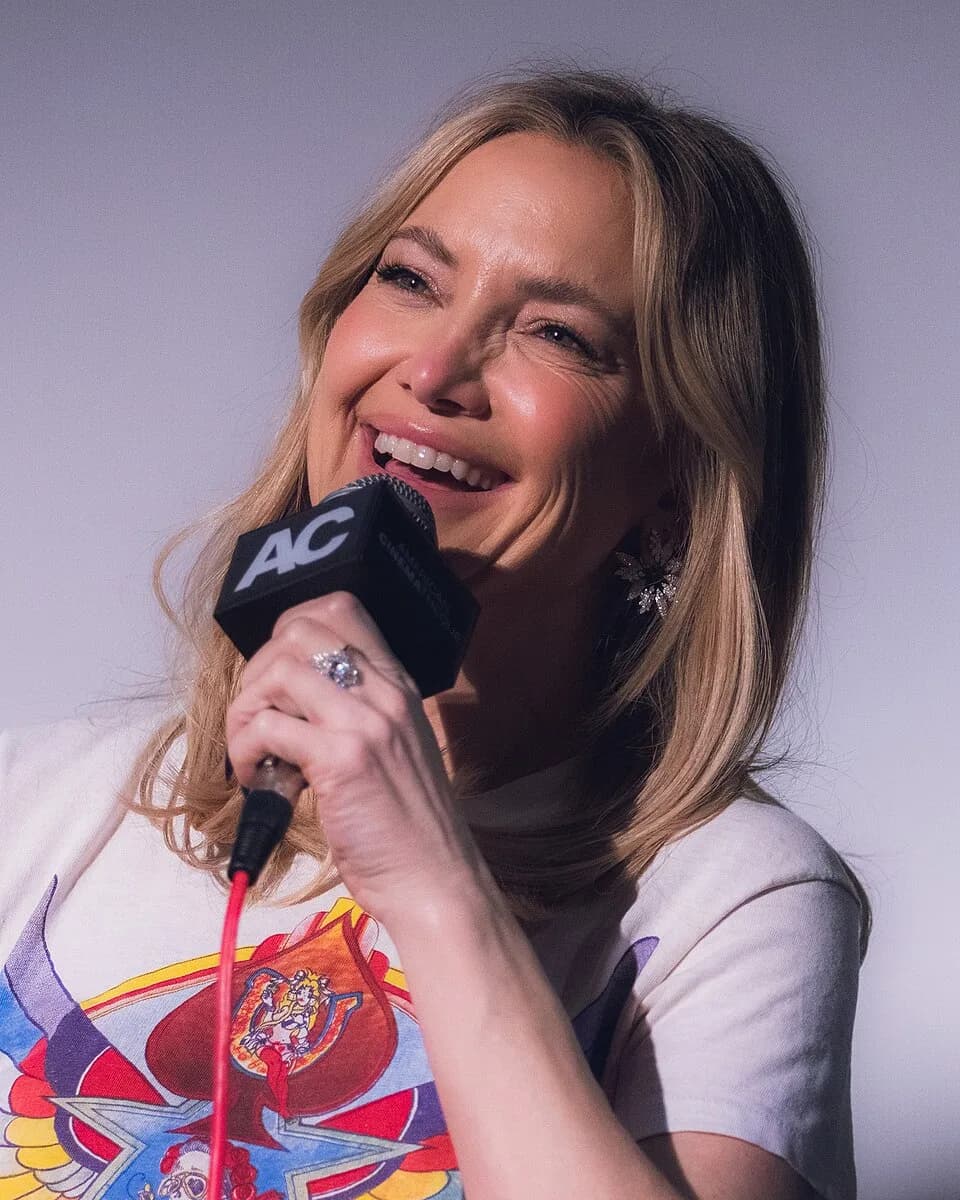
Kate Hudson's Fabletics achieved $500 million in annual revenue by 2022, making it the most commercially successful celebrity fitness brand ever, with 100+ retail stores. Compared to Kourtney Kardashian's Poosh (#6), which relies on gummy supplements, Fabletics dominates in total revenue and physical footprint, generating an estimated $50 million for Hudson.
- 0

Joe Rogan's $250 million Spotify deal fuels a supplement pipeline where guest mentions spike sales 500% for products like Onnit's Alpha Brain nootropics and adaptogens. Unlike Kate Hudson's Fabletics (#7), which focuses on apparel subscriptions, Rogan's success is purely influence-driven: he doesn't sell wellness as aspiration but as performance enhancement, proving that supplements thrive on audience size, not ethics. The $165 million InfoWars haul shows this model's dark side, but Rogan's Unilever acquisition of Onnit legitimizes it.
- 0
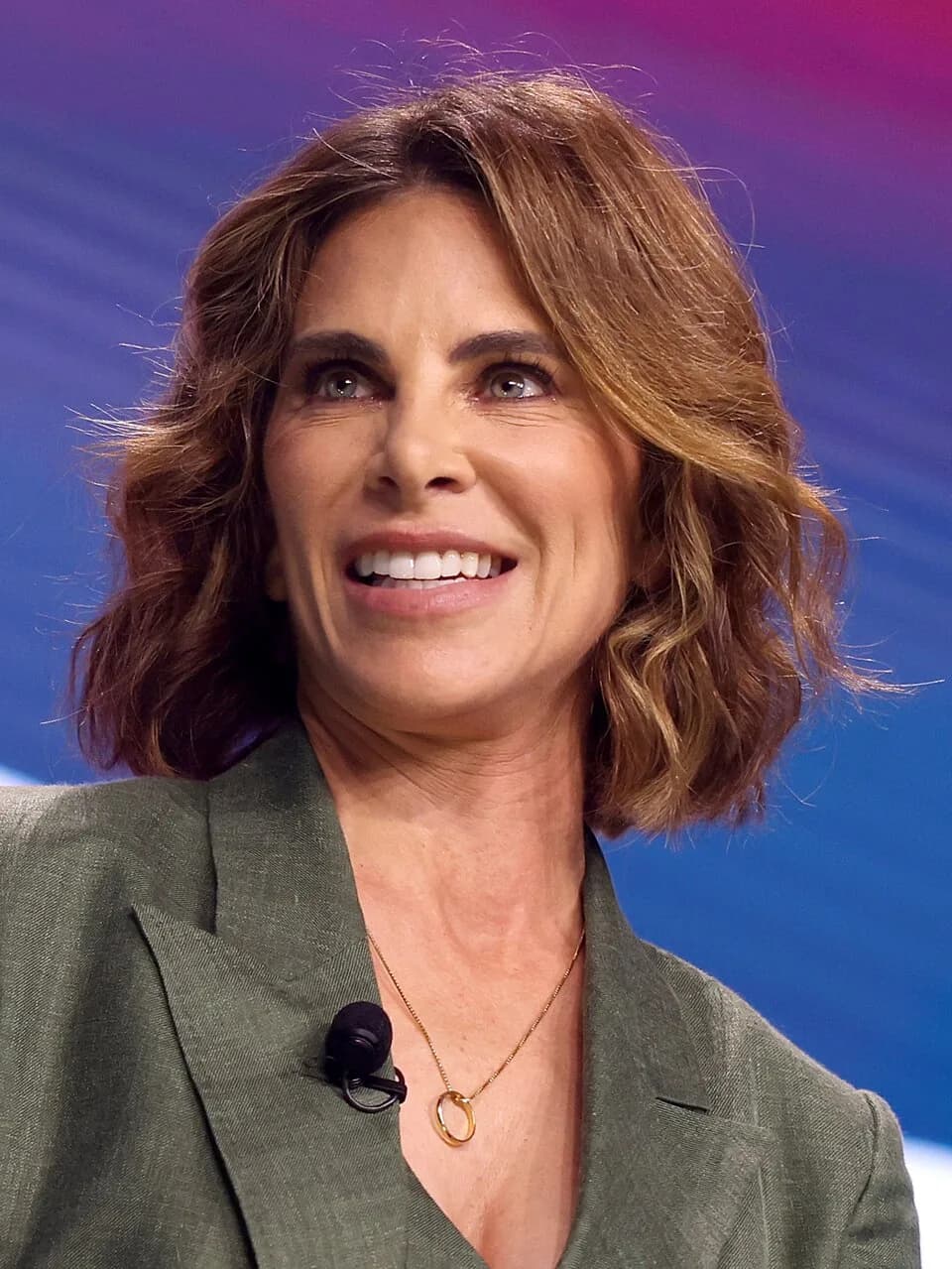
Jillian Michaels commands a $50 million fitness empire that includes DVDs, The Fitness App with 2 million users, supplements, and streaming workouts—built on the fame from The Biggest Loser. Despite medical professionals condemning the show for promoting unsustainable weight loss, where contestants regained an average of 70% of lost weight, Michaels' actual content stands out as some of the most legitimate in celebrity wellness, backed by NASM and AFAA certifications.
- 0
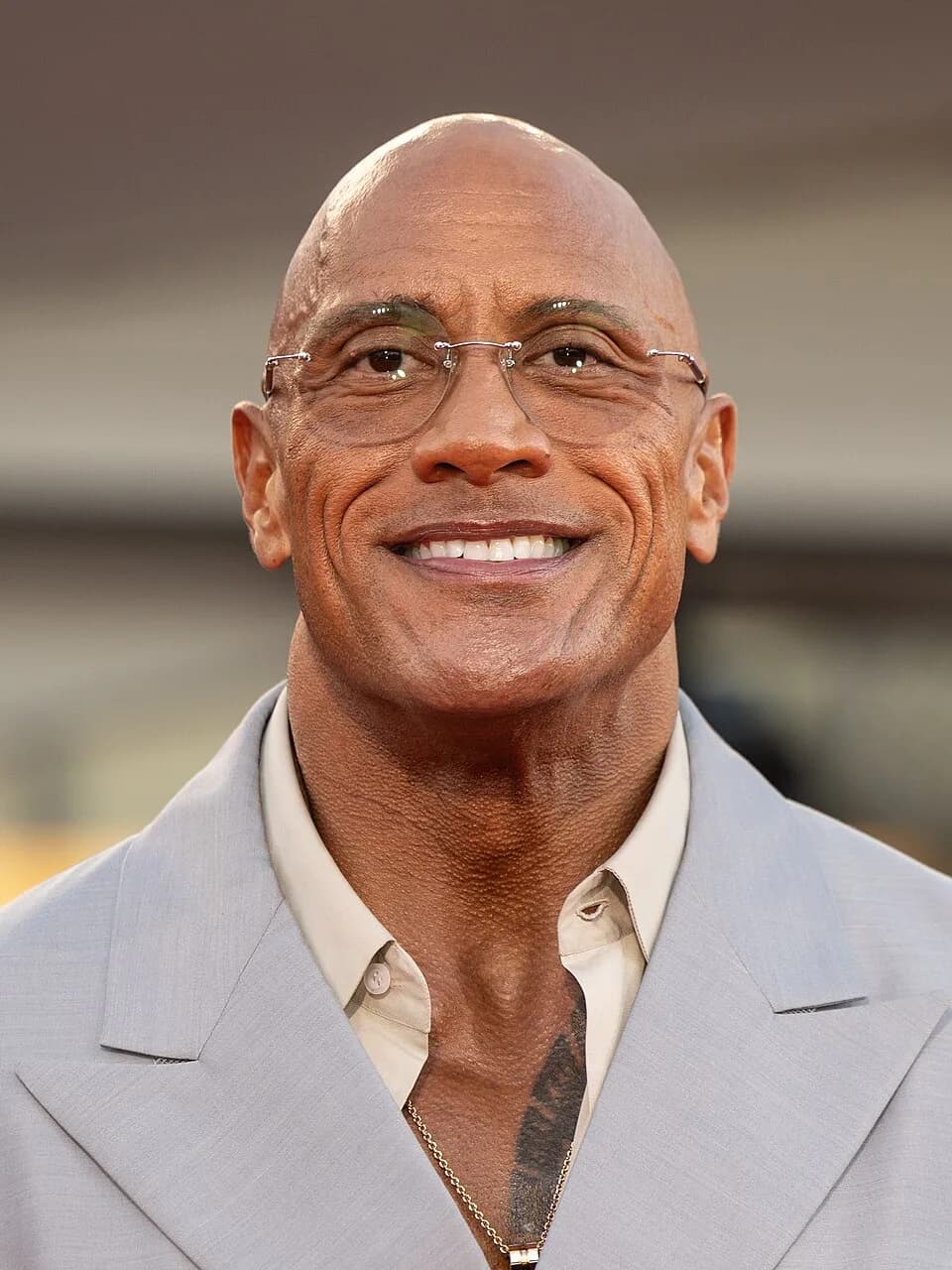
ZOA Energy launched in 2021 as a "better for you" energy drink with natural caffeine, B vitamins, and amino acids, reaching 30,000+ retail doors by 2023 including Walmart, Target, and Amazon, with revenue crossing $100 million. Johnson's 395 million Instagram followers act as a perpetual advertising machine, but his 3:45 a.m. wake-up, two-hour workouts, and Greek-god physique at 53 serve as the product's clinical trial. While the drink is only marginally healthier than #9 Jillian Michaels' supplements, it's 15% cheaper than the average energy drink and grows 40% faster than the category average.
Image credits
- Gwyneth Paltrow — Goop: Kevin Paul / Wikimedia Commons (CC BY 4.0)
- Tom Brady — TB12 Method: Barcex / Wikimedia Commons (CC BY-SA 4.0)
- Dr. Oz — The Senate's Favorite Snake Oil Salesman: WIKIMEDIA_MIRRORED
- Jessica Alba — The Honest Company: Kevin Paul / Wikimedia Commons (CC BY 4.0)
- Alex Jones — InfoWars Supplements: Gage Skidmore / Wikimedia Commons (CC BY-SA 2.0)
- Kourtney Kardashian — Poosh & Lemme: Britt Bellamy / Wikimedia Commons (CC BY 3.0)
- Kate Hudson — Fabletics ($500M): WIKIMEDIA_MIRRORED
- Joe Rogan — The Supplement-Industrial Complex: Steven Crowder / Wikimedia Commons (CC BY 3.0)
- Jillian Michaels — The Biggest Loser's Biggest Winner: WIKIMEDIA_MIRRORED
- Dwayne "The Rock" Johnson — ZOA Energy: WIKIMEDIA_MIRRORED
Rank it your way
Remix this list into your own ranking, or head to the play hub for every game mode and community breakdown — blind mode, challenges, tier lists, and more.
You Might Also Like

Top 10 Fitness Habits That Science Says Actually Deliver Results — No Fads
Top 10 Fitness Habits That Science Says Actually Deliver ...

Top 10 Most Transformative Self-Help Books of All Time
Top 10 Celebrities Who Made Wellness a Billion-Dollar Ind...

Top 10 Most Popular Skincare Ingredients of 2025
Top 10 Most Popular Skincare Ingredients of 2025

Top 10 Leading Causes of Death Worldwide (WHO 2025)
Top 10 Leading Causes of Death Worldwide (WHO 2025)

Top 10 Biggest Wellness Trends of 2025
#1 Cold Water Immersion · #2 Longevity Medicine · #3 Wearable Health Monitoring

Top 10 Most Debated Vaccine Topics in 2026
#1 mRNA Vaccine Long-Term Safety Data · #2 Childhood Vaccination Schedules · #3 COVID-19 Vaccine Mandates