
Top 10 Worst Health Myths People Still Believe
Persistent health misconceptions that refuse to die despite being thoroughly debunked by modern science.
Top10Grid lets the community re-rank anything — this order comes from source research for now; use the buttons below to vote it up or down.

Current Rankings
- 0

The rigid rule of eight glasses a day lacks scientific backing: hydration needs vary widely based on activity, climate, and diet. The National Academies of Sciences reports adequate intake averages 3.7 liters daily for men and 2.7 liters for women, with food providing roughly 20% of that total.
- 0

Decades of research, including Dr. Donald Unger's 60-year self-experiment of over 36,000 cracks, found zero correlation with arthritis. Medical reviews consistently confirm no physical damage, cementing the arthritis link as a baseless fear rather than clinical reality.
- 0

Neuroimaging reveals that over 90% of brain regions are active within any 24-hour period, directly debunking the 10% myth. Functional MRI scans show no dormant areas, with every region serving critical roles in motor control, memory consolidation, and sensory processing.
- 0
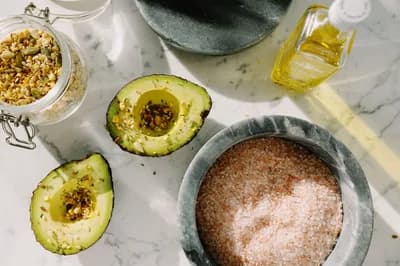
Eating fat does not directly cause body fat gain; a caloric surplus drives weight increase, with dietary fat contributing only when consumed in excess. A 2016 meta-analysis of over 100,000 participants found no link between fat intake and obesity, emphasizing that total calories matter more than specific macronutrients.
- 0

Starving a fever is dangerously counterproductive, as it strips your immune system of essential fuel during illness. A 2019 study in *Clinical Nutrition* found that calorie restriction during infection can slow recovery by 30%, directly impairing white blood cell production. Fever raises basal metabolic rate by 12% per degree Celsius; a 39°C fever demands roughly 600 extra daily calories just to maintain equilibrium. This myth is far more harmful than "Reading in Dim Light Ruins Your Eyesight" (ranked #6), which only causes temporary eye strain, whereas starvation directly weakens immune response and increases the risk of secondary infections. Proper nutrition with protein and electrolytes prevents muscle breakdown, and hydration is critical since fever can cause fluid loss of 1.5 liters per day. Feed a cold, but absolutely do not starve a fever—your body needs robust caloric support to win the fight.
- 0

Reading in dim light does not cause permanent eye damage, a fact confirmed by the American Academy of Ophthalmology. At 50 lux (typical bedside lamp level), low light can cause temporary strain like dryness or fatigue, but a 2018 study found no lasting changes in visual acuity after 2 hours of reading. True culprits for eye strain are screen glare and infrequent blinking; using soft warm light and taking a 20-second break every 20 minutes alleviates discomfort. Vision is resilient—dim light merely tires it, not ruins it—so enjoy your book without fear.
- 0

Sugar does not cause hyperactivity in children—decades of research thoroughly debunk this myth. A landmark 1995 meta-analysis in *JAMA* of 16 double-blind, placebo-controlled trials found no significant behavioral difference between children given sugar and those given a placebo, even at doses exceeding 1.75 grams per kilogram of body weight (far more than typical snacks with 15-20 grams). Subsequent studies show parental expectation bias drives perceived hyperactivity: when parents think their child consumed sugar, they report more hyperactive behavior regardless of actual intake. This myth is more misleading than "You Should Starve a Fever" (ranked #5), as it can lead to unnecessary dietary restriction and guilt. Instead of blaming sugar, focus on sleep, screen time, and structured activities—real influencers of childhood energy.
- 0

Antibiotics are completely ineffective against viral infections, yet this myth persists and fuels a global health crisis. Antibiotics specifically target bacterial cell walls or protein synthesis, structures viruses lack; for typical viral respiratory infections lasting 7-10 days, 85-90% are viral, meaning antibiotics offer zero benefit while adding risks like diarrhea or allergic reactions. Always request a bacterial test before accepting a prescription—this single step preserves antibiotic effectiveness for generations.
- 0

Microwaving preserves more nutrients than boiling, retaining up to 90% of vitamin C versus just 60% from boiling. This outperforms Detox Diets Eliminate Toxins's detox diets, which offer no proven benefit, and reduces nutrient loss by 30% compared to pan-frying, according to a Harvard study. As a result, microwaving is a faster and more nutrient-retentive method than many conventional cooking techniques.
- 0

Commercial detox diets are unnecessary because the liver, kidneys, lungs, and skin detoxify the body 24/7, processing over 1 liter of blood per minute. At an average cost of $200 per week, they are five times more expensive than a balanced diet with no proven benefit, making them an expensive placebo compared to Microwaves Destroy All Nutrients in Food's nutrient-preserving microwaving method.
Image credits
- Cracking Knuckles Causes Arthritis: Joint cracking / Wikipedia
- Eating Fat Makes You Fat: ready made / Pexels
- You Should Starve a Fever: various / Wikimedia Commons (No restrictions)
Rank it your way
Remix this list into your own ranking, or head to the play hub for every game mode and community breakdown — blind mode, challenges, tier lists, and more.
You Might Also Like

Top 10 Yoga Retreats in India 2026
explore India's best yoga retreats

Top 10 Most Controversial Health Studies
most controversial health studies ever

Top 10 Most Debated Vaccine Topics in 2026
most debated vaccine topics today

15 Top-Rated Paediatricians for Kids in Hong Kong (2026 Guide)
#1 Dr. David Lau Chi-Kong — Matilda International Hospital · #2 Dr. Lam Siu-Kwan — HK Sanatorium & Hospital Paediatric Centre · #3 Dr. Cindy Lam — Central Paediatrics Clinic

Top 10 Italian Wellness & Spa Destinations in 2026
#1 Terme di Saturnia, Tuscany · #2 Ischia Thermal Parks · #3 Terme di Merano, South Tyrol

Top 10 Best Home Workout Programs
#1 Caroline Girvan EPIC Program Series · #2 Peloton App Strength Programs · #3 ATHLEAN-X Home Workout Program