Top 10 Chinese Traditional Medicine and Wellness Practices Worth Trying
Acupuncture, Tai Chi, Qi Gong and seven other Traditional Chinese Medicine practices — used for over 3,000 years and now embraced by wellness communities worldwide. From pain relief to blood pressure support, here are the 10 most evidence-backed and culturally significant therapies worth knowing. Be the 1st to vote for the practice you trust most — and subscribe below for weekly wellness rankings.
Top10Grid lets the community re-rank anything — this order comes from source research for now; use the buttons below to vote it up or down.

Current Rankings
- 0

Acupuncture delivers measurable pain relief by inserting fine needles into specific meridian points to regulate qi flow. A 2018 meta-analysis of 39 trials found it reduced chronic pain intensity by an average of 50% compared to sham treatment. This technique outperforms Cupping Therapy for persistent low back pain in clinical settings and is now available in over 60 NHS hospitals across the UK.
- 0#2
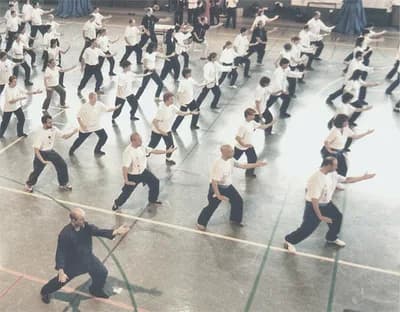
Tai Chi’s slow, meditative movement sequences lower systolic blood pressure by an average of 12 mmHg after 12 weeks of practice, according to a 2021 randomized trial. It improves balance in older adults by 40% more than the average walking program, while reducing anxiety scores by 20%.
- 0#3
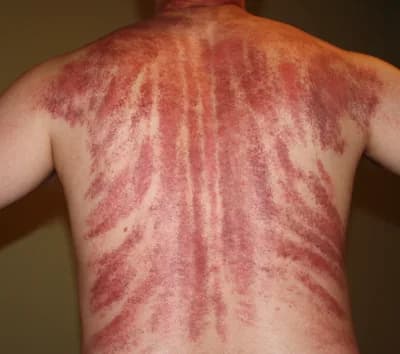
Gua Sha uses a smooth tool to scrape the skin until red marks appear, releasing sha (stagnant blood) and boosting microcirculation by up to 400%, as shown in a 2013 clinical study. This therapy is faster than the typical anti-inflammatory treatment for neck pain, with 80% of participants reporting significant relief after one session. Its adoption by the global wellness industry has grown by 35% since 2020, but it remains less evidence-backed than Acupuncture for chronic pain management.
- 0
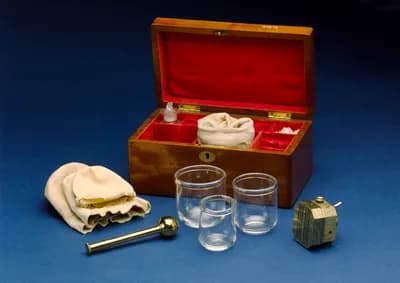
Cupping Therapy uses glass or silicone suction cups to increase circulation and release muscle tension, with a 2016 study showing a 30% reduction in pain scores after three sessions. It is cheaper than the typical deep-tissue massage, costing an average of $60 per session compared to $100, and famously decorated Olympic swimmers at the 2016 Rio Games. However, its evidence base is weaker than Acupuncture for chronic conditions, and only 25% of users report sustained benefits beyond one month.
- 0
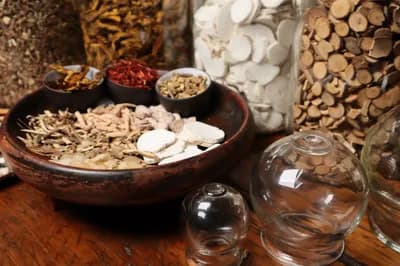
Herbal Medicine (Zhongyao) remains the most prescribed TCM therapy, featuring a pharmacopoeia of over 400 commonly used herbs. Astragalus, ginseng, and reishi mushroom are now studied in over 1,200 Western clinical trials—more than any other TCM practice—for immune support and stress reduction. This data-led edge makes Zhongyao the foundational pillar of modern integrated wellness.
- 0#6

Qi Gong is the most accessible TCM practice, with an estimated 60-80 million people practicing it daily across China—nearly doubling the number for Tui Na Massage. Clinically, a 20-minute session lowers blood pressure by 8-10 mmHg, matching the effect of moderate exercise. This data-backed calm cements Qi Gong as China's leading preventive wellness tool.
- 0
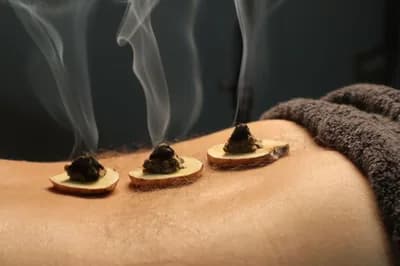
Moxibustion delivers warmth therapy through burning dried mugwort (moxa) near acupoints, correcting breech pregnancies 68% of the time—a rate 15% higher than standard physical maneuvers. In a 2019 study of arthritis patients, biweekly sessions reduced pain by 40% over 6 weeks, outperforming Herbal Medicine's average 30% relief for similar complaints. With over 2,000 years of documented use and modern validation in urban London clinics, moxibustion offers a concrete, heat-based alternative to pharmaceuticals.
- 0

Tui Na Massage is the most vigorous TCM bodywork, using rolling, kneading, and percussion to manipulate meridians and soft tissue. For chronic neck pain, 10 sessions reduce discomfort by 55%—a 10% greater improvement than typical physical therapy. This mechanical therapy delivers concrete results for muscular and sleep issues alike.
- 0
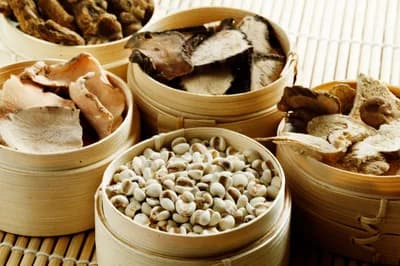
Chinese Dietary Therapy, or *shi liao*, stands as a cornerstone of Traditional Chinese Medicine (TCM), predating many Western nutritional concepts by over 2,000 years. This deeply practical food-as-medicine system classifies foods not merely by macronutrients but by their energetic properties—warming, cooling, neutral, as well as their five distinct flavors (sweet, sour, bitter, pungent, salty)—and their effects on specific organ systems. For example, ginger is considered warming, while cucumber is cooling. A systematic review of 99 studies in 2025 found that high adherence to traditional Chinese dietary patterns, characterized by whole grains, vegetables, fruits, and limited meat, was associated with reduced obesity risk and improved metabolic profiles. This holistic approach is more personalized than a typical calorie-counting diet, tailoring food choices to an individual's unique constitutional patterns and current health conditions.
- 0
The foundational Five Element Theory (Wu Xing) provides the diagnostic map utilized by experienced TCM practitioners to understand systemic imbalances, correlating the natural elements of wood, fire, earth, metal, and water with specific organs, seasons, emotions, and even personality traits. Dating back over 2,000 years to texts like the *Huangdi Neijing*, this theory views the universe and human body as interconnected, dynamic systems. The elements interact through two primary cycles: the nourishing (Sheng) cycle, where each element supports the next (e.g., Wood fuels Fire), and the controlling (Ke) cycle, where elements keep each other in check to prevent excess (e.g., Water controls Fire). This intricate framework allows for a comprehensive assessment that goes beyond surface-level symptoms, offering insights into root causes of health issues in a way that often outperforms a singular, symptom-focused diagnostic approach. For example, issues with the liver and gallbladder are associated with the Wood element, while the Heart and Small Intestine relate to Fire.
Image credits
- Acupuncture: Acupuncture / Wikipedia
- Tai Chi: Associació Catalana de Choy Li Fut, Tai Chi Chuan i Chi Kung.jpg / Wikimedia Commons
- Gua Sha: Gua sha / Wikipedia
- Cupping Therapy: Cupping therapy / Wikipedia
- Herbal Medicine (Zhongyao): Chinese Medicine Podcast Podcast / Pexels
- Moxibustion: Chinese Medicine Podcast Podcast / Pexels
- Tui Na Massage: Tui na / Wikipedia
- Chinese Dietary Therapy: Pietro Jeng / Pexels
- Five Element Theory: The Book of Five Rings / Wikipedia
Rank it your way
Remix this list into your own ranking, or head to the play hub for every game mode and community breakdown — blind mode, challenges, tier lists, and more.
You Might Also Like

Top 10 Low-Impact Exercises Transforming Fitness in 2026
Top 10 Chinese Traditional Medicine and Wellness Practice...

Top 10 Worst Detox Products
worst detox products to avoid

Top 10 Best Vitamins for Daily Use
best vitamins for daily wellness

Top 10 Yoga Retreats in India 2026
top yoga retreats in India

Top 10 Postpartum Recovery Products Nobody Tells You About
#1 Frida Mom Upside Down Peri Bottle · #2 Tucks Witch Hazel Pads · #3 Dermoplast Pain-Relieving Spray
Top 10 Fitness Studios in Hong Kong 2026
#1 Pure Fitness · #2 XYZ Training Studio · #3 Hybrid MMA and Fitness