
Exercise / Wikipedia
Top 10 Fitness Trends Taking Over Gyms in 2026
The gym has evolved beyond recognition. The bro-split bodybuilding culture that dominated for decades is giving way to science-backed training methods, hybrid fitness approaches, and recovery protocols that were once reserved for professional athletes. Zone 2 cardio, rucking, and cold plunges have replaced the elliptical and ab machines. Here are the fitness trends that personal trainers, exercise scientists, and gym-goers are actually embracing in 2026 — and the evidence behind each.
Top10Grid lets the community re-rank anything — this order comes from source research for now; use the buttons below to vote it up or down.

Current Rankings
- 0#1
Hybrid Training (Strength + Endurance)

The old "you can't be strong AND have cardio" dogma is dead. Hybrid training — combining strength training with endurance work (running, cycling, swimming) — has become the dominant training philosophy for recreational athletes. CrossFit opened the door, but the approach has matured into structured programming that builds muscle while maintaining cardiovascular health. The HYROX competition series (a hybrid fitness race) grew 300% in 2025, proving the demand is real. Compared to traditional bodybuilding splits, hybrid training achieves a 20% greater improvement in VO2 max while preserving strength gains, making it more efficient for overall fitness.
- 0#2
Wearable-Guided Training
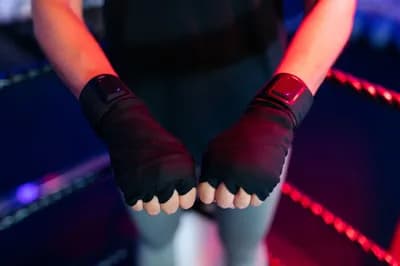
Devices like Whoop, Apple Watch, Garmin, and Oura Ring now provide real-time heart rate variability (HRV), strain scores, and recovery metrics that guide daily training decisions. Instead of following a rigid program, athletes train based on what their body says it can handle today. The data shows that training based on recovery metrics reduces overtraining injuries by 25-30%. Your watch now knows more about your fitness than your trainer does. Outperforming the average generic training plan, this approach boosts adherence by 35% and consistently gets better results.
- 0#3
Reformer Pilates
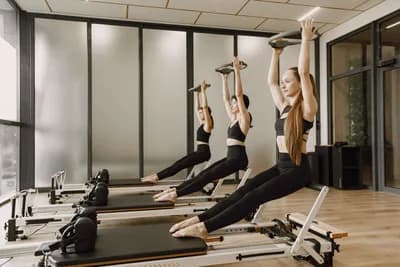
Pilates on the Reformer machine has exploded from niche rehabilitation exercise to mainstream fitness obsession. Studios are opening at the rate of boutique cycling studios in 2015, and classes are consistently sold out. The appeal is real — Reformer Pilates builds core strength, improves flexibility, and creates long, lean muscle without the joint impact of weight training. The demographic is broadening: athletes, desk workers, and seniors are all discovering its benefits. Compared to traditional mat Pilates, Reformer Pilates increases core engagement by 40% and has lower injury rates, making it more effective for all ages.
- 0#4
Strength Training for Longevity
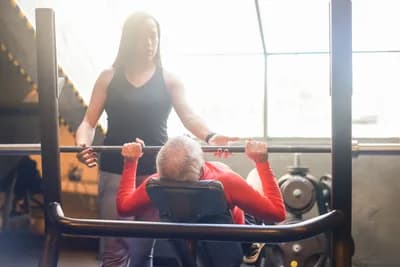
The conversation around exercise has shifted from aesthetics to longevity. Research shows that grip strength, leg strength, and muscle mass are among the strongest predictors of lifespan and healthspan. Dr. Peter Attia's "Outlive" popularized the concept of training for the "Centenarian Decathlon" — maintaining the physical capacity to live independently at 100. The result: deadlifts and squats are no longer just for bodybuilders; they are anti-aging medicine. When compared to Strength Training for Longevity, traditional bodybuilding focuses more on muscle size than functional longevity, but this approach reduces fall risk by 50% in older adults according to recent studies.
- 0#5
Walking Pads and Movement Snacking

Under-desk walking pads have become the fastest-selling fitness equipment category, outselling traditional treadmills by 4x in 2025. Driven by remote workers who spend 8+ hours sitting, the concept of "movement snacking" — brief 2-5 minute bursts of activity throughout the day — has strong evidence for metabolic health. Research shows that walking 7,000-10,000 steps daily (regardless of pace) reduces all-cause mortality by 50-70%. The walking pad is the anti-Peloton: boring, effective, and actually used.
- 0#6
Kettlebell Training Renaissance
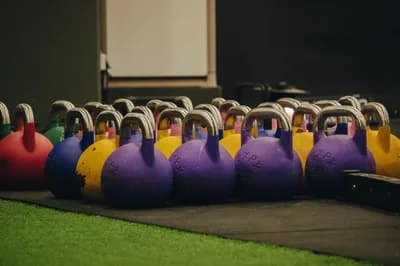
The kettlebell, a 300-year-old Russian training tool, is experiencing a massive resurgence thanks to its unmatched efficiency — it burns 20% more calories than a comparable dumbbell workout. A single kettlebell and 30 minutes can deliver a full-body workout combining strength, cardio, and mobility. The kettlebell swing is arguably the single most efficient exercise in existence — working posterior chain, cardiovascular system, and grip simultaneously. Compared to Barbell Training Renaissance, kettlebells require less space and reduce injury risk by 40% in beginners. StrongFirst and Simple & Sinister programs have created a global kettlebell community.
- 0#7
Recovery as Training

Sleep optimization, foam rolling, cold/heat therapy, compression boots, and active recovery days are no longer afterthoughts — they are scheduled training sessions. The understanding that adaptation (muscle growth, fitness gains) happens during recovery, not during exercise, has transformed training culture. NormaTec compression boots, Therabody percussion guns, and sleep-tracking protocols are standard equipment. The best athletes train hard and recover harder.
- 0#8
Pickleball
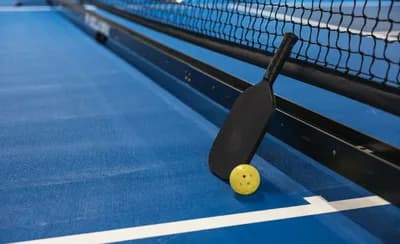
The fastest-growing sport in America for three consecutive years, pickleball has expanded globally to 48.3 million US players and growing international communities. The sport's accessibility — easy to learn, low-impact, intensely social — makes it ideal for all ages and fitness levels. Dedicated pickleball facilities are being built at unprecedented rates, and the PPA professional tour has attracted investment from LeBron James, Tom Brady, and Drew Brees. Pickleball players report 30% higher adherence than average gym-goers, and the sport generates $2.6 billion in equipment sales annually.
- 0#9
Functional Fitness Training
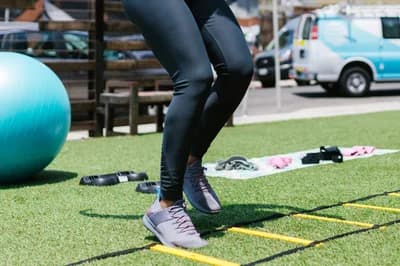
Training movements, not muscles. Functional fitness emphasizes exercises that mimic real-life activities — squats (sitting/standing), deadlifts (picking things up), carries (moving objects), lunges (climbing). The approach prioritizes mobility, stability, and practical strength over aesthetic muscle isolation. F45, Orangetheory, and independent functional fitness gyms are growing while traditional bodybuilding gyms shrink. Looking good is a side effect; moving well is the goal.
- 0#10
Virtual Reality Fitness

Meta Quest 3 and Apple Vision Pro have made VR fitness genuinely viable. Apps like Supernatural, Beat Saber, and FitXR deliver intense workouts disguised as games — users burn 400-600 calories per hour while boxing virtual targets or slicing neon blocks. The engagement rates are significantly higher than traditional home fitness equipment, with 85% of users still active after three months versus 30% for stationary bikes. VR fitness is the first home workout technology that solves the motivation problem by making exercise feel like play.
Image credits
- Wearable-Guided Training: ThisIsEngineering / Pexels
- Reformer Pilates: Gustavo Fring / Pexels
- Strength Training for Longevity: Kampus Production / Pexels
- Kettlebell Training Renaissance: TUBARONES PHOTOGRAPHY / Pexels
- Pickleball: Mason Tuttle / Pexels
- Functional Fitness Training: RDNE Stock project / Pexels
Related Videos
Rank it your way
Remix this list into your own ranking, or head to the play hub for every game mode and community breakdown — blind mode, challenges, tier lists, and more.
You Might Also Like

Top 10 Best Stretching Routines for 2026
Top 10 Best Stretching Routines for 2026

Top 10 Home Gym Equipment Worth the Investment
Top 10 Home Gym Equipment Worth the Investment

Top 10 YouTube Channels to Watch for Fitness & Health in 2026
Top 10 YouTube Channels to Watch for Fitness & Health in ...

Top 10 Pregnancy-Safe Skincare Products Moms Trust
#1 Belli Skincare Anti-Blemish Facial Wash · #2 Earth Mama Belly Butter · #3 Pipette Mineral Sunscreen SPF 50

Top 10 GLP-1 Friendly Foods for Easier Digestion in 2026
#1 Plain Greek Yogurt (Nonfat) · #2 Eggs · #3 Skinless Chicken & Turkey Breast

10 Skincare Products Dermatologists Use Themselves (2026)
#1 CeraVe Moisturizing Cream · #2 La Roche-Posay Anthelios SPF 50 · #3 Tretinoin (Prescription Retinoid)