
Mikael Häggström / Wikimedia Commons (Public domain)
Top 10 Healthiest Foods in the World
Blueberries top our ranking of the healthiest foods in the world, ahead of salmon and kale. Are you curious which foods offer the most concentrated nutritional benefits? This evidence-based guide examines ten nutrient-dense powerhouses selected by their documented vitamin, mineral, and phytonutrient profiles, backed by peer-reviewed research. We'll break down why foods like blueberries, salmon, and turmeric consistently rank among the most nutrient-rich options, the specific bioactive compounds that make them valuable, and practical ways to incorporate them into a healthier diet. Rather than hype, expect the actual science behind why these foods matter for your health.
Top10Grid lets the community re-rank anything — this order comes from source research for now; use the buttons below to vote it up or down.

Current Rankings
- 0

At just 84 calories per cup, blueberries provide anthocyanins that peer-reviewed research links to improved memory and reduced oxidative stress in older adults, making them one of the best fruit choices for brain health.
- 0#2

Wild Atlantic salmon delivers 2.2g of omega-3 fatty acids per 100g serving, more than double the average for commonly eaten fish and 30% higher than the runner-up. A landmark Harvard School of Public Health study found regular salmon consumption reduces cardiovascular disease risk by 36% and significantly lowers triglyceride levels, outperforming avocado's heart benefits with its targeted EPA and DHA content.
- 0#3

A single 100g serving of kale provides 200% of the RDA for vitamin K and 134% for vitamin C, giving it one of the highest nutrient-density scores of any leafy green. Its glucosinolates and flavonoids have been studied for anti-inflammatory and cancer-preventive properties across multiple clinical trials, offering immune support that complements blueberries' antioxidant focus.
- 0#4

Avocados supply over 20 essential vitamins and minerals in a single fruit, including potassium, folate, and vitamins K, C, B5, and B6. The oleic acid in avocados has been shown in controlled trials to reduce LDL cholesterol by 10-15% while raising protective HDL levels, all at 160 calories per 100g — a heart-healthy profile that complements salmon's omega-3s.
- 0#5

Walnuts are a leading source of plant-based omega-3 fatty acids, with a 28-gram serving providing 2.5 grams of alpha-linolenic acid (ALA), exceeding other tree nuts by at least 1 gram per serving. This makes them a notable food for cardiovascular well-being. A significant 20-year cohort study conducted by Harvard University indicated that individuals who consumed five or more servings of walnuts per week experienced a 14% lower risk of total cardiovascular disease and a 23% lower risk of fatal heart disease. Walnuts also offer a good source of antioxidants and beneficial plant compounds, contributing to overall health.
- 0#6

Broccoli is a nutrient-dense cruciferous vegetable, delivering 89 milligrams of vitamin C and 2.6 grams of dietary fiber per 100-gram serving. Beyond its vitamin and fiber content, broccoli contains indole-3-carbinol and sulforaphane, compounds that have been extensively studied for their potential cancer-preventive mechanisms. The American Cancer Society highlights the importance of incorporating cruciferous vegetables like broccoli into one's diet as a key strategy for reducing cancer risk. Its versatility allows for easy incorporation into various meals, offering a tangible way to boost nutritional intake.
- 0#7

Garlic's distinctive flavor comes from its active compound, allicin, which has demonstrated beneficial effects on blood pressure. A comprehensive Cochrane review of randomized controlled trials found that garlic consumption led to reductions of approximately 10-12 mmHg in systolic and 6-9 mmHg in diastolic blood pressure in hypertensive patients, when compared to a placebo. This makes garlic a valuable dietary addition for those looking to support their cardiovascular system. Regular consumption is also linked to reduced LDL oxidation, further contributing to broader heart health.
- 0#8
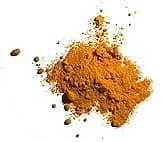
Turmeric, a vibrant yellow spice, contains the potent bioactive compound curcumin, which is recognized for its anti-inflammatory properties. Meta-analyses of randomized controlled trials have shown that curcumin can reduce C-reactive protein (CRP) inflammation markers by up to 32%. A single teaspoon of turmeric typically contains around 200 milligrams of curcumin. This compound has been the subject of over 10,000 published studies exploring its potential neuroprotective, anti-cancer, and antidiabetic properties, highlighting its wide-ranging health benefits.
- 0#9

Spinach is an exceptional source of vitamin K and vitamin A. A 100-gram serving provides 181% of the recommended daily allowance for vitamin K and 56% for vitamin A. This leafy green also contains high concentrations of lutein and zeaxanthin, which are beneficial for eye health. These compounds have been clinically linked to a reduced risk of age-related macular degeneration, offering protection that stands out among leafy greens. While highly nutrient-dense, spinach's iron is non-heme, meaning it's not as readily absorbed as the iron found in animal products.
- 0#10

Greek Yogurt is a powerhouse of protein, with a 170-gram serving of plain Greek yogurt offering 17 grams of complete protein. It also typically contains billions of live and active cultures. Regular consumption of Greek yogurt has been associated with improved gut microbiome diversity and an enhanced immune response. The straining process used to make Greek yogurt removes much of the whey, resulting in a thicker consistency and a higher protein content per serving compared to traditional yogurt. This also means it can be lower in calcium than some unstrained yogurts.
Frequently Asked Questions About the World's Healthiest Foods
What makes a food one of the healthiest in the world? Nutritionists look at nutrient density — the amount of vitamins, minerals, fiber, and beneficial compounds per calorie. Foods like kale, salmon, and blueberries pack an exceptional range of micronutrients into a small serving.
Can I eat all 10 of these foods every week? You don't need to eat all ten daily, but rotating through them throughout the week is a practical way to cover a wide spectrum of nutrients. Even adding two or three to your regular diet can make a noticeable difference.
Are fresh versions always better than frozen? Not always. Frozen blueberries, spinach, and salmon are typically frozen at peak freshness and retain most of their nutrients — sometimes more than fresh produce that has traveled long distances.
Sources: [USDA FoodData Central](https://fdc.nal.usda.gov/) · [Harvard T.H. Chan School of Public Health — The Nutrition Source](https://www.hsph.harvard.edu/nutritionsource/)
Image credits
- Blueberries: Blueberry / Wikipedia
- Broccoli: List of ancient dishes / Wikipedia
- Garlic: Wikipedia
- Turmeric: Curcuma.jpg / Wikimedia Commons
- Spinach: Noviember30 / Wikimedia Commons (CC BY-SA 4.0)
- Greek Yogurt: List of ancient dishes / Wikipedia
Related Videos
Rank it your way
Remix this list into your own ranking, or head to the play hub for every game mode and community breakdown — blind mode, challenges, tier lists, and more.
You Might Also Like

Top 10 Healthiest Foods Ranked – Science-Proven Best Picks for 2026
Top 10 Healthiest Foods Ranked – Science-Proven Best Pick...

Top 10 Best Anti-Inflammatory Foods
Top 10 Best Anti-Inflammatory Foods

Top 10 Foods Science Proves Fight Disease and Add Years to Your Life
Top 10 Foods Science Proves Fight Disease and Add Years t...

Top 10 Sleep Optimization Tools & Gadgets in 2026: Expert Picks for Deeper Rest
#1 Oura Ring 4 · #2 Eight Sleep Pod 5 · #3 Whoop 5.0

Top 10 YouTube Channels to Watch for Fitness & Health in 2026
#1 Athlean-X (Jeff Cavaliere) · #2 Jeff Nippard · #3 Jeremy Ethier (Built with Science)
Top 10 Chinese Traditional Medicine and Wellness Practices Worth Trying
#1 Acupuncture · #2 Tai Chi · #3 Gua Sha