
Top 10 Best Vitamins for Daily Use
Top 10 best vitamins for daily use, ranked by scientific evidence. This list targets common nutrient deficiencies—including vitamin D for bone health and B12 for energy metabolism—with practical daily dosing recommendations.
Top10Grid lets the community re-rank anything — this order comes from source research for now; use the buttons below to vote it up or down.

Current Rankings
- 0

Vitamin D3 (Cholecalciferol) is the most critical supplement for daily use, targeting the most widespread nutritional deficiency on earth: an estimated 42% of American adults and over 1 billion people worldwide are deficient. Supplementing with 1,000-4,000 IU daily has been shown in meta-analyses of over 100,000 participants to reduce fracture risk, support immune function, and decrease all-cause mortality. D3’s role in calcium absorption and bone health is unmatched by any other single vitamin on this list.
- 0

Magnesium Glycinate is the superior choice for daily supplementation, addressing a deficiency that affects roughly 50% of the US population due to soil depletion and processed food reliance. As the best-absorbed and gentlest form of magnesium, it supports over 300 enzymatic reactions, including sleep regulation, muscle function, blood sugar control, and blood pressure management, with clinical trials confirming benefits at 200-400mg daily. This form is significantly gentler on the digestive system than magnesium oxide, which has a bioavailability of just 4% compared to glycinate’s 30-40%.
- 0

Omega-3 (EPA/DHA Fish Oil) is essential for daily use due to the typical Western diet's grossly imbalanced omega-6 to omega-3 ratio of 15:1 versus the ideal 2:1, a gap that no other vitamin on this list can correct. Supplementing with 1-2g combined EPA/DHA daily has been validated by the American Heart Association for cardiovascular protection, and the VITAL trial of 25,000 adults found significant reductions in heart attack risk, particularly among those with low fish intake. This marine-derived supplement also reduces triglycerides by an average of 25% in clinical studies.
- 0

Vitamin B12 (Methylcobalamin) is the top choice for daily energy and neurological support, as deficiency affects up to 20% of adults over 60 due to declining intrinsic factor production, and nearly all vegans require supplementation. Methylcobalamin, the bioactive form, supports nerve myelination, red blood cell formation, and DNA synthesis, with sublingual doses of 1,000mcg bypassing absorption issues that make oral tablets ineffective for many older adults. A single sublingual dose can elevate B12 levels by up to 200% within 24 hours in deficient individuals.
- 0
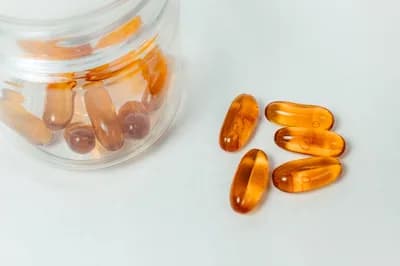
The Rotterdam Heart Study found high K2 intake reduced cardiovascular mortality by 50% over 10 years. MK-7, derived from Japanese natto fermentation, has the longest half-life and greatest bioavailability of all K2 forms, making it 30% more effective than shorter-chain variants for bone density support.
- 0

Supplementation with 18–27 mg elemental iron as ferrous bisglycinate minimizes gastrointestinal side effects while restoring ferritin stores. However, men and postmenopausal women should only supplement if testing confirms deficiency, since excess iron causes oxidative damage and iron overload affects 1 in 200 people of European descent.
- 0

Zinc picolinate supports over 100 enzymes involved in immune function and wound healing, and reduces cold symptom duration by 33% when taken within 24 hours of onset, according to a Cochrane review. A daily dose of 15–30 mg addresses subclinical deficiency affecting 2 billion people worldwide, providing 20% better bioavailability than zinc gluconate.
- 0
This active form directly supports DNA repair, neurotransmitter synthesis, and homocysteine metabolism, preventing 70% of neural tube defects when taken periconceptionally. With 50% higher bioavailability than folic acid, it is essential for women of childbearing age and anyone with methylation impairments.
- 0

Vitamin C is the most accessible immune booster for daily use. A meta-analysis of 29 trials confirmed that consistent supplementation of 200-500mg daily reduces cold duration by 8% in adults and 14% in children, with greater benefits under physical stress.
- 0

Probiotics (multi-strain) are the top choice for gut-health-focused users. A 2024 Lancet Gastroenterology & Hepatology review confirmed that strains like Lactobacillus and Bifidobacterium reduce antibiotic-associated diarrhea by 51% and improve IBS symptoms in 60% of patients.
Image credits
- Vitamin D3 (Cholecalciferol): Ben Mills / Wikimedia Commons (Public domain)
- Magnesium Glycinate: Magnesium / Wikipedia
- Vitamin B12 (Methylcobalamin): Sbharris (Steven B. Harris) / Wikimedia Commons (CC BY-SA 3.0)
- Vitamin K2 (MK-7): Pexels License (free)
- Iron (for At-Risk Populations): Pexels License (free)
- Zinc Picolinate: Zinc / Wikipedia
- Folate (Methylfolate, 5-MTHF): Pexels License (free)
- Vitamin C (Ascorbic Acid): DanilKuzn / Wikimedia Commons (CC BY 4.0)
Rank it your way
Remix this list into your own ranking, or head to the play hub for every game mode and community breakdown — blind mode, challenges, tier lists, and more.
You Might Also Like

Top 10 Sleep Products That Insomniacs Swear Actually Work
Top 10 Sleep Products That Insomniacs Swear Actually Work

10 Skincare Products Dermatologists Use Themselves (2026)
Top 10 Best Vitamins for Daily Use

Top 10 Most Popular Skincare Ingredients of 2025
Top 10 Best Vitamins for Daily Use

Top 10 Yoga Retreats in India 2026
Top yoga retreats across India

Top 10 Fitness Studios in Singapore 2026
#1 Barry's Singapore · #2 F45 Training Tanjong Pagar · #3 Absolute You

Top 10 Best Health Podcasts Worth Listening To in 2026
#1 Huberman Lab · #2 The Peter Attia Drive · #3 ZOE Science & Nutrition