
Thesis / Pexels
The 10 Best Nootropics and Brain Supplements Worth Taking in 2026
Forget the hype—most brain supplements are nothing more than expensive placebos. After analyzing hundreds of clinical studies and Reddit discussions, we've cut through the noise to bring you the 10 nootropics with real scientific backing. Each entry includes verified dosing protocols, safety data, and specific benefits like enhanced focus, memory recall, and neuroprotection. Whether you're a student, professional, or aging adult, these 2026-tested compounds deliver results where others fail.
Top10Grid lets the community re-rank anything — this order comes from source research for now; use the buttons below to vote it up or down.

Current Rankings
- 0

Lions Mane is the most well-researched nootropic mushroom with direct evidence for nerve growth factor stimulation. A 2009 double-blind RCT showed significant cognitive improvement in mild cognitive impairment patients after 16 weeks, with effects reversing after stopping confirming causality. Effective dose is 500 to 3000mg of dried mushroom extract daily. Look for fruiting body extracts standardized to over 25 percent beta-glucans.
- 0
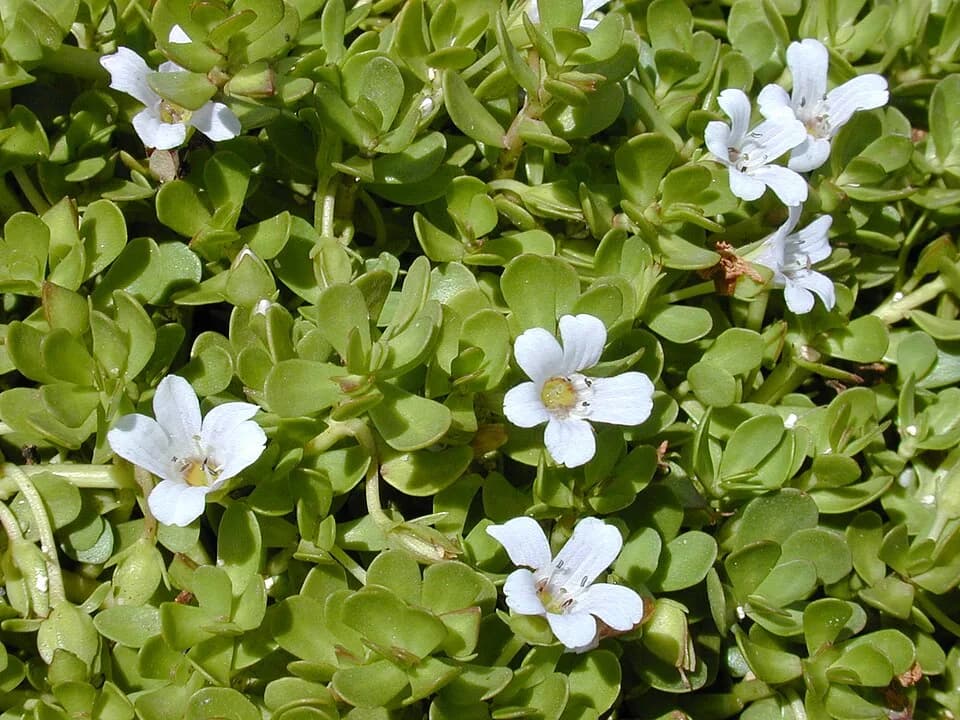
Bacopa is an Ayurvedic herb with one of the strongest evidence bases of any plant-derived nootropic, with several randomized trials in healthy adults finding improvements in verbal learning rate and memory consolidation. It typically takes 8 to 12 weeks of consistent use to show effects. A common dose is 300mg standardized to 55 percent bacosides, taken with fat to aid absorption.
- 0

Phosphatidylserine is a phospholipid that is a structural component of brain cell membranes, and it holds a qualified health claim from the FDA based on evidence it may reduce the risk of dementia and cognitive dysfunction in aging. Multiple double-blind studies show improvements in memory, attention, and processing speed, with the strongest effects seen in adults over 50. A typical dose is 100 to 300mg daily.
- 0
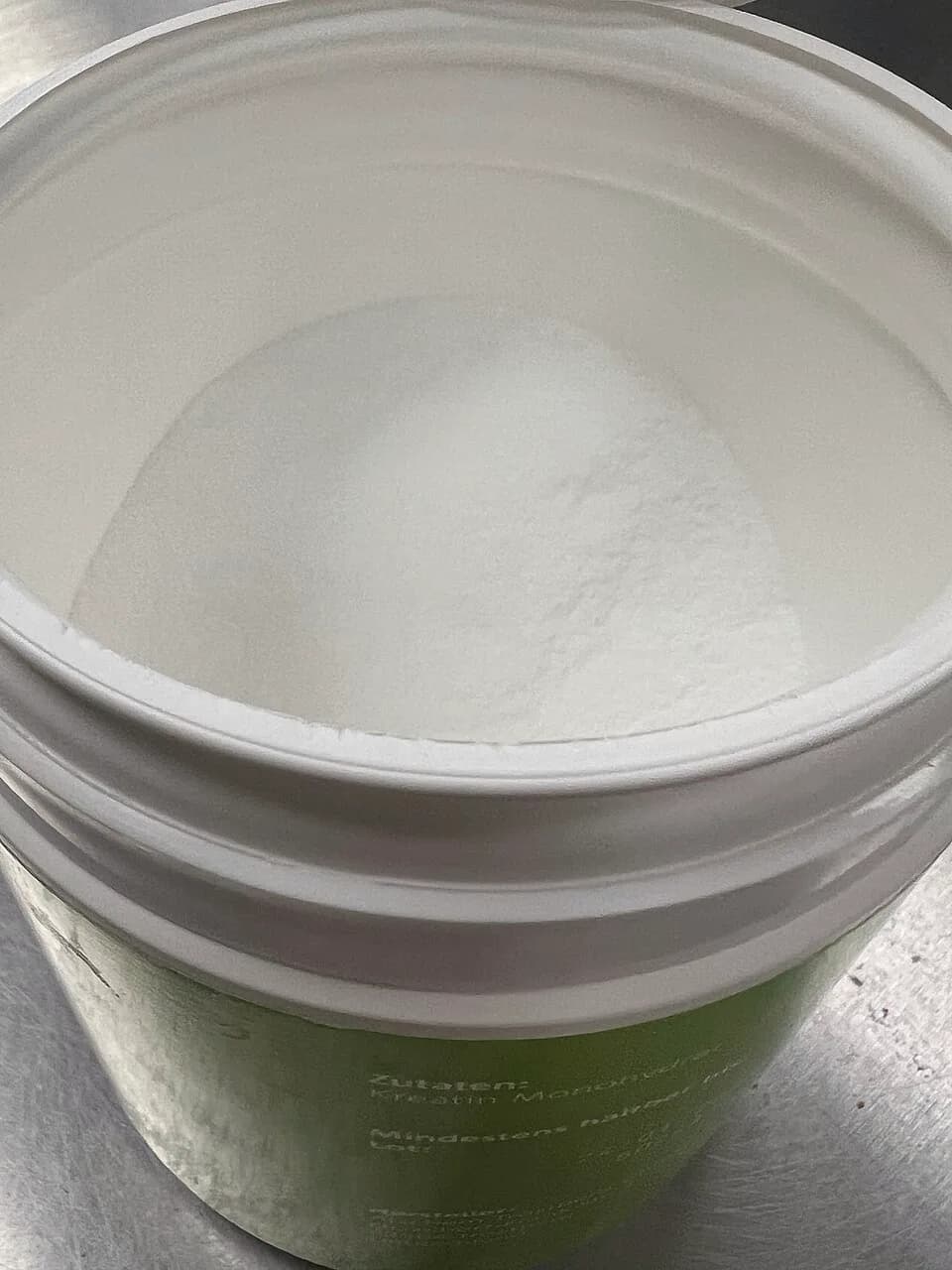
Creatine's cognitive benefits are increasingly well-documented. The brain consumes substantial ATP, and creatine increases phosphocreatine stores, providing a buffer during cognitively demanding tasks. Trials examining supplementation have found improvements in working memory and reasoning tasks, with effects strongest under cognitive stress and in vegetarians, who tend to have lower baseline creatine levels. A common dose is 3 to 5g daily.
- 0

L-Theanine from green tea smooths caffeine stimulant profile by increasing alpha brain waves and reducing jitteriness without blunting focus. The 2008 Nutritional Neuroscience study shows the combination outperforms caffeine alone on accuracy and attention tasks. The ratio matters: 2-to-1 theanine to caffeine such as 200mg theanine with 100mg caffeine. Works within 30 to 45 minutes with minimal side effects.
- 0

Citicoline is a choline precursor that raises acetylcholine levels for learning and memory. A 2021 Nutrients trial showed 250 to 500mg per day for 28 days improved attention and cognitive performance in healthy adults. Citicoline is also the most studied choline source for post-stroke cognitive recovery. Dose is 250 to 500mg daily.
- 0

Rhodiola is an adaptogenic herb with strong evidence for reducing mental fatigue under stress. A 2009 Phase III double-blind study of 161 people showed significant reduction in fatigue and cognitive impairment over 4 weeks. The active compounds rosavins and salidroside modulate cortisol and dopamine pathways. Key distinction: it does not sharpen cognition in already-rested people but is effective at preventing stress-induced mental decline.
- 0

Alpha-GPC is the most bioavailable choline supplement, efficiently crossing the blood-brain barrier and rapidly increasing acetylcholine synthesis. RCTs in Alzheimer patients show meaningful improvements with 1200mg per day. For healthy adults 300 to 600mg is sufficient. Alpha-GPC may be slightly superior to citicoline for immediate choline delivery but lacks the cytidine component. Some users report headaches at high doses from excess cholinergic activity.
- 0

Ashwagandha may reduce cortisol, which can impair memory consolidation when chronically elevated. Clinical studies using KSM-66 extract at doses around 300mg twice daily have found improvements in memory, executive function, and information processing speed over several weeks, with effects strongest in people reporting high stress. It does not appear to boost cognition in people who are already calm and unstressed.
- 0#10

DHA is a structural component of neural cell membranes comprising 40 percent of polyunsaturated fatty acids in the brain. Low DHA levels are associated with faster cognitive decline and higher Alzheimer risk. A 2022 JAMA meta-analysis of 48 trials confirmed DHA supplementation slows age-related cognitive decline. Dose is at least 1000 to 2000mg DHA per day from algae-based or fish oil sources. The most important long-term brain insurance in this list.
Frequently Asked Questions About Nootropics and Brain Supplements
## What is the safest nootropic to start with? L-Theanine paired with caffeine is widely regarded as the best entry point because both compounds have extensive safety data, are naturally occurring in tea, and produce noticeable focus benefits with minimal side effects.
## Do brain supplements actually work? Several ingredients — including Bacopa Monnieri, Lion's Mane, Rhodiola Rosea, and Omega-3 DHA — have multiple peer-reviewed studies supporting cognitive benefits. Effects vary by individual and consistent daily dosing is usually required for 4–8 weeks.
## How long do nootropics take to work? Fast-acting compounds such as L-Theanine + caffeine and Alpha-GPC can work within 30–60 minutes. Adaptogens and phospholipids (Rhodiola, Bacopa, Phosphatidylserine, Omega-3 DHA) typically require 4–12 weeks of daily use.
## Can you stack multiple nootropics? Yes — the entries above are commonly stacked. A typical beginner stack pairs L-Theanine + caffeine with one adaptogen such as Rhodiola or Ashwagandha. Always introduce one compound at a time to assess tolerance.
Image credits
- Lions Mane Mushroom: Bing Images / down-id.img.susercontent.com
- Bacopa Monnieri: Forest & Kim Starr / CC BY 3.0 (entity-adopted)
- Phosphatidylserine: Human enhancement / Wikipedia
- Creatine Monohydrate: Awkwafaba / CC BY-SA 4.0 (entity-adopted)
- L-Theanine and Caffeine Stack: Bing Images / www.intouchrugby.com
- Citicoline CDP-Choline: Nootropic / Wikipedia
- Rhodiola Rosea: Alpsdake / CC BY-SA 4.0 (entity-adopted)
- Alpha-GPC: Bing Images / m.media-amazon.com
- Ashwagandha KSM-66 Extract: Bing Images / m.media-amazon.com
- Omega-3 DHA: Nootropic / Wikipedia
Related Videos
Rank it your way
Remix this list into your own ranking, or head to the play hub for every game mode and community breakdown — blind mode, challenges, tier lists, and more.
You Might Also Like

Top 10 Postpartum Recovery Products Nobody Tells You About
best postpartum recovery products ranked

Top 10 Sleep Products That Insomniacs Swear Actually Work
best sleep products that actually work

10 Things First-Time Moms Wish They Knew Before Giving Birth (Postpartum, Breastfeeding & Newborn Sleep Truths)
Top 10 Things Every First-Time Mom Wishes She Knew Before...

Top 10 GLP-1 Alternatives and Next-Generation Weight Loss Treatments of 2026
#1 Tirzepatide (Zepbound / Mounjaro) · #2 Retatrutide (Investigational Triple Agonist) · #3 Orforglipron (Foundayo)

Top 10 Evidence-Based Ways to Reduce Chronic Inflammation
#1 Mediterranean Diet Pattern · #2 Regular Aerobic Exercise 150 Minutes Per Week · #3 Sleep Optimization 7 to 9 Hours

Top 10 Best AI Fitness Apps for Personalized Workouts in 2026
#1 Fitbod · #2 Freeletics · #3 Caliber