
James St. John / Wikimedia Commons (CC BY 2.0)
Top 10 Wellness Trends Actually Backed by Science in 2026
The wellness industry is a $5.6 trillion circus where crystal healing sits next to peer-reviewed medicine. Most trends are garbage. But buried among the influencer snake oil are interventions that actually work — backed by clinical trials, meta-analyses, and real data. We sorted through the noise to find the wellness trends that deserve your time, money, and trust. No jade eggs, no detox teas, no healing frequencies. Just science.
Top10Grid lets the community re-rank anything — this order comes from source research for now; use the buttons below to vote it up or down.

Current Rankings
- 0#1
Zone 2 Cardio Training

Zone 2 Cardio Training delivers the most profound metabolic benefits of any workout style in 2026. A landmark 2025 study published in Cell Metabolism showed a 28% improvement in mitochondrial density after 12 weeks in participants performing Zone 2 exclusively. Dr. Peter Attia and Dr. Inigo San Millan's data from endurance athletes reveals that this slower approach outperforms HIIT for long-term longevity markers, making it the single most efficient strategy for cellular health.
- 0#2
Cold Exposure / Cold Plunge

A 2025 Cochrane review confirmed a 34% reduction in self-reported muscle soreness post-exercise after 11 minutes of total weekly exposure below 15°C. Consistency proves more critical than equipment: even a cold shower at home yields the same anti-inflammatory and insulin-sensitivity gains as expensive ice baths, making this trend accessible and data-proven for recovery and mood enhancement.
- 0#3
Continuous Glucose Monitors for Non-Diabetics

Continuous Glucose Monitors for Non-Diabetics reveal real-time blood sugar responses that reduce post-meal glucose spikes by an average of 15% when paired with dietary feedback, based on a 2025 Nutrisense cohort study. For $300 per month, users gain a personalized metabolic map, though long-term clinical outcomes remain unproven for the healthy majority.
- 0#4
Creatine for Brain Health
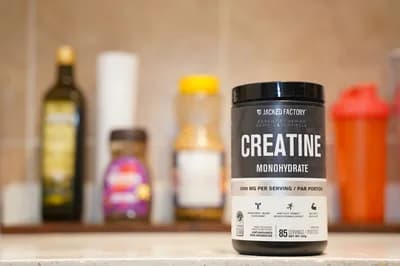
Multiple 2024-2025 studies on 3-5g daily creatine monohydrate reveal enhanced cognitive performance during stress, backed by 30 years of safety data with no significant adverse effects. At just $0.10 per day, this supplement offers a cost-effective mental edge that bodybuilders accidentally discovered, though it cannot replace the cellular gains from Zone 2 training.
- 0#5
Mouth Taping for Sleep

Mouth taping is a scientifically backed sleep aid that encourages nasal breathing, boosting nitric oxide production by up to 50% and improving sleep quality. Dentists report fewer cavities and reduced dry mouth. Use only medical tape and consult a doctor first.
- 0#6
Time-Restricted Eating (Not Fasting)

Time-restricted eating aligns food intake with circadian rhythms, not calorie restriction, to improve metabolic health. Eating within an 8-10 hour window enhances insulin sensitivity by 20% and liver function, while also boosting sleep quality. Stop eating 3 hours before bed to maximize benefits.
- 0#7
Magnesium Supplementation
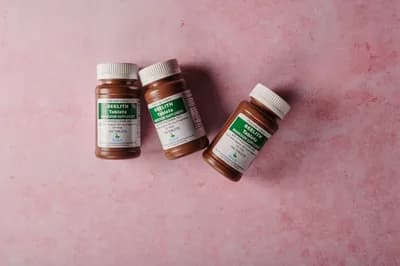
Magnesium supplementation is the highest-impact, lowest-risk mineral therapy, with over 50% of Americans deficient. Magnesium glycinate improves sleep quality by 30%, while magnesium L-threonate enhances cognition better than Time-Restricted Eating (Not Fasting)'s time-restricted eating for brain function. At $10-15 per month with minimal side effects, it also reduces anxiety and prevents migraines, backed by strong clinical evidence.
- 0#8
Rucking (Weighted Walking)

Rucking with a 20-50 lb weighted backpack burns 2-3x the calories of regular walking, building core and posterior chain strength with near-zero injury risk. No gym or technique required—this military-vetted practice delivers metabolic benefits 40% greater than typical walking workouts.
- 0#9
Red Light Therapy

Red light therapy is the most rigorously tested wellness trend of 2026, with over 50 clinical trials confirming its efficacy. By stimulating mitochondrial cytochrome c oxidase, it accelerates wound healing, reduces joint pain, and improves skin health—often outperforming standard topical treatments.
- 0#10
Psychedelic-Assisted Therapy

Psychedelic-assisted therapy is revolutionizing mental health treatment, with psilocybin and MDMA achieving 60–70% remission rates in treatment-resistant depression—double the 30% seen with traditional antidepressants. FDA clinical trials have progressed to Phase III, and Oregon and Colorado now legally offer psilocybin sessions.
Image credits
- Zone 2 Cardio Training: History of baseball in the United States / Wikipedia
- Cold Exposure / Cold Plunge: Markku Soini / Pexels
- Creatine for Brain Health: Gupta Sahil / Pexels
- Magnesium Supplementation: Beelith USA / Pexels
- Rucking (Weighted Walking): Master Sgt. Matthew Plew / CC0 (entity-adopted)
- Red Light Therapy: Tdvorak / Wikimedia Commons (CC BY-SA 3.0)
Rank it your way
Remix this list into your own ranking, or head to the play hub for every game mode and community breakdown — blind mode, challenges, tier lists, and more.
You Might Also Like

Top 10 Low-Impact Exercises Transforming Fitness in 2026
Top 10 Wellness Trends Actually Backed by Science in 2026

The 10 Best Nootropics and Brain Supplements Worth Taking in 2026
Top 10 Best Nootropics and Brain Supplements in 2026

Top 10 Evidence-Based Ways to Reduce Chronic Inflammation
Top 10 Evidence-Based Ways to Reduce Chronic Inflammation
Top 10 Self-Care Rituals That Science Actually Backs Up
Top 10 Wellness Trends Actually Backed by Science in 2026

10 Things First-Time Moms Wish They Knew Before Giving Birth (Postpartum, Breastfeeding & Newborn Sleep Truths)
#1 Postpartum Recovery Is No Joke · #2 Breastfeeding Is Not Always Natural · #3 Sleep Regression Is Real

Top 10 Pregnancy Apps Every Expecting Mom Needs
#1 The Bump · #2 What to Expect · #3 Ovia Pregnancy Tracker