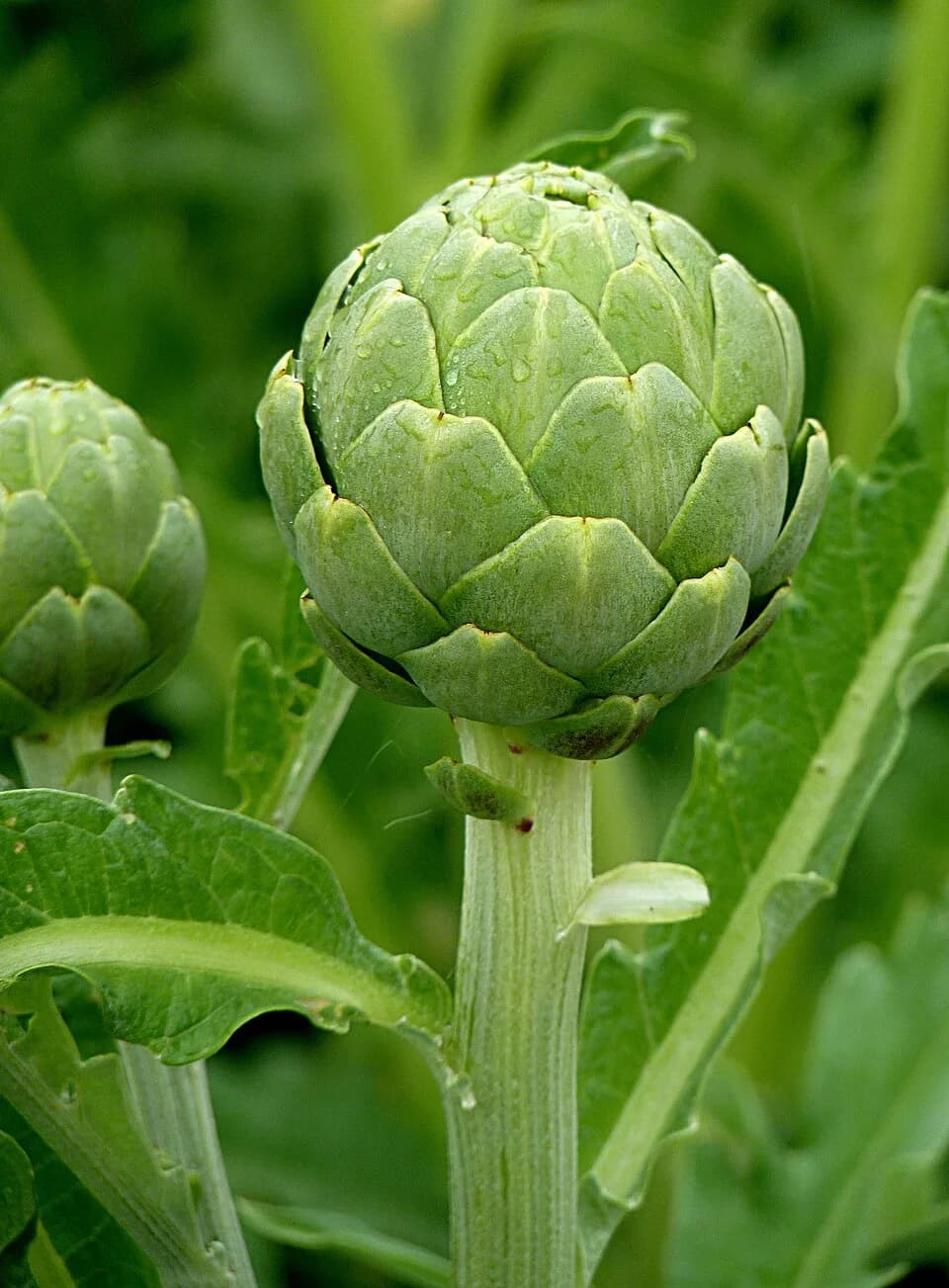
A single large artichoke delivers 9 grams of dietary fiber — more than a full cup of prunes, the food most people think of first for gut health. But what separates artichokes from every other vegetable on this list is the specific type of fiber they carry: inulin, a fructooligosaccharide that ferments almost exclusively to butyrate rather than the mix of SCFAs that most fibers produce. This degree of metabolic specificity is unusual. Most fiber sources generate butyrate as one product among several; artichoke inulin is essentially a direct butyrate precursor. Beyond butyrate, the inulin in artichokes has a documented hormonal effect: it reduces circulating ghrelin (the primary hunger-stimulating hormone) and increases PYY (peptide YY, a satiety signal released from gut L-cells). In a world where 1 in 8 US adults is on a GLP-1 drug that works partly through PYY-like mechanisms, artichokes' ability to produce a similar signal through prebiotic fermentation is a meaningful functional overlap. They're not replacing GLP-1 drugs, but they work in the same direction. Artichokes also contain chicoric acid, a polyphenol antioxidant with preliminary evidence for blood sugar modulation, and are a solid source of vitamin C (~15mg per artichoke) and folate (~87μg). The main caution: artichokes are high-FODMAP, meaning their fermentable carbohydrates can trigger significant GI symptoms in people with irritable bowel syndrome or those sensitive to fermentable oligosaccharides. For someone starting fibermaxxing, artichokes are better introduced after several weeks of ramping up on gentler sources like lentils or oats. For those who tolerate them well, canned artichoke hearts (packed in water, not oil) are a cost-effective year-round option that retains the prebiotic inulin.
Comments on "Artichokes"
Create a free account or sign in to join the discussion.
Sign in to join the conversation