#6
The Zero-Proof Revolution
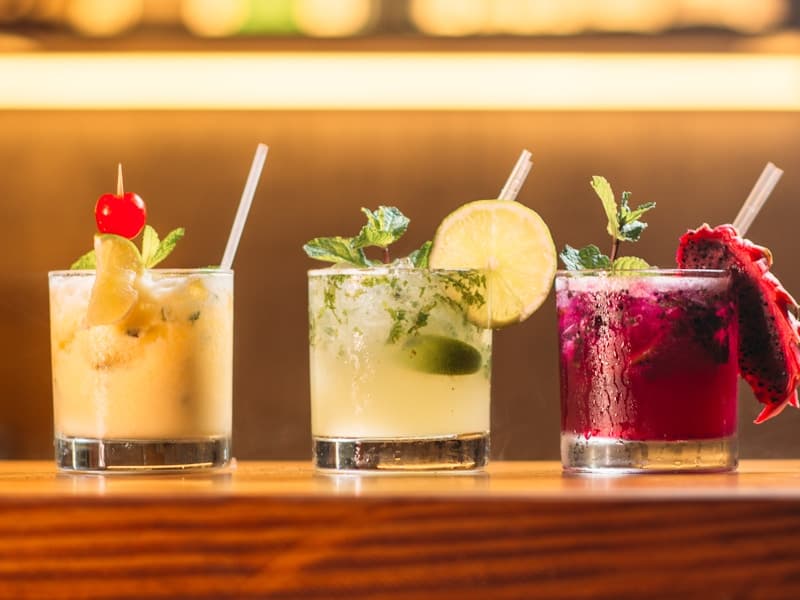
The zero-proof movement continues to reshape beverage culture, as Gen Z leads a broader shift toward drinking less alcohol. Non-alcoholic and low-alcohol cocktails have expanded steadily on bar and restaurant menus in recent years — one industry analysis found alcohol-free mixed drink offerings grew by more than a third over just a few years. Major chains and independent bars alike are adding dedicated mocktail menus, and some fine-dining restaurants now offer zero-proof pairing menus priced alongside their alcoholic counterparts. Cultural drivers include the sober-curious movement, mental health awareness, and interest in functional adaptogens. For home bartenders, zero-proof options have never been more accessible or exciting.
–
Photos (1)
Top LinksAuto-discovered
Community Links
Edit History
@adminchangedImage6/14/2026
https://images.unsplash.com/photo-1551024709-8f23befc6f87?w=800&h=600&fit=crop
Comments on "The Zero-Proof Revolution"
Have a take on this ranking?
Save your rankings and see how you compare. Comments are how the argument actually happens here. Posting one needs a free account — it takes about a minute.
No comments yet.
The first comment sets the terms of the argument.