#8
Hot Honey: From Brooklyn Pizzeria to McDonald's
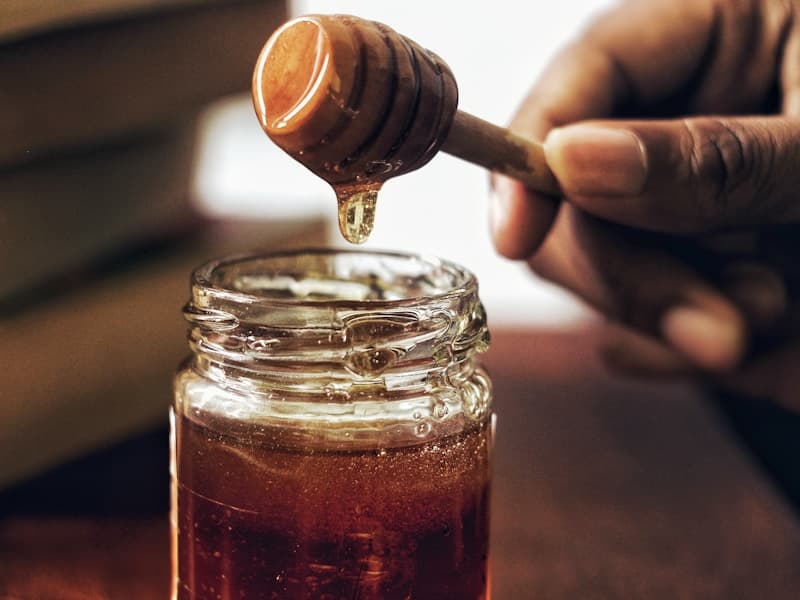
Hot honey, pioneered by Mike Kurtz at Paulie Gee's pizzeria in Brooklyn around 2010, achieves maximum mainstream penetration in 2026 as McDonald's launches a four-item hot honey menu: Sausage Egg Biscuit, Snack Wrap, McCrispy Sandwich, and Bacon McCrispy, plus a dedicated dipping sauce. This condiment, blending floral sweetness with slow chili heat, appears on 461 chain menus, achieving 230% growth over four years and projected 151% increase by 2030. The 'swicy' flavor category now drives product development across Ritz crackers, fried chicken, butter biscuits, and cocktails. The viral hot honey sweet potato beef bowl became 2026's most shared food recipe on TikTok.
–
Photos (1)
Community Links
Edit History
@adminchangedImage6/14/2026
https://images.unsplash.com/photo-1558642452-9d2a7deb7f62?w=800&h=600&fit=crop
Comments on "Hot Honey: From Brooklyn Pizzeria to McDonald's"
Have a take on this ranking?
Save your rankings and see how you compare. Comments are how the argument actually happens here. Posting one needs a free account — it takes about a minute.
No comments yet.
The first comment sets the terms of the argument.