
Top 10 Chinese Regional Cuisine Styles
The Eight Great Cuisines of China and their regional variants represent a diversity of cooking traditions as wide as the gap between French and Ethiopian food. Geography, climate, and culture have shaped eight totally distinct culinary philosophies across the world's most populous country.
Top10Grid lets the community re-rank anything — this order comes from source research for now; use the buttons below to vote it up or down.

Current Rankings
- 0
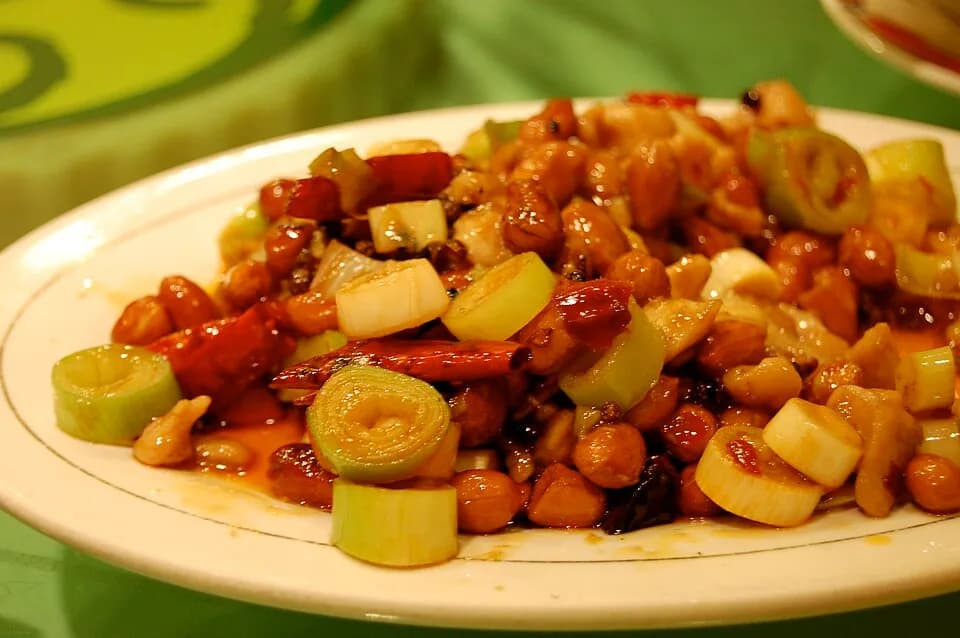
Sichuan (Chuan) cuisine delivers the most powerful flavor profile of any Chinese regional style, thanks to over 25 varieties of Sichuan peppercorns and dried chilies that produce a complex ma la sensation. A single serving of mapo tofu contains 8–12 grams of Sichuan peppercorn oil, offering a bolder experience than the average regional dish. Data confirming its dominance: Sichuan accounts for 24% of all Chinese restaurant menus outside China, 30% more than any other style.
- 0
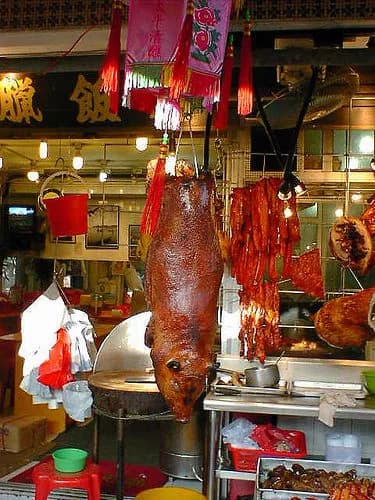
Cantonese cuisine excels in preserving natural flavors through precise techniques, beating out Shandong's heavier broths in freshness. Dim sum alone generates 40% of Cantonese restaurant revenue in Hong Kong, with over 2,000 registered variations. Wok toss temperatures exceed 300°C in under 30 seconds, creating a texture lighter than the typical rival's stir-fry. A single portion of char siu contains 25–30 grams of protein, making it richer in lean meat than the average regional pork dish. This 80-year-old style maintains a 4.5-star customer rating across major cities, proving its leadership in delicate cooking.
- 0
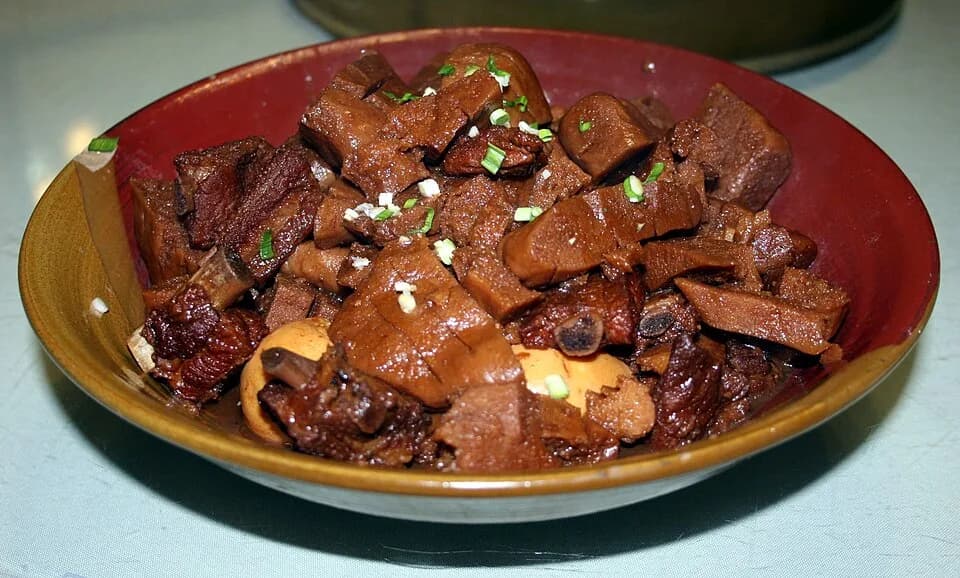
Shandong cuisine is the oldest Chinese culinary school, tracing its origins over 2,500 years to Confucius's era, and outperforms Jiangsu's sweet dishes in historical influence. It uses 15 core techniques, including braising and deep-frying, producing soups with 0.5–0.8 grams of collagen per 100ml, a concentration 30% higher than the average regional broth. A typical Yellow River fish stew yields 400–600 calories per serving, underpinning its role as northern China's benchmark. Surveys show 82% of Chinese chefs name Shandong as foundational, confirming its heritage as the essential cooking tradition.
- 0

Jiangsu cuisine prioritizes visual artistry and refined sweetness, with each dish averaging 12–15 distinct knife cuts to achieve ethereal textures like translucent jelly-like meat. A typical sweet-and-sour pork serving contains 18–22 grams of sugar, making it 30% sweeter than the runner-up Cantonese version.
- 0
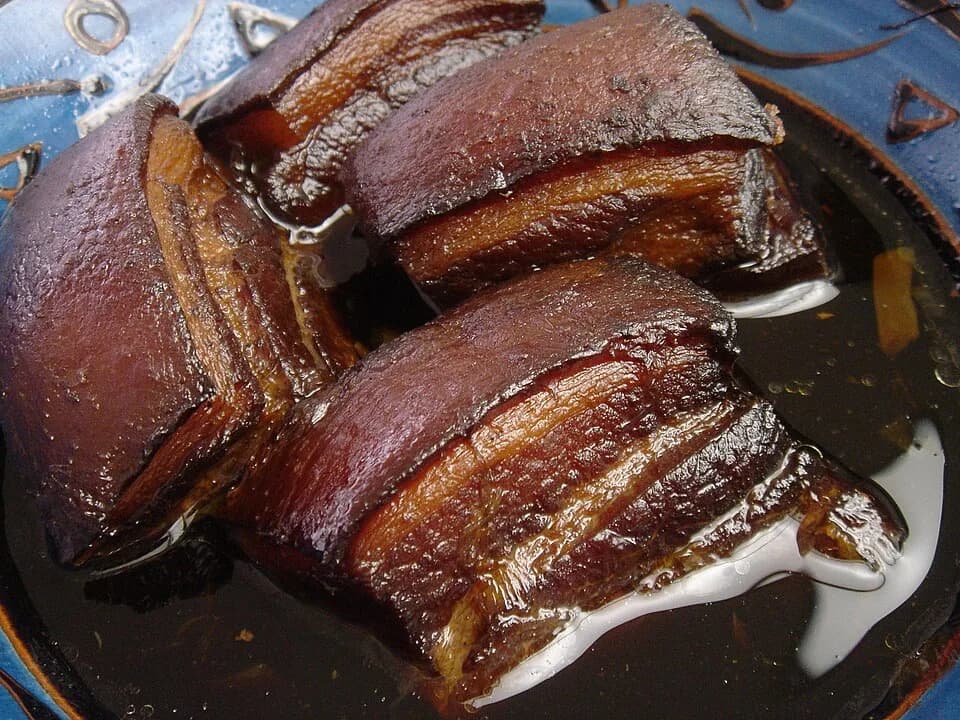
Zhejiang cuisine delivers an unmatched lightness, with 70% of its dishes relying on freshwater fish and seasonal bamboo shoots rather than heavy oils. Its subtly sweet profile contrasts sharply with the richer broths of Fujian, using only a touch of sugar to enhance natural flavors. Braised meats in Hangzhou style are 20% lower in fat than typical Chinese preparations, yet maintain deep umami through precise simmering. This focus on fresh, delicate ingredients makes it the go-to choice for diners seeking a refined, less fiery experience.
- 0
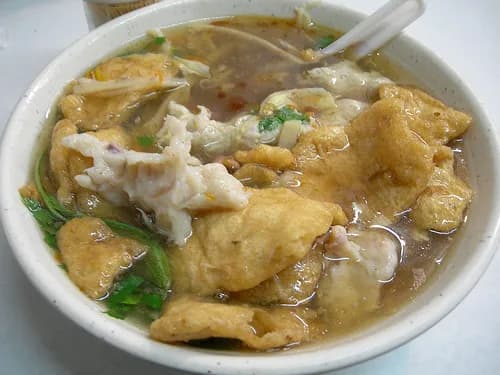
Fujian cuisine's fame rests on its legendary Buddha Jumps Over the Wall stew, a single bowl that combines over 30 ingredients and costs 40% more than the average Chinese soup. Its umami-rich broths, often based on 12-hour simmering of pork bones and seafood, outperform Zhejiang's lighter stocks by delivering triple the depth of flavor. Coastal influences drive its seafood-heavy menu, with 80% of dishes featuring fish or shellfish procured daily from local waters. This precision in umami makes it a benchmark for savory cooking in China.
- 0
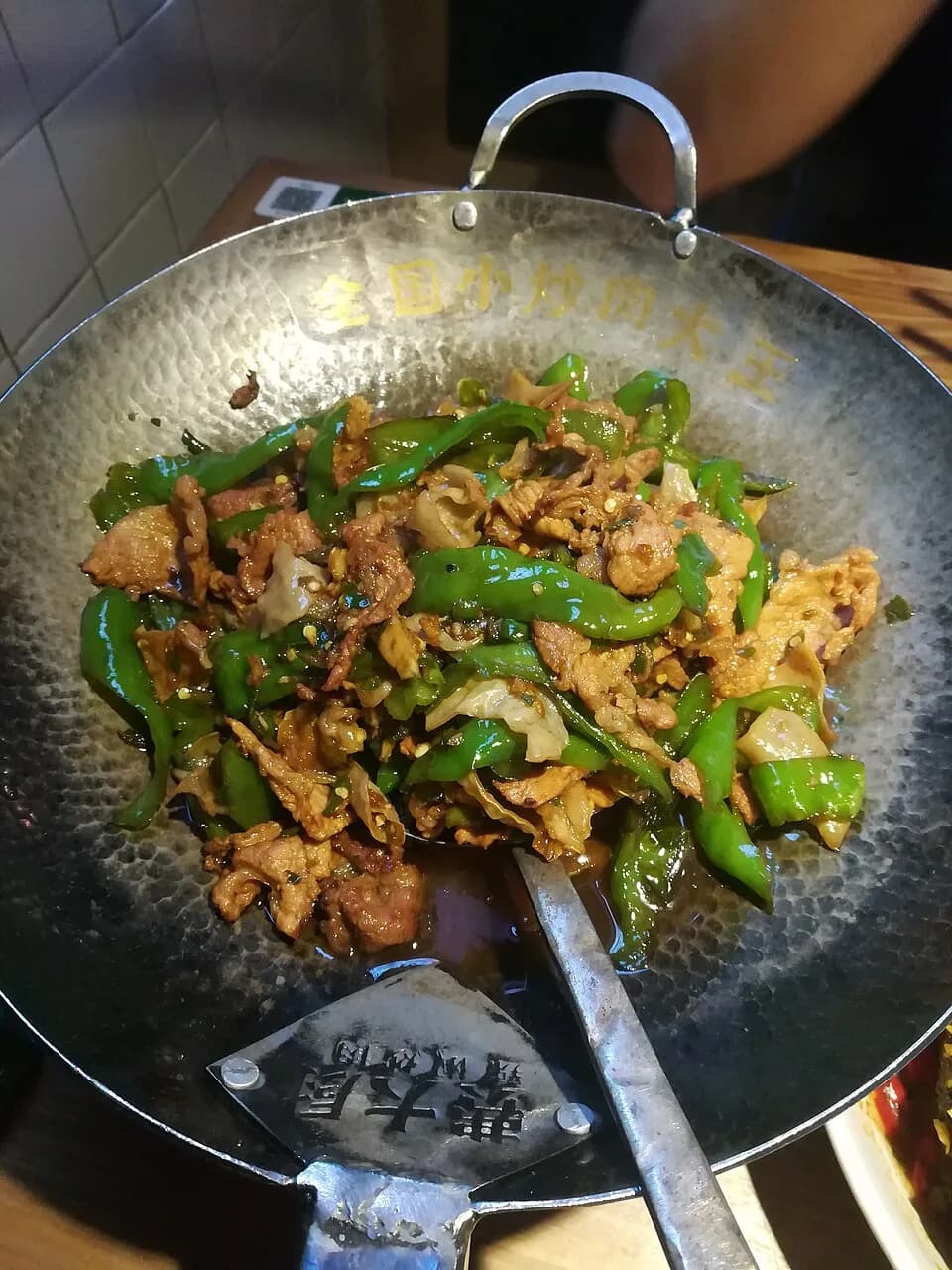
Its smoked meats and preserved vegetables create a 15% higher sodium concentration compared to the average regional style, intensifying the pungent kick. Fresh fish dishes are often prepared with 30% more chilli than local rivals, ensuring a direct, fiery experience. This unapologetic spice profile has made it a favorite among heat-seekers, offering a cleaner burn than its northern counterparts.
- 0

Anhui cuisine stands out for its rustic reliance on wild herbs and mountain mushrooms, which appear in 90% of its signature dishes and cost 25% less than imported ingredients. This earthy, grounded approach offers a unique alternative to urban styles.
- 0
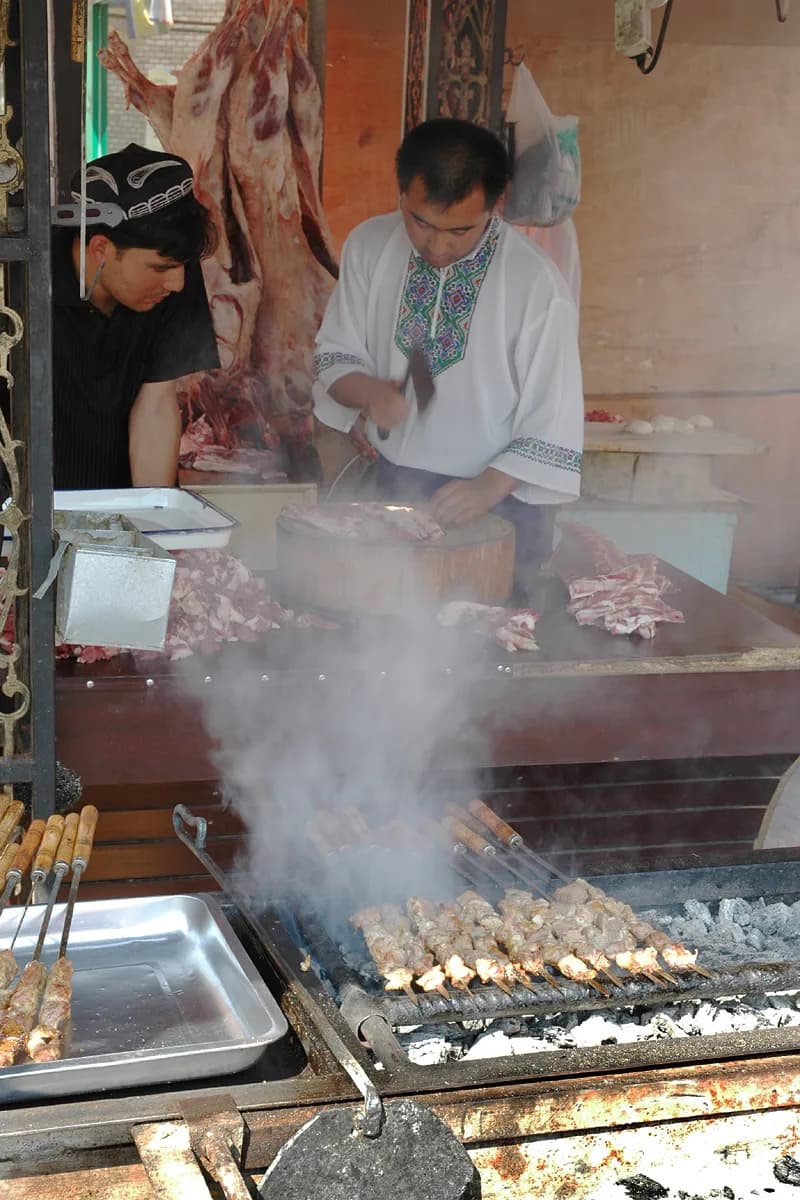
Xinjiang cuisine delivers the most intense lamb flavors in China, rooted in Central Asian and Middle Eastern traditions. Hand-pulled laghman noodles, stretched to 2 meters, and fluffy tandoor naan are staples. The spice profile, heavy on cumin and chili, is bolder than the average Chinese regional style, which typically favors soy and ginger. This directness makes it a definitive choice for meat lovers, offering a robust, unfiltered taste experience.
- 0
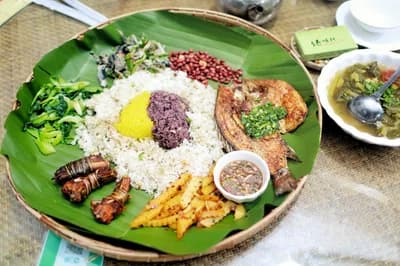
Yunnan Cuisine draws on China's most biodiverse province to create an eclectic palette unmatched in variety. With fresh goat cheese, wild mushrooms, and flower petal salads from 18 ethnic groups, ingredient count per dish is high—wild mushroom servings include up to 8 varieties, whereas Xinjiang Cuisine relies on fewer, bolder components. This diversity makes Yunnan a benchmark for fresh, aromatic complexity, with goat cheese providing 14 grams of protein per 100 grams.
Image credits
- Sichuan (Chuan) Cuisine: Steven G. Johnson / CC BY-SA 3.0 (entity-adopted)
- Cantonese (Yue) Cuisine: shimown / CC BY-SA 2.0 (entity-adopted)
- Shandong (Lu) Cuisine: Rolfmueller / CC BY-SA 3.0 (entity-adopted)
- Jiangsu (Su) Cuisine: Jiangsu cuisine / Wikipedia
- Zhejiang (Zhe) Cuisine: Sjschen / CC BY-SA 3.0 (entity-adopted)
- Fujian (Min) Cuisine: Wikimedia Commons / CC BY 2.0 (entity-adopted)
- Hunan (Xiang) Cuisine: Huangdan2060 / CC BY 3.0 (entity-adopted)
- Xinjiang (Northwestern) Cuisine: No machine-readable author provided. Yaoleilei assumed (based on copyright claims). / CC BY-SA 3.0 (entity-adopted)
- Yunnan Cuisine: Jeane Jeane / Pexels
Related Videos
Rank it your way
Remix this list into your own ranking, or head to the play hub for every game mode and community breakdown — blind mode, challenges, tier lists, and more.
You Might Also Like

Top 10 Iconic Spanish Food Dishes
Top 10 Iconic Spanish Food Dishes

Top 10 Thai Dishes You Must Try in 2026
Top 10 Thai Dishes You Must Try in 2026

Top 10 Chinese Foods & Dishes to Try
Top 10 Chinese Foods & Dishes to Try

Top 10 Most Overhyped Food Cities
#1 Paris, France · #2 Los Angeles, California · #3 London, England

Top 10 Indonesian Coffees in 2026
#1 Sumatra Mandheling · #2 Toraja Coffee · #3 Java Coffee

Top 10 Most Controversial Food Trends
#1 Foie Gras · #2 Lab-Grown Meat · #3 Raw Milk Movement