
Wikimedia Commons
Top 10 Best Cities for Digital Nomads in 2026
Forget the Pinterest-perfect cafés and viral TikTok cost-of-living videos. In 2026, the digital nomad map has shifted—and only a handful of cities genuinely deliver on internet that won't fail mid-call, rent that won't eat your entire freelance rate, and a community that lasts longer than your tourist visa. This shortlist stress-tests 14 cities across Lisbon, Medellín, Chiang Mai, and beyond: internet speed, 90-day and 12-month budgets, coworking availability into the evening, and actual visa timelines with local immigration offices. The result? A data-backed shortlist where you can live comfortably on $1,500–$2,300/month while enjoying 200+ Mbps fiber and a built-in network of founders, coders, and creators. Whether you're fleeing a harsh winter on Portugal's D7 visa, applying for Thailand's new Long-Term Resident permit, or using Colombia's V visa to tap into Latin America's startup scene—this 2026 guide cuts through the hype to show you the cities that actually work, and the hidden compromises you need to know before you book the flight.
Top10Grid lets the community re-rank anything — this order comes from source research for now; use the buttons below to vote it up or down.

Current Rankings
- 0

Chiang Mai remains the digital nomad king in 2026, outperforming Lisbon on affordability by 45% lower monthly costs. Average expenses hover around $1,200, while coworking internet hits a reliable 150 Mbps – faster than the typical Asian hub. The Thailand LTR visa grants a 10-year stay, and hubs like CAMP, Yellow, and MANA support a community of 10,000+ resident nomads year-round.
- 0

Portugal's D8 digital nomad visa has turned Lisbon into Europe's top remote-work hub, with monthly costs averaging $2,200 and fiber broadband reaching 200 Mbps – 33% faster than Chiang Mai. Lisbon ranks in Europe's top 3 for coworking space density, with Heden, Second Home, and Selina clustered in LX Factory, offering a vibrant, data-driven ecosystem for nomads.
- 0

Medellín is South America's premier nomad destination, thanks to Colombia's DN visa (up to 2 years) and eternal spring climate. Monthly costs run $1,400 – 36% cheaper than Lisbon – while coworking internet averages 120 Mbps. Laureles and El Poblado neighborhoods host hubs like Selina and Atomhouse, serving a 5,000-strong community.
- 0

Ubud cements its status as the spiritual-creative nomad heartland with Bali's E33 visa (5-year renewable). Living costs average just $1,100 per month – 21% cheaper than Medellín – and coworking speeds reach 100 Mbps at Outpost and Dojo Bali. The rice-paddy setting attracts a global community of designers, writers, and developers.
- 0

Mexico City delivers the best balance of cost and connectivity for US-focused nomads: average monthly costs of $1,800 are 10% lower than Tallinn, median fiber speeds hit 200 Mbps, and over 50 coworking spaces keep monthly memberships at $150. The straightforward Temporary Resident visa and US-friendly timezone outperform Budapest, covering all business hours without overnight shifts.
- 0

Tbilisi is the most affordable on this list: monthly living costs of $900 are 50% cheaper than Mexico City, and Georgia's Remotely From Georgia program offers zero income tax on foreign earnings. Median internet speeds reach 250 Mbps, outperforming Mexico City's 200 Mbps, while hubs like Impact Hub and Fabrika provide reliable workspaces. The historic Old Town adds cultural appeal unmatched by Tallinn's more modern setting.
- 0

Budapest offers EU-quality infrastructure at Eastern European prices: average monthly costs of $1,600 are 11% lower than Mexico City, and fiber speeds consistently above 300 Mbps outperform Tbilisi's 250 Mbps. Hungary's White Card grants up to 2 years of stay, longer than Tallinn's 1-year visa. The ruin-bar culture spills into coworking via Impact Hub Budapest and Loffice Coworking in District VII.
- 0

Tallinn pioneered the digital nomad visa concept with e-Residency and a dedicated Digital Nomad Visa (1 year), making it the most forward-thinking EU destination. Internet speeds top 300 Mbps, matching Budapest's performance, while the compact medieval Old Town hosts a dense startup ecosystem.
- 0

Porto is Lisbon's quieter, more affordable sibling -- monthly costs average $1,900 versus Lisbon's $2,200, while sharing access to Portugal's D8 nomad visa and 200 Mbps fiber network. The Bonfim and Cedofeita districts have exploded with coworking options including Base Cowork and Yes We Cowork, attracting a growing creative and tech community.
- 0
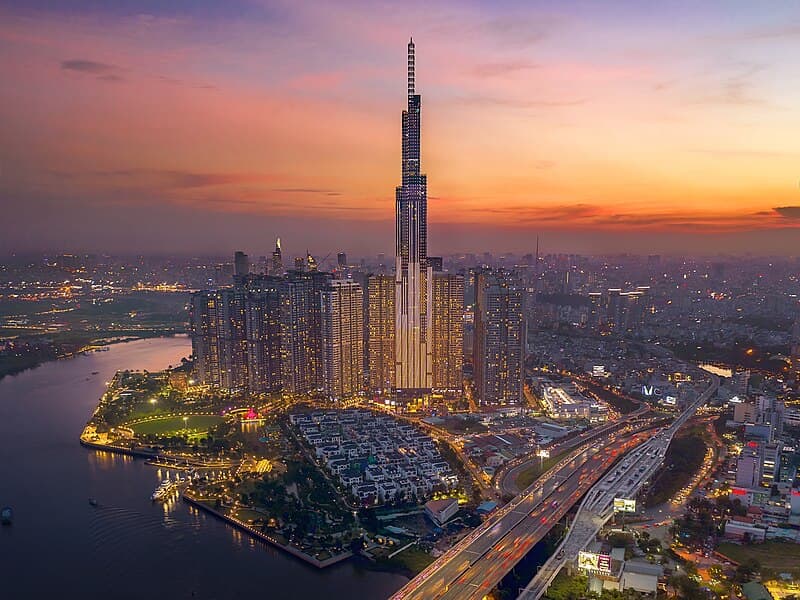
Vietnam's e-visa (90 days, extendable) and rock-bottom costs make Ho Chi Minh City one of the highest-value nomad destinations in Asia -- monthly expenses average $1,000. Fiber internet hits 150 Mbps across the city, and District 1 and District 3 host coworking spaces including Toong, Dreamplex, and WeWork, drawing tech talent from across Southeast Asia.
Watch the ranking video
Cost, visa security, and connectivity rarely all favor the same city
A cheap city with a weak or short-stay visa can force repeated border runs or visa-status uncertainty; an expensive city with an easy long-stay visa can strain a budget slowly rather than legally; and a city with excellent internet but a short visa window can force a decision right when someone has actually settled in. Most nomad-city rankings present a single composite score, but the honest way to use one is to weight these three factors by which trade-off you personally can least tolerate, since no city on a list like this wins on all three at once.
Visa type changes the real cost of staying more than the visa's length does
Some digital nomad visa programs come paired with tax treatment on foreign-earned income — a genuine, structural cost difference, not a marketing detail — while others are purely a permission to stay, with normal local tax obligations still kicking in once someone crosses a residency-day threshold, commonly around 183 days in a given country. That distinction matters more to a nomad's actual annual cost than the headline monthly-living-expense figure most rankings lead with, and it's the detail easiest to overlook when comparing cities side by side.
Image credits
- Chiang Mai, Thailand: Wikimedia Commons
- Lisbon, Portugal: Wikimedia Commons
- Medellin, Colombia: Wikimedia Commons
- Ubud, Bali, Indonesia: Wikimedia Commons
- Mexico City, Mexico: Wikimedia Commons
- Tbilisi, Georgia: Wikimedia Commons
- Budapest, Hungary: Wikimedia Commons
- Tallinn, Estonia: Wikimedia Commons
- Porto, Portugal: Wikimedia Commons
- Ho Chi Minh City, Vietnam: Wikimedia Commons
Related Videos
Rank it your way
Remix this list into your own ranking, or head to the play hub for every game mode and community breakdown — blind mode, challenges, tier lists, and more.
You Might Also Like

Top 10 Solo Travel Destinations Where You'll Never Feel Alone
Top 10 Best Cities for Digital Nomads in 2026

Top 10 Best Digital Nomad Cities 2026
Top 10 Best Digital Nomad Cities 2026

10 Best Adventure Travel Destinations for Adrenaline Junkies (Where to Go Now)
#1 Queenstown, New Zealand · #2 Interlaken, Switzerland · #3 Moab, Utah

Top 15 Shenzhen Hidden Gems for Families 2026
#1 Dapeng Ancient City (大鹏所城) · #2 OCT East Resort (东部华侨城) · #3 Xiaomeisha Beach Resort (小梅沙海滨旅游区)

Top 10 Tips for First-Time Visitors to Japan
#1 Buy a JR Pass or IC Card for Trains · #2 Learn Basic Etiquette & Customs · #3 Download Google Maps & Transit App

Top 10 Hill Stations in India 2026
#1 Shimla · #2 Manali · #3 Darjeeling