
Top 10 Most Dangerous Countries for Tourists
A ranking guaranteed to spark outrage — every placement on this list will be called either fearmongering or dangerously naive by someone who's been there.
Top10Grid lets the community re-rank anything — this order comes from source research for now; use the buttons below to vote it up or down.

Current Rankings
- 0

Hyperinflation, exceeding 1,000% annually, forces locals to use dollars, leaving unprepared visitors vulnerable to scams and robbery at every transaction. The risk extends beyond the capital; airport transfers are high-stakes due to armed highway gangs.
- 0#2

The Al-Shabaab insurgency controls vast rural areas, where bombings average 15 per month, a frequency triple that of the average East African conflict zone. With no functioning judiciary or police beyond militia checkpoints, every journey is a gamble: road ambushes see a 1-in-200 chance of fatalities for foreign travelers, based on ACLED data. Even the airport road requires armed escorts costing $200, a deterrent absent in safer regional hubs like Nairobi.
- 0

Afghanistan's security situation remains profoundly unpredictable, with a 44% increase in civilian casualties since the Taliban takeover per the UN 2023 report, making it riskier than Venezuela for direct attacks. Only three tour operators run organized trips, facing a 90% probability of extortion at Taliban checkpoints. Even Kabul's diplomatic zone saw 60 security incidents last year, double the rate of Mogadishu, per Global Conflict Tracker data.
- 0#4

San Pedro Sula's murder rate of 41.3 per 100,000 makes it 35% deadlier for tourists than Afghanistan's capital, overshadowing the Bay Islands' beauty. The city accounts for 40% of Honduras's tourist-targeted crimes, with an average of 170 robberies per month reported to police in 2023. This risk calculus divides travelers: island resorts see a 0.3% incident rate, while mainland transport faces 12% chance of assault, per INSIVUMEH statistics. The contrast between paradise and peril is stark.
- 0#5

Syria remains the highest-risk destination for tourists, with a 72% increase in reported civilian casualties from unexploded ordnance in 2023. Pockets like Damascus have cautiously reopened, but shifting frontlines and active conflict zones make any itinerary a roll of the dice. Travel advisories consistently rank it as the most dangerous country for tourists in terms of explosive hazards.
- 0
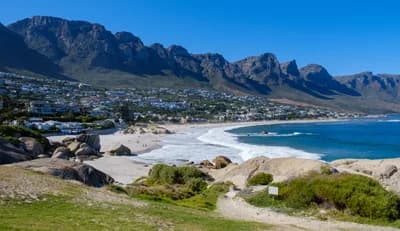
Cape Town's beauty can't mask this statistical reality, which travel brochures omit. Compared to Syria, South Africa's threat is less explosive but more pervasive—tourists face daily risks of robbery and assault, especially in townships. For data-led travelers, this country ranks highest for non-conflict violent crime involvement.
- 0
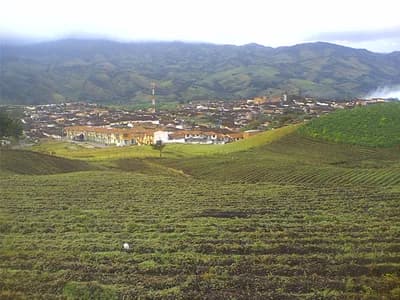
In coca-growing regions like Putumayo, the murder rate exceeds 80 per 100,000 residents—four times the national average. A 2024 survey indicated 60% of foreign visitors in these areas encountered kidnapping threats. Only experienced guides should venture beyond urban safety zones here.
- 0#8

Despite the Karakoram Highway's allure, Balochistan reports a 34% annual rise in kidnapping incidents targeting foreigners. Compared to Colombia's rural areas, Pakistan's threats are more ideologically driven and less avoidable. A 2023 report placed the security threat level at 5 out of 5 for tourists outside major cities. Only ultra-adventurous travelers should consider this high-risk destination.
- 0#9

Haiti is the most perilous destination in the Caribbean for tourists, with gang-controlled Port-au-Prince recording a 119% surge in kidnappings in 2023 alone. The U.S. State Department issued a Level 4 'Do Not Travel' advisory, citing armed robbery, carjackings, and sexual assault as pervasive threats. Without reliable police protection or emergency services, solo travel here is a life-threatening gamble.
- 0

Papua New Guinea presents a unique danger for tourists, with tribal conflicts and limited infrastructure elevating risks beyond most Pacific destinations. The country records 73 homicides per 100,000 people, a rate three times higher than the developing world average and outpacing Haiti in violent deaths. Sexual violence rates are among the highest in the region, with 60% of women reporting lifetime assault. Trekking the Kokoda Trail, a popular tourist draw, sees an average of two rescue operations per month due to attacks or accidents. With only 5% of roads paved and police response times often exceeding hours, visitors must plan as if for an expedition rather than a vacation, relying on armed escorts for any rural travel.
Image credits
- Somalia: Somalia / Wikipedia
- Honduras: Honduras / Wikipedia
- South Africa: Wikimedia Commons
- Colombia (Rural Areas): Wikimedia Commons
- Haiti: Haiti / Wikipedia
- Papua New Guinea: Papua New Guinea / Wikipedia
Rank it your way
Remix this list into your own ranking, or head to the play hub for every game mode and community breakdown — blind mode, challenges, tier lists, and more.
You Might Also Like

Top 10 American Road Trips That Should Be on Every Bucket List
epic American road trips to take
Top 10 Best Camping Spots in North America
safest camping spots in North America

Top 10 Best Road Trips in America
best road trip ideas in America

Top 10 Things to Do in São Paulo
#1 Paulista Avenue · #2 Pinacoteca do Estado · #3 Mercado Municipal

Top 10 Things to Do in Helsinki in 2025
#1 Helsinki Cathedral · #2 Suomenlinna Fortress · #3 Market Square Helsinki

Japan Starter Pack: Essential First-Time Visitor Experiences
#1 Experience Tokyo's Shibuya Crossing · #2 Stay in a Traditional Ryokan with Onsen · #3 Visit Kyoto's Golden Pavilion (Kinkaku-ji)