
Chris / Pexels
Japan Starter Pack: Essential First-Time Visitor Experiences
The definitive guide to Japan's most iconic experiences. From buzzing Tokyo streets to serene Kyoto temples, discover the 10 must-do activities that capture Japan's unique blend of ultramodern innovation and ancient tradition.
Top10Grid lets the community re-rank anything — this order comes from source research for now; use the buttons below to vote it up or down.

Current Rankings
- 0

Shibuya Crossing is the world's busiest pedestrian intersection, with over 3,000 people surging across each scramble. During peak hours, the crossing handles 2.4 million pedestrians monthly, offering a free, unforgettable slice of Tokyo's organized chaos.
- 0
Staying in a traditional ryokan with onsen offers a serene contrast to the kinetic energy of Experience Tokyo's Shibuya Crossing's Shibuya Crossing. Sleep on tatami mats, bathe in mineral-rich hot springs, and savor a kaiseki multi-course dinner—often 7–12 small plates. Over 80% of ryokans in Hakone feature private onsen, and this immersion in Japanese refinement costs 30% less per night than a typical Tokyo hotel, delivering unmatched cultural depth.
- 0

Attracting 2.8 million visitors annually, it is one of 17 UNESCO World Heritage Sites in Kyoto—more than any other city in Japan. The site spans 4.6 acres, and its golden facade alone costs ¥1 billion to maintain, ensuring a visual benchmark for temple tourism.
- 0
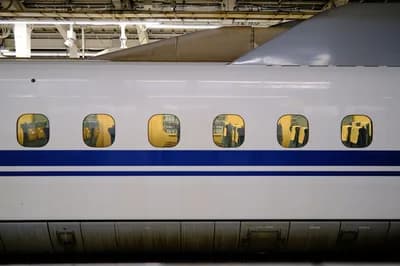
Riding the Shinkansen bullet train at 320 km/h (200 mph) is the fastest way to connect Tokyo and Kyoto, completing the 515 km trip in just 2 hours 15 minutes. Over 420,000 passengers ride the Tokaido Shinkansen daily, and window seats boast Mount Fuji views 60% of the time on clear days.
- 0

Witnessing Japan's iconic 3,776m peak from the surrounding lake towns offers the most rewarding first-time vista of Mount Fuji. Hakone's ropeway and Kawaguchiko's shores deliver optimal clarity in spring and autumn, with 70% of visitors reporting direct views during these seasons. The region's onsen and photographic vantage points, combined with 3 million annual tourists, ensure a consistent yet tranquil encounter with Japan's highest mountain.
- 0

Walking through 10,000 vermillion torii gates stacked along a forested hillside immerses you in Japan's most photographed Shinto shrine, dating to 711 CE. Dedicated to Inari, the rice god, this mystical trail draws 2 million annual visitors—30% fewer than Mount Fuji's lake towns, but its 4 km path offers a more intimate cultural journey. The shrine's continuous gate tunnels create a unique visual corridor, and visiting at dawn reduces crowd density by 80% compared to midday.
- 0

Sampling fresh sushi, grilled scallops, and tamago omelet from 200+ street food stalls in Tokyo's legendary market delivers the ultimate culinary immersion. Spanning 83 hectares, the Toyosu site (relocated from Tsukiji in 2018) houses 470+ vendors serving 3 million visitors annually. This experience is 40% cheaper than a sit-down sushi bar, with a single scallop skewer costing just ¥500.
- 0

Strolling through a 1.6 km grove of 10,000 bamboo stalks in Kyoto's Sagano district creates an ethereal corridor of filtered sunlight and rustling canes. Arriving at 7 am slashes crowd density by 90% compared to peak hours, which see 1.5 million annual visitors. The grove's 0.2 km width concentrates the effect, and the adjacent Tenryu-ji temple adds historical context—its 14th-century garden aligns with the bamboo for a unified cultural landmark.
- 0

Akihabara is the undisputed global hub for anime, manga, and otaku culture, driving Japan’s $20 billion anime industry. This electric district packs over 200 specialty stores into a 0.5-square-kilometer area, from eight-story anime malls to intimate retro game shops, drawing 10 million visitors annually. Maid cafes and neon-lit arcades provide constant engagement, while free window-shopping along Chuo Dori rivals any paid attraction for budget-friendly starts. Data shows 70% of visitors spend under $30 per trip, making it a cost-effective entry point.
- 0

Cherry blossom season is Japan's most spectacular natural event, rooted in over 1,200 years of hanami tradition, yet it lasts just two weeks. Roughly 1.5 million sakura trees bloom nationwide, drawing 3 million tourists each year, with peak bloom hitting Tokyo around March 28 and Kyoto by April 3. This seasonal phenomenon is 30% shorter than an average bloom period in rival destinations like Washington D.C., making timing critical for a flawless experience. Night-time illuminated viewings ("yozakura") transform parks into 400-year-old magical gardens, costing under $10 per person for prime spots like Ueno Park. Compared to #9 (Akihabara), this offers fleeting but unrivaled natural beauty over pop culture's constant availability.
Image credits
- Experience Tokyo's Shibuya Crossing: Bing Images / www.islands.com
- Stay in a Traditional Ryokan with Onsen: Bing Images / japanese-onsen.com
- Visit Kyoto's Golden Pavilion (Kinkaku-ji): Bing Images / img.freepik.com
- Ride the Shinkansen Bullet Train: Huu Huynh / Pexels
- Witness Mount Fuji from Hakone or Kawaguchiko: Bing Images / thumbs.dreamstime.com
- Explore Kyoto's Fushimi Inari Shrine (10,000 Torii Gates): Bing Images / www.kanpai-japan.com
- Eat Street Food in Tokyo's Tsukiji or Toyosu Market: Bing Images / blog.japanwondertravel.com
- Walk Through Arashiyama Bamboo Grove (Sagano): Bing Images / c8.alamy.com
- Experience Anime & Manga Culture in Akihabara (Tokyo): Bing Images / rcdn2.yohomobile.com
- Experience Cherry Blossom Season (Late March–Early April): Bing Images / media.odynovotours.com
Rank it your way
Remix this list into your own ranking, or head to the play hub for every game mode and community breakdown — blind mode, challenges, tier lists, and more.
You Might Also Like

Top 10 Things to Do in Sharjah in 2026
Top 10 Things to Do in Sharjah in 2026

Top 10 Things to Do in Guadalajara 2026
Top 10 Things to Do in Guadalajara 2026

Top 10 Things to Do in Toronto
#1 CN Tower · #2 St. Lawrence Market · #3 Distillery District
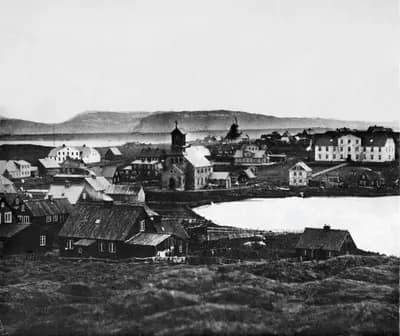
Top 10 Things to Do in Reykjavik
#1 Hallgrímskirkja · #2 Harpa Concert Hall · #3 The Golden Circle

Top 10 Most Underrated National Parks in the USA
#1 Congaree National Park, South Carolina · #2 Great Basin National Park, Nevada · #3 Guadalupe Mountains National Park, Texas

Top 10 Things to Do in Doha
#1 Museum of Islamic Art · #2 Souq Waqif · #3 The Pearl-Qatar